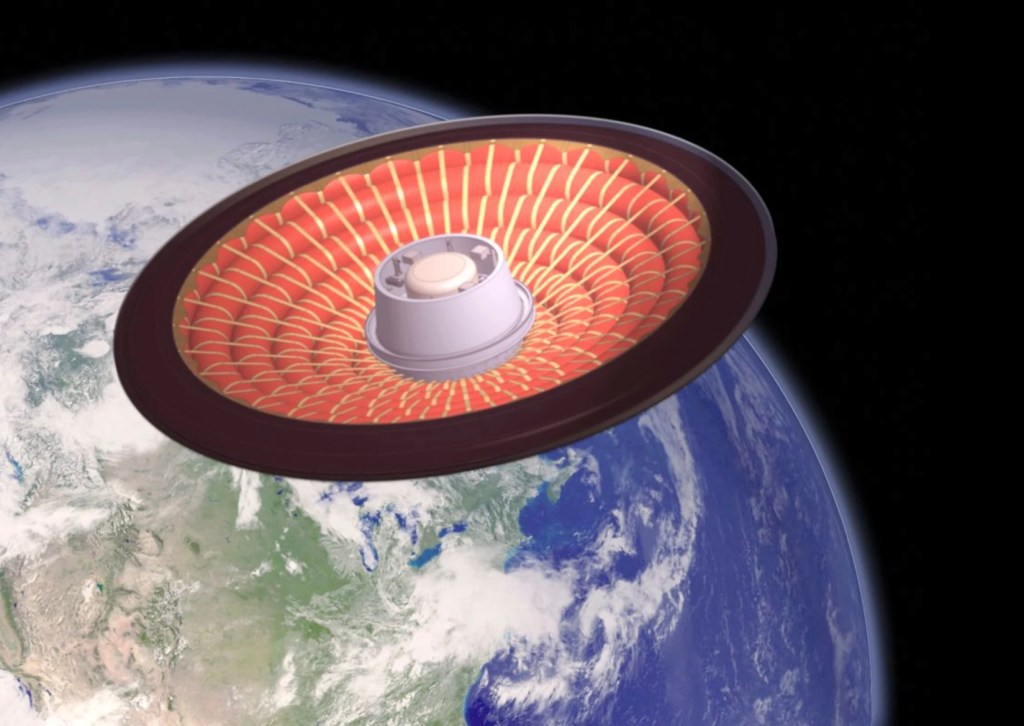
Also, see this one (pay wall, Washington Post) about NASA and DARPA working on one to reach Mars much faster to reduce astronauts’ exposure to radiation.
I still think “durp” every time I see that acronym 😝
A Japanese telescope positioned on top of Mauna Kea, a dormant volcano on the Big Island of Hawaii, captured video of an eerie flying spiral in the night sky on Jan. 18.
In the video, a small bright spot appears and slowly gets brighter and starts to dissipate into a spiral before getting small again and disappearing.
In fact, it was the remains of a discarded Falcon 9 booster from the launch of a SpaceX satellite. And it isn’t the first time this has happened. Japanese TV talked about this, too (since it was a Japanese astronomy, at the Subaru Telescope, that first recorded it).
So, an Identified Flying Object!
Yay, more metallic junk.
(Thanks to Glen Hill for bringing this article to my attention.)
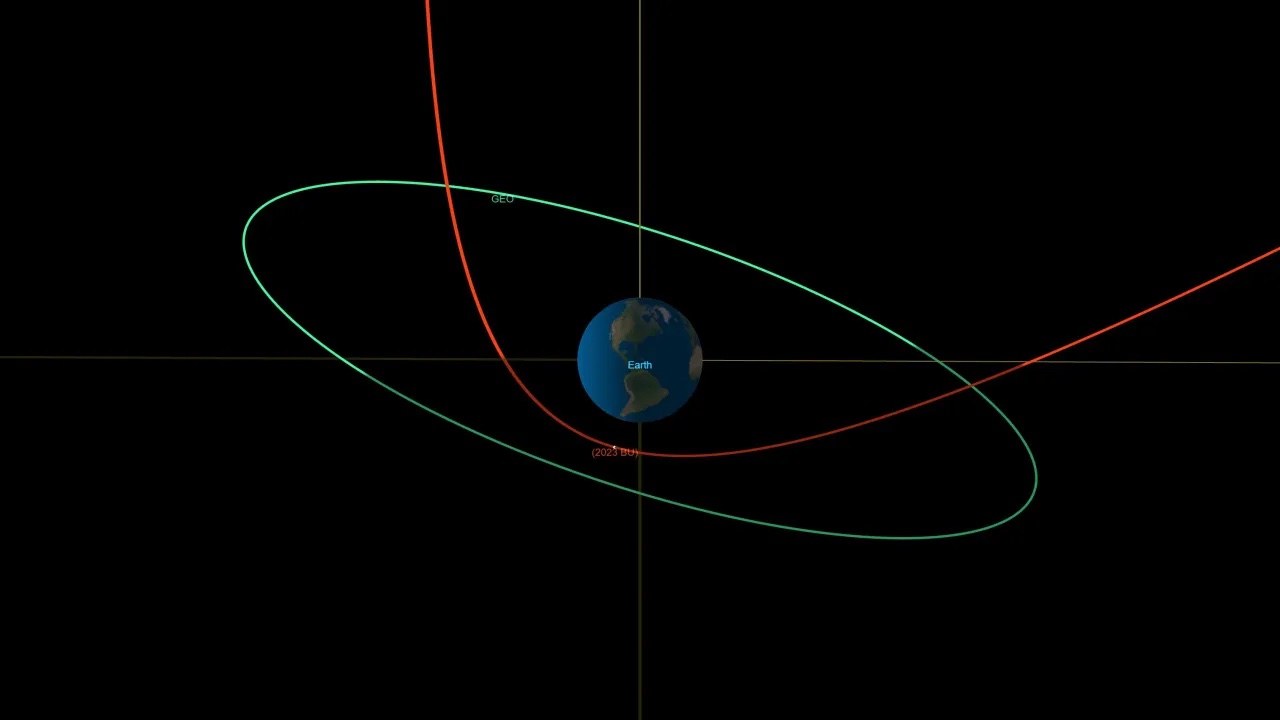
An asteroid is on its way to Earth, but don’t worry – the end is here Not here. The asteroid, named 2023 BU, is about the size of a van and is expected to miss our planet during Thursday’s flyby. However, according to a NASA scientist, it will be “one of the closest approaches of a known near-Earth object ever recorded.”
Though definitions sometimes differ, cislunar space generally refers to the space between Earth and the moon, including the moon’s surface and orbit. Any nation or entity that aims to establish a presence on the moon, or has ambitions to explore deeper into the solar system, has a vested interest in operating in cislunar space, either with communication and navigation satellites or outposts that serve as way stations between Earth and the moon.
The finding demonstrates how the observatory could be used to search for potentially habitable planets in the cosmos and examine the chemical makeup of their atmospheres.
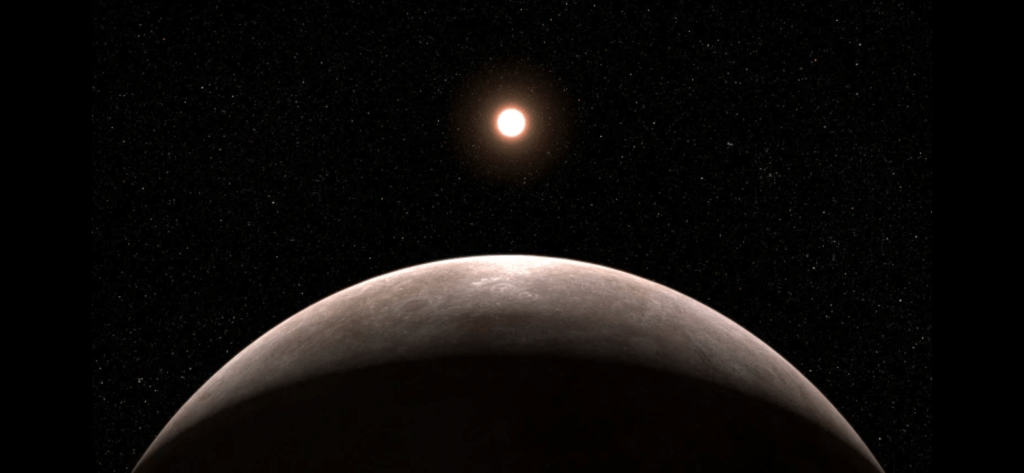
LHS 475b is 41 light years away, orbiting a red dwarf star in the Octans constellation (one of a few “modern” constellations only seen in the deep southern hemisphere).
Webb can even detect the presence of atmospheres, though given LHS475b has an orbit of two days and is a “few hundred degrees warmer than Earth,” it’s unlikely it’ll find much with this exoplanet.
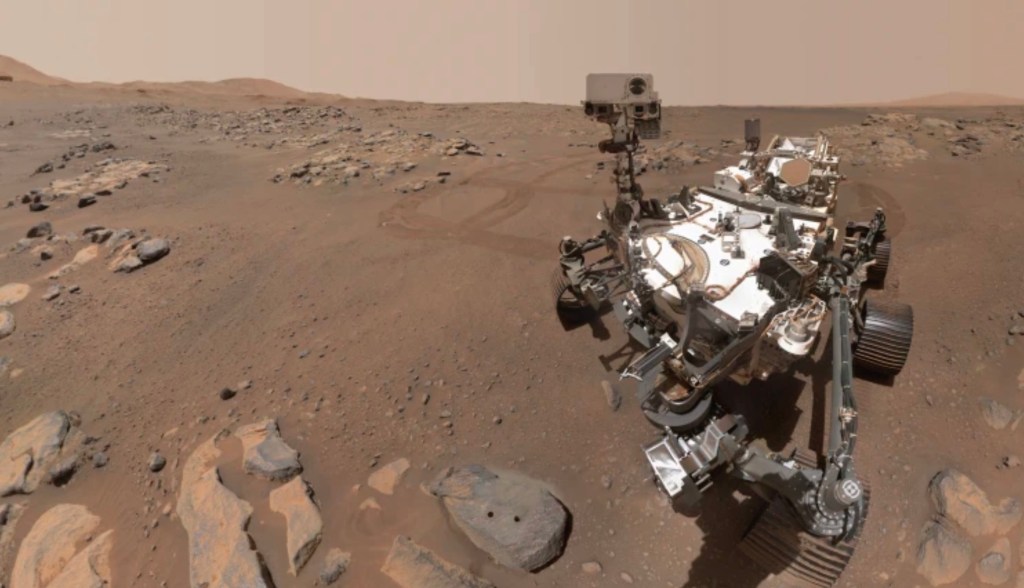
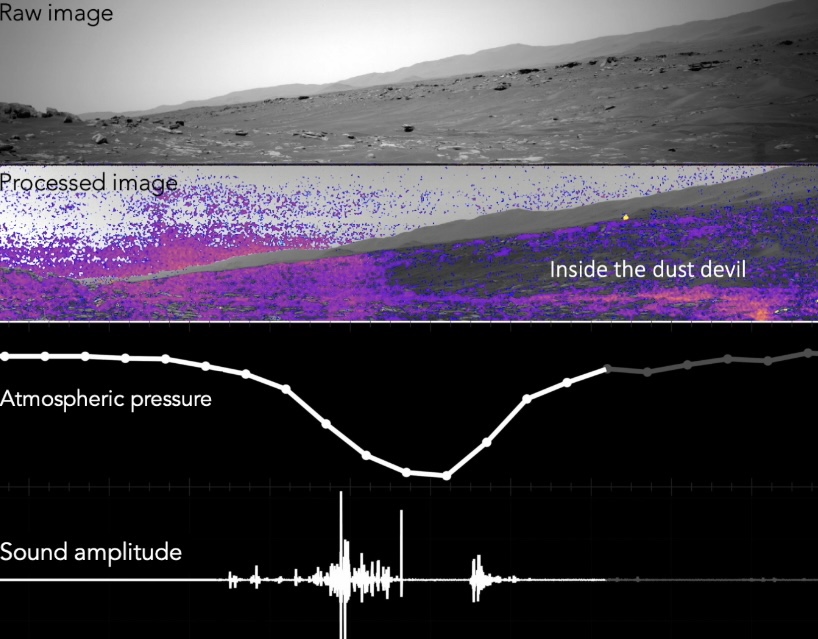
It was “definitely luck” that the dust devil appeared when it did, said the study’s lead author, who estimates there was just a 1-in-200 chance of capturing the audio.
Perseverance has been on Mars for almost two years now, and already recorded wind on Mars for the first time in February 2021.
This dust devil was recorded in late September 2021 (wonder why only now it’s being revealed?). The dust devil was “average size,” which is described as about 400 feet / 122 meters tall and 80 feet / 24 meters wide, traveling at 16 feet / 5 meters per second (≈ 11 mph / 18 mph).
UPDATE. NBC incorrectly reported in the above linked article that the dust devil was recorded by Perseverance. It was actually recorded by InSight, which has just fallen silent after four years of operation. Sigh. I should get science news directly from the source and not from unreliable “news” sites.
There are a lot of dust devils on Mars. A whole lot. Any settlement would have to be extremely prepared to deal with dust all the time, everywhere. If it ever got into equipment that regulated, say, breathable air inside habitats…
Falsified space research? No problem. The “apology bow” (sha zai, 謝罪) makes it all better.
There is a reason why Japan’s newest “micro” satellite spectacularly failed to do, well, anything.
The Japan version of NASA (Japan Aerospace Exploration Agency, called “JAXA” for some reason rather than “JAEA” — maybe the founder was a fan of X-Japan?) is riddled with incompetency and sycophancy.
Much like the rest of Japan’s government, one of the most corrupt of the world’s industrialized countries thanks to its strict “senpai-kohai” hierarchy where those at the top do no work and those at the bottom have no choice but to do what those at the top say – even if it’s illegal or immoral.
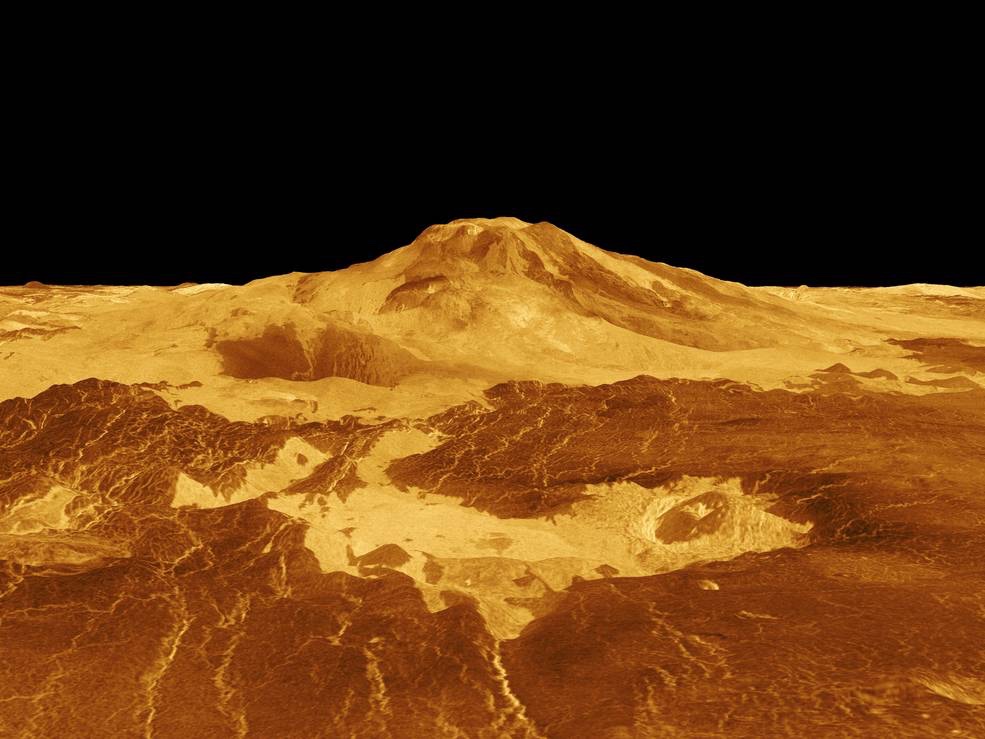
A new study shows that massive volcanic eruptions over an extended period of time may be responsible for changing the planet into what it is today. If there was simple life on ancient Venus, volcanism was its doom. The study also shows how powerful volcanic activity has played a role in shaping Earth’s habitability and how Earth only narrowly avoided the same fate as Venus.
Venus is hot enough to melt lead, which is why no spaceship has ever survived to land on the surface.
And, no, there is nothing alive floating around in its toxic atmosphere.
But this is a neat article. Three future missions are planned for Venus (two by NASA – VERITAS and DAVINCI – and one by ESA – EnVision, which sounds more like a song and dance competition than a scientific probe).