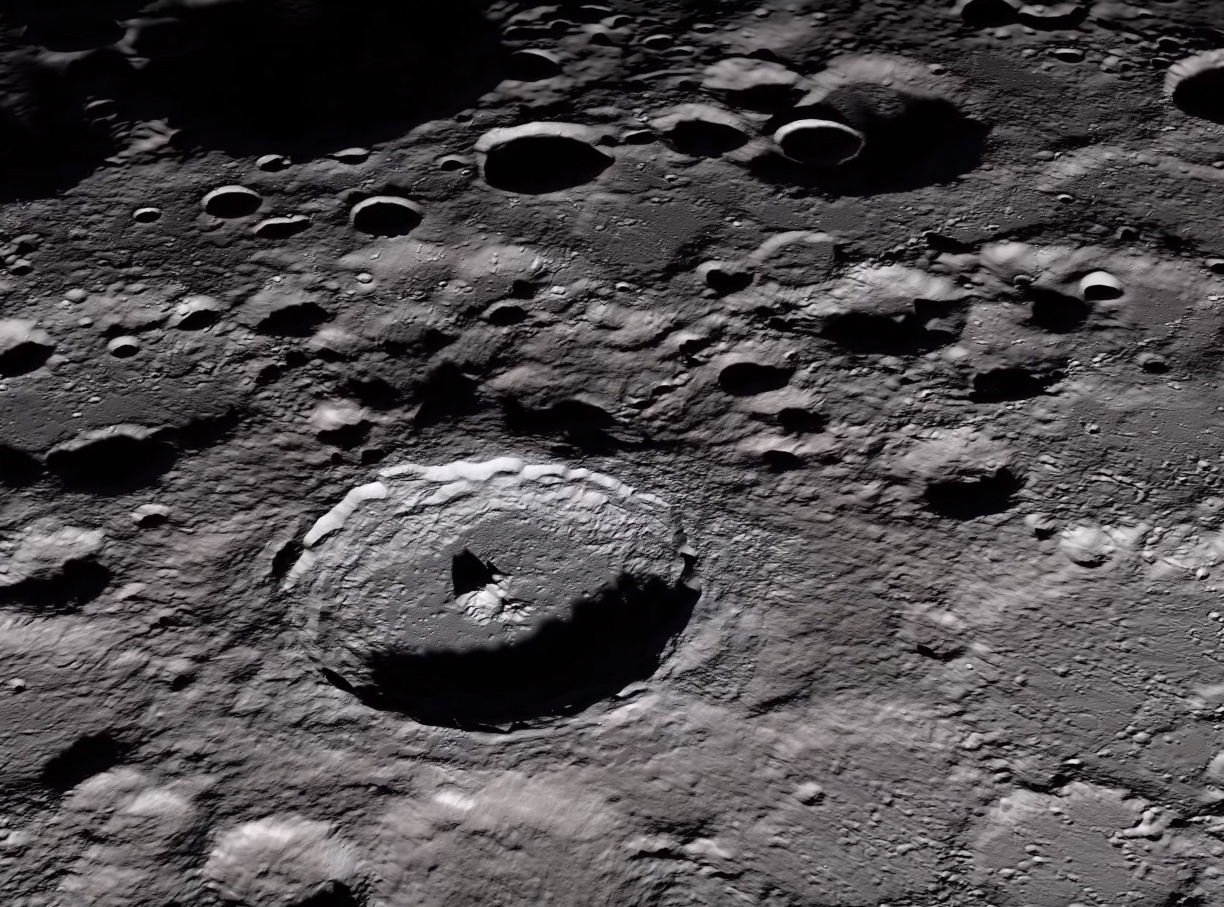
NASA and other scientific groups have discussed the potential of using the Moon as a sort of jumping-off point for missions deeper into space. If water could be collected on the Moon it could prove to be a great resource for manned missions headed deeper into the solar system.
Interesting, but I have a feeling that Lunar Base occupants will need slightly more than a few “bouncing” molecules to drink (or to create hydrogen for rocket fuel or colony energy needs).
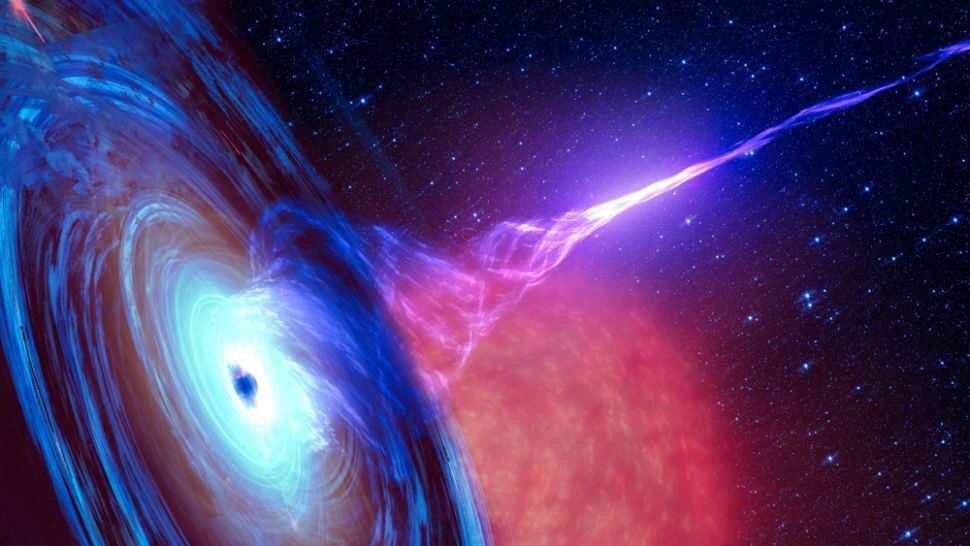
Modern physics dictates that, after being consumed, information about this matter should be forever lost to the universe. But a new experiment suggests that there might be a way to use quantum mechanics to gain some insight into the interior of a black hole.
Black hole sun / won’t you come / to drive away the rain? 🎶
[A]n obvious obstacle to identifying our neighbors is the tendency to limit our imagination to what we already know. But this should not necessarily remain the case in the future.
Frankly, I think it’s high time that somebody invent the warp drive so that the Vulcans will finally notice us.
In their presentation, the researchers jokingly compared the planet to Hoth – the icy planet made famous in one of the “Star Wars” movies, when Luke Skywalker’s steed (a fictional lizard species called a Tauntaun) dies and he must stay warm by burrowing into its intestines.
Yay, science. And only six light years away!
Which, since Alpha Centauri at four light years away only takes 137,000 years to get to, would only take…er…just a few ten thousand more years…Hmm…
A new paper suggests that the so-called “Planet Nine” – thought responsible for the screwy orbits of Trans-Neptune objects – might actually be a really big disc.
Um. Yeah. Okay.
How about we actually focus on technology that will allow us to construct spaceships so we can go out that far in person to find out? Theoretical astrophysics is all fine and dandy, but how does this help our species expand out into space?
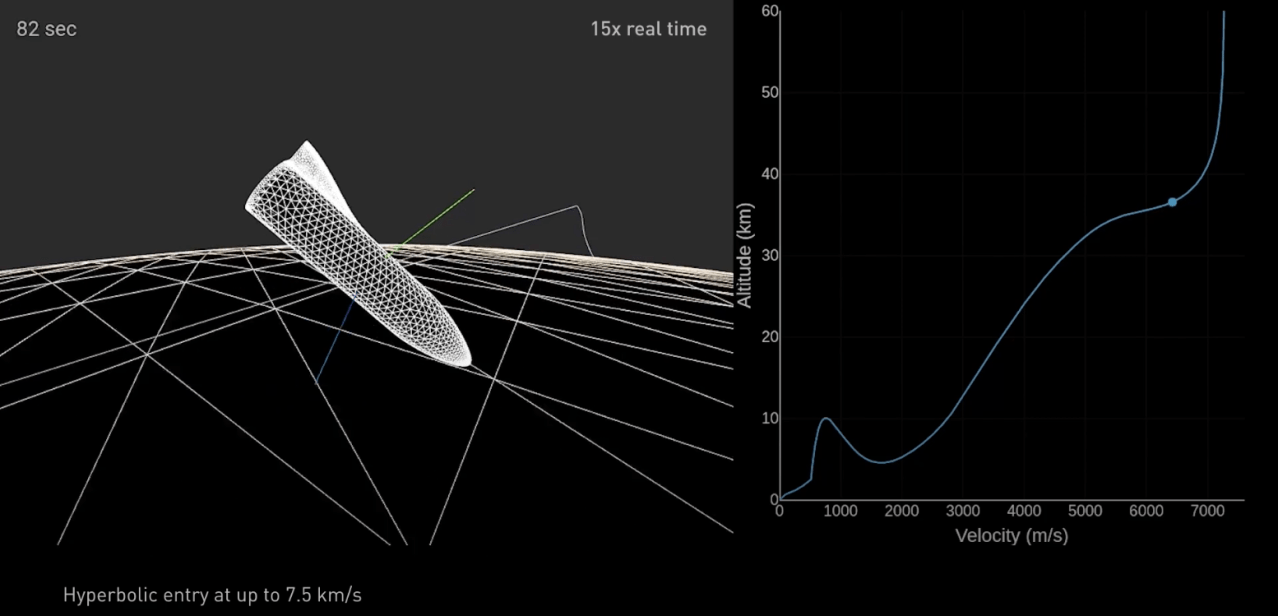
He described the concept as a “stainless-steel sandwich” that can “bleed water…fuel” through tiny holes on its surface to keep it cool as it enters the Martian atmosphere at breakneck speeds.
Not sure, but I don’t think there are a lot of people who want to travel to Mars inside a sandwich…
Remember New Horizons? The Little Probe That Could?
No?
You know, the photos of Pluto, Formerly Known As the Ninth Planet?
Doesn’t ring a bell?
Hmpf. Go read about about it.
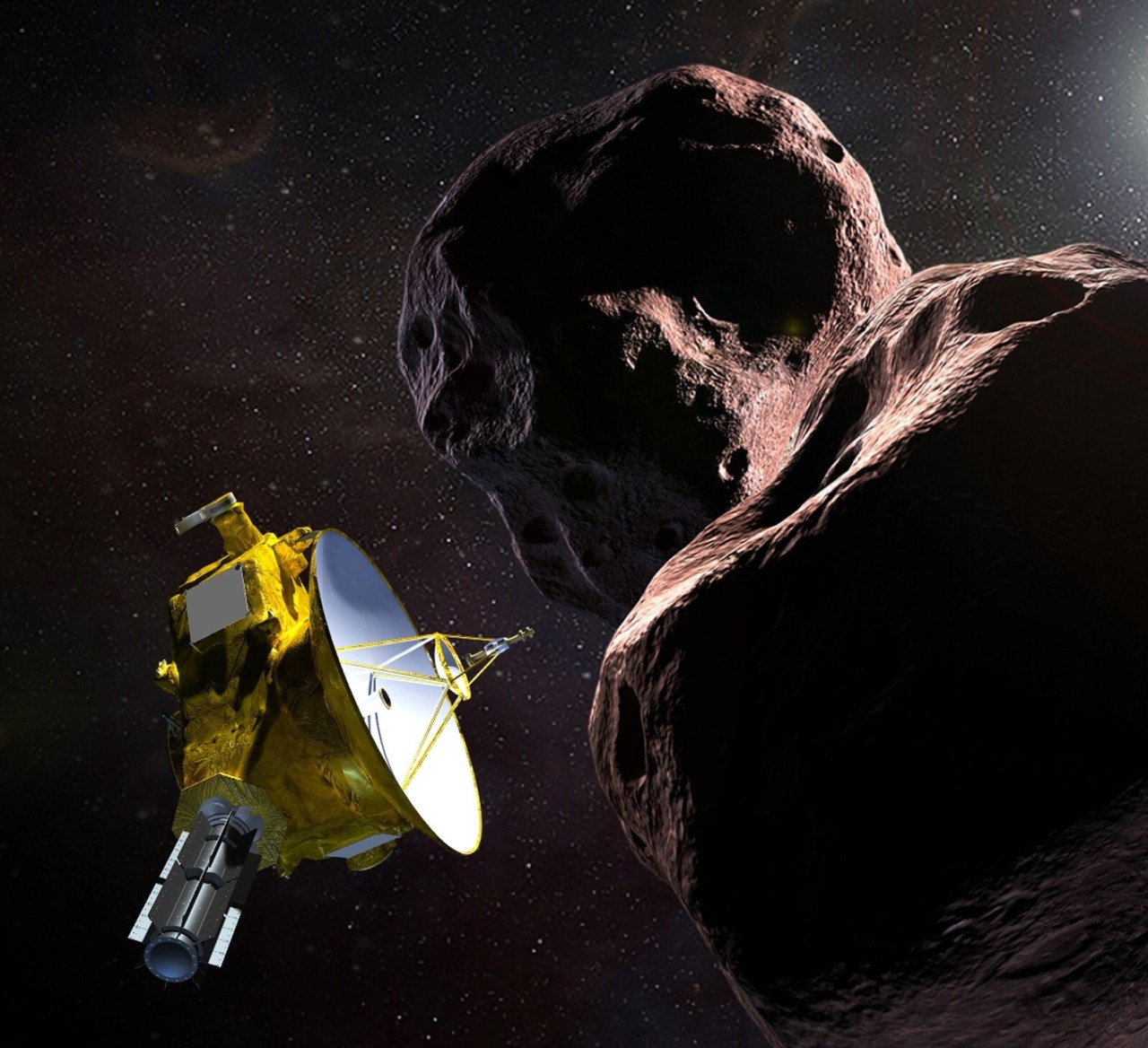
Anyway, by sheer chance, New Horizons happens to be close enough to grab some pictures of an object in the Kuiper Belt (which looks like KEW-per or KWEE-per but is actually pronounced KAI-per and is completely unrelated to former SF Giants player and current announcer Duane).
Ever wanted to see a peanut-shaped tiny rock (or rocks)
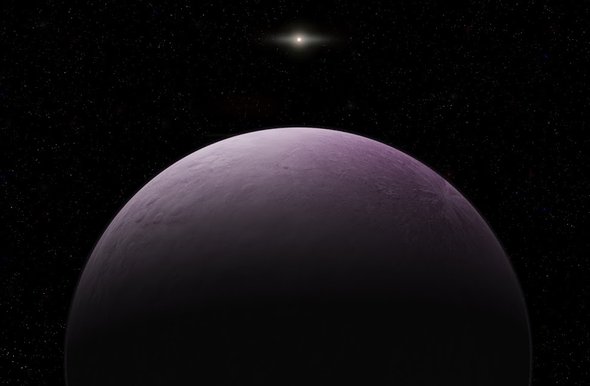
A newly discovered object is the most-distant body ever observed in the solar system—and the first object ever found orbiting at more than 100 times the distance from Earth to the sun.
Keep in mind this is in addition to several other dwarf planets — Eris, the “Goblin,” and Sedna. Oh, and of course Ceres (which is much closer than the others). And Pluto. Which used to be a “planet” and not a “dwarf planet” (I say COUNT THEM ALL! Planet / dwarf planet / who cares).
So why is 2018 VG18 important?
Because it adds to the existing body of knowledge indicating the possible existence of a mysterious “Planet 9” (which used to be Planet X before Pluto got demoted) — which still has not been actually observed (emphasis!) and yet is the source of endless internet hoaxes, influencing all the whackadoodles who think we’re about to be invaded by alien hordes and/or that the Nibiru Apocalypse is coming / has come / will have had already been coming repeatedly (the date keeps getting changed when the end fails to occur).

 Seek and ye shall find!
 M Thomas Apple Author Page