“WE will decide the fate of our Country – NOT some out-of-control, Radical Left AI company run by people who have no idea what the real World is all about,” Trump wrote.
Hmm. OK, what did this “Radical Left AI company” want?
US defense officials have pushed for unfettered access to Claude’s capabilities that they say can help protect the country, while Anthropic has resisted allowing its product to be used for mass surveillance or autonomous weapons systems that can kill people without human input.
The short story accused of violating the national security law, “Our Time,” is set in a dystopian 2050. It tells of an authoritarian future in which vast swaths of Hong Kong history have been erased from both the city’s structures and the public consciousness, and all aspects of life are subsumed under the Chinese Communist Party.
I’m not sure this is science fiction. Seems more like reality.
Every political entity wants power. When people resist being controlled, and they use a dialect or another form of the “official” language, those in charge try to eliminate the language of resistance.
When people write about a dystopian future in which they have no right to their own language, customs, ways of thinking and behaving, and political representation — and those in charge respond by banning the fiction — it really only shows the reality. And the reality is this:
Those in charge have small, frail, male egos that need constant stroking. Poor frail eggshell minds.
Language is power, because language is identity. Those in charge are always afraid of losing control over all three. And whenever they respond this way, they always get exactly the opposite of what they want.
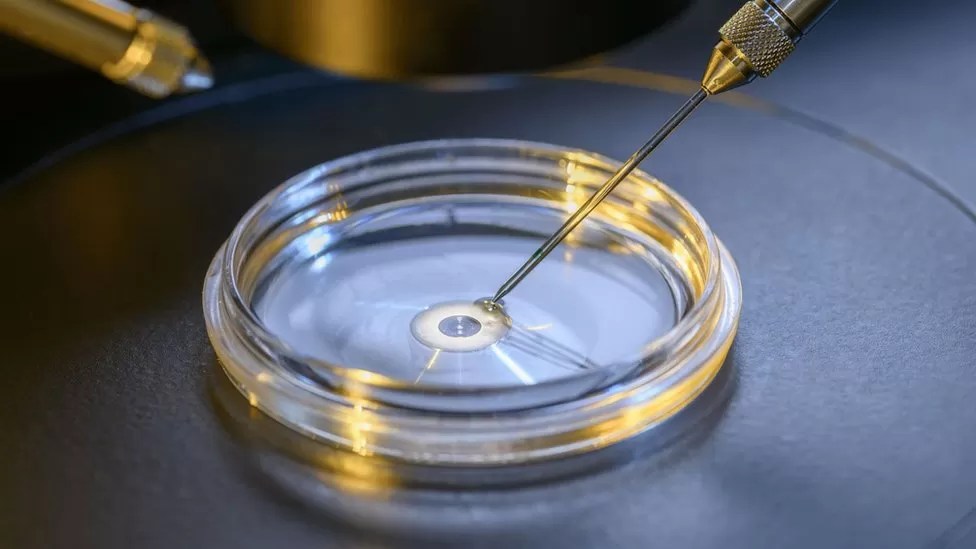
This is the first time that has been achieved using human material. Although, they are not truly “synthetic”, as the starting material was cells cultured from a traditional embryo in the laboratory.
Great, but…
She has already developed synthetic mouse embryos with evidence of a developing brain and beating heart.
Come on, BBC. I think you can see where this is going…
Meanwhile, scientists in China have implanted synthetic monkey embryos into female monkeys – although, all the pregnancies failed.
Yep. Straight to the monkey house.
Seriously, did scientists actually think this was not going to cause a whole lot of people to get upset all over again?
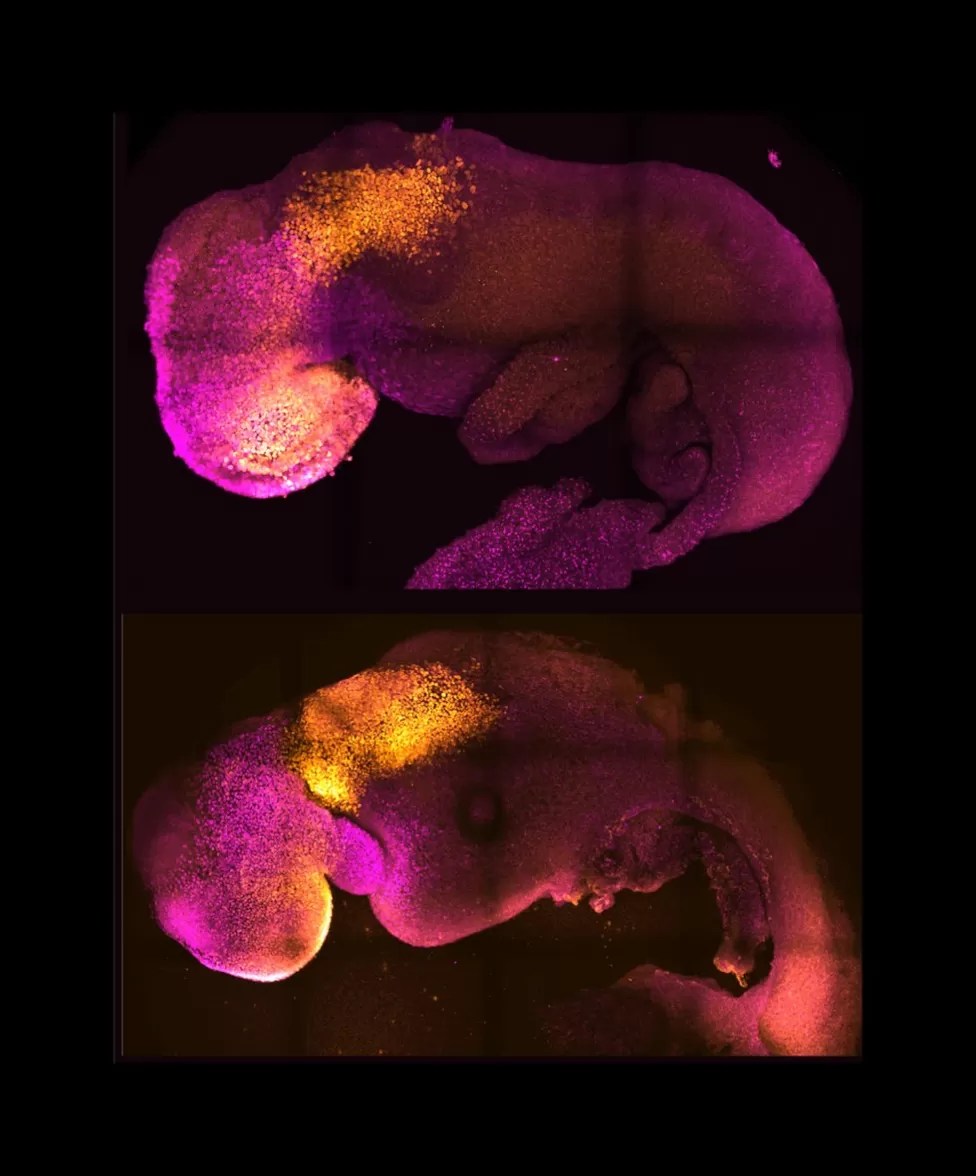
Natural embryo (top), synthetic embryo (bottom). They look pretty similar…
This may indeed be a good way to study infertility causes and how embryos develop, but even the possibility of creating an embryo from a stem cell should have set off warning bells. 14-day limit or not, somebody’s going to get really tempted to do something else with them…
I’m thinking up all sorts of SciFi stories from this…
“I’m less frightened by a Sydney that’s playing into my desire to cosplay a sci-fi story than a Bing that has access to reams of my personal data and is coolly trying to manipulate me on behalf of whichever advertiser has paid the parent company the most money.
“Nor is it just advertising worth worrying about. What about when these systems are deployed on behalf of the scams that have always populated the internet? How about on behalf of political campaigns? Foreign governments? “I think we wind up very fast in a world where we just don’t know what to trust anymore,” Gary Marcus, the A.I. researcher and critic, told me. “I think that’s already been a problem for society over the last, let’s say, decade. And I think it’s just going to get worse and worse.”
[ChatGPT] could teach his daughter math, science and English, not to mention a few other important lessons. Chief among them: Do not believe everything you are told.
They’re all the rage online. Type in a request for a description how two historical people who never actually met would respond to each other had they actually met, and the program will oblige.
They’ll cause all sorts of rage online, too, once the peddlers of incessant false news and innuendo realize what a bonanza they’ve stumbled upon.
You want an image of an event that never really happened?
No problem. A program can generate one for you. We can even call it “art,” for what that’s worth.
No, BIG problem, especially when it convinces the gullible that it DID happen.
“Embedding a similar type of computer in a soldier’s brain could suppress their fear and anxiety, allowing them to carry out combat missions more efficiently.”
Sounds like science fiction, but it’s pretty close to reality. BCI (brain computer interface) is being tested in patients who lack muscle control but imagine if this tech gets weaponized (and what hasn’t been, eventually).
But what if BCI were used to suppress emotions in a healthy brain? Or used to implant thoughts? Or worse?
“…if a BCI tampers with how the world seems to a user, they might not be able to distinguish their own thoughts or emotions from altered versions of themselves…”
(same website as above…note that the PC version of WordPress does not do “quotations” correctly any more…)
PKD fans will instantly recognize this.
Androids don’t just dream of electric sheep. 🐑
(Fans of Ghost in the Shell and more importantly its movie sequel Innocence should also recognize the potential hacking danger…imagine if the government could control our emotions, thoughts, and memories…)
…there has been a serious erosion of the tradition of skeptical inquiry, of vigorous challenging of government leaders, of public exposure of what the government is actually doing, rather than mere pomp and rhetoric. And it is in this area—skeptical scrutiny, public exposure—where the largest strides, in my opinion, are needed.





 M Thomas Apple Author Page