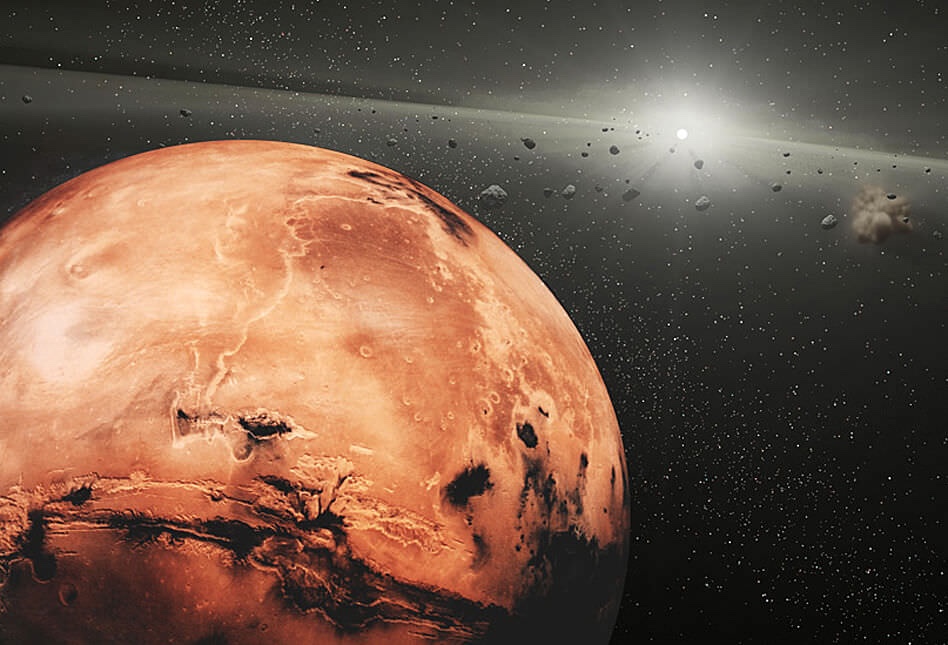
“Without this instability, Mars likely would have had a mass closer to Earth’s and would be a very different, perhaps more Earth-like, planet compared to what it is today.”
Damn you, Jupiter and Saturn! Why couldn’t you have just stayed in your orbits and left Mars alone? (Shakes fist futilely at night sky.)
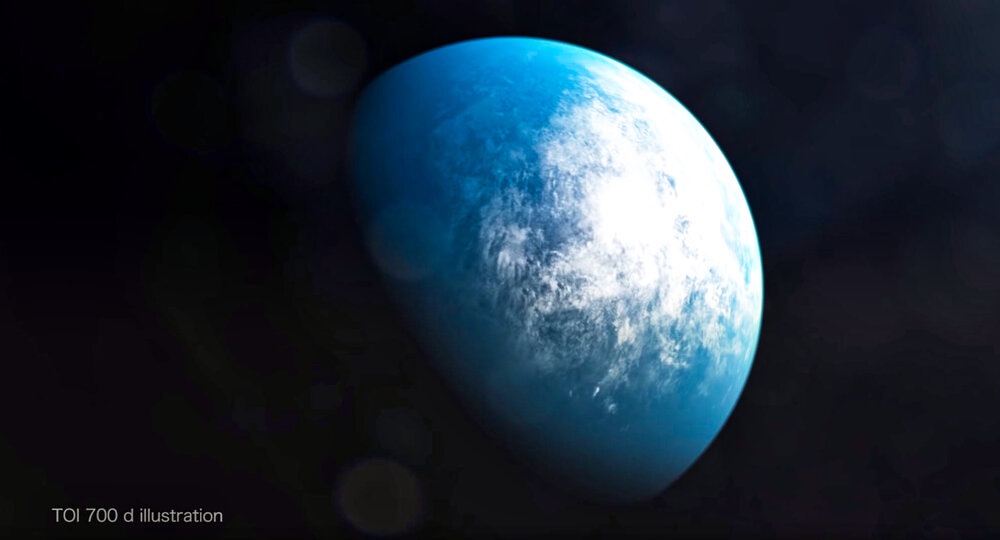
The newly discovered exoplanet, called TOI 700 d, is located about 100 light-years away from us and is roughly 20% larger than Earth.
Okay, not exactly close, but looking good…
A year on TOI 700 d takes 37 days.
Um. Wait. What?
One thing astronomers have discovered though is that TOI 700 d is tidally locked to its star, which means that one half bathes in eternal sunlight, and the other half always exists in darkness.
Oy.
And even better…
One of the burning questions is whether the planet has an atmosphere or not.
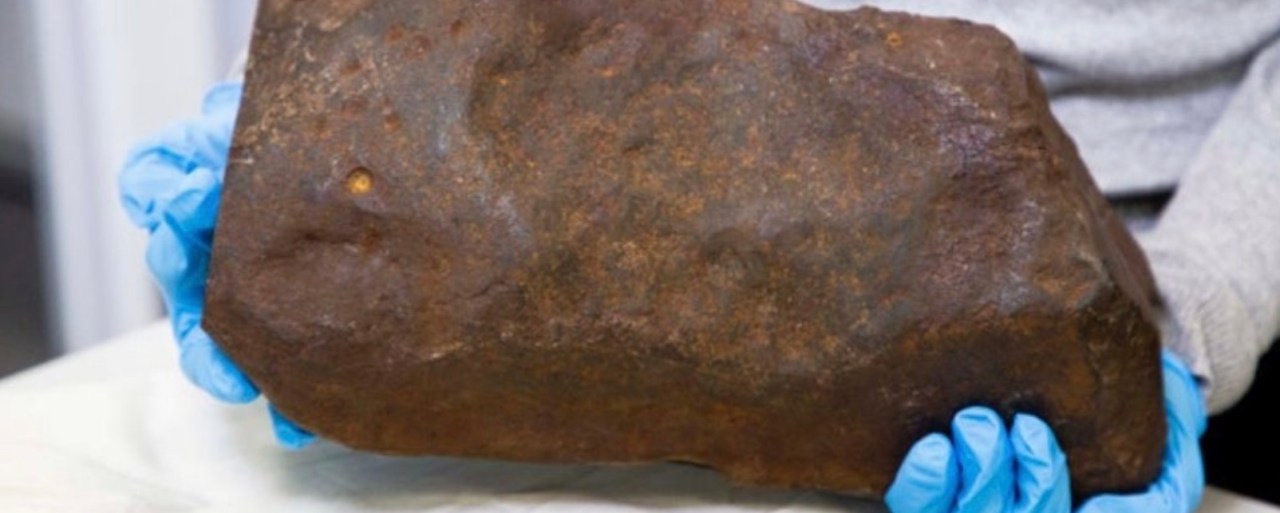
If you find a big rock in your backyard, and you can’tbreak it open with normal tools, guess what?
The researchers argue that the Maryborough meteorite is much rarer than gold. It’s one of only 17 meteorites ever recorded in the Australian state of Victoria, and it’s the second largest chondritic mass, after a huge 55-kilogram specimen identified in 2003.
This next bit is more interesting to me:
“Other rare meteorites contain organic molecules such as amino acids; the building blocks of life.”
Do they have atmospheres and how thick are they? What kind of clouds? Do they possess oceans on their surface? Do they have rings and moons? Cheops ought to be able to address such questions just from looking for these tiny dips in light during a transit.
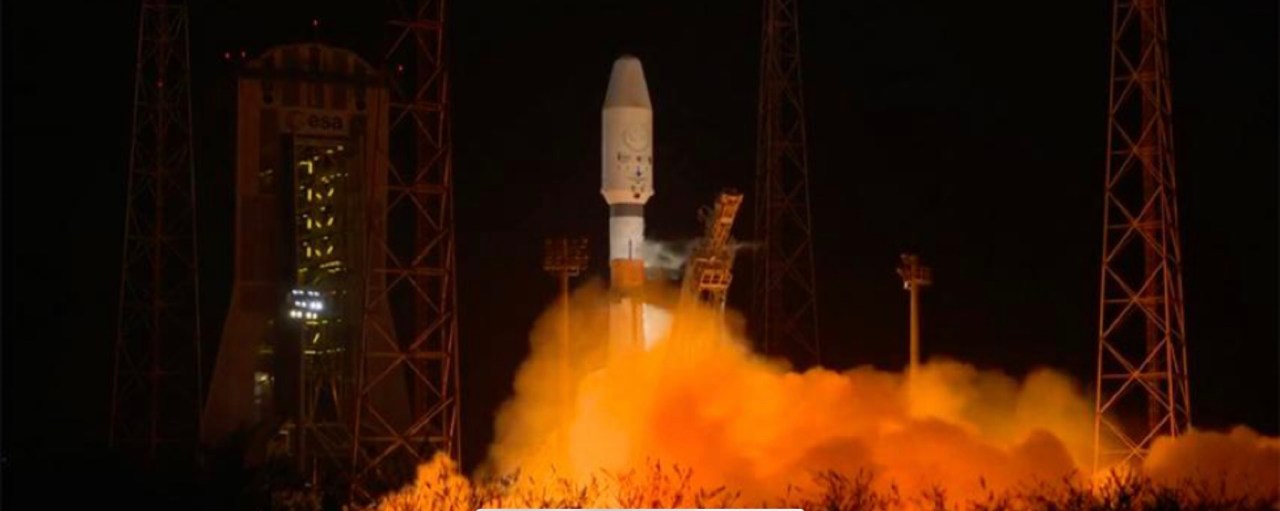
ESA finally does something! Wow. Go Europe!
I love how BBC says “The Americans” when referring to NASA, as if a) American is an ethnic group and b) all NASA scientists are American.
But anyway…
Prof Didier Queloz, who won this year’s Physics Nobel for discovering the first planet orbiting a Sun-like star in 1995, was on hand to watch the launch.
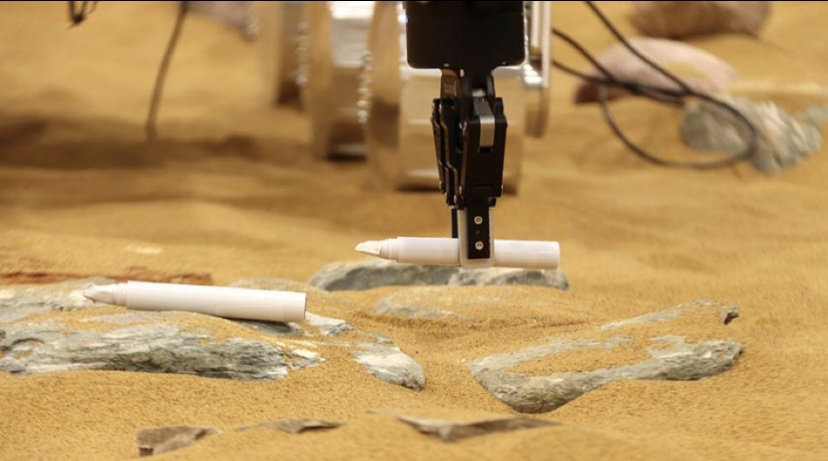
Right now, engineers have got a dummy rover practising the business of retrieving packaged rock samples. And, yes, the stand-ins really are whiteboard markers.
Yay! Whiteboard markers. Um. OK.
But different agencies and companies are finally working together?
Great!
Wait. What’s the catch?
It is, though, going to take more than a decade to achieve.
The “Every Muscle Suit” has a lot going for it. Weighing just 3.8 kilograms (2.2 pounds), the pneumatic artificial muscle suit is powerful enough to generate up to 25.5 kilogram-force andeffectively relieves pressureon users’ backs when performing activities like heavy lifting.
And no batteries. That’s right: it uses air pressure only. Sells for the low low price of ¥149,600 (US$1,380)!
Well, OK, it’s not cheap. But compared to the robots used in heavy industries, this one’s close to affordable. And you can even test-run at the Bic Camera store in Shinjuku, Tokyo.
No mention of mounted laser rifles yet, though. Sorry.
Future moon settlers might benefit from oxygen extraction from lunar regolith as it can be used to create breathable air as well as a source for fuel. In addition, the newly found extraction method might also be useful for Mars colonization.
Regolith covers the Moon and Mars (and presumably many other potentially habitable rocky bodies).
Of course, the composition of regolith on the Moon differs from that of Mars.
But if the new method can extract sufficient quantities of both oxygen and hydrogen, there should be ample amounts for both human usage and rocket fuel.
(Yawn.) “Dry” science? Sure. But think of the (fictional) possibilities!
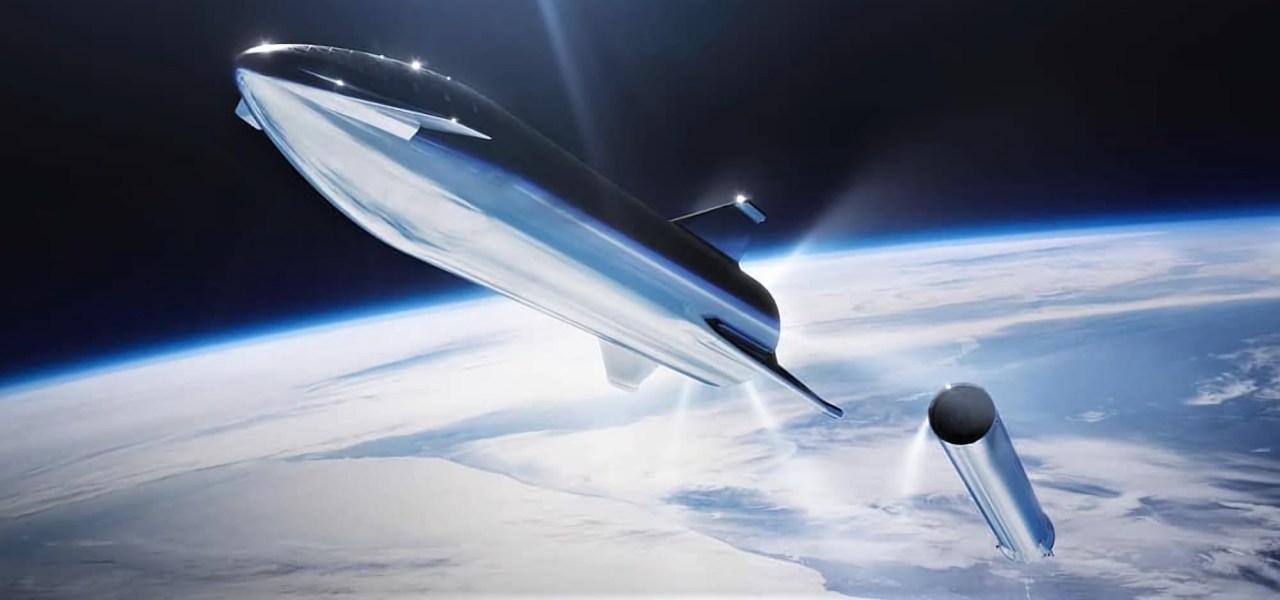
Youtubersmallstarshas proposed a concept that he calls theGravity Link Starship(GLS), a variation of SpaceX’sStarshipthat will be able to provide its own artificial gravity.
Hm, I guess we’re at the point where YouTubers have better ideas than NASA…
But who pays for this? is the several billion dollar question. Not just the construction of the “hub and truss” system, but the expense of getting it into space in the first place.
Seems like science fiction at this point. But still worth a read/look:





 M Thomas Apple Author Page