The story of the last 20 years of pop culture is, in many ways, the Victory Of The Nerd: Comic book films, gaming adaptations, the general adoption of deeply nerdy genre trappings like time loop stories, superheroes, and more, all making billions of dollars at the box office as geek obsessions infiltrate the body mainstream.
I finally managed to get 1st edition copies of the famed Star Trek Readers, published in the late ’60s and early ’70s. My mother had copies when I was a kid, and they were among the first fictional stories I ever read.
The content varies slightly from the broadcast episodes, which apparently drew the ire of fans at the time. In defense of the British writer James Blish, he had not seen the episodes at the time of writing and was relying entirely on the scripts. As he himself wrote as an “Afterword” that appears (naturally) in the middle of the Reader II book, adapting script to prose is just as hard as adapting prose to scripts. Some scenes were skipped and dialogue boiled down to help the flow of the narrative, and fans were often upset to discover their favorite lines didn’t appear in the books.
The confusing part is the arrangement of each Reader into “books.” For example, Reader I (which has no label “I,” actually) consists of “Star Trek 2” (called “Book I”), “Star Trek 3” (Book II), and “Star Trek 8” (Book III). That reflects the original paperback publications by Bantam, but just makes things difficult. As a kid, I had no idea which episodes came before which. Not that it mattered! This was the first show I saw “in living color” — in the “TV room” of my grandparents’ house (we had a small black and white TV at home in the mid to late ’70s, so I never saw “The Incredible Hulk” (Bill Bixby and Lou Ferrigno) in color.)
All told, 59 of the original 79 ST: TOS episodes were adapted by Blish. Of the twenty not appearing in the Readers, “Mudd’s Women” and “What Are Little Girls Made of?” are odd exclusions. “Shore Leave” (the most childish of the first season episodes) is also not there. But there are still plenty to satisfy.
Two episodes were renamed by Blish for some reason; “The Man Trap” — the first episode broadcast but the third episode made — was renamed “The Unreal McCoy” (which gives away the plot), and “Charlie X” was renamed “Charlie’s Law.” The original pilot, “The Cage,” appears under the name “The Menagerie” as it was later broadcast (in two parts as part of the court martial of Spock, in which Star Trek characters watch Star Trek, but the novelized version omits the court martial framework — the “Afterword” comments that this script was covered in handwritten rewrites, making it difficult to work with.)
Most satisfying of all is the snarky dedication of Reader II — “To Harlan Ellison who was right all the time.”
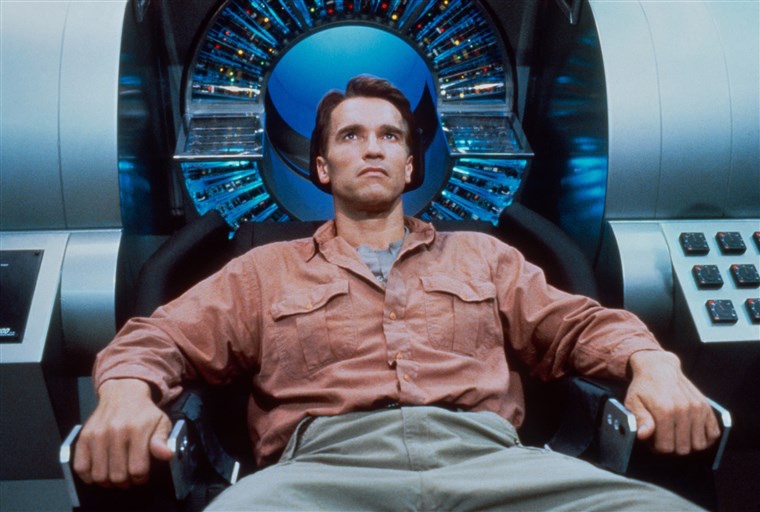
Sometimes I wish I could put my thoughts directly onto paper. I think all the time, about everything…I see pictures in my head, pictures of my past — exact details of what I saw and experienced. Déjà-vu often occurs to me. It’s strange, that feeling of already having been someplace. Sometimes I can tell what’s going to happen in a matter of minutes. I can’t stand things like that — they send chills up my spine.
“This show will combine Disney’s magic and animation expertise with Kugali’s fire and storytelling authenticity. Iwájú represents a personal childhood dream of mine to tell my story and that of my people.”
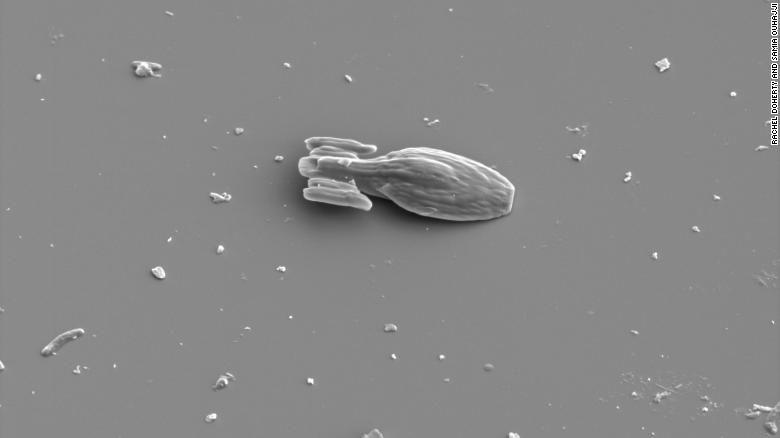
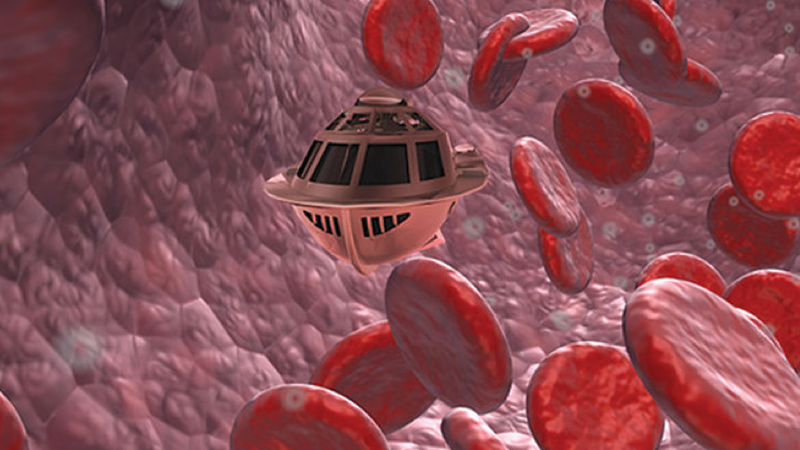
“By studying synthetic microswimmers, we would like to understand biological microswimmers,” Samia Ouhajji, one of the study’s authors, told CNN. “This understanding could aid in developing new drug delivery vehicles; for example, microrobots that swim autonomously and deliver drugs at the desired location in the human body.”
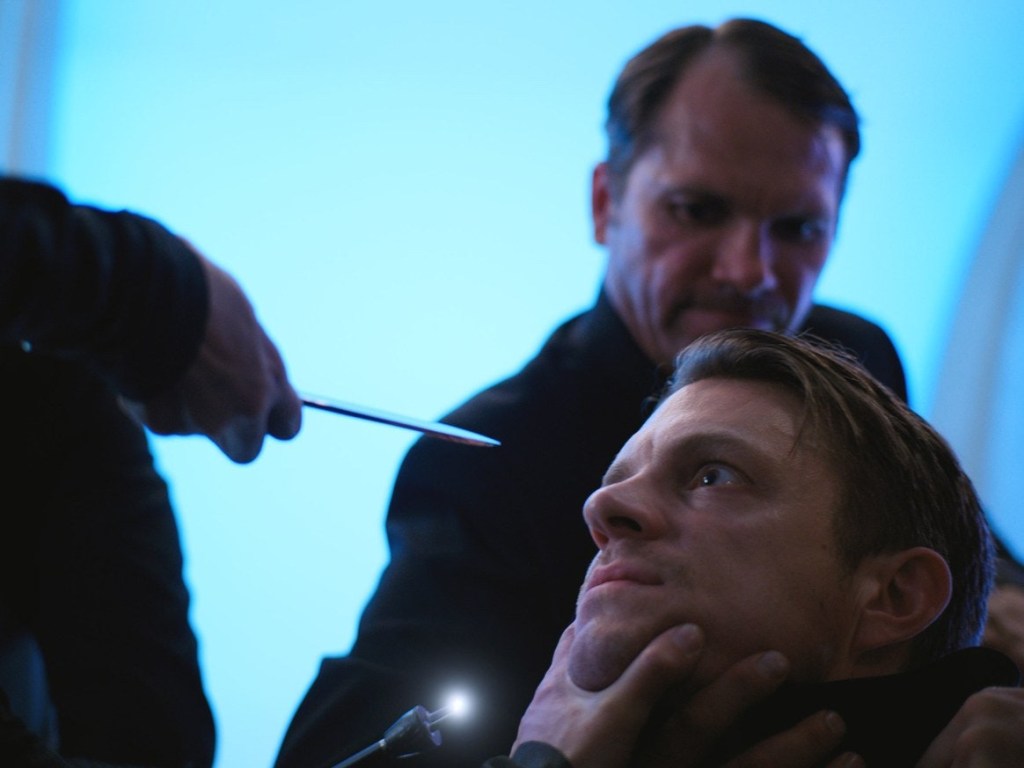
“But decoding and storing memories raise a new set of ethical, moral and legal questions. For instance, who would own these memories after a person has died? Could the police obtain warrants to search through memories? Given that memory itself isn’t completely reliable, could memories be used in lawsuits? How could we ensure that unscrupulous professionals don’t sell or share them?”
Hm, I think I can see another direction this might eventually take…
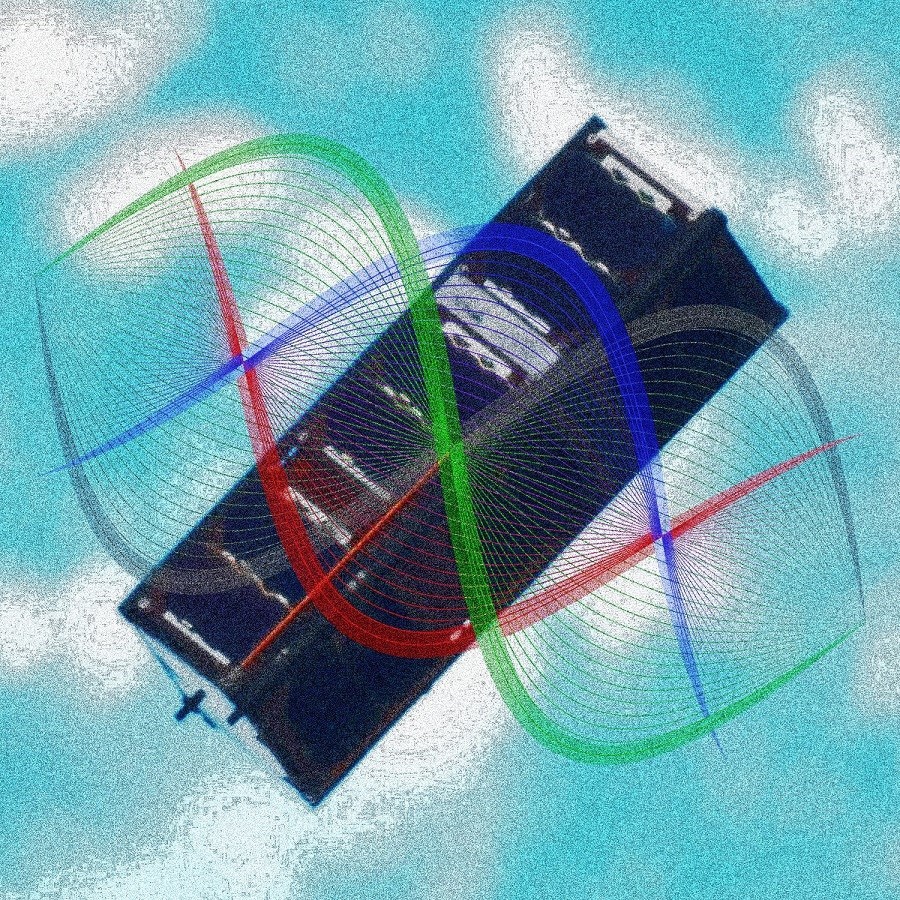
“In the future, our system could be part of a global quantum network transmitting quantum signals to receivers on Earth or on other spacecraft,” says Aitor Villar, lead author of the study. “These signals could be used to implement any type of quantum communications application, from quantum key distribution for extremely secure data transmission to quantum teleportation, where information is transferred by replicating the state of a quantum system from a distance.”
OK, OK, so it’s not the first time quantum entanglement has been demonstrated. But it sure is the smallest. Only 20 cm by 10 cm!
Now we only need a few thousand of these things and a way of somehow making tangled photons actually carry encrypted messages…
(Sorry, thinking of the SF novel I should have published by now…still figuring out the last two chapters!)
See more at New Atlas (note: I seriously doubt the CubeSat actually looks like that picture when it’s doing its thing).






 M Thomas Apple Author Page