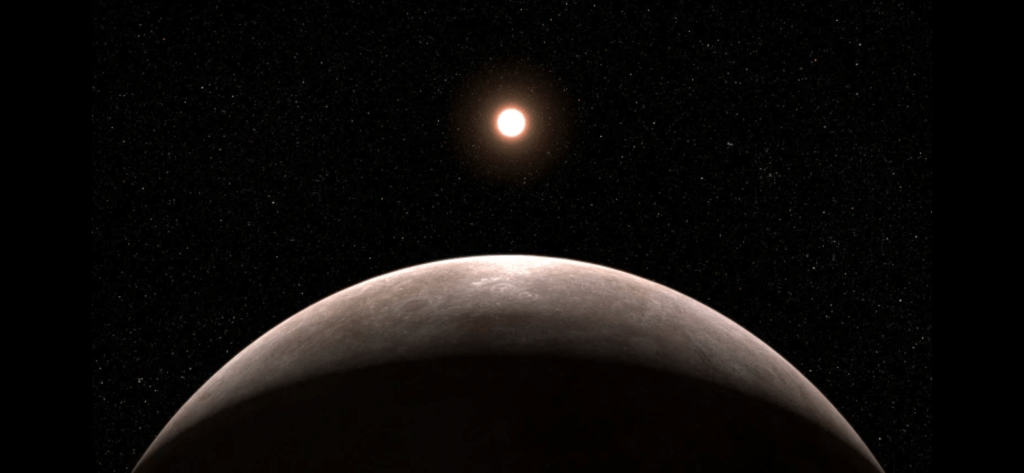
The finding demonstrates how the observatory could be used to search for potentially habitable planets in the cosmos and examine the chemical makeup of their atmospheres.
LHS 475b is 41 light years away, orbiting a red dwarf star in the Octans constellation (one of a few “modern” constellations only seen in the deep southern hemisphere).
Webb can even detect the presence of atmospheres, though given LHS475b has an orbit of two days and is a “few hundred degrees warmer than Earth,” it’s unlikely it’ll find much with this exoplanet.
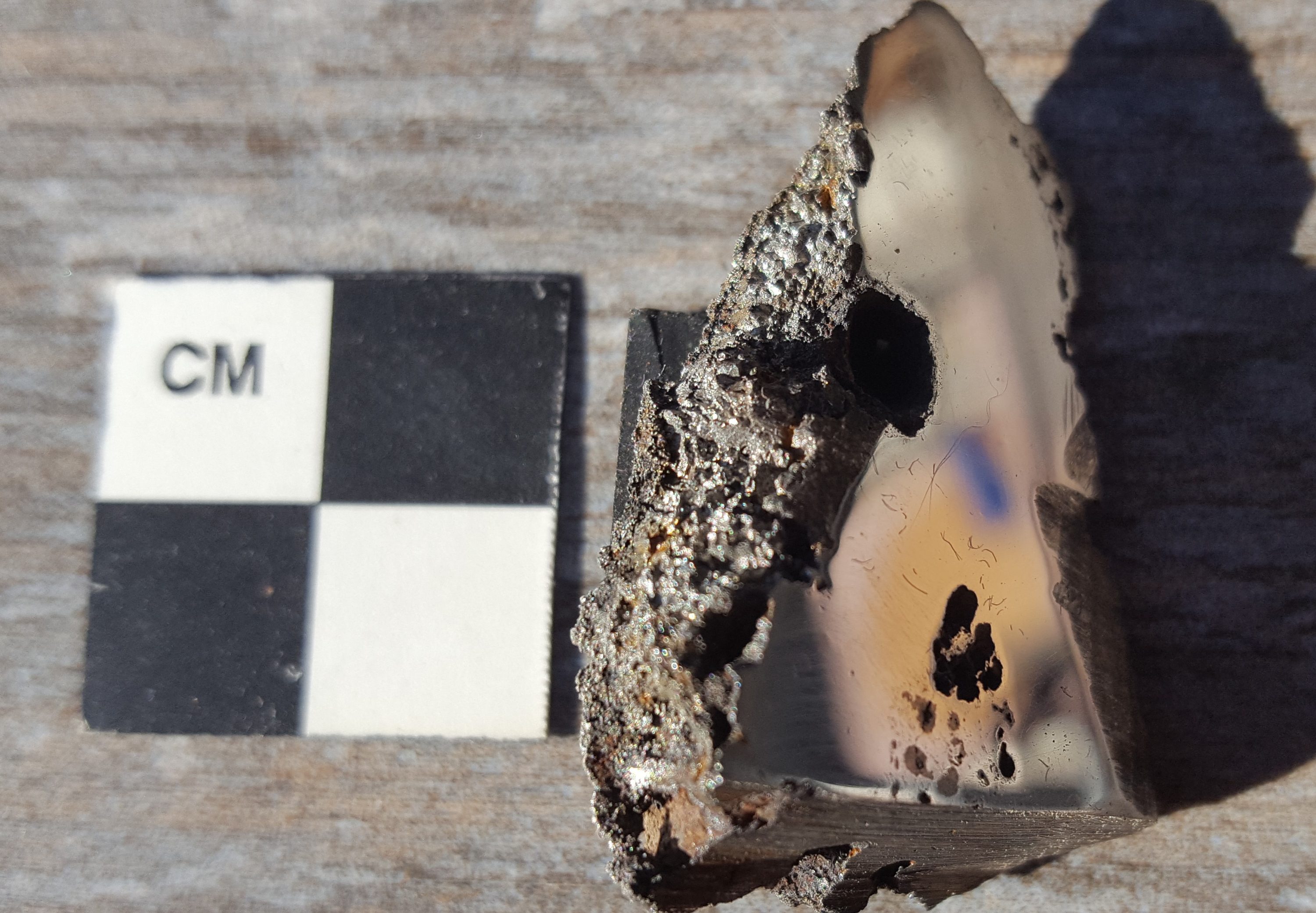
Canadian researchers said the rock was found in rural Somalia two years ago, but locals believe it is much older.
They call the stone Nightfall, and say it is documented in poems, songs and dances that stretch back five generations. It is used today to sharpen knives.
The “new” rock is apparently a meteorite that fell to Earth at least 100 years ago (or more, depending on how you define a “generation”). The two newly-identified minerals are being called “elaliite” (after El Ali, Somalia) and “elkinstantonite” (after NASA planetary evolutionary expert Lindy Elkins-Tanton).
And there’s still one more as-yet-unidentified mineral in the 70-gram rock fragment at the U of Alberta (the original is about 15 tons, and is reported to be the 9th largest such meteorite to have survived entering the Earth’s atmosphere). These three minerals evidently do not exist naturally on Earth. Makes you wonder how many other such minerals are still floating around in space.
And of course, how they might be used to make incredibly strong yet flexible spacecraft materials. (FWIW NASA was already talking about “new” materials such as carbon nanotubes and self-healing piezoelectronic “skins” some twenty years ago…)
Now, maybe it’s just me, but I have a feeling that a 15-ton rock falling into the desert would have raised all sorts of hell. At least locally. Nothing like a 143,000 ton rock, of course. Is there really no record of this thing falling out of the sky? Maybe it’s time to talk to non-European communities and to take their oral legends a bit more seriously.
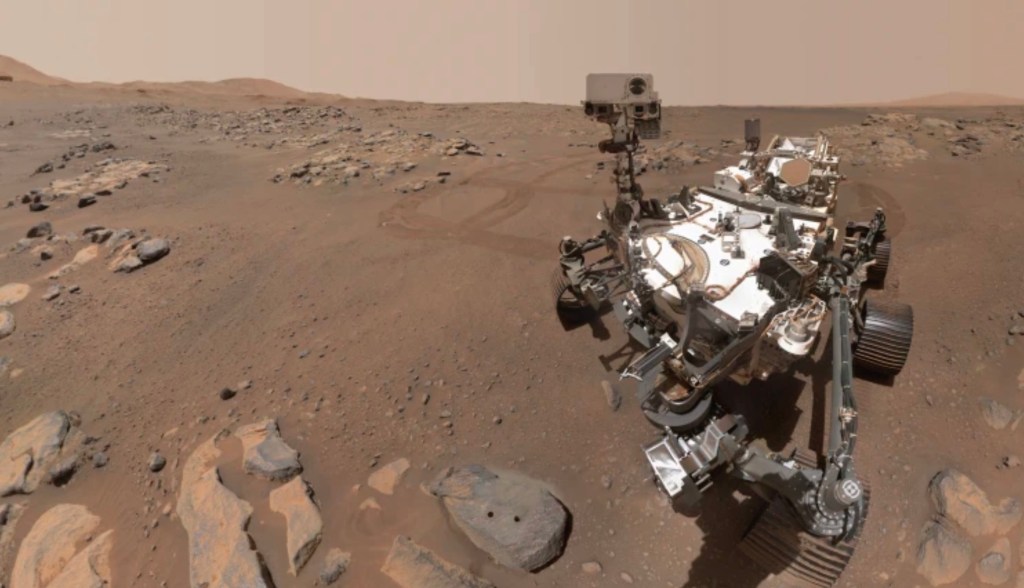
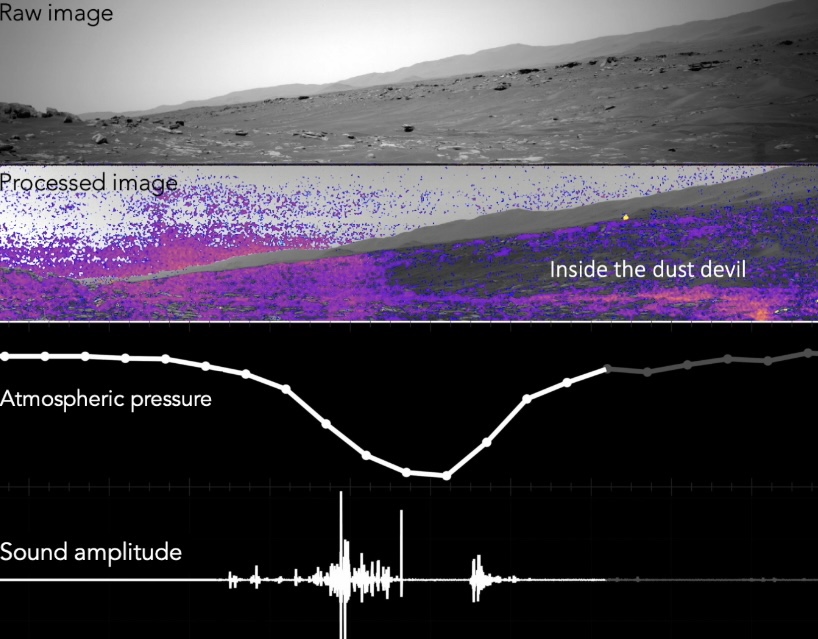
It was “definitely luck” that the dust devil appeared when it did, said the study’s lead author, who estimates there was just a 1-in-200 chance of capturing the audio.
Perseverance has been on Mars for almost two years now, and already recorded wind on Mars for the first time in February 2021.
This dust devil was recorded in late September 2021 (wonder why only now it’s being revealed?). The dust devil was “average size,” which is described as about 400 feet / 122 meters tall and 80 feet / 24 meters wide, traveling at 16 feet / 5 meters per second (≈ 11 mph / 18 mph).
UPDATE. NBC incorrectly reported in the above linked article that the dust devil was recorded by Perseverance. It was actually recorded by InSight, which has just fallen silent after four years of operation. Sigh. I should get science news directly from the source and not from unreliable “news” sites.
There are a lot of dust devils on Mars. A whole lot. Any settlement would have to be extremely prepared to deal with dust all the time, everywhere. If it ever got into equipment that regulated, say, breathable air inside habitats…
I’ve been testing ChatGPT over the last couple of days. (If you don’t know what this chatbot is, here’s a good NYT article about ChatGPT and others currently in development.)
The avowed purpose of ChatGPT is to create an AI that can create believable dialogues. It does this by scouring the web for data it uses to respond to simple prompts.
By “simple,” I mean sometimes “horribly complicated,” of course. And sometimes a little ridiculous.
Somehow, I doubt that people in the US said “livin’ the dream” in the ’50s…
As has been pointed out, chatbots only generate texts based on what they have been fed, i.e., “garbage in / garbage out.” So if you push the programs hard enough, they will generate racist, sexist, homophobic etc awful stuff — because unfortunately that kind of sick and twisted garbage is still out there, somewhere online in a troll’s paradise.
So far, I have asked the program to:
Write a haiku about winter without using the word “winter”
Write a limerick about an Irish baseball player
Write a dialogue between God and Nietzsche (I just had to…)
Imagine what Jean-Paul Sartre and Immanuel Kant would say to each other (see above) but using US ’50 slang
Have Thomas Aquinas and John Locke argue about the existence of God (that one was fun)
Write a 300 word cause-effect essay about climate change
Write a 300 word compare and contrast essay about the US and Japan
Write a 1000 word short science fiction story based on Mars
Write a 1500 word short science fiction about robots in the style of Philip K Dick
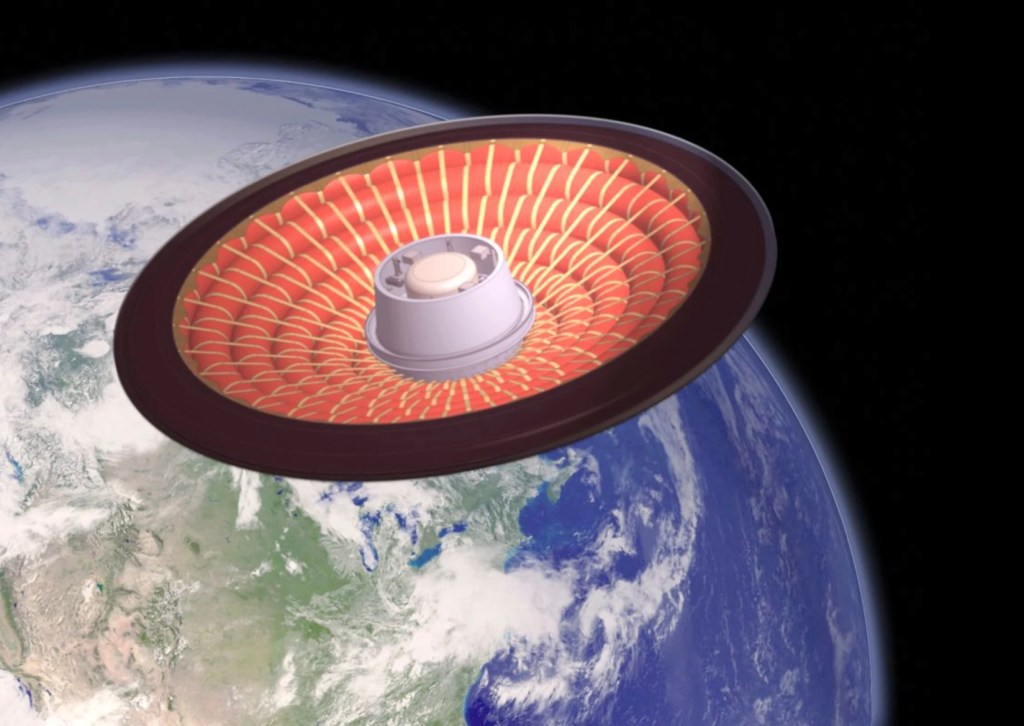
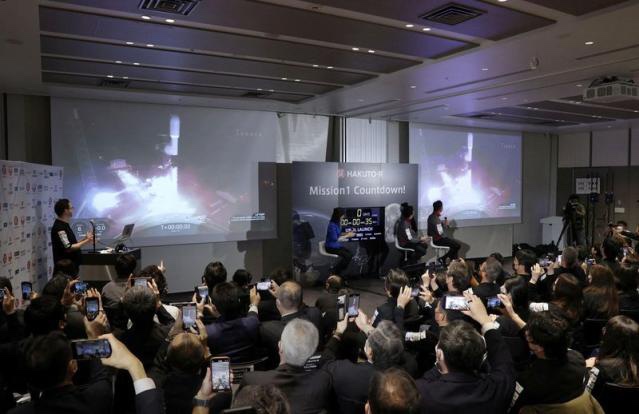
A Japanese start-up (I.e., a small private company)…
using a SpaceX rocket (I.e., a private company owned by the world’s wealthiest pri…er, person)…
sends up a small craft made in Germany… 🇩🇪
along with the Rashid rover (made by the UAE)…
and “a two-wheeled, baseball-sized device from Japan’s JAXA space agency”…
and somehow this is cooperation between the US and Japan versus China and Russia?
I’m not seeing it. The project may have used a NASA launchpad, but the people are charge (and the ones paying for it) are not part of any national government.
And I have a feeling this is the wave of the future. More and more private companies will get involved in space projects as they realize that they can thus ignore politics and aim at profits.
I, for one, welcome our future corporate overlords…
“Find my ebooks and a wide collection of great indie titles as part of the Smashwords 2022 End of Year Sale! Check out https://smashwords.com/shelves/promos before the end of the month and follow @smashwords for more promos like this! #SmashwordsEOYSale #ebook #sale #books2read #indiebooks”
(I swiped this from the Smashwords promo site as a “generic blurb.” But what else, really, do I need to write?
All my ebooks on Smashwords are “50%” off! That means the books that are listed as $0.99 are actually free, since they don’t do $0.49.
And don’t forget that all proceeds from Destiny in the Future are donated to fight cancer.
[ChatGPT] could teach his daughter math, science and English, not to mention a few other important lessons. Chief among them: Do not believe everything you are told.
They’re all the rage online. Type in a request for a description how two historical people who never actually met would respond to each other had they actually met, and the program will oblige.
They’ll cause all sorts of rage online, too, once the peddlers of incessant false news and innuendo realize what a bonanza they’ve stumbled upon.
You want an image of an event that never really happened?
No problem. A program can generate one for you. We can even call it “art,” for what that’s worth.
No, BIG problem, especially when it convinces the gullible that it DID happen.