Bringer of Lightholds appeal for its imaginative setting and thought-provoking themes. Readers who appreciate a blend of speculative technology and introspective musings on the universe will find this book a stimulating read…For fans of science fiction, M. Thomas Apple’s novel offers a glimpse into a future filled with wonder and complexity.
This time I figured out how to import the slides directly into mmHmm, and I managed to update my MacOS to Sonoma, which allowed me to use my USB mic (yay). But I also called Ceres a “moon” at some point (it’s not a Moon but a dwarf planet in the asteroid belt near Mars). Oops. Not enough time to edit that bit out or record it again, so just word to the wise! Always fact-check videos, folks. Enjoy!
This time I tried “mmhmm” studio. Some bumps and bruises, but managed to survive!
Oh, and it doesn’t really have a “pronunciation guide.” Oops. The names (I thought) were fairly easy to pronounce. (Weng is not “wehng” but more like “wong,” or even “wung,” but otherwise straightforward…)
A robotic spacecraft made history Thursday becoming the first privately built craft to touch down on the lunar surface, as well as the first American vehicle to accomplish the feat in more than 50 years.
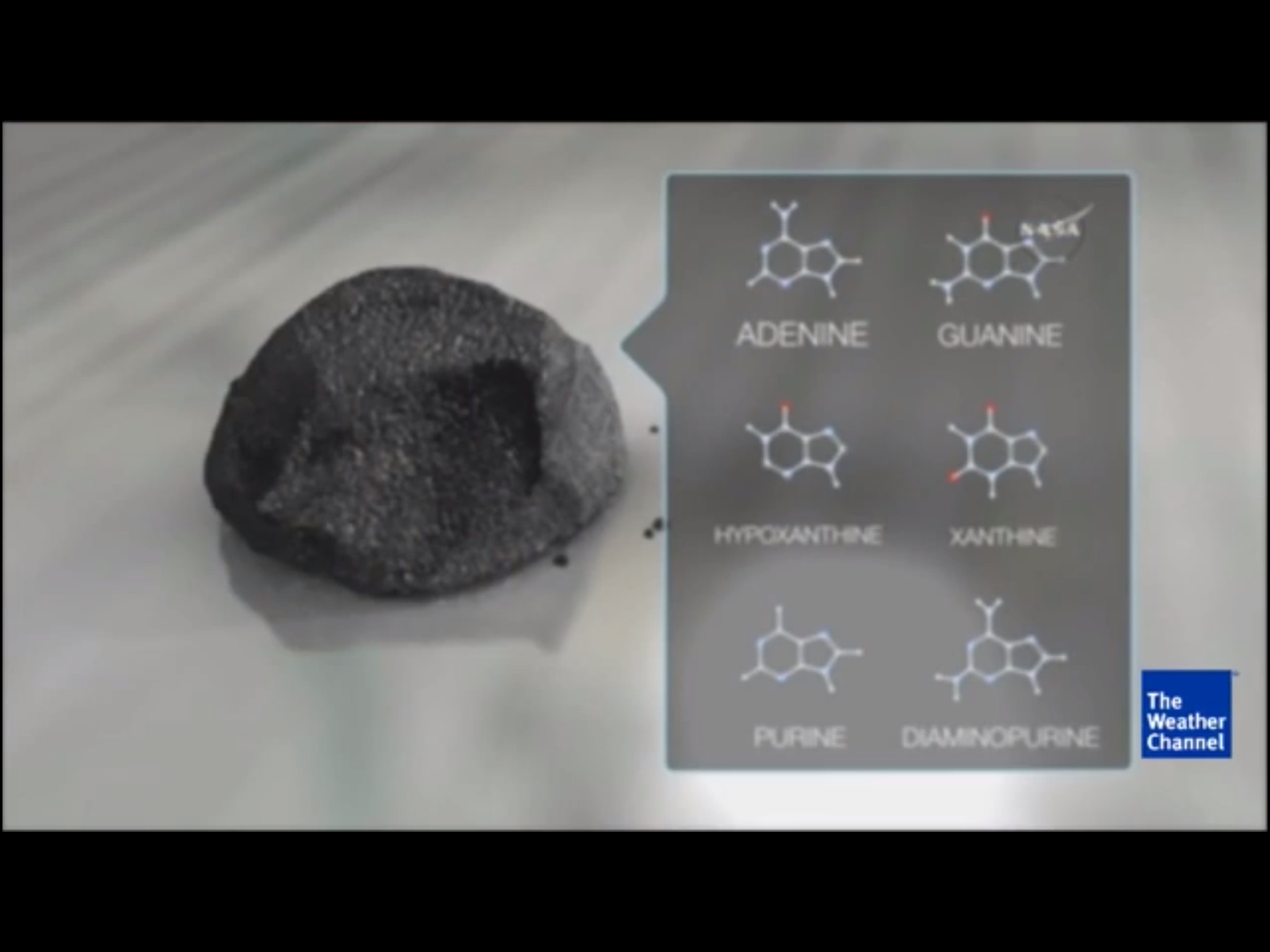
It’s also thought that water on Earth is largely (or entirely) the result of comets and asteroids bombarding it (it remains debatable to what degree Earth already had water, but since when it formed the Earth was first molten lava and then dry as a bone, I think it far more likely that water came here from elsewhere, and science tends to agree).
I’ve already blogged about the origins of Bringer of Light, when I (finally) finished the first draft back in early September. In a sense, I’ve been constantly blogging the science behind the story.
But I haven’t discussed the characters at all. And despite what some old-fashioned writers may think (just finished a particularly badly-written snarky “why your books don’t sell” piece of trash that claimed science fiction shouldn’t have any emotions in it…say what? sorry not sorry), if the characters of a story aren’t interesting, there isn’t much point in reading a story.
So for the next couple of weeks, I’ll write a bit about the characters — the crew of the Artemis, the crew of the Sagittarius, the UN flunkies (sorry, career politicos) on Mars and Luna and so forth. There are lots of characters, and their interaction is complicated. Or is it?
I would get into my scifi influences at this point, but long blogs are slogs. So I’ll come back to that tomorrow!
Coffee time. Also to finish up at least one unrelated project and also the hardcover manuscript (which needs to be a different paper size than the paperback for some reason).
The moment we’ve all been waiting for is nearly here!
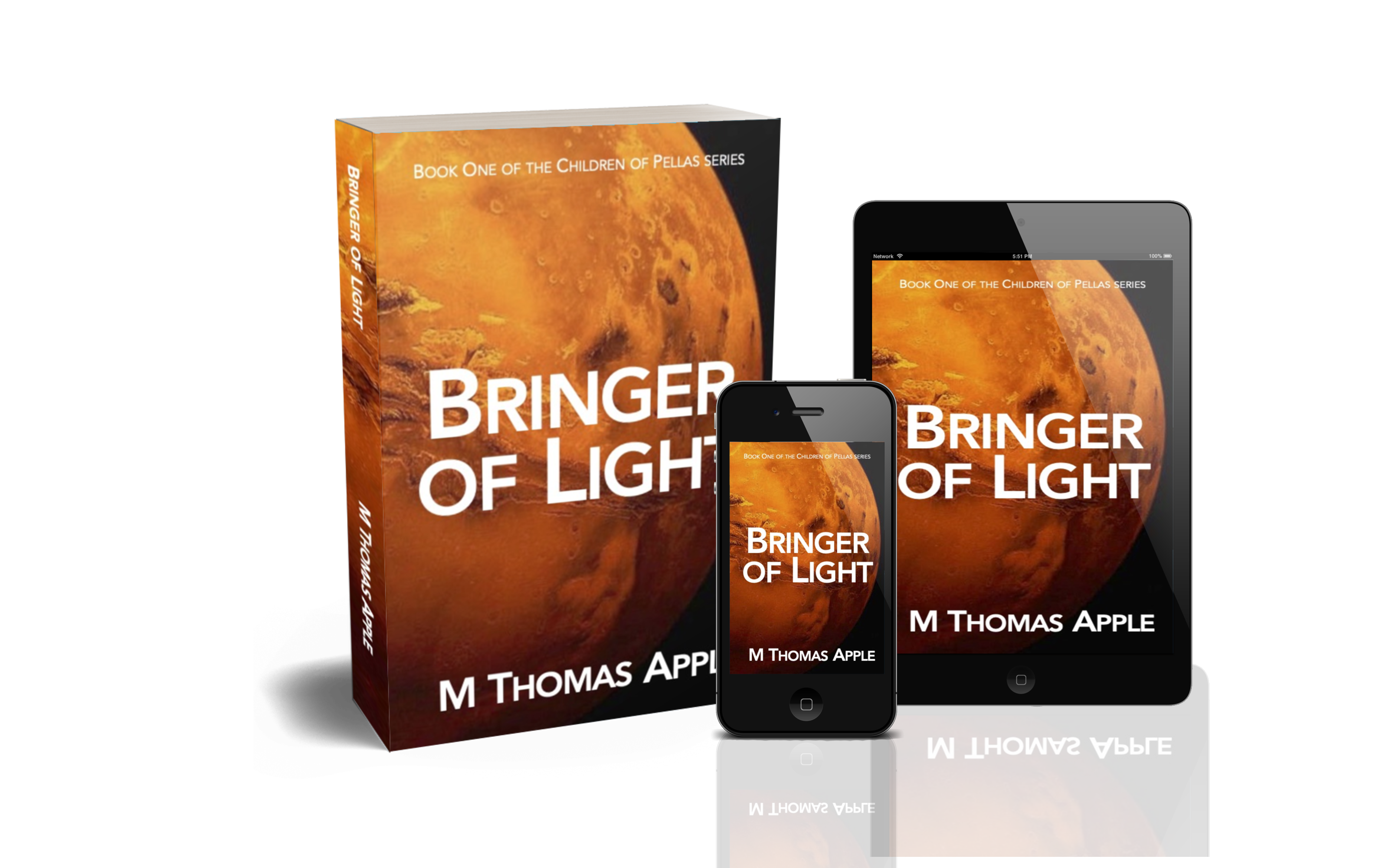
Bringer of Light is finally set to be released on March 15, 2024! (Click the link to see a book synopsis and two brief excerpts; Smashwords also has an excerpt from the beginning chapters.)
Stop by Draft2Digital to see links to your favorite bookstore online!
UPDATE: I have some difficulty convincing D2D to distribute to Amazon. Therefore, I have decided to publish Bringer of Light directly on Amazon. Stop by here to order for Kindle (released March 15th). Paperback and hard cover are also in the works.
Mimas, the smallest and innermost of Saturn‘s major moons, is believed to generate the right amount of heat to support a subsurface ocean of liquid water
But it demonstrates the fact that water may in fact be common in space, opening the possibility of finding life on celestial bodies with older (much older) water sources.
(FYI: Mimas orbits Saturn once every 22 hours, and is affected by tidal forces from Saturn that appear to have melted part of its icy surface.)
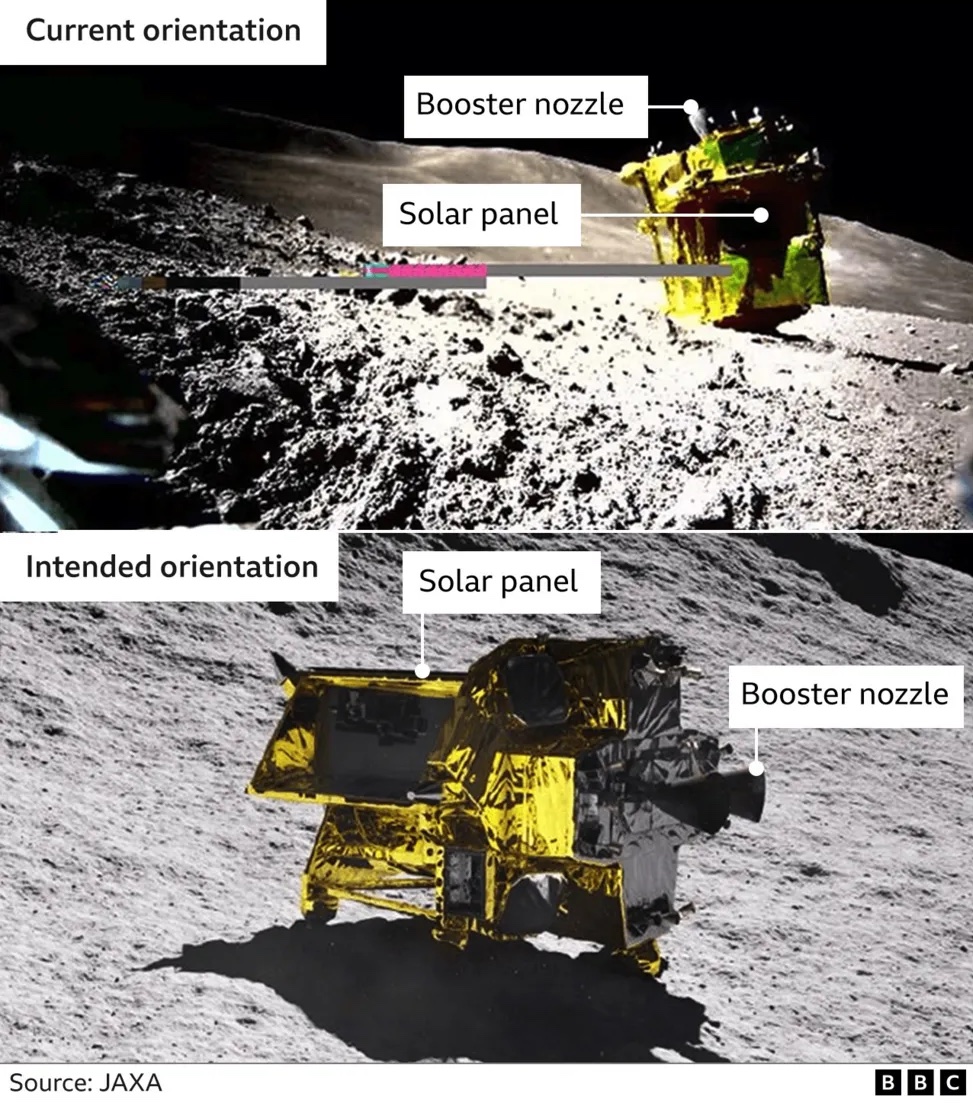
The craft is at a very awkward angle. A picture, captured by the small baseball-sized robot called Sora-Q – which was ejected from Slim moments before touchdown – showed the lander face-down on the lunar surface.
That left its solar panels facing away from the sunlight and unable to generate power. The decision was taken to put the lander into sleep mode – and conserve what power remained – less than three hours after it landed.
That tactic appears to have worked. A change in the direction of the sunlight has now “awoken” the craft.
As previously reported, JAXA did achieve its goal of a “precision landing” — as some put it, a “pinpoint” touchdown within 100 meters of the intended target — within 55 meters, although if all had gone as planned, it would have been within 10 meters.
That’s far, far closer than previous Moon landings.
Too bad SLIM is essentially standing on its nose. But at least this is a beginning. Japan has now become the fifth country (US, USSR, China, India) to successfully “soft land” an object on the Moon.
And the robots it brought with it are pretty amazing. And tiny.





 M Thomas Apple Author Page