The “Every Muscle Suit” has a lot going for it. Weighing just 3.8 kilograms (2.2 pounds), the pneumatic artificial muscle suit is powerful enough to generate up to 25.5 kilogram-force andeffectively relieves pressureon users’ backs when performing activities like heavy lifting.
And no batteries. That’s right: it uses air pressure only. Sells for the low low price of ¥149,600 (US$1,380)!
Well, OK, it’s not cheap. But compared to the robots used in heavy industries, this one’s close to affordable. And you can even test-run at the Bic Camera store in Shinjuku, Tokyo.
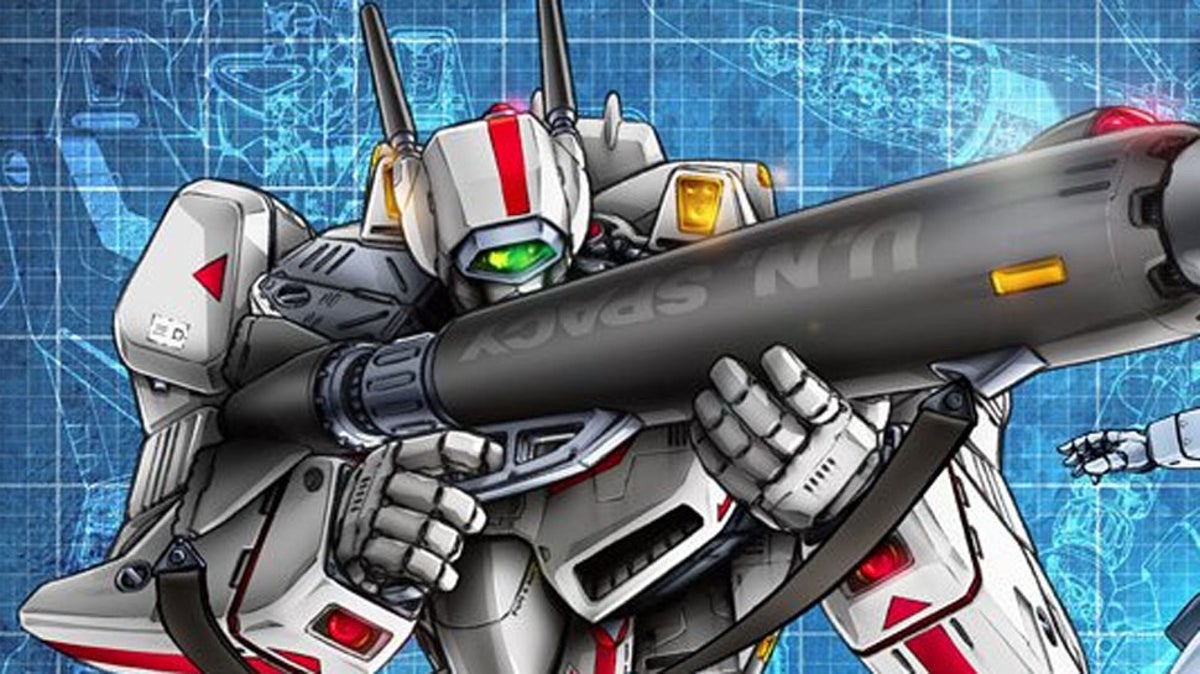
No mention of mounted laser rifles yet, though. Sorry.
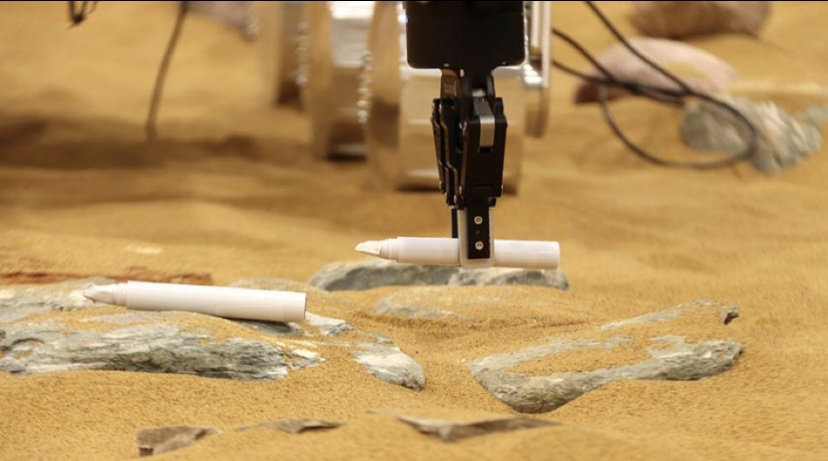
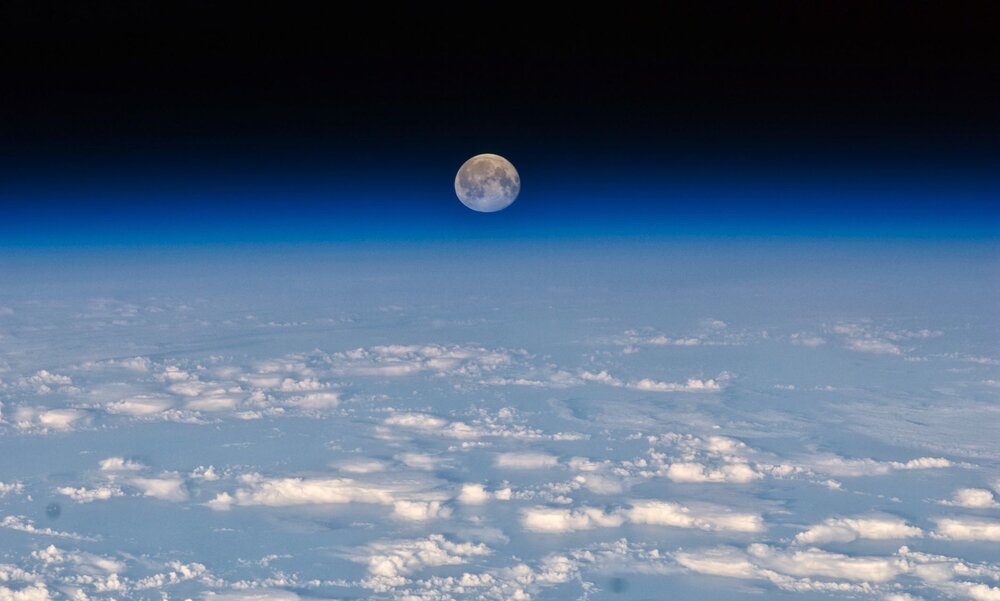
Future moon settlers might benefit from oxygen extraction from lunar regolith as it can be used to create breathable air as well as a source for fuel. In addition, the newly found extraction method might also be useful for Mars colonization.
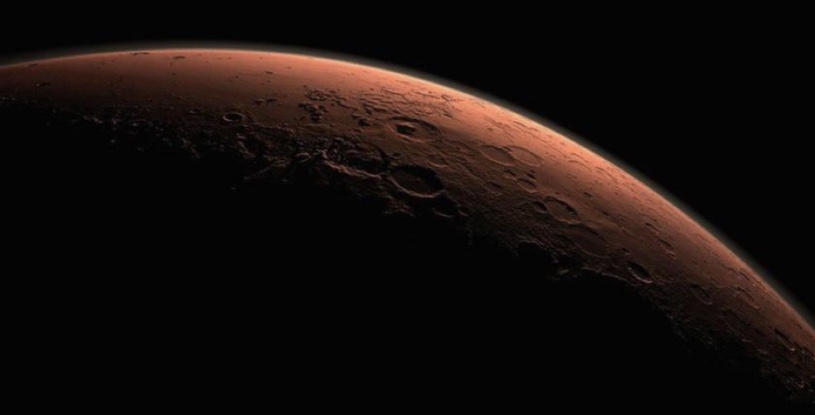
Regolith covers the Moon and Mars (and presumably many other potentially habitable rocky bodies).
Of course, the composition of regolith on the Moon differs from that of Mars.
But if the new method can extract sufficient quantities of both oxygen and hydrogen, there should be ample amounts for both human usage and rocket fuel.
(Yawn.) “Dry” science? Sure. But think of the (fictional) possibilities!
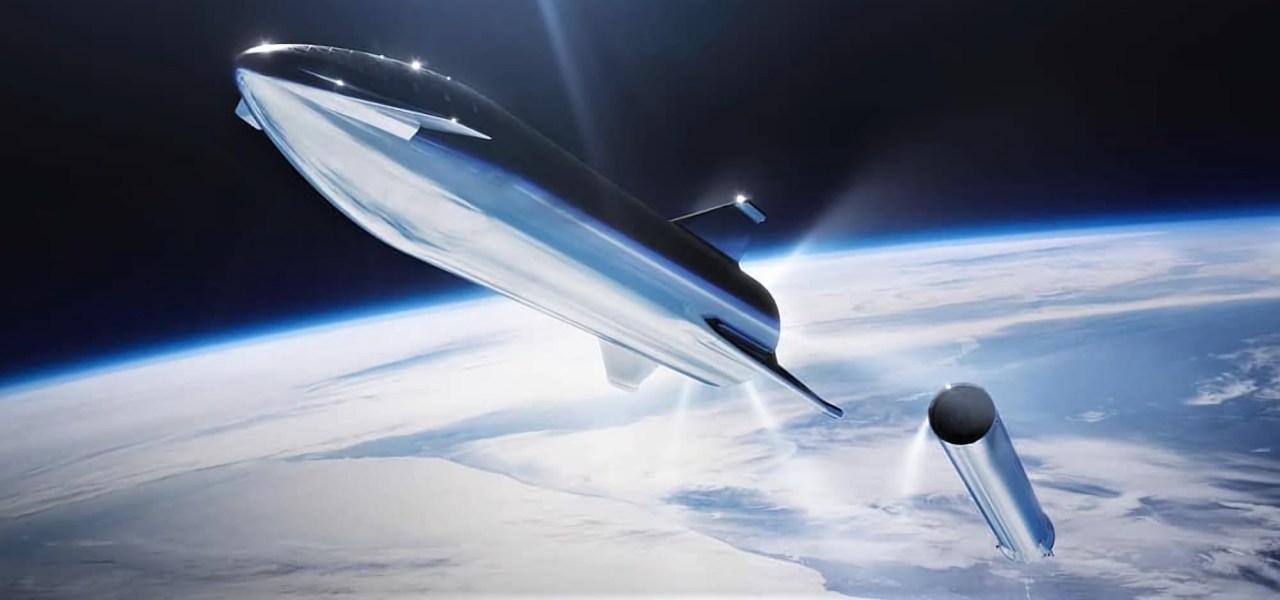
Youtubersmallstarshas proposed a concept that he calls theGravity Link Starship(GLS), a variation of SpaceX’sStarshipthat will be able to provide its own artificial gravity.
Hm, I guess we’re at the point where YouTubers have better ideas than NASA…
But who pays for this? is the several billion dollar question. Not just the construction of the “hub and truss” system, but the expense of getting it into space in the first place.
Seems like science fiction at this point. But still worth a read/look:
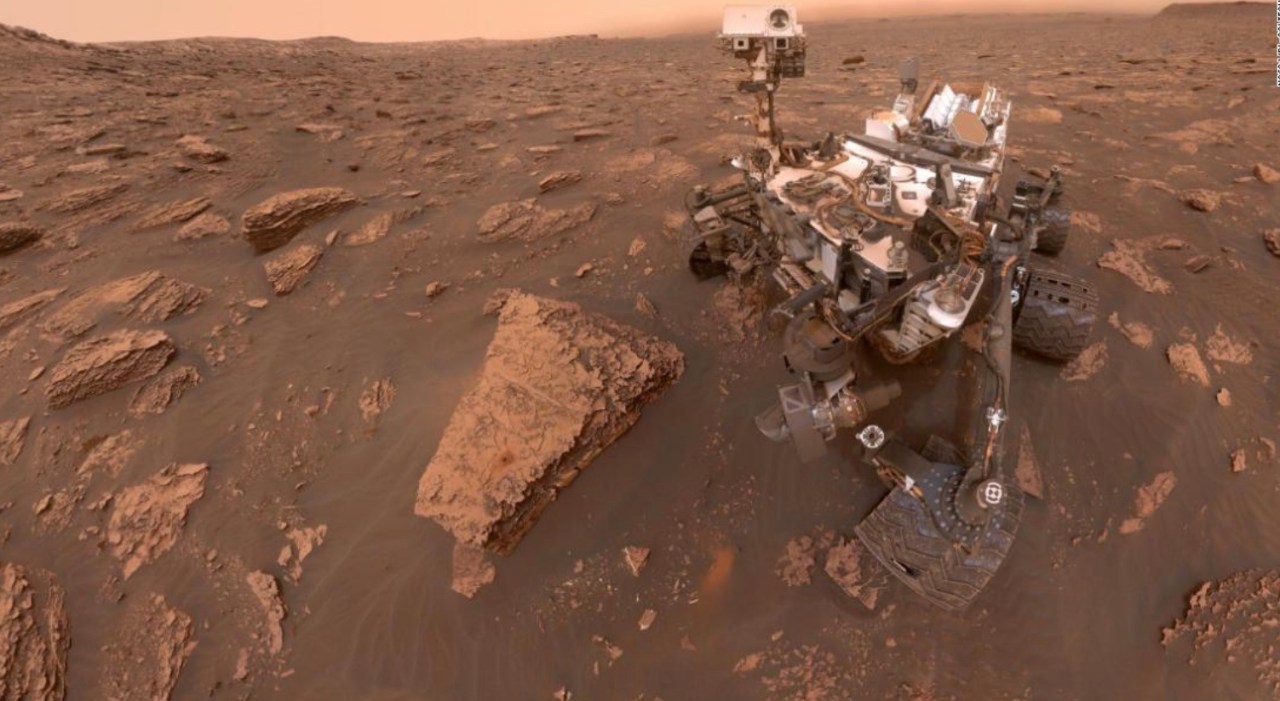
“What is the evidence against the possibility of life on Mars?” Levin wrote. “The astonishing fact is that there is none.”
Uh, no, sorry. That’s an illogical fallacy called “begging the question.”
Often phrased like this: “Absence of evidence is not evidence of absence.”
Or, as a friend once joked, “Just because you haven’t found any aliens doesn’t mean there aren’t any!”
Well, yeah, but that doesn’t prove anything except that we just don’t know.
See, science doesn’t work like that. It demands skepticism, careful theorizing based on positive evidence.
And replication.
If findings can’t be independently confirmed and reproduced by an outside observer, then the evidence isn’t strong enough.
Sorry. No smoking gun. Yet.
(Believe me, if scientists knew that Mars had life, we’d hear about it ad infinitum. Carl Sagan put it best: Scientists are terrible at keeping secrets.)
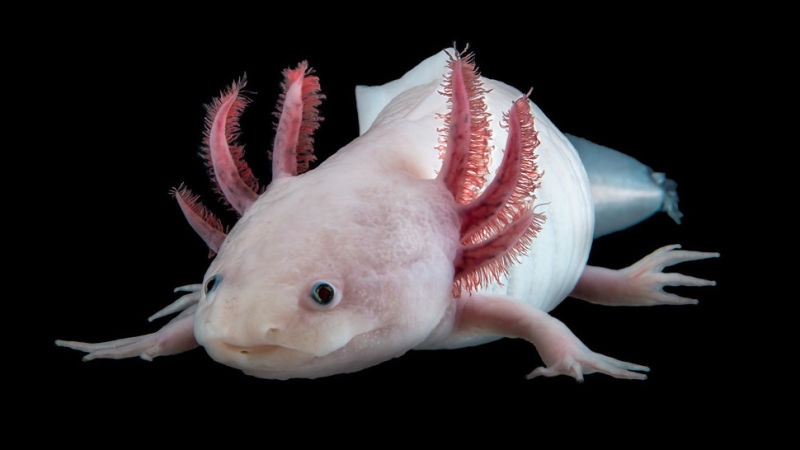
Our bodies have retained the capacity to repair injured or overworked cartilage in our joints, says newresearchpublished today in Science Advances. Remarkably, the mechanics of this healing process are practically the same as what’s used by amphibians and other animals to regenerate lost limbs…
“Fundamentally, we may be able to change how we create and use the materials with lifelike characteristics. Typically materials and objects we create in general are basically static… one day, we may be able to ‘grow’ objects like houses and maintain their forms and functions autonomously.”
You mean like Iron Man from a decade ago (as seen in Infinity War)?
Honestly, scientists these days…can’t even keep up with comic books from the ’80s…
(That said, I’m not entirely thrilled with the idea of living in a living house that can maintain its own form and feed itself…on what?! you might ask…)
We’ve learned a lot about Neptune’s largest moon, Triton, since it was first discovered in 1846. Some scientists believe it could be an “ocean world” with liquid water — and maybe even harbor life.
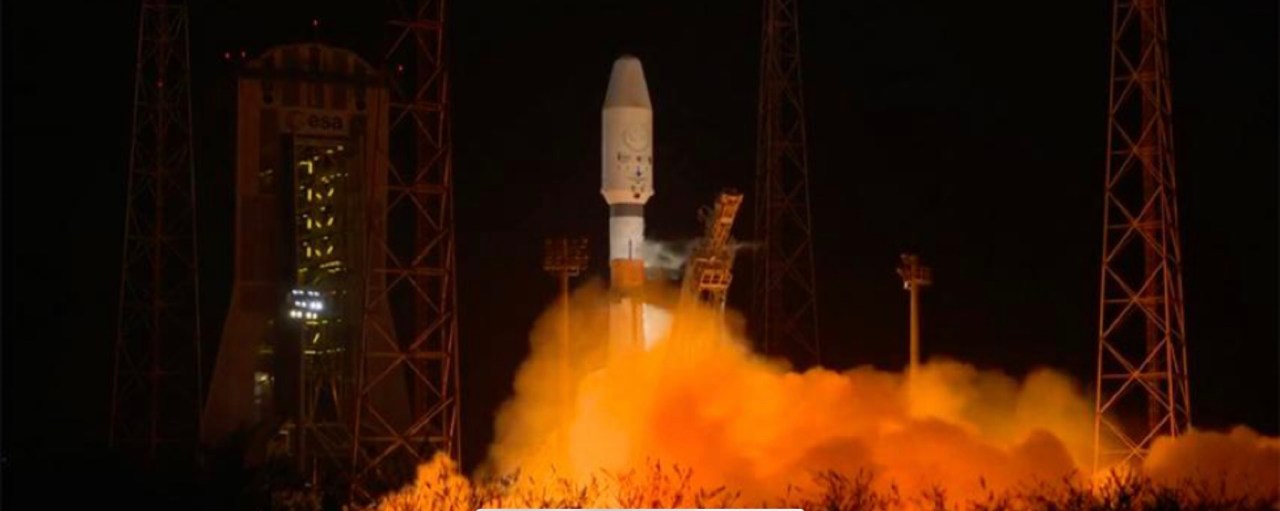
And now, pending approval, we might soon get our best glimpse yet. NASA’s Jet Propulsion Laboratory proposed on Tuesday [19 March 2019] at a conference in Texas to send a spacecraft called “Trident” to Triton — with the goal of sussing out whether it’s a habitable world.
A low-cost mission that would give us decent photos and even video of Triton, Io, and even Venus. Let’s do this.