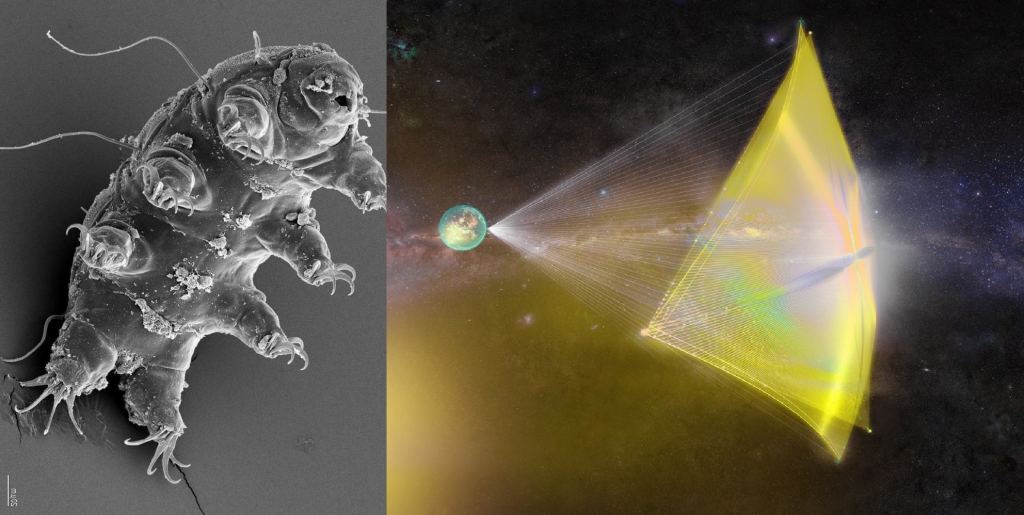
Hang on, I think I’ve seen this before…
Oh.
Not such a great idea, then, to send them on an interstellar cruise…

November 12, 2021
Hang on, I think I’ve seen this before…
Oh.
Not such a great idea, then, to send them on an interstellar cruise…
September 18, 2021
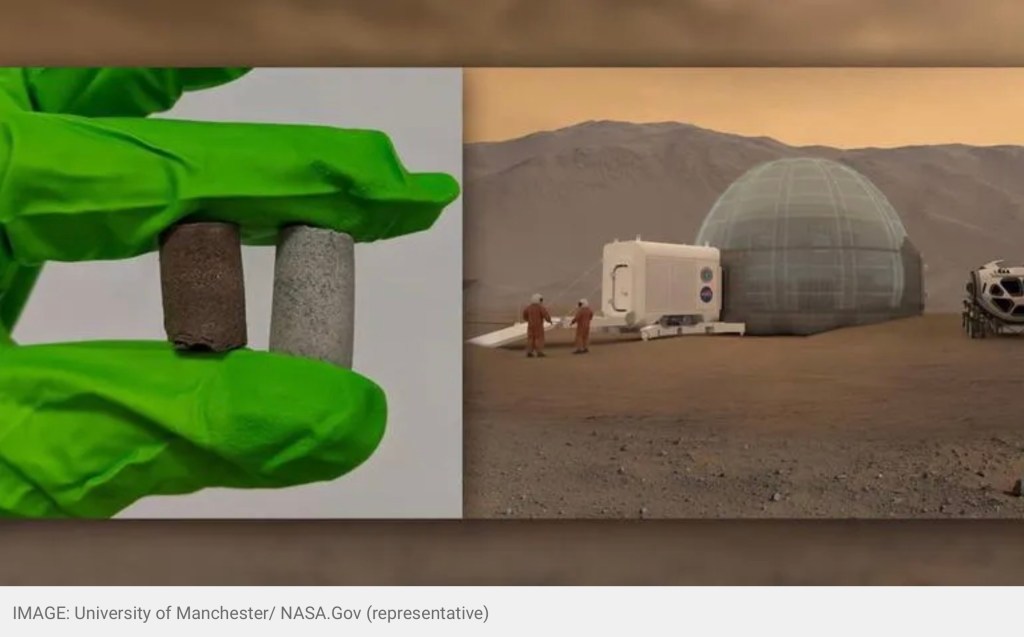
The blood, sweat, and tears of pioneering astronauts could literally turn Mars regolith into building materials.
First, however, they’d need to get the 3D printers there…
June 27, 2021
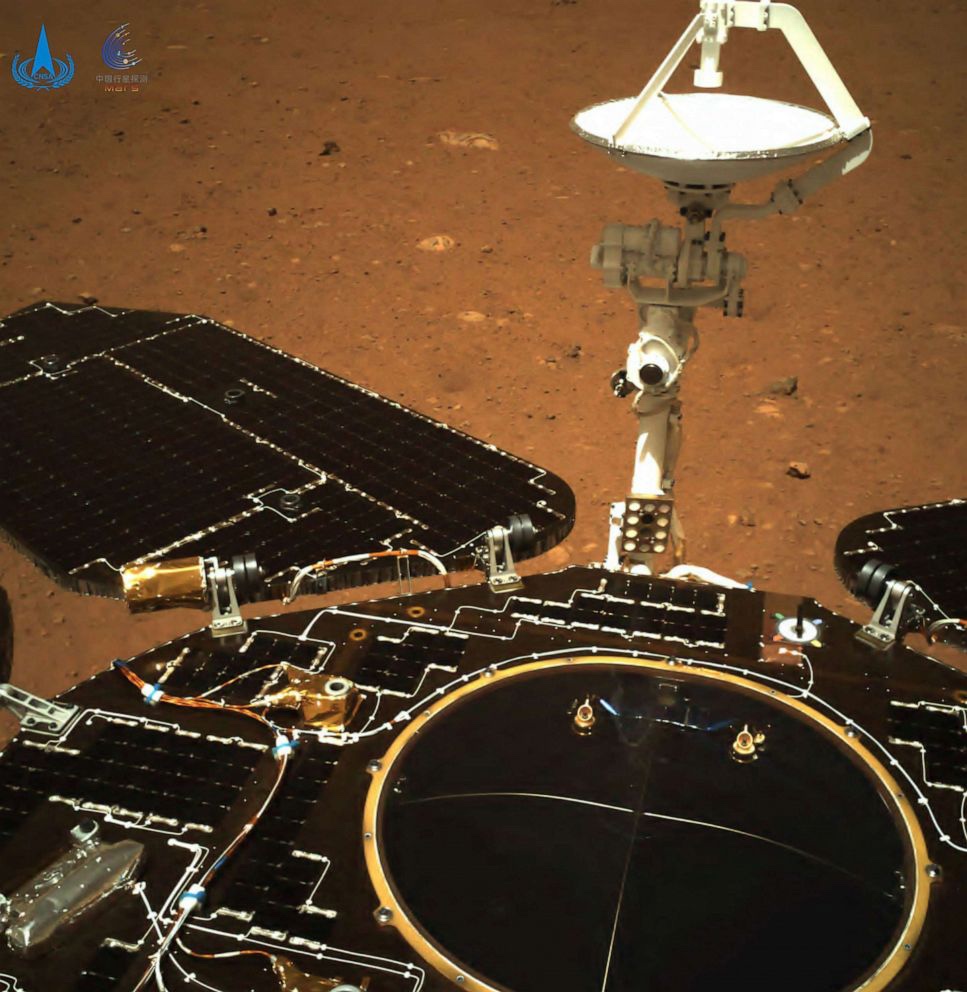
Like other nations, China “regards Mars exploration as the preferred destination for deep space exploration,” Wang said.
https://abcnews.go.com/amp/Technology/china-unveils-ambitious-roadmap-human-mars-exploration/
China’s plan calls for setting up a permanently occupied base and a fleet of interplanetary craft. Probably it’s a good idea to first see whether it can meet its goal of landing people on Mars in 2033.
Of course, China is “willing to join hands with our counterparts and partners all over the world,” but it’s unlikely NASA, JAXA, ESA, and the UAE and other countries not named Russia will “cooperate.”
The next space race is here. Just wait until multinats actually decide asteroid mining is worth the risk and expense.
June 6, 2021

The 128 baby bobtail squid will be used as part of research into the effects of spaceflight on beneficial interactions between microbes and animals.
https://www.bbc.com/news/science-environment-57339989
So why use squid instead of dogs, chimps, or other mammals?
The squid have an immune system which is similar to that of humans.
Ah.
And their distinct lack of a spine makes them similar to most politicians, too. Very helpful for finding out what might happen if we decide to…
Nah.
April 5, 2021
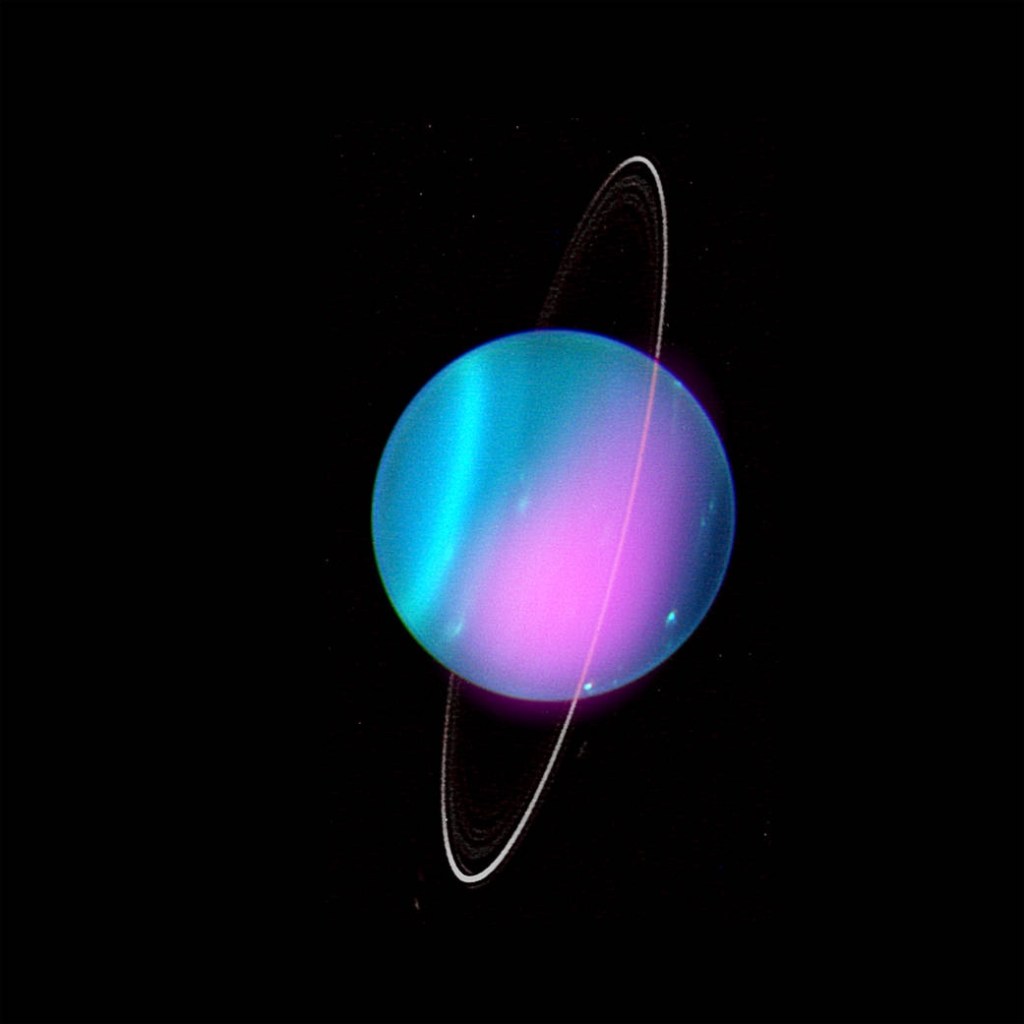
The gag practically writes itself…
…but seriously, this is neat. One source of the X-Rays is the Sun (it also bounces off of Jupiter and Saturn). But there may be yet another source…perhaps the rings of Uranus or the planet itself.
And no, it’s not really pink. That’s just a Chandra X-ray image.
Shame, really.
https://www.nasa.gov/mission_pages/chandra/images/first-x-rays-from-uranus-discovered.html
February 10, 2021
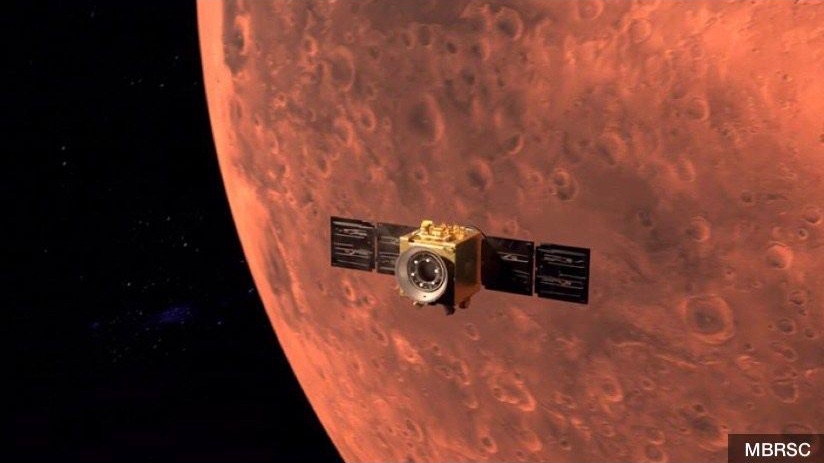
Congratulations, UAE! The Hope Probe (al-Amal) successfully entered Mars orbit on February 9th.
Made in the US (Boulder, Colorado) and the United Arab Emirates (Dubai) and launched from Japan, it shows what hat can be accomplished through international cooperation instead of competition.
Maybe it is truly Hope, after all, and not just for Arab states.
February 5, 2021
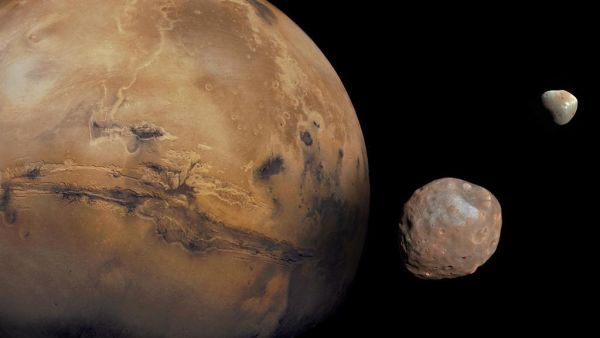
Looks like Mars doesn’t spin perfectly on its axis. In fact, it wobbles.
And no one knows why.
This makes Mars only the second planet in our solar system to exhibit what’s called the “Chandler wobble.”
The other planet?
Why, Earth, of course.
(And, no, nobody knows why. Hmm. Chandler?)

February 4, 2021
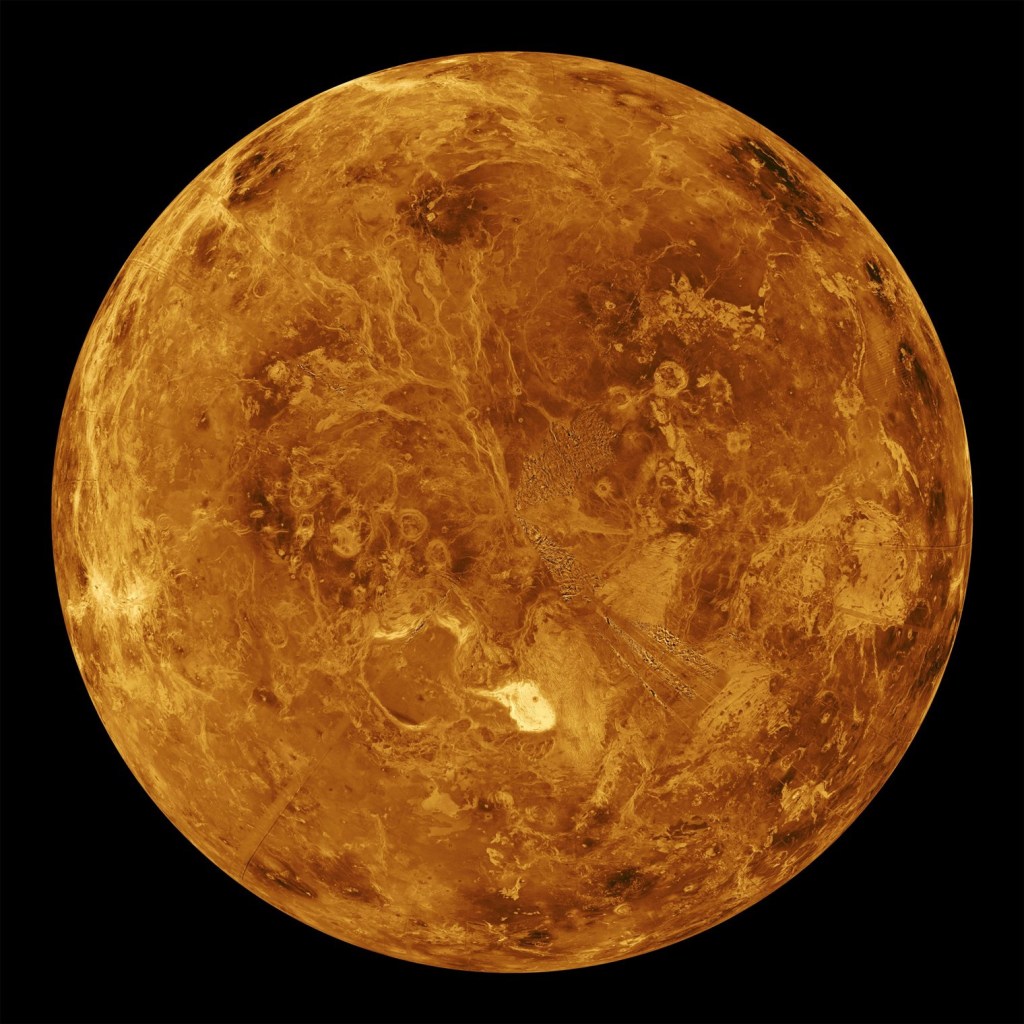
There’s a reason I didn’t post a while ago about the supposed “there’s life in the clouds of Venus” finding.
It was just a big load of gas.
Sorry, folks. Venus is a big rotten egg. 🥚
https://www.nbcnews.com/science/space/signs-life-venus-might-just-be-ordinary-sulfur-gas-n1256739
February 4, 2021
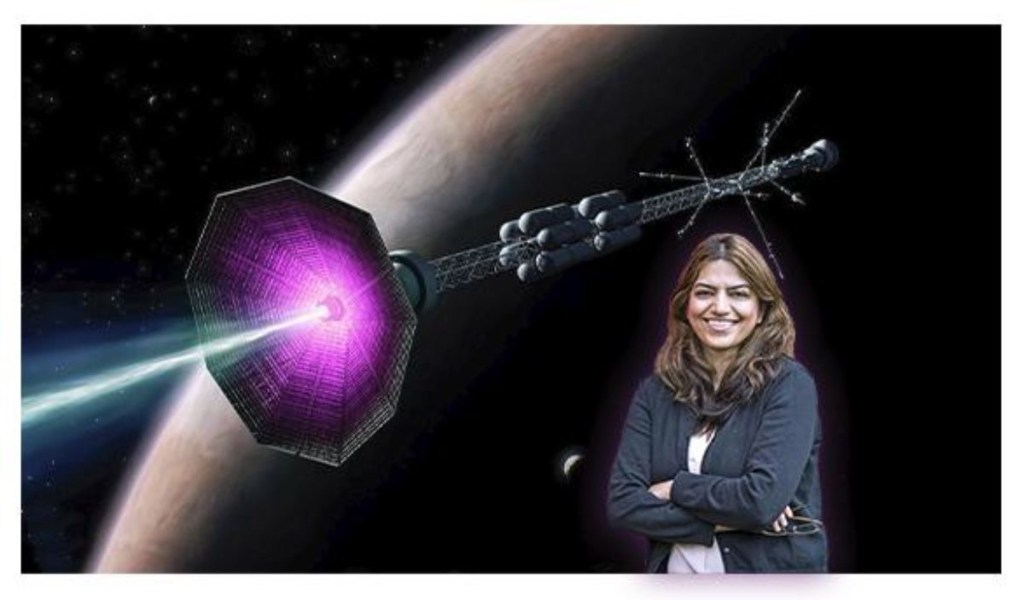
A crewed mission to Mars may be more practical thanks to a new rocket concept developed by Fatima Ebrahimi, a physicist at the US Department of Energy’s (DOE) Princeton Plasma Physics Laboratory (PPPL), that uses magnetic fields to generate thrust.
https://newatlas.com/space/magnetic-reconnection-rocket-thruster-concept-spaceflight-mars/
Looks good so far…
…although it’s just a computer simulation right now and the magnetic thruster model hasn’t even been built yet.
Ah, well, just repurpose an existing ion thruster, right?
Hmm. I’m not a rocket scientist, but.. 🚀
February 1, 2021
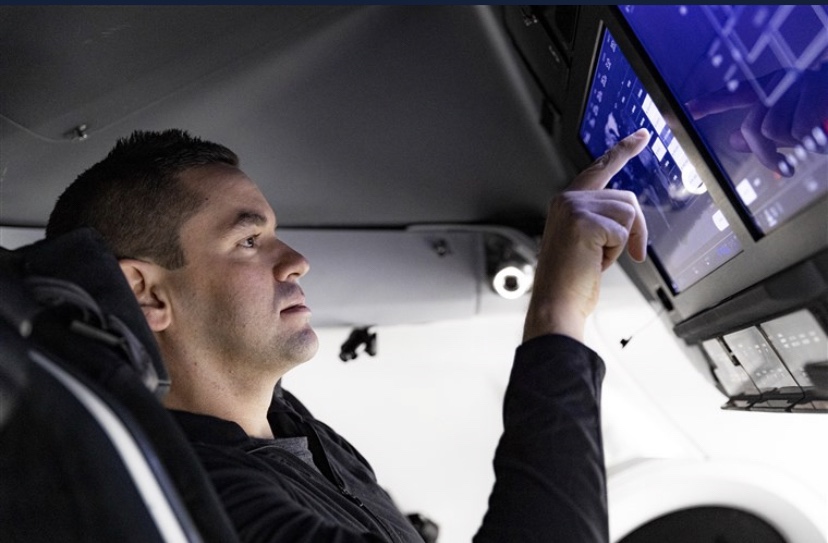
OK, hands up who thinks this is a really super dumb and risky idea but isn’t terribly surprised by the super dumb and risky things Musk continually blurts out? 🤷♂️
Writing Fanfiction in the worlds of Tolkien and Beyond!
Learning more about our place in the universe...
Best Tech Gadgets Advise
Marvel Comics Reviews, Previews and News
Writing blogs is miracle I am a writer blogger and my site mission is to give information on maximum information to audiences
Reflections of an inquiring retiree ...
Bring the Outdoors In, and the Indoors Out
Rock & Metal Reviews That Hit Hard
Short stories | Reflections | Poetry
Read. Reflect. Grow
 M Thomas Apple Author Page