Note that this is not from new data. It’s a re-analysis of what Voyager 2 sent back decades ago. Basically, it just had a bad day, with magnetic storms screwing up the scan.
Still…
There could be moons there that could have the conditions that are necessary for life, they might have oceans that below the surface that could be teeming with fish!
The Taurids meteor showers get their name because the shooting stars appear to stream from a point in the sky where the Taurus constellation is located. Taurid meteors can be seen from pretty much anywhere on the planet except the South Pole.
I waited too long to post this! The meteor shower peaked last week, but might still be visible. The Orionids ended already (they appeared to fall from, you guessed it, the constellation of Orion, while the Taurids came from Taurus.
If you can’t see them, not to worry: the Leonids are on their way from next week (falling from, right again, Leo).
Very imaginative, these names. At least it makes them easier to spot. ☄️
The scientists hope to learn about the asteroid’s surface composition and how fast it rotates, he said. Those observations could help researchers figure out its origin, which in turn could shed light on other asteroids, including ones that could be dangerous to Earth.
This is of course not the first “mini-moon” to have been discovered. These are wandering asteroids that get trapped briefly by Earth’s gravity well before being flung back into space.
Read the article for more information about the “school-bus sized” 2024PT5!
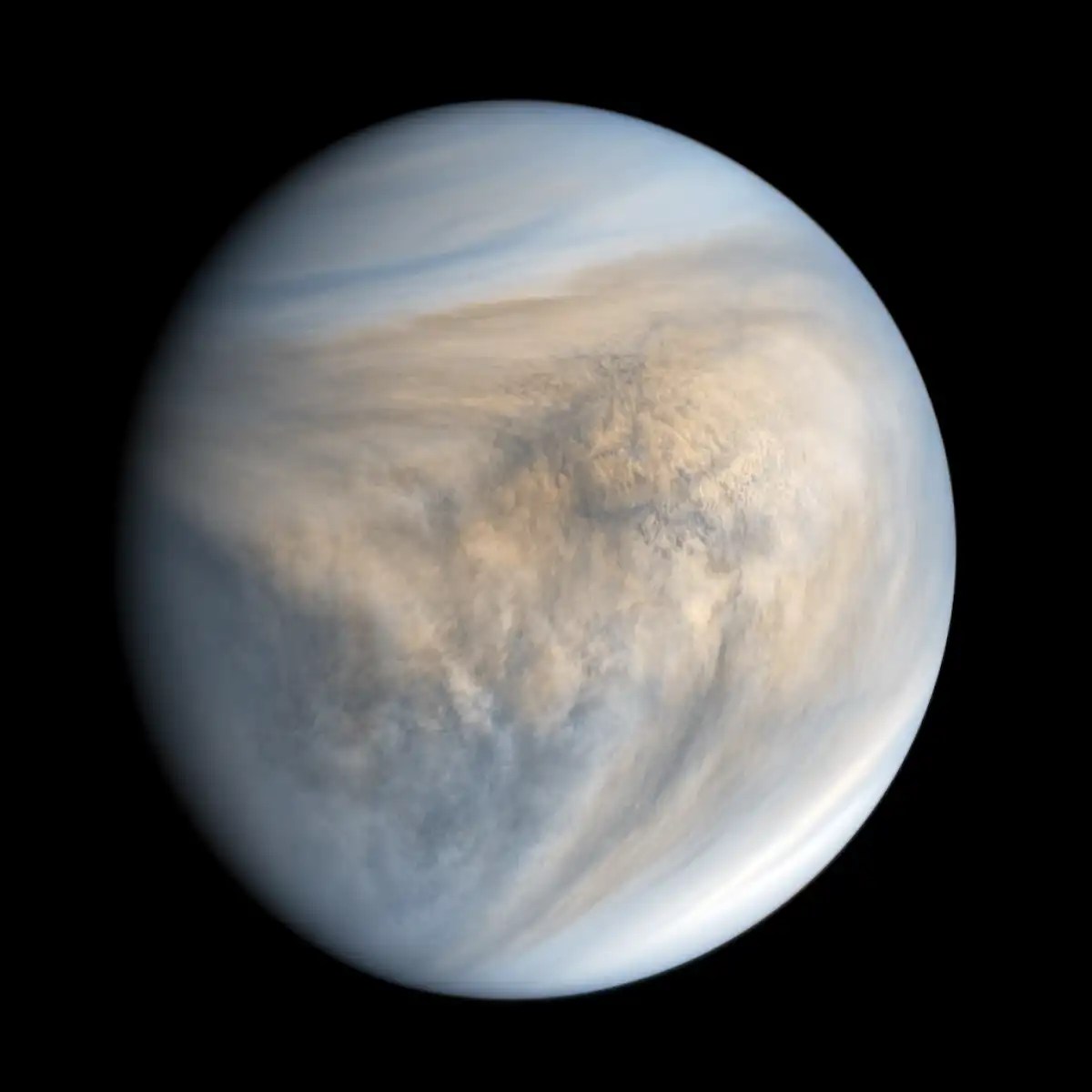
Over time, that water has nearly all been lost. Figuring out how, when and why Venus lost its water helps planetary scientists like me understand what makes a planet habitable — or what can make a habitable planet transform into an uninhabitable world.
The process in which Venus lost most of its water is called “hydrodynamic escape.” When Venus got too hot, the hydrogen in its atmosphere left. (The linked article explains this using a metaphor of having too many blankets on your bed.)
However, Venus is still losing hydrogen, even though there is too little of it for hydrodynamic escape to work. So, logically, there must be another process at work: “HCO⁺ dissociative recombination,” in which individually positively charged atoms of hydrogen, carbon, and oxygen in the atmosphere react with negatively charged electrons. The process was first examined on Mars, and based on a reexamination of results from previous missions (Pioneer Venus 1 and Pioneer Venus 2), the same research group thinks it’s time to try it on Venus…perhaps a first step to seeing whether Venus had life at some point.
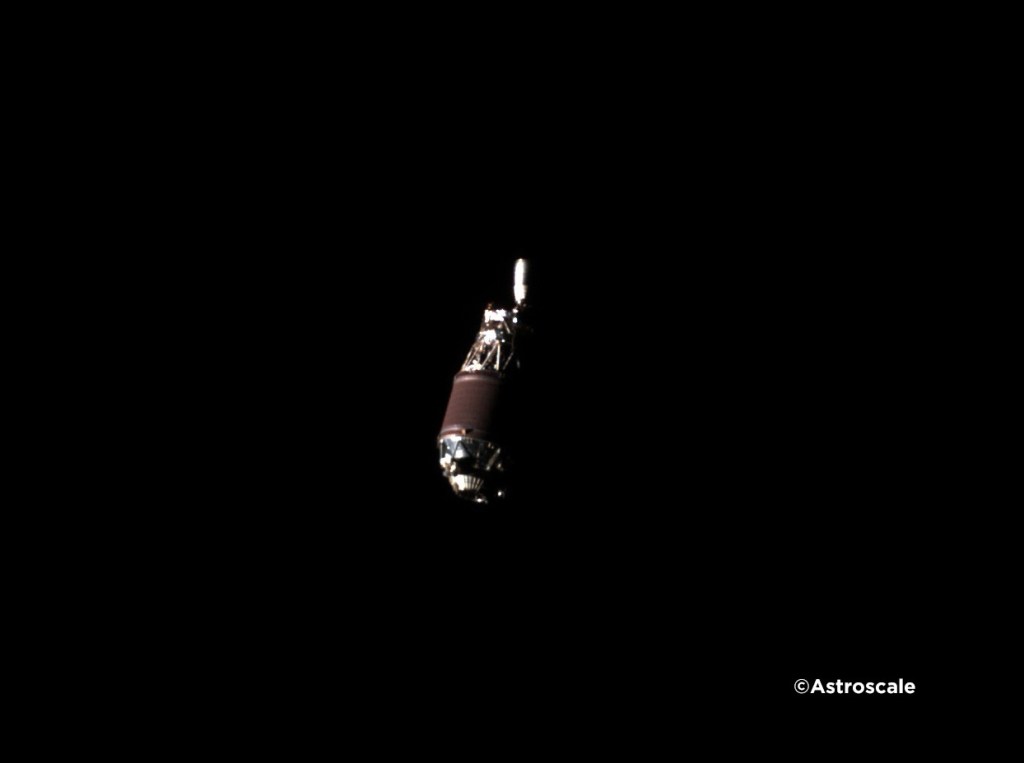
Japanese space company Astroscale Holdings Inc has unveiled what it calls the world’s first publicly released close-up image taken of space debris, hailing it as progress toward understanding the challenges posed by trash orbiting Earth.
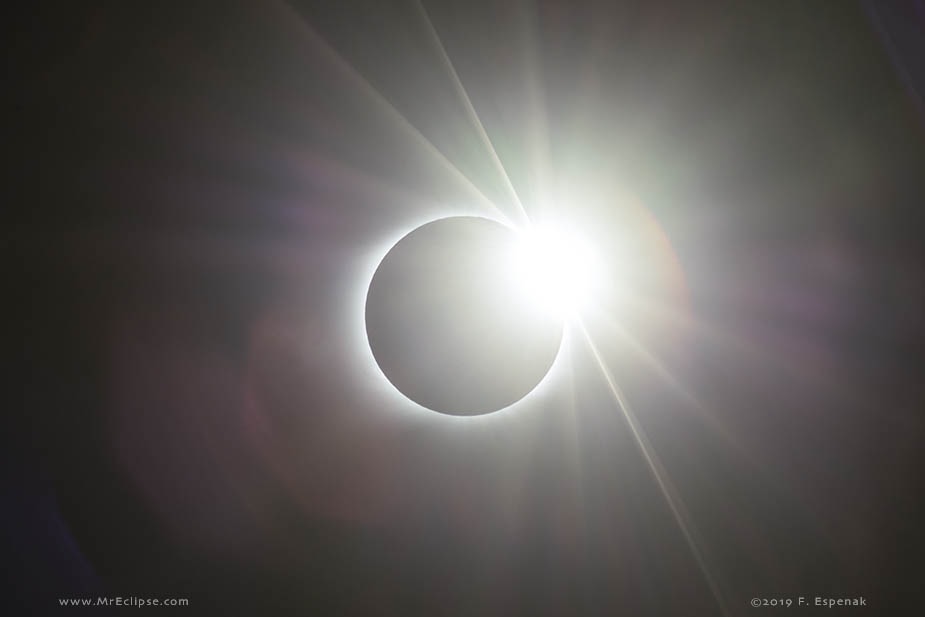
The eclipse begins as a small notch slowly appears along one edge of the Sun. During the next hour, the Moon gradually covers more and more of the Sun’s bright disk. You’ll need a Solar Filter to both view and photograph the partial phases.
On April 8, 2024, there will be a total solar eclipse across parts of North America. It starts on Mexico’s Pacific coast and ends on Canada’s Atlantic coast. (So, no, it’s not just “from San Antonio to the Canadian border” as one article puts it).
I’m a little jealous of friends and family in the path. The eclipse lasts for over four minutes this time — if you’re in the area, enjoy!
A study published this weekend in the journal Monthly Notices of the Royal Astronomical Societyproposes that the oldest star in the Milky Way is a faint white dwarf that is about 10.7 billion years old and shining roughly 90 light years away from Earth.