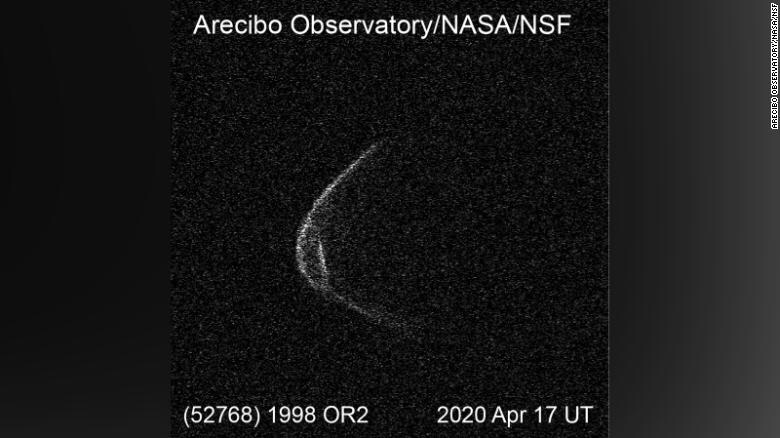
On April 29, an asteroid estimated to be 1.2 miles wide will fly by Earth, but it’s not on a destructive path. And new images of the asteroid make it appear as though it’s wearing a face mask.
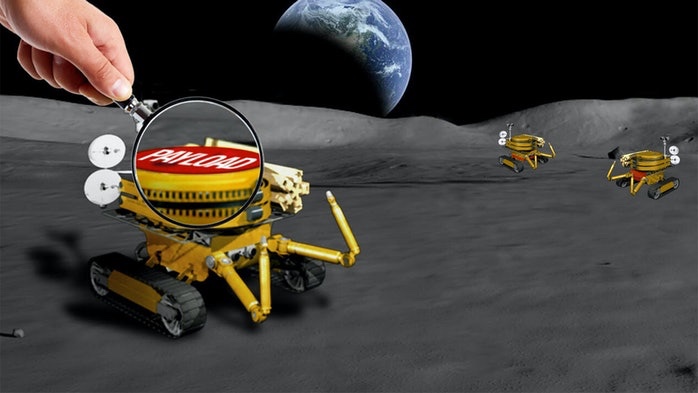
NASA tellsInversethat the payloads will need to measure no more than 100 millimeters by 100 millimeters by 50 millimeters, around the size of a bar of soap. They will also need to weigh no more than 0.4 kilograms (0.88 pounds) and be able to withstand external temperatures between minus 120 degrees Celsius (minus 184 degrees Fahrenheit) and 100 degrees (212 degrees Fahrenheit). These are the maximum limits, but smaller and lighter is preferred.
Yow, that’s wicked tiny. But small price to pay to set up a Lunar Space Base from which humanity can expand into the expanse.
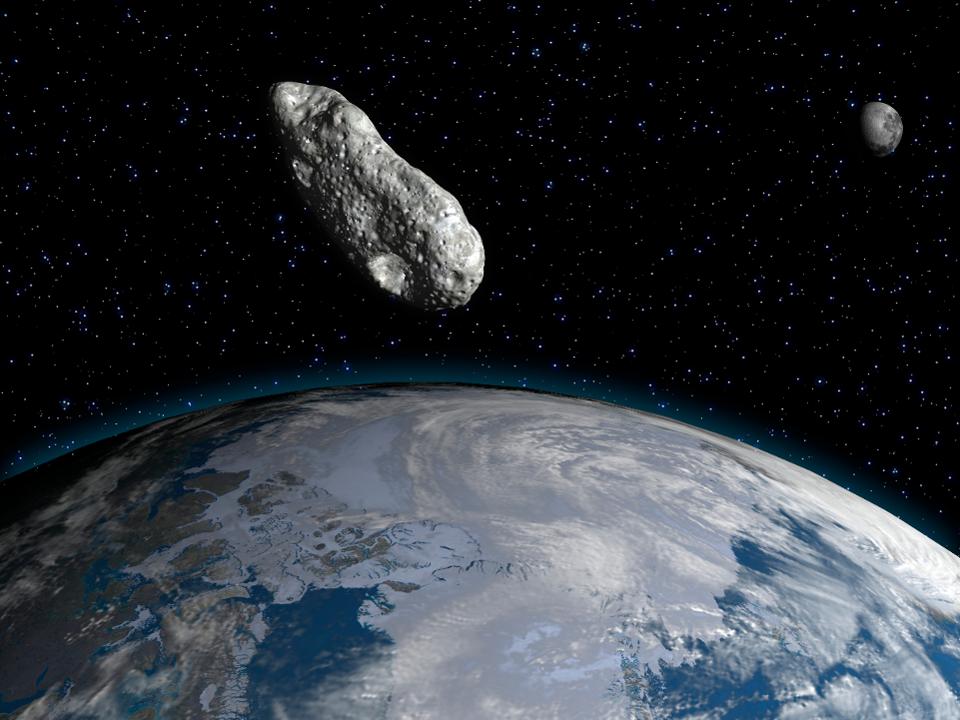
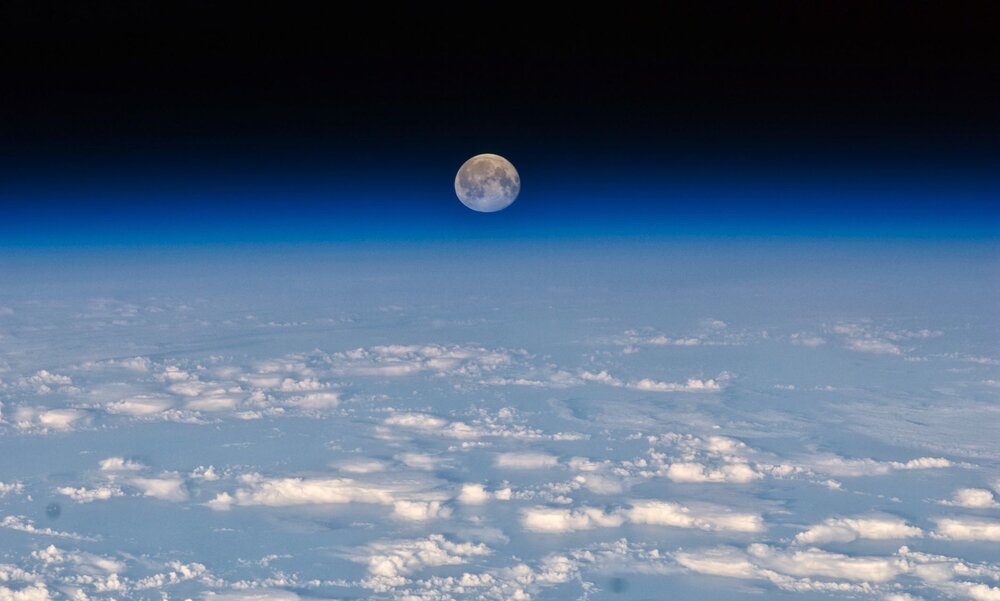
He added that the mini-moon appears to have been orbiting our planet since it was first captured by Earth’s gravity three years ago. Early observations also suggest it is small enough to fit in just about any garage or shed, with an estimated diameter between 2 and 3.5 meters (about 6 – 11 feet).
The photo obviously doesn’t match the actual size of this “mini-moon” but you get the idea.
There was another one a few years ago, by the way. It stayed a few months and then got booted out of orbit.
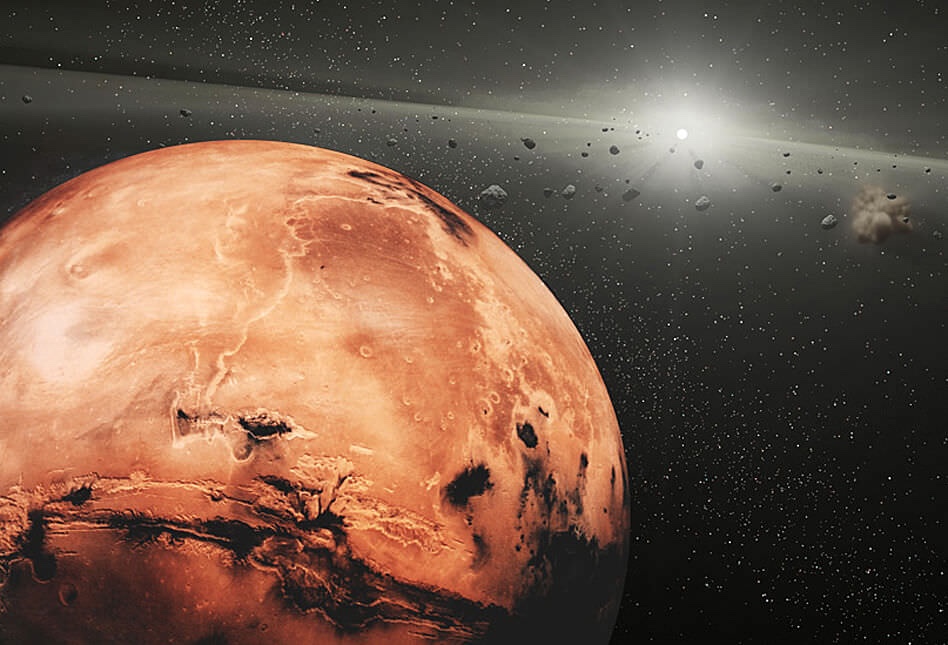
“Without this instability, Mars likely would have had a mass closer to Earth’s and would be a very different, perhaps more Earth-like, planet compared to what it is today.”
Damn you, Jupiter and Saturn! Why couldn’t you have just stayed in your orbits and left Mars alone? (Shakes fist futilely at night sky.)
Hi, everyone. I guess I should have planned a little better — should have written a “new year’s post” and then saved it before the holiday season began, scheduled the post, and then enjoyed overeating, overdrinking, and sleeping in.
Except of course that’s not what actually happened. Continue Reading
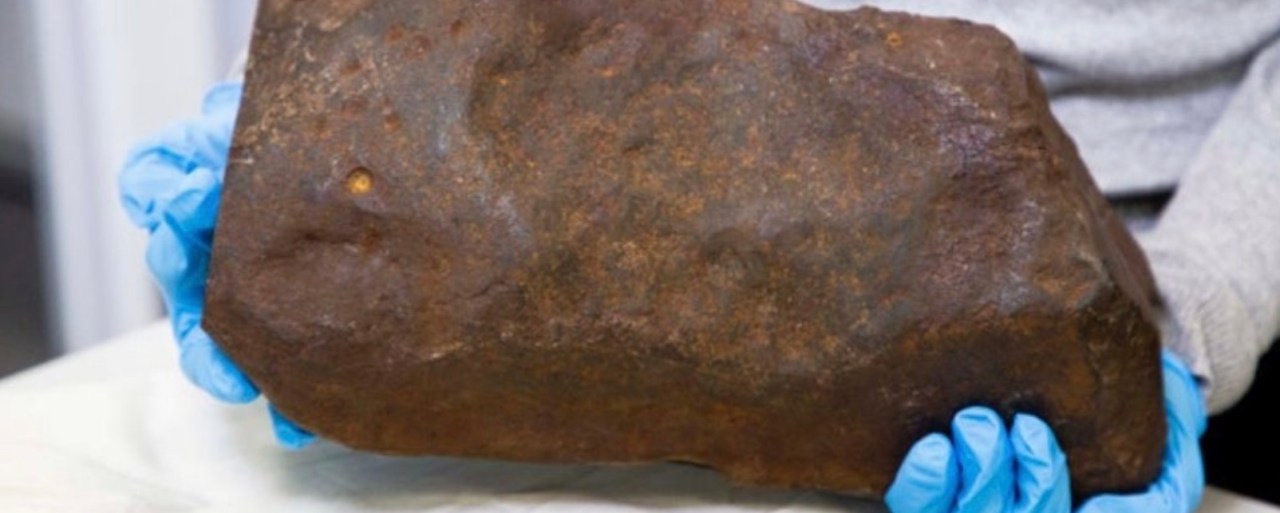
If you find a big rock in your backyard, and you can’tbreak it open with normal tools, guess what?
The researchers argue that the Maryborough meteorite is much rarer than gold. It’s one of only 17 meteorites ever recorded in the Australian state of Victoria, and it’s the second largest chondritic mass, after a huge 55-kilogram specimen identified in 2003.
This next bit is more interesting to me:
“Other rare meteorites contain organic molecules such as amino acids; the building blocks of life.”
Future moon settlers might benefit from oxygen extraction from lunar regolith as it can be used to create breathable air as well as a source for fuel. In addition, the newly found extraction method might also be useful for Mars colonization.
Regolith covers the Moon and Mars (and presumably many other potentially habitable rocky bodies).
Of course, the composition of regolith on the Moon differs from that of Mars.
But if the new method can extract sufficient quantities of both oxygen and hydrogen, there should be ample amounts for both human usage and rocket fuel.
(Yawn.) “Dry” science? Sure. But think of the (fictional) possibilities!
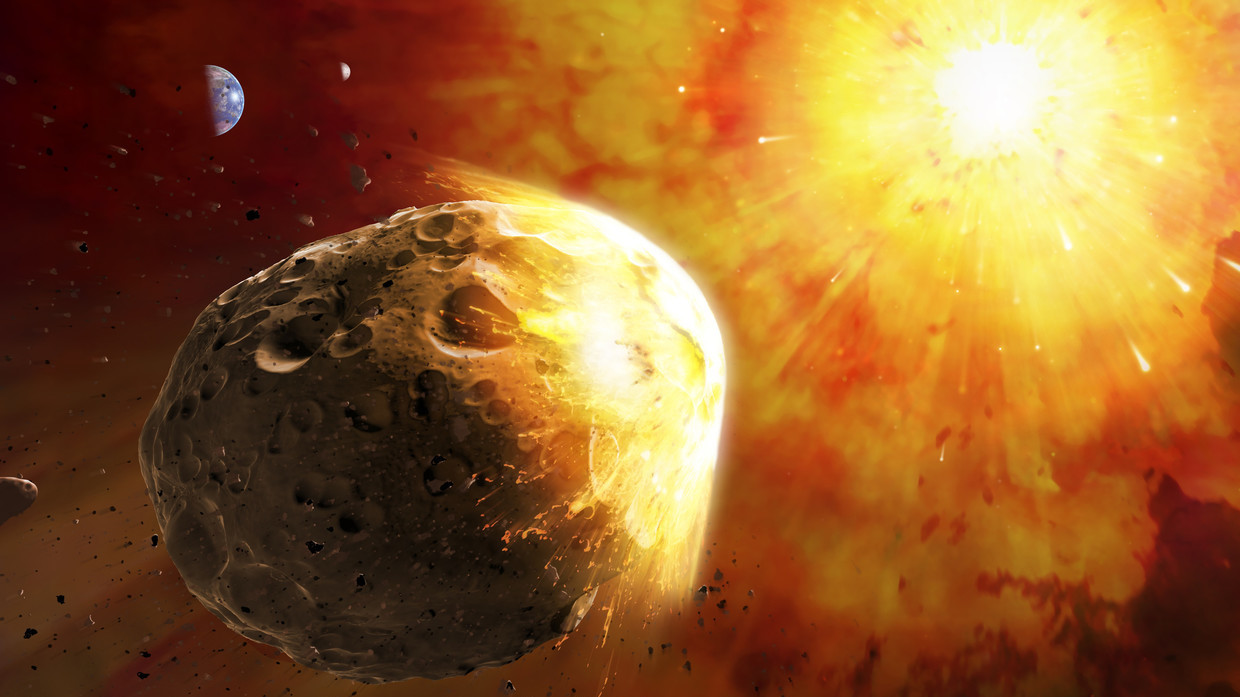
I wrote about this a couple of days ago (based on an article from two weeks prior), but it’s interesting to see random websites suddenly jumping on the “we’ll all get rich!” asteroid mining band wagon. Hey, everybody, let’s copy-paste stuff and not use our brains!
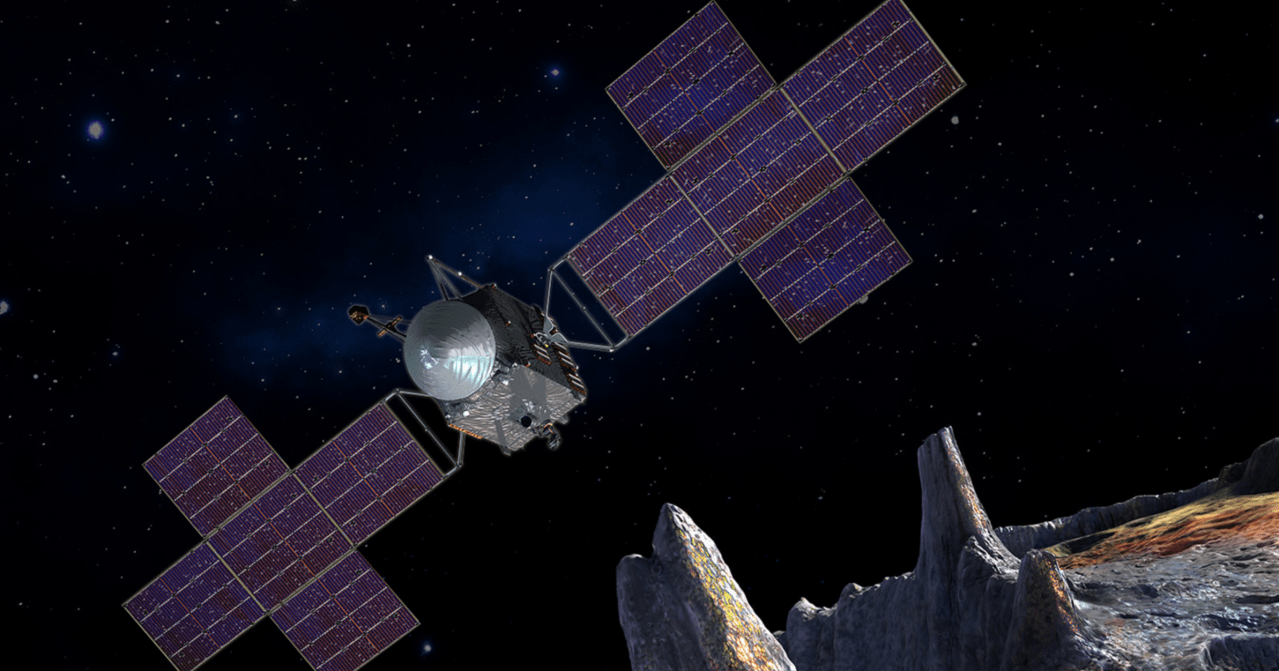
A new article by rt.com even includes two click-bait links to “how gold was formed” that have nothing whatsoever to do with NASA’s probe to (16) Psyche. Of course, we shouldn’t expect any less from an obvious Russian “news” distributor. But in the interests of calling out the bad reporting in this and similar “news” articles spread online recently, let’s give this a hearty smack-down.





 M Thomas Apple Author Page