The bankruptcy filing by Richard Branson’s Virgin Orbit Holdings Inc (VORB.O) has dealt a blow to Japan’s hopes of building a domestic space industry, with plans for a Kyushu-based spaceport designed to attract tourism on hold for lack of funding.
Still, it’s jarring to see TV news about JAXA and NASA doing “joint” explorations of Mars, and then see a constant failure of JAXA to do anything based in Japan.
Something is seriously wrong with this space agency. And I suspect it has nothing to do with the scientists or astronauts.
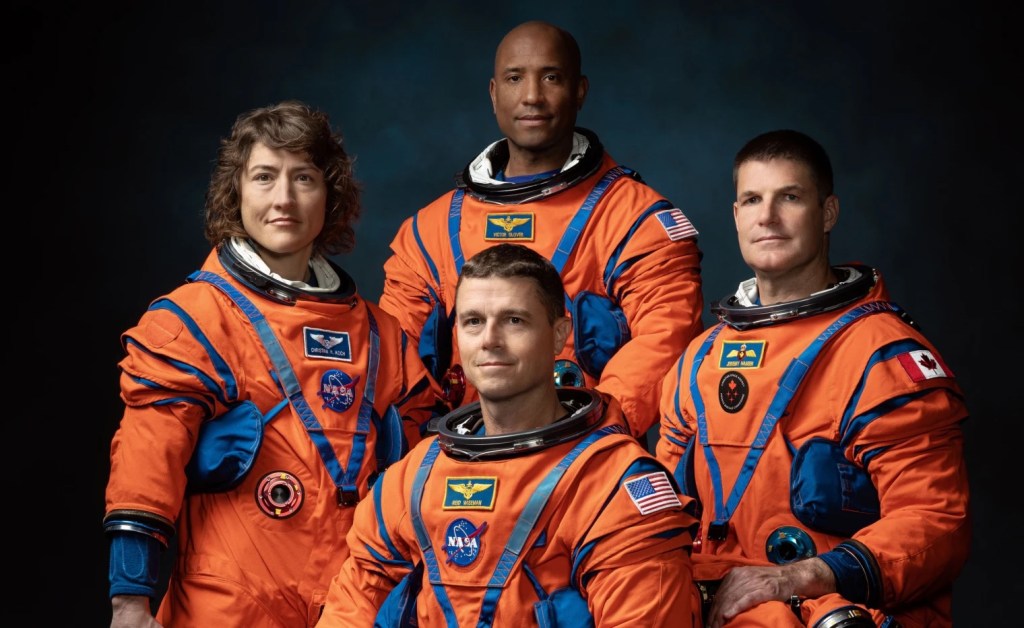
The astronauts will be the first humans to fly in the vicinity of the moon in more than 50 years. They will also be the first to launch aboard NASA’s next-generation megarocket and Orion space capsule. The crew will not land on the moon but will swing around the celestial body, testing the performance of the Orion spacecraft, before returning to Earth.
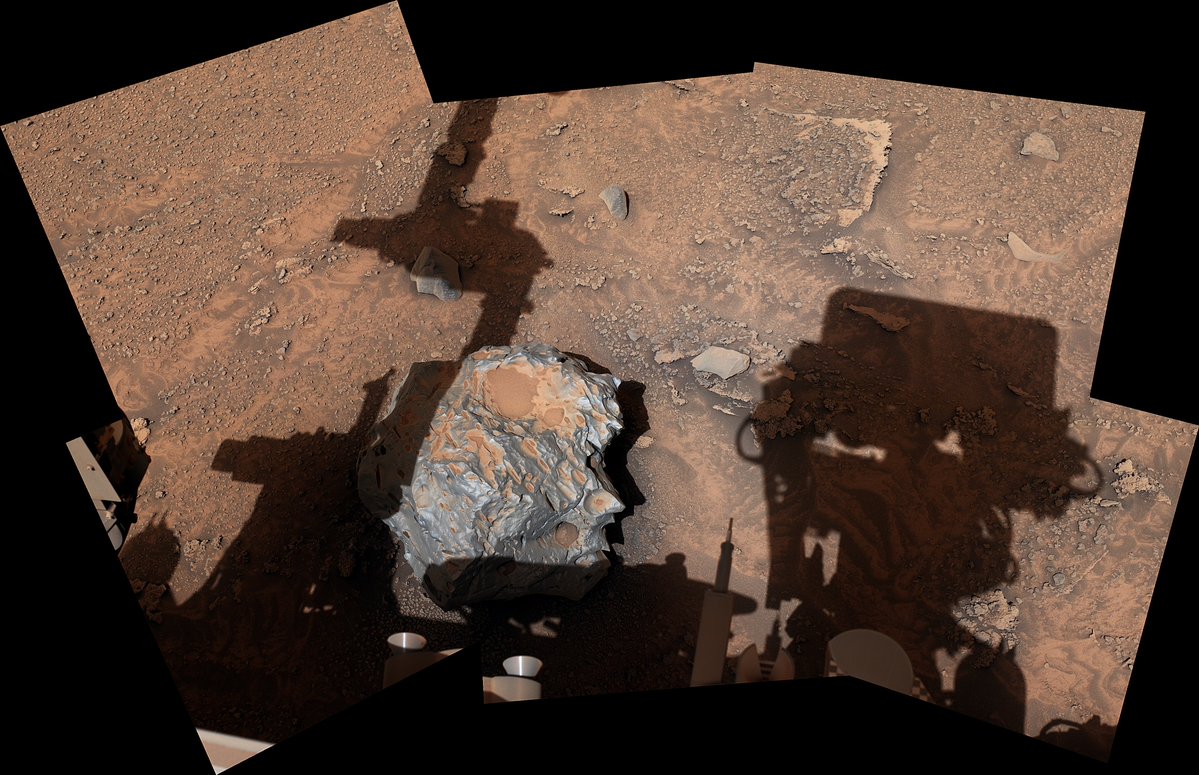
The mysterious object’s lovely silver metallic hue stands out like a sore thumb in the surrounding, rust-colored landscape, a sulfate-bearing region of the Red Planet’s Mount Sharp.
Also, see this one (pay wall, Washington Post) about NASA and DARPA working on one to reach Mars much faster to reduce astronauts’ exposure to radiation.
I still think “durp” every time I see that acronym 😝
Since the Hayabusa2 returned with the sample from the Ryugu asteroid in December 2020, several important discoveries have been made – most notably analyzes confirming the presence of substances thought to be the building blocks of life on the asteroid, such as liquid water and organics fabrics.
Hayabusa-2 took several years to land on Ryugu (literally “Dragon Palace”), pound out just over 5 grams of asteroid material, and bring it back to Earth (landing in Australia in late 2020).
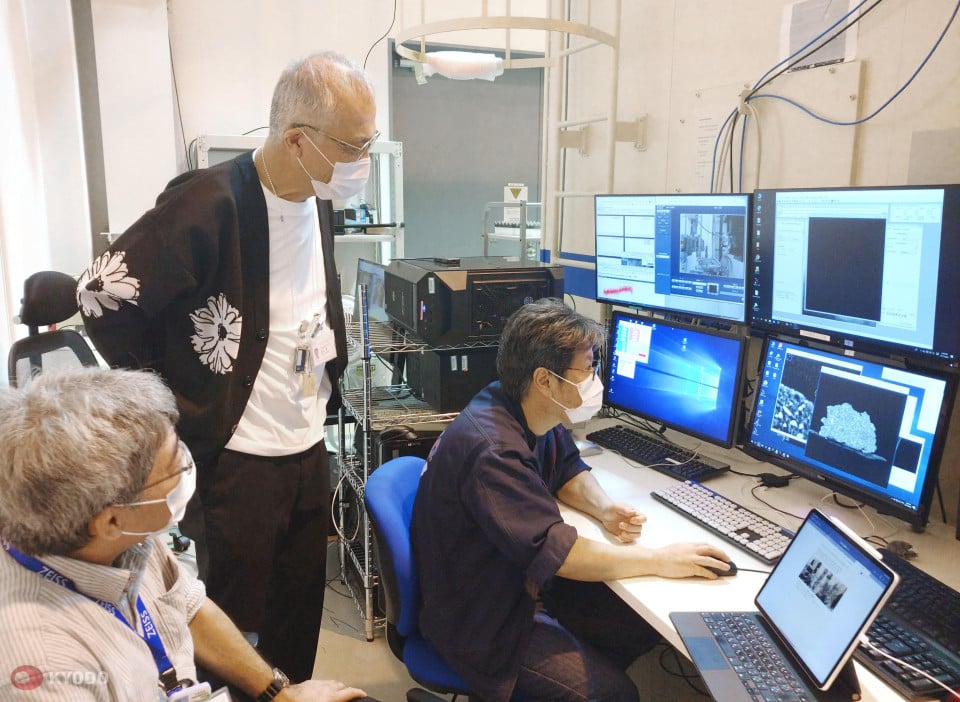
NASA scientists have confirmed not just frozen water but liquid — inside crystals called pyrrhotites. JAXA scientists (pictured above with Prof Tsuchiyama of Ritsumeikan University, my main employer!) continue to check the density of the samples.
The water is similar to the carbon dioxide-laden water of hot springs. The research teams have already discovered over 20 amino acids, the basic protein building blocks of carbon-based life.
Another theory called “panspermia” proposes that a key mineral (boron) missing on early Earth came in an asteroid from Mars. ☄️ Hmm. Did Mars produce asteroids? Or more like asteroids hit Mars and broke off lots of tiny fragments? That somehow survived the journey to Earth?
Seems a little unlikely. But there is now evidence that at least some proteins came from space rocks.
So, sorry, Ridley. This isn’t how it happened. Cool movie, though.
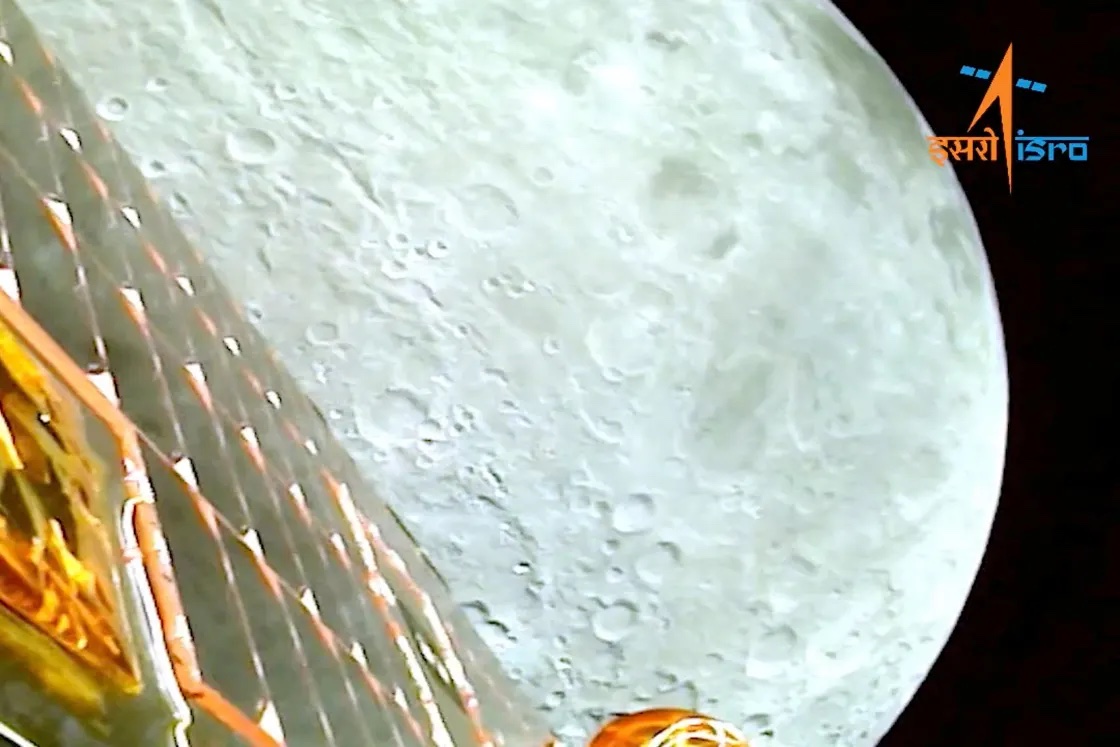
Though definitions sometimes differ, cislunar space generally refers to the space between Earth and the moon, including the moon’s surface and orbit. Any nation or entity that aims to establish a presence on the moon, or has ambitions to explore deeper into the solar system, has a vested interest in operating in cislunar space, either with communication and navigation satellites or outposts that serve as way stations between Earth and the moon.
It was “definitely luck” that the dust devil appeared when it did, said the study’s lead author, who estimates there was just a 1-in-200 chance of capturing the audio.
Perseverance has been on Mars for almost two years now, and already recorded wind on Mars for the first time in February 2021.
This dust devil was recorded in late September 2021 (wonder why only now it’s being revealed?). The dust devil was “average size,” which is described as about 400 feet / 122 meters tall and 80 feet / 24 meters wide, traveling at 16 feet / 5 meters per second (≈ 11 mph / 18 mph).
UPDATE. NBC incorrectly reported in the above linked article that the dust devil was recorded by Perseverance. It was actually recorded by InSight, which has just fallen silent after four years of operation. Sigh. I should get science news directly from the source and not from unreliable “news” sites.
There are a lot of dust devils on Mars. A whole lot. Any settlement would have to be extremely prepared to deal with dust all the time, everywhere. If it ever got into equipment that regulated, say, breathable air inside habitats…