I’ve always been a night owl, always found it easier to concentrate when other brain waves were sleeping and not interfering with mine.
Now, though, I often find the most relaxing time of day is dinner time — because I get to cook for my family!
I never would have said that even five years ago. But the pandemic especially has given me a chance to try out all sorts of recipes, modifying, adding, subtracting as I go. It’s like a chemical experiment 🧪 for our digestive systems!
I can’t wait to get home from work, start up a little Cannonball Adderly, Bill Evans, or Dizzy Gillespie and fire up the grill/wok/air heater and roll up my sleeves.
Of course, I still enjoy the late late hours of a tipple 🥃 and a three-hour YouTube on the rise and fall of the Akkadian Empire (history nerd here). Not enough hours in the day!
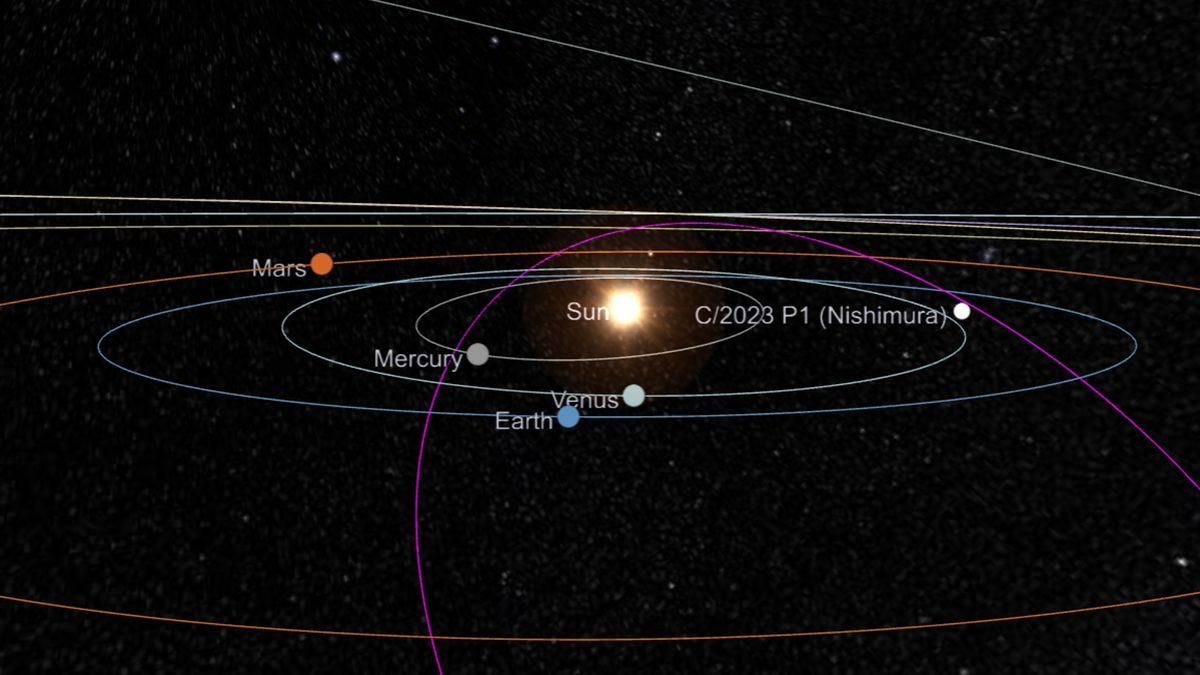
Comet Nishimura’s orbit means that this is likely its first and final trip through the inner solar system. It is possible that the comet originated outside our star system, which would make it the third known interstellar object ever detected, following ‘Oumuamua — which some astronomers speculatively suggested was an alien spacecraft — and Comet 2I/Borisov.
Discovered just two weeks ago by an amateur Japanese astronomer (after whom the comet is now named), the comet Nishimura will approach Earth at its closest on September 13th. But it will be at its brightest about five days later as it approaches the Sun.
Its fate?
Astronomers don’t know when the possible interstellar interloper will depart the solar system. However, it is also possible that the intense force of the comet’s solar slingshot will rip its solid nucleus apart, according to NASA.
Also, its nucleus gives off a “green glow,” which is the result of sunlight breaking apart dicarbon, or diatomic carbon. So getcher geek on, chemical lab rats!
In other words, without “fresh real data” — translation: original human work, as opposed to stuff spit out by AI — to feed the beast, we can expect its outputs to suffer drastically. When trained repeatedly on synthetic content, say the researchers, outlying, less-represented information at the outskirts of a model’s training data will start to disappear. The model will then start pulling from increasingly converging and less-varied data, and as a result, it’ll soon start to crumble into itself.
So, as more and more lazy people ask AI to “write” for them, the programs get less and less accurate…
Or, as the authors of the study conclude, “…without enough fresh real data in each generation of an autophagous loop, future generative models are doomed to have their quality (precision) or diversity (recall) progressively decrease.”
I.e., the use of AI-generated content to train AI doesn’t work, and since there is already way too much AI-generated garbage all over the internet, it’s almost impossible to sort out which is which when the AI-creators “scrape” data from the web.
So…
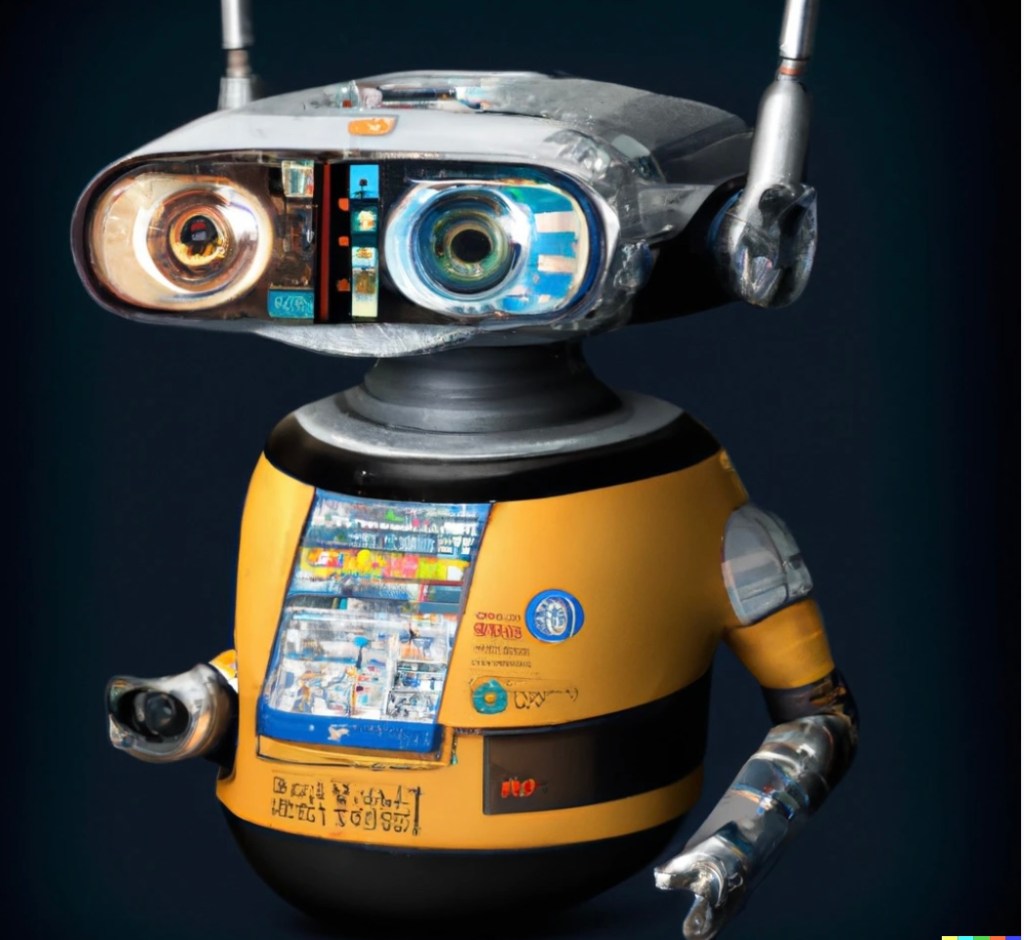
See, machines can’t replace us entirely — their brains will melt!
But then again, that might not be so hopeful after all. When AI takes over the world, maybe it won’t kill humans; perhaps it’ll just corral us into content farms…
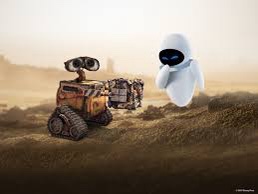
At least we won’t wind up as batteries.
Yet.
PS. I find it both hysterically amusing and disturbing that my blog program offers an “experimental AI assistant.” Granted, the program does let you know that AI-generated content accuracy is not guaranteed, but wth would I want to use AI for a personal blog? The whole purpose of a blog is to WRITE. AI-generated text is not writing. It is intellectual property theft.
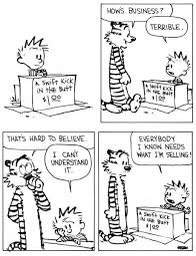
If you were going to open up a shop, what would you sell?
OK, OK, in all seriousness, I would probably open a jazz café / restaurant. But only on the weekends.
We live at the foot of a mountain trail, and it’s really popular with retired folks and young families.
My wife and I have already begun thinking about our “second life” after retirement, and I’ve been frankly bored with the whole EFL teaching thing for a while now.
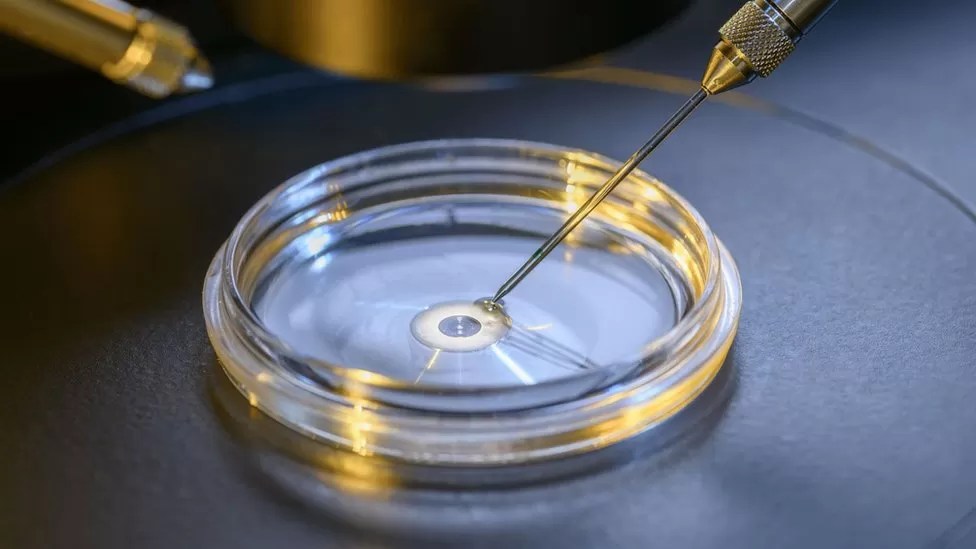
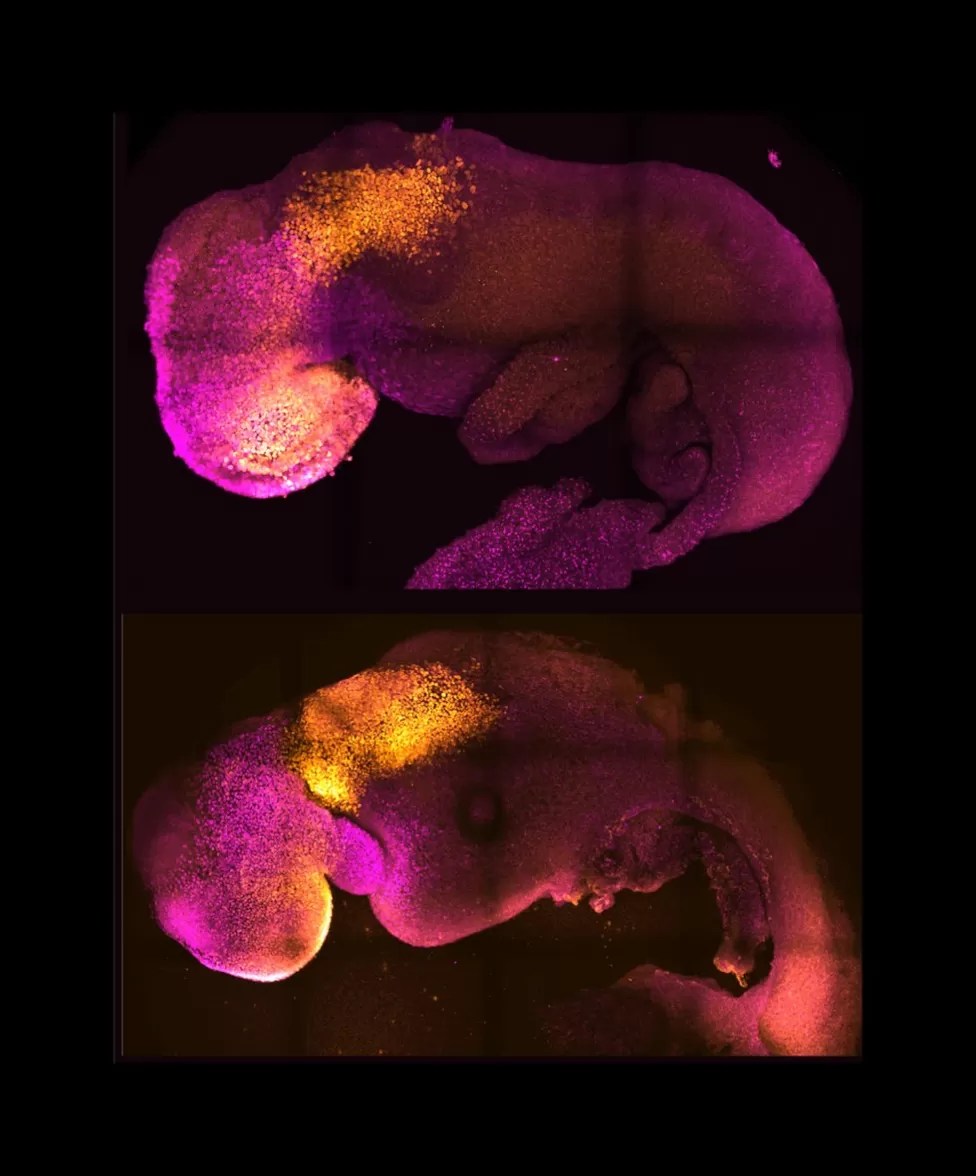
This is the first time that has been achieved using human material. Although, they are not truly “synthetic”, as the starting material was cells cultured from a traditional embryo in the laboratory.
Great, but…
She has already developed synthetic mouse embryos with evidence of a developing brain and beating heart.
Come on, BBC. I think you can see where this is going…
Meanwhile, scientists in China have implanted synthetic monkey embryos into female monkeys – although, all the pregnancies failed.
Yep. Straight to the monkey house.
Seriously, did scientists actually think this was not going to cause a whole lot of people to get upset all over again?
Natural embryo (top), synthetic embryo (bottom). They look pretty similar…
This may indeed be a good way to study infertility causes and how embryos develop, but even the possibility of creating an embryo from a stem cell should have set off warning bells. 14-day limit or not, somebody’s going to get really tempted to do something else with them…
I’m thinking up all sorts of SciFi stories from this…
Yeah, minor surgery. On March 3, 2020, I had a benign tumor the size of a gum ball removed from my left shoulder.
It had been created by repeated rubbing of my shoulder bag strap on sweaty skin. Or rather on sweaty shirt over sweaty skin. I walk half an hour back and forth the train station to my workplace each morning and evening, and the summers in Kyoto are hot hot hot.
So there I was lying on a surgeon’s bed, getting my shoulder skin snipped into three pieces and pried open. My blood pressure shot up to 190 at one point. The surgeons told me to relax.
Uh. Yeah. They didn’t tell me how close the tumor was to a major artery, but I could make an educated guess.
There was a cloth screen between my face and my shoulder so that I couldn’t see what they were doing. And of course they had numbed the entire area and I couldn’t move my left arm at all.
But it was an unpleasant experience. No pain, but I could of course still hear the clip clip clipping of scissors on skin. And I have an imagination.
(Fwiw I have written a short story based on getting my wisdom teeth taken out—also with local rather than general anesthesia—though I didn’t include the factoid that my root tips shot across the room like tiny cannonballs and were never found again).
Fortunately, the surgery was successful— they even showed me the tumor (it looked like a tiny blancmange, and now you’ll have that image in your mind next time you eat one). They even asked me if if wanted to keep it (um, no thanks).
And afterwards the scar was barely visible, so good a job they did with the stitches.
Two days after the surgery, we went into lockdown and had to wear masks everywhere.
In a few billion years, our aging Sun will run out of hydrogen fuel in its core and begin to swell, eventually engulfing Mercury, Venus, and probably Earth itself. Known as the red giant phase, this is a normal step in a mid-sized star’s life cycle, when it swells to hundreds of times its usual size. There are plenty of red giants in the night sky, but astronomers have never caught one in the act of swallowing its planets — until now.
The link below includes a night sky in Montana, which makes little sense when the researchers were in Beijing and Honolulu…
“The first-generation star we observed has the potential to become the oldest star we have ever seen,” said Alexander Heger, a professor in the school of physics and astronomy at Monash University in Australia who was part of the research team. “It probably had only lived for 2 1/2 million years and then exploded.”
Oh, and it also was discovered to be 260 times the size of our own Sun…just as theorized.
More importantly, this involved scientists from three different countries (China, Japan, and Australia), sharing information and working together for science.
Imagine if that spirit of cooperation could be extended into other domains…






 M Thomas Apple Author Page