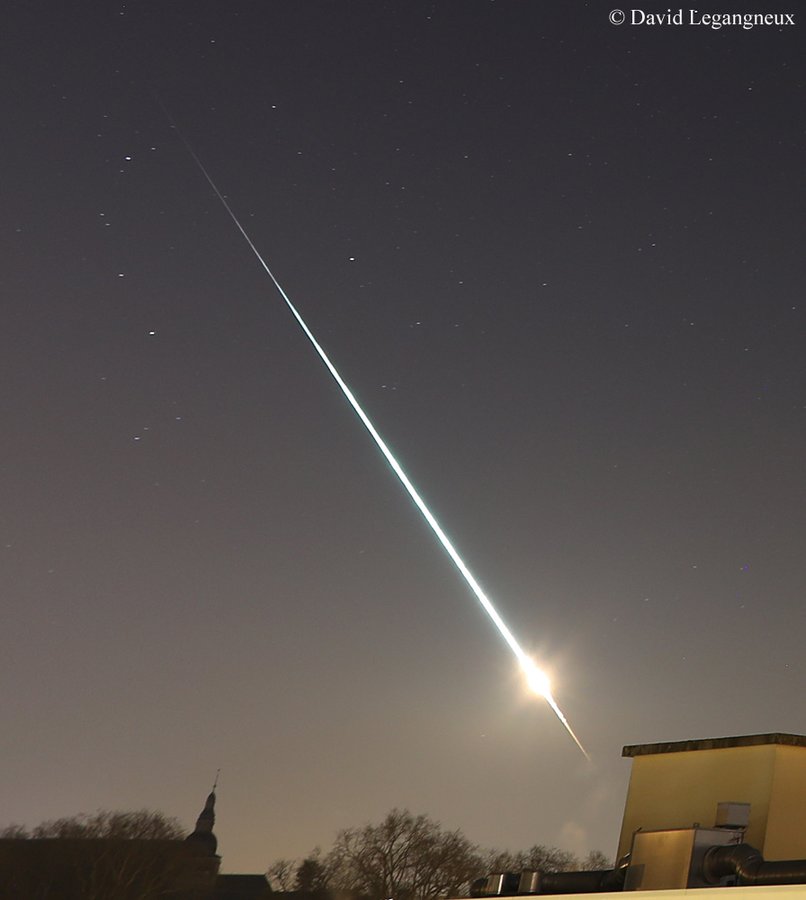
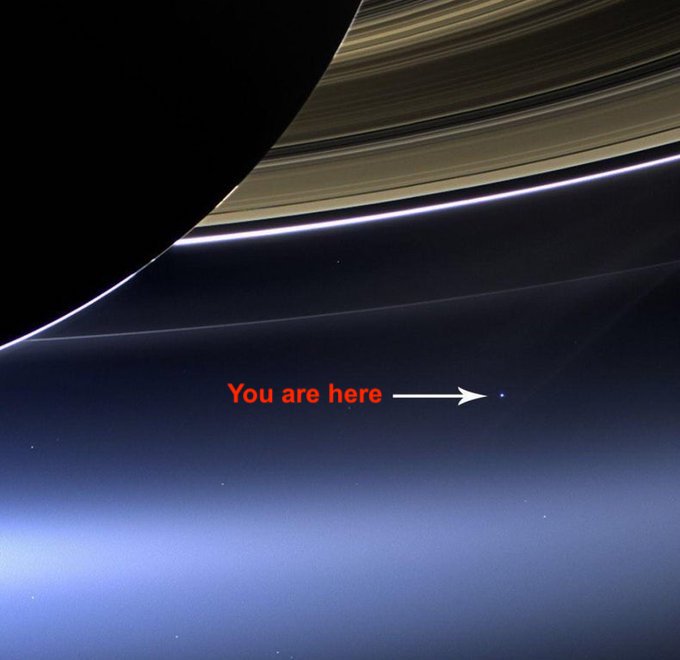
Anyway, “SAR2667” provided some cross-cultural entertainment for people living in England, France, Belgium, and the Netherlands. Lots of photos and videos online.
Interesting note from ESA: they were able to detect it and notify everyone exactly where and when it would disintegrate.
Since there are more than 30,000 of these things that orbit the Sun relatively close to Earth’s orbit, it’s a good thing we’re getting better at detecting them. Maybe we’d better up the ante on deflecting them…
I’ve been testing ChatGPT over the last couple of days. (If you don’t know what this chatbot is, here’s a good NYT article about ChatGPT and others currently in development.)
The avowed purpose of ChatGPT is to create an AI that can create believable dialogues. It does this by scouring the web for data it uses to respond to simple prompts.
By “simple,” I mean sometimes “horribly complicated,” of course. And sometimes a little ridiculous.
Somehow, I doubt that people in the US said “livin’ the dream” in the ’50s…
As has been pointed out, chatbots only generate texts based on what they have been fed, i.e., “garbage in / garbage out.” So if you push the programs hard enough, they will generate racist, sexist, homophobic etc awful stuff — because unfortunately that kind of sick and twisted garbage is still out there, somewhere online in a troll’s paradise.
So far, I have asked the program to:
Write a haiku about winter without using the word “winter”
Write a limerick about an Irish baseball player
Write a dialogue between God and Nietzsche (I just had to…)
Imagine what Jean-Paul Sartre and Immanuel Kant would say to each other (see above) but using US ’50 slang
Have Thomas Aquinas and John Locke argue about the existence of God (that one was fun)
Write a 300 word cause-effect essay about climate change
Write a 300 word compare and contrast essay about the US and Japan
Write a 1000 word short science fiction story based on Mars
Write a 1500 word short science fiction about robots in the style of Philip K Dick
Last weekend was partly fun (Halloween party with our kids, pre-teen and teen) and partly melancholic (4th year anniversary of my mother’s untimely death from cancer).
But even before then, I just wasn’t feeling all that great. Not sick. Just sort of…not with it. On autopilot, kind of.
Now that fall is well and truly here, the pollen is going away and the skies are clearing.
Hoping I’ll find my muse again.
And, no, I’m not going to write anything about Twitter, elections, or crazy beliefs in satanic rituals making a comeback among the bonkers-crazy folk of my home country. Way too easy.
…there has been a serious erosion of the tradition of skeptical inquiry, of vigorous challenging of government leaders, of public exposure of what the government is actually doing, rather than mere pomp and rhetoric. And it is in this area—skeptical scrutiny, public exposure—where the largest strides, in my opinion, are needed.
I’ve never really experienced the so-called “writer’s block.” Not that I’m bragging…but I often just don’t find I have enough time to write.
By which I mean, writing seriously. It’s easy, however, to find time here and there just to jot down some random thoughts.
(Aside note: if you type really quickly on the WordPress smartphone app, it autocorrect “random” to “radon,” which would put you in an entirely different frame of mind.)
OK, I readily admit that I am once again waaaay behind on my scifi blogging.
At some point last week, I looked up from the mass amounts of work I had left to do and went, “Uh. August 21st? Was that really the last time I posted?”
Uh. Yup.
😣
I’ll do my best to get the rest of Riss’s story online on a biweekly basis, like I promised I would.
On February 9, 1998, Star Trek Deep Space 9 broadcast one of the most important episodes in the entire history of the franchise.
And what it said about society back in 1953 was just as relevant as for 1998. And perhaps even more important for 2021.
Others have written more eloquently about the plot line, the characterizations, the background, the actors (Avery Brooks directed himself, and his performance should have earned him an Emmy). So I’ll just link to:
It’s hard to believe that it’s been 35 years since the disaster that claimed the lives of all seven Space Shuttle Challenger crew members.
I remember it well. Being sent home early without being told. Watching the TV news at home in silent shock with my parents and younger siblings, tears streaming down our faces.
President Reagan’s speech at Congress, made in the place of the traditional State of the Union address, ended with “they slipped the surly bonds of Earth…and touched the face of God.” Probably the finest and most decent thing he ever did (even my parents, who voted for Jimmy Carter and Walter Mondale and intensely disliked Reagan and everything he stood for, couldn’t help but be moved by his words that day).
Thoughtless jokes circulated our school the next week or two. (“What’s the last thing Christa MacAuliffe said to her husband? “You feed the dog; I’ll feed the fish.”)
There was a morbid fascination with the way in which the Challenger crew met their fate. My friends came up with all sorts of gruesome stories they claimed to have “heard,” mostly about body parts washing up on beaches around the Caribbean.
The fact is, we were traumatized. Kids do all sorts of insane things to hide their fears, insecurity, and general inability to answer the question what am I supposed to feel/do/say about this?
Challenger marked a turning point in the US space program. It set NASA back in many ways but also provided great insight into what needed to be fixed, what needed to be done to push forward our knowledge of space and the great beyond.
There is/was no going back. Humanity is a space-faring race and must continue to strive to reach beyond its grasp…”Or what’s a heaven for?”