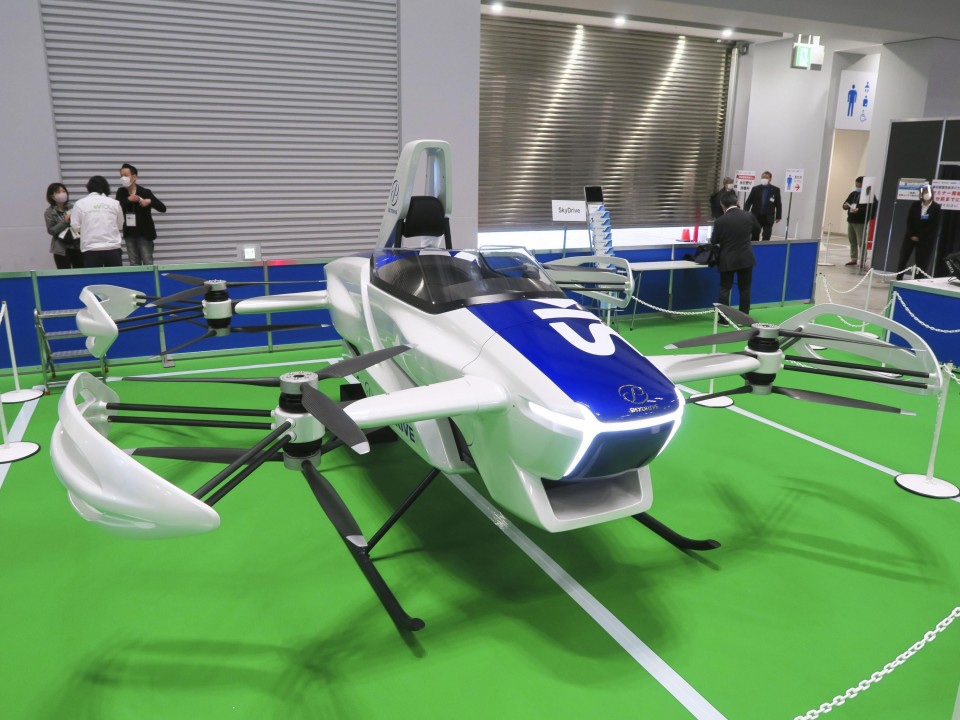
Marty, need a ride?

February 12, 2021
February 4, 2021
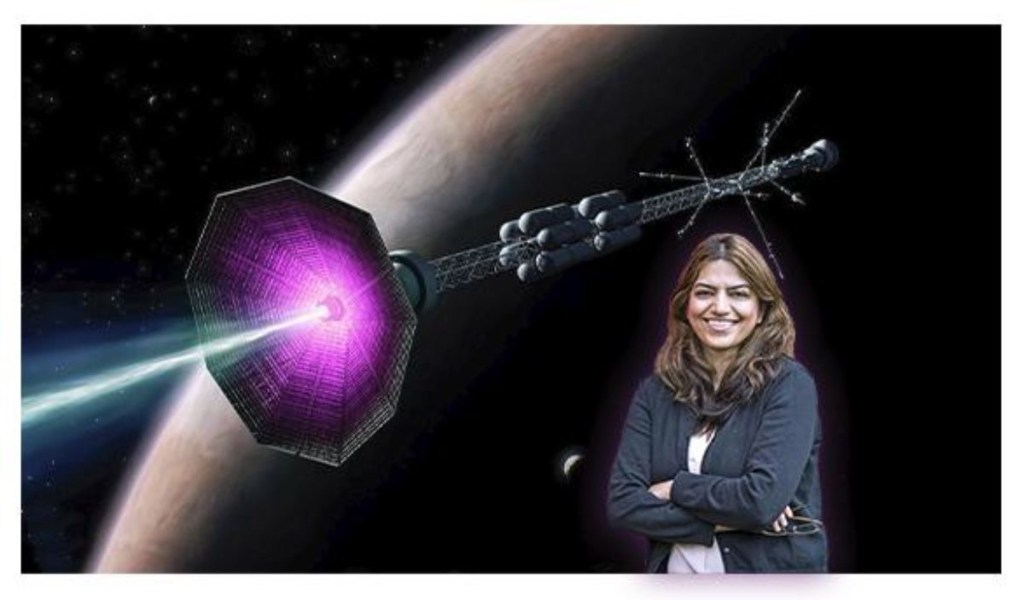
A crewed mission to Mars may be more practical thanks to a new rocket concept developed by Fatima Ebrahimi, a physicist at the US Department of Energy’s (DOE) Princeton Plasma Physics Laboratory (PPPL), that uses magnetic fields to generate thrust.
https://newatlas.com/space/magnetic-reconnection-rocket-thruster-concept-spaceflight-mars/
Looks good so far…
…although it’s just a computer simulation right now and the magnetic thruster model hasn’t even been built yet.
Ah, well, just repurpose an existing ion thruster, right?
Hmm. I’m not a rocket scientist, but.. 🚀
January 27, 2021
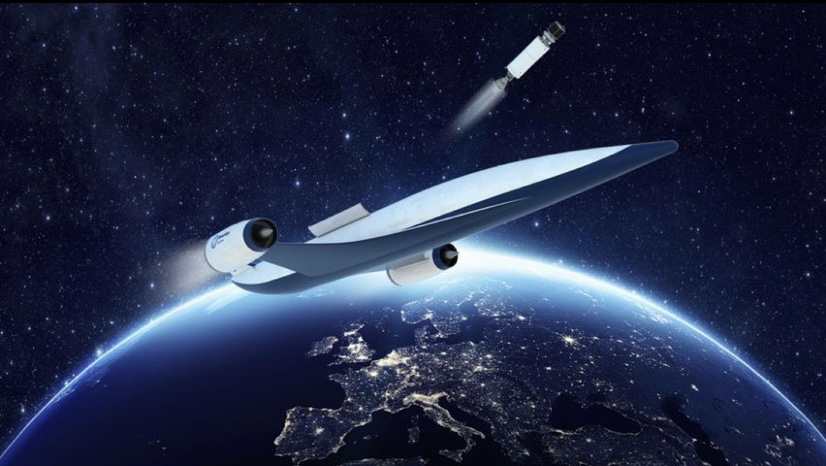
NASA ended the US’s interest in spaceplanes when it scrapped the shuttle fleet a decade ago.
But other space agencies and private companies in other countries are very much in the game. ESA, India, even the UK.
And, of course…
Whichever future the spaceplane does have, it will involve China. “We know very little about the launch [of China’s experimental spaceplane],” says Deville. “But it shows that China is serious about developing its spaceplane concepts.”
https://www.bbc.com/future/article/20210121-spaceplanes-the-return-of-the-reuseable-spacecraft
January 23, 2021

This past Thursday I got a metal spike screwed into my jaw.
And it hurt.
But not as badly as I feared. To be honest, it’s all my fault. Well, all my 20-year-old-self’s fault. Too much soda and not enough brushing and flossing in college.
Damn you, Dr. Pepper!
Continue Reading
November 8, 2020
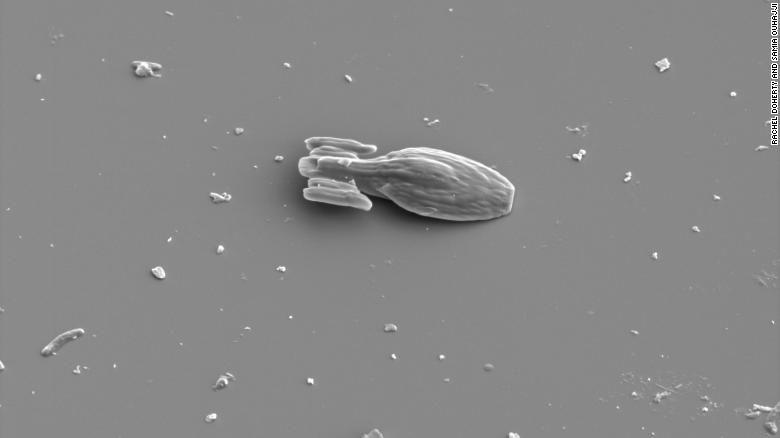
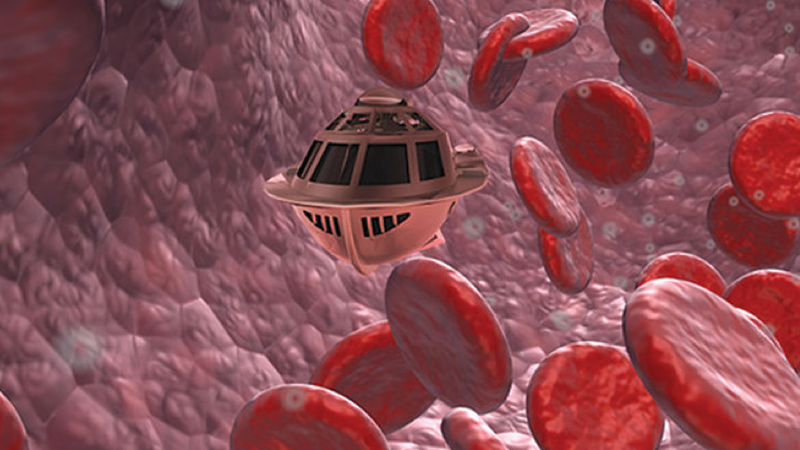
“By studying synthetic microswimmers, we would like to understand biological microswimmers,” Samia Ouhajji, one of the study’s authors, told CNN. “This understanding could aid in developing new drug delivery vehicles; for example, microrobots that swim autonomously and deliver drugs at the desired location in the human body.”
https://edition.cnn.com/2020/11/08/us/star-trek-3d-microscopic-spaceship-scn-trnd/index.html
Another once-science fiction concept turned reality…
…until the next fantastic voyage(r)?
November 6, 2020
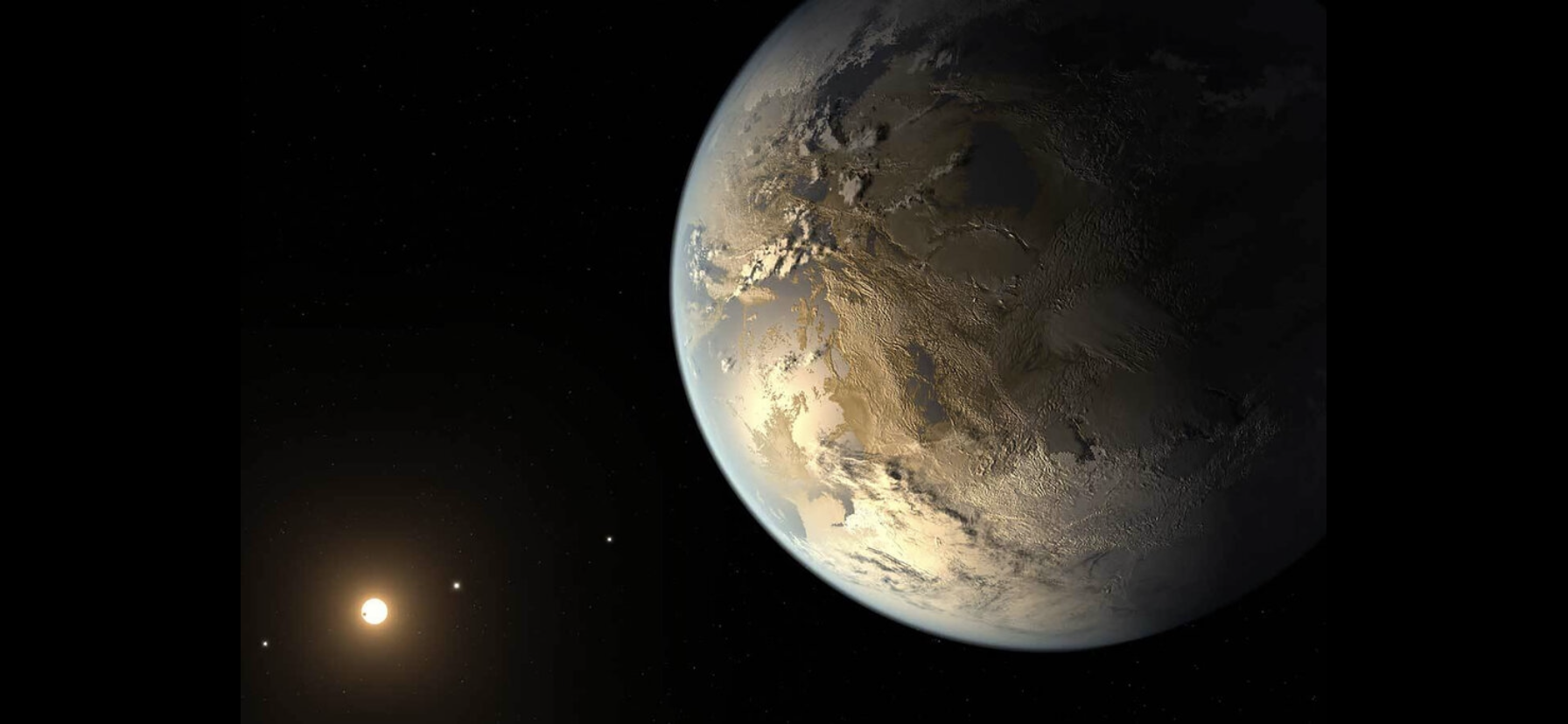
According to NASA estimates there are at least 100 billion stars in the Milky Way, of which about 4 billion are sunlike. If only 7 percent of those stars have habitable planets — a seriously conservative estimate — there could be as many as 300 million potentially habitable Earths out there in the whole Milky Way alone.
https://www.nytimes.com/2020/11/05/science/astronomy-exoplanets-kepler.html
It takes a while to collect, sort through, analyze, write up, endure peer review, and publish data from scientific projects.
That’s why finally we’re seeing this, 11 years after Kepler was launched to scour the galaxy for exoplanets.
Now the real challenge will be figuring out how to get there…
It’s time to move on the next factor in the Drake equation for extraterrestrial civilizations: the fraction of these worlds on which life emerges. The search for even a single slime mold on some alien rock would revolutionize biology, and it is a worthy agenda for the next half-century as humans continue the climb out of ourselves and into the universe in the endless quest to end our cosmic loneliness.
September 1, 2020

I get the attraction of people like Steve Jobs and Elon Musk. They have big ideas. They’re enthusiastic, ecstatic, even. They’re great at simplifying difficult concepts and promoting tech to the lay person.
But they’re not creators. They’re “visionaries.”
I.e., salespersons.
Is that a bad thing? Of course not. I was in computer sales once. It was hard. Only the charismatic are good at it. But I didn’t have the knowledge and ability to make the products I was selling, let alone the power to innovate.
Sticking a chip in a person’s brain and sending thousands to the Moon or Mars sound cool. Possible, even.
But science isn’t sales. Someone might die.
Small difference.
We need visionaries, but scientists are more important. Maybe if they talked to each other…
August 11, 2020

Astronauts on a trip to Mars would be exposed to very high levels of radiation which can cause serious long-term health problems such as cancer and sterility. Radiation shielding can help, but it is extremely heavy, and the longer the mission, the more shielding is needed. A better way to reduce radiation exposure is to simply get where you are going quicker.
Hmm. So putting them in a ship with a giant nuclear fission reactor is safer?
I think somebody may want to come up with a backup plan…

https://www.space.com/nuclear-powered-rockets-to-explore-solar-system.html
August 4, 2020
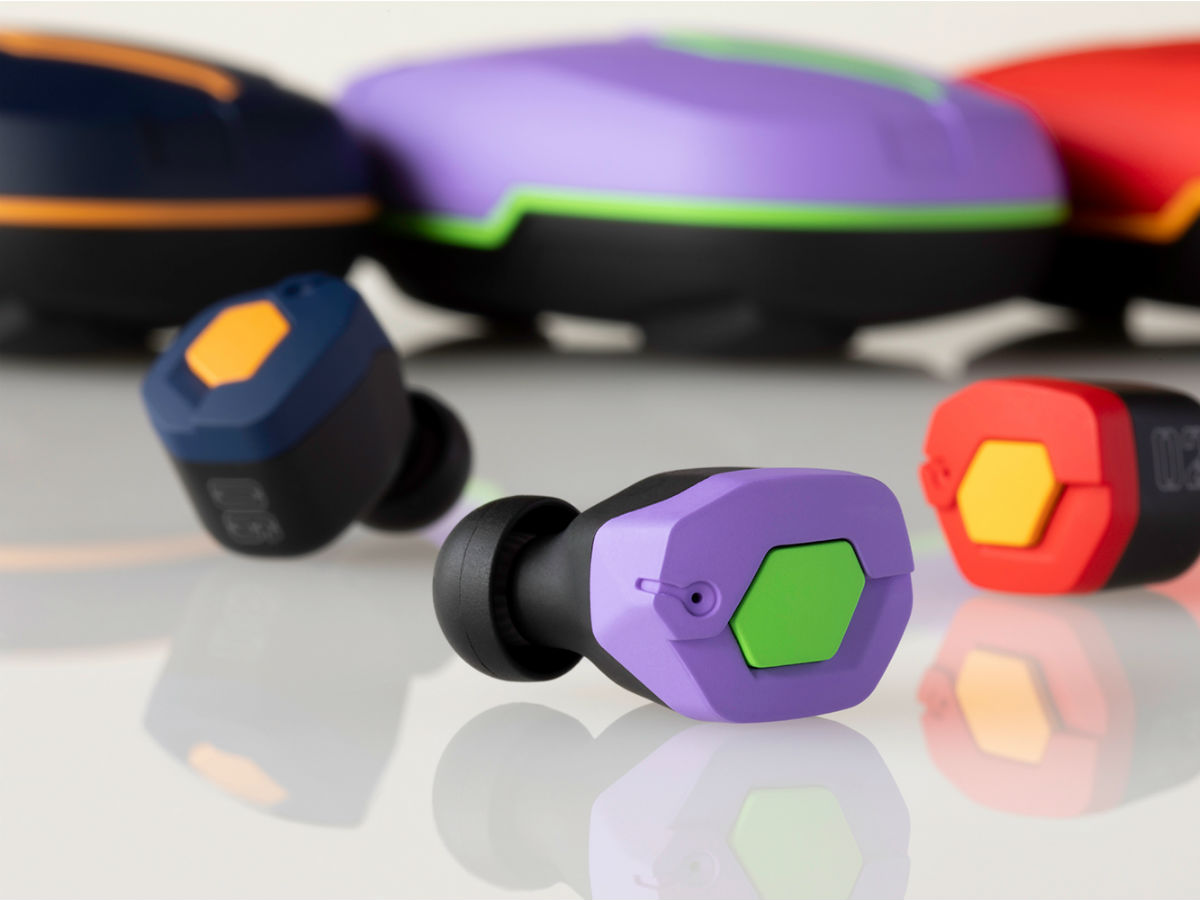
Of course, they’re already sold out…

Hear the Cruel Angel’s Thesis with new wireless Evangelion earbuds
August 2, 2020

The Airbus spacecraft will have to manoeuvre itself into a position to capture these samples that will be packaged inside a football-sized container.
After ingesting this container, the satellite must then prepare it for return to Earth.
This means not only shipping it across hundred of millions of km of space, but also putting the football inside a re-entry capsule that can be dropped into Earth’s atmosphere to land in an American desert.
This would be, indeed, a feat of engineering as well as a first in interplanetary exploration.
But I wouldn’t go so far as to call it an “interplanetary cargo ship.” Unless the intention is to maintain it as a permanent link between research locations (i.e., some kind of permanent orbitor stationed above the Jezero Crater) and research facilities on Earth (or the Moon, or the International Space Station).
Political will is needed in addition to the enormous funding. Semi-privatization, anyone?
https://www.bbc.com/news/science-environment-53575353
Writing Fanfiction in the worlds of Tolkien and Beyond!
Learning more about our place in the universe...
Best Tech Gadgets Advise
Marvel Comics Reviews, Previews and News
Writing blogs is miracle I am a writer blogger and my site mission is to give information on maximum information to audiences
Reflections of an inquiring retiree ...
Bring the Outdoors In, and the Indoors Out
Rock & Metal Reviews That Hit Hard
Short stories | Reflections | Poetry
Read. Reflect. Grow
 M Thomas Apple Author Page