The Airbus spacecraft will have to manoeuvre itself into a position to capture these samples that will be packaged inside a football-sized container.
After ingesting this container, the satellite must then prepare it for return to Earth.
This means not only shipping it across hundred of millions of km of space, but also putting the football inside a re-entry capsule that can be dropped into Earth’s atmosphere to land in an American desert.
This would be, indeed, a feat of engineering as well as a first in interplanetary exploration.
But I wouldn’t go so far as to call it an “interplanetary cargo ship.” Unless the intention is to maintain it as a permanent link between research locations (i.e., some kind of permanent orbitor stationed above the Jezero Crater) and research facilities on Earth (or the Moon, or the International Space Station).
Political will is needed in addition to the enormous funding. Semi-privatization, anyone?
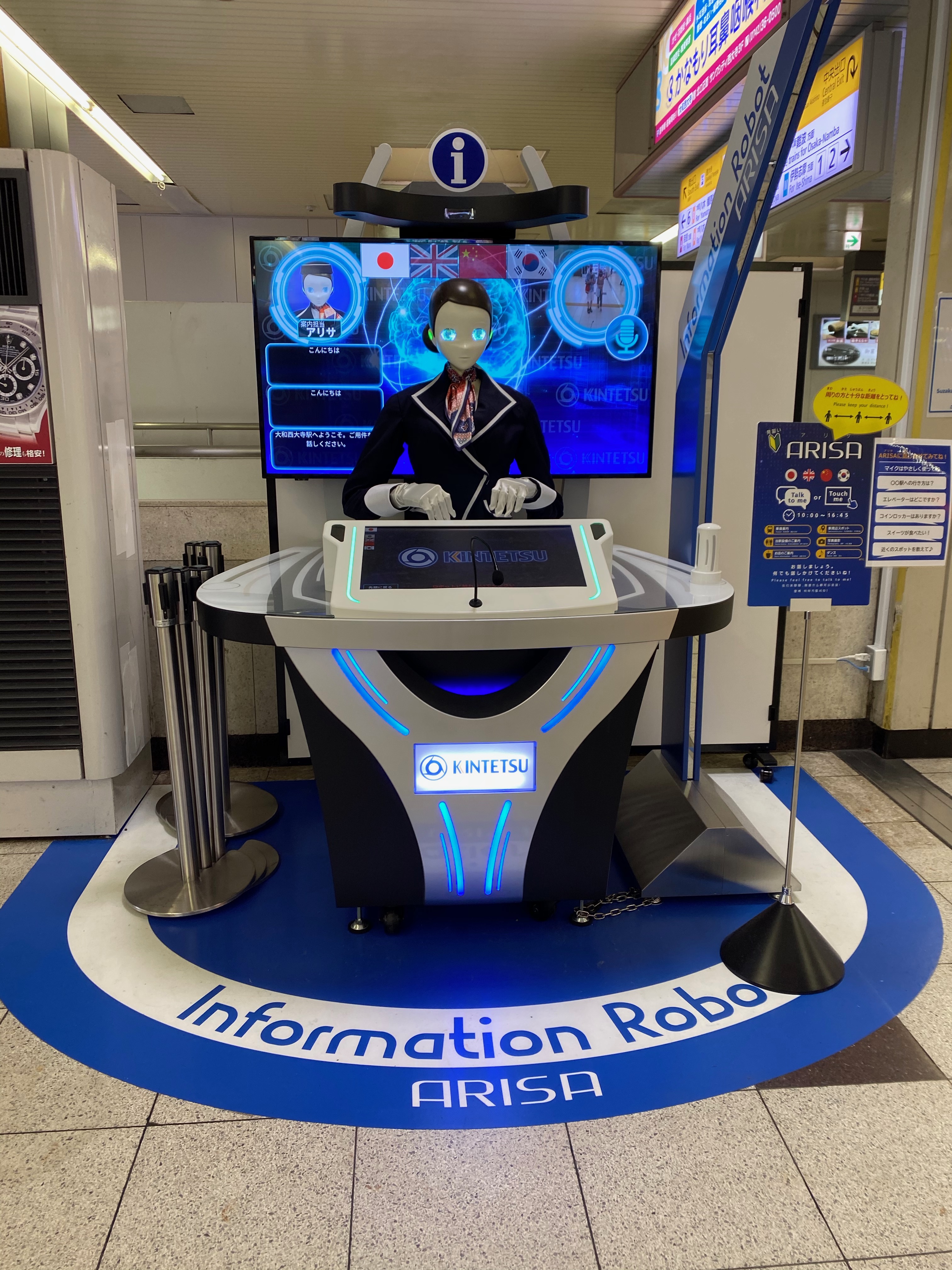
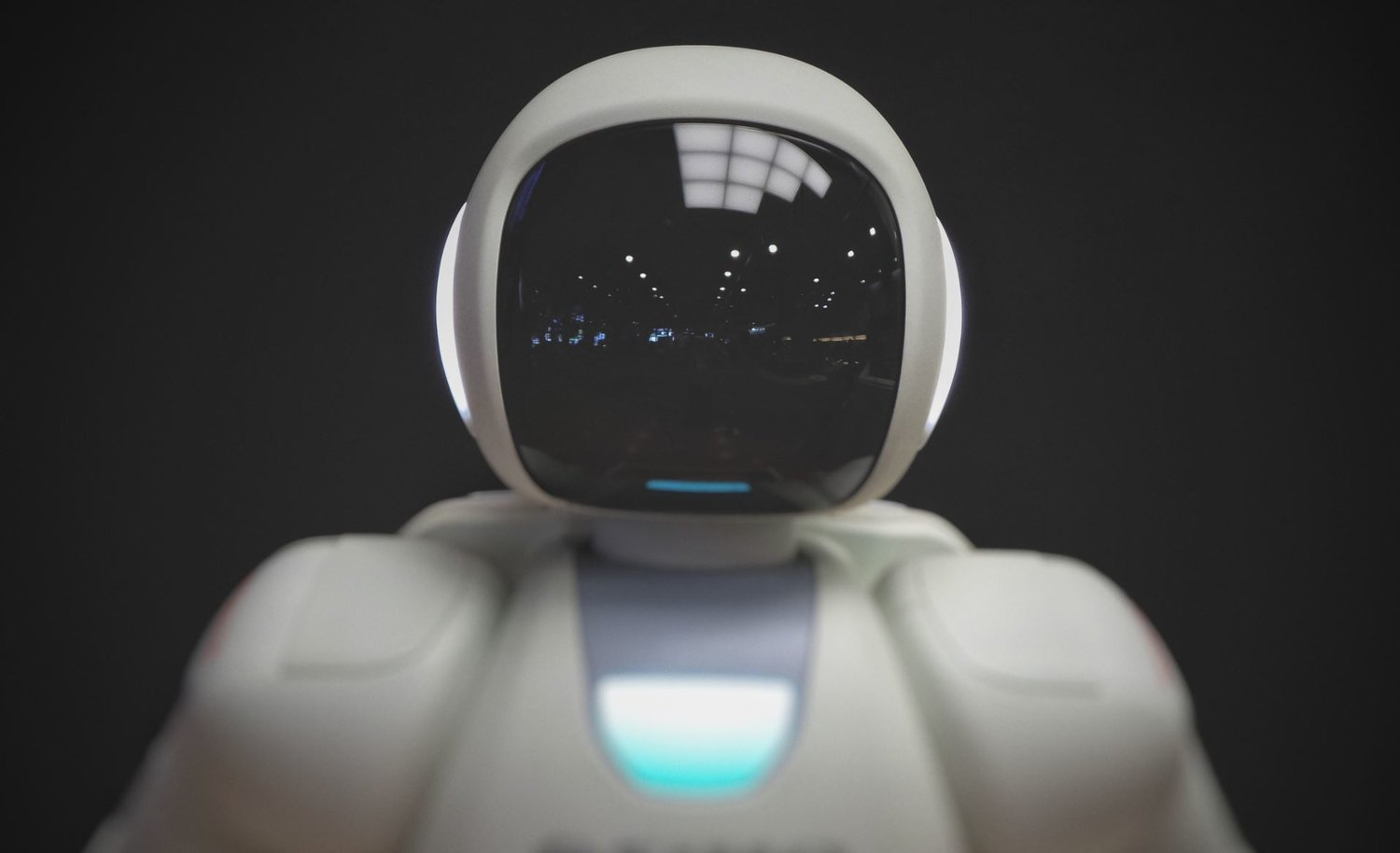
This is Arisa, the “Information Robot.” It was recently installed at Yamato-Saidaiji, a Kintetsu Railway station in Nara City that I travel through to go to work.
Actually, today I went through the station on my way to renew my driver’s license. Interacting with the robot was much easier.
She (oops, I mean “it”?) can speak four languages (Japanese, English, Mandarin, and Korean) at the touch of a panel. But the functionality is still only limited to basic phrases about where to change trains and which platform to use. Still, it’s a first step (toward replacing human-controlled info booths, so get started learning programming, kiddos!).
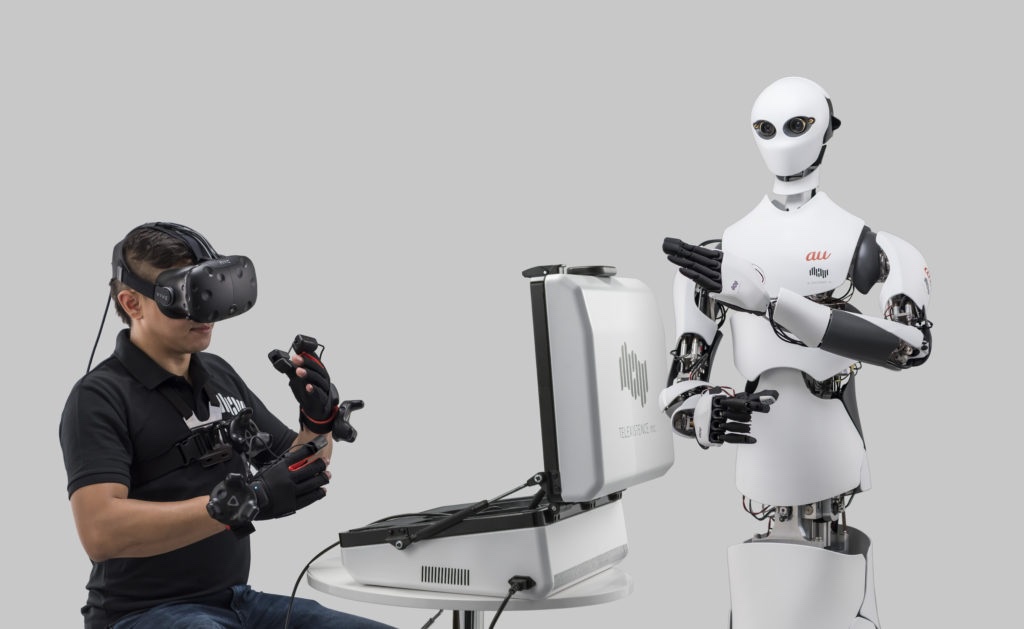
“Rather than turn Family Mart branches into essentially giant vending machines, where products are automatically replaced after a customer selects one for purchase, the plan is to use remote-control robots, operated by human beings using VR terminals at a separate location.”
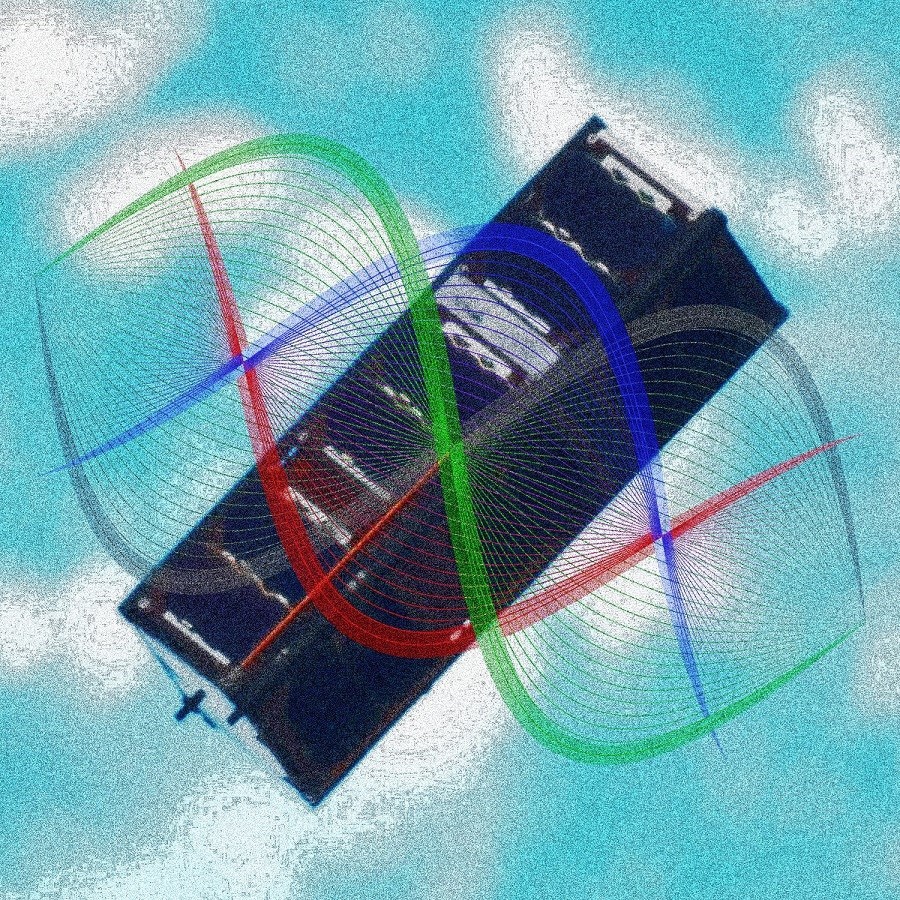
“In the future, our system could be part of a global quantum network transmitting quantum signals to receivers on Earth or on other spacecraft,” says Aitor Villar, lead author of the study. “These signals could be used to implement any type of quantum communications application, from quantum key distribution for extremely secure data transmission to quantum teleportation, where information is transferred by replicating the state of a quantum system from a distance.”
OK, OK, so it’s not the first time quantum entanglement has been demonstrated. But it sure is the smallest. Only 20 cm by 10 cm!
Now we only need a few thousand of these things and a way of somehow making tangled photons actually carry encrypted messages…
(Sorry, thinking of the SF novel I should have published by now…still figuring out the last two chapters!)
See more at New Atlas (note: I seriously doubt the CubeSat actually looks like that picture when it’s doing its thing).
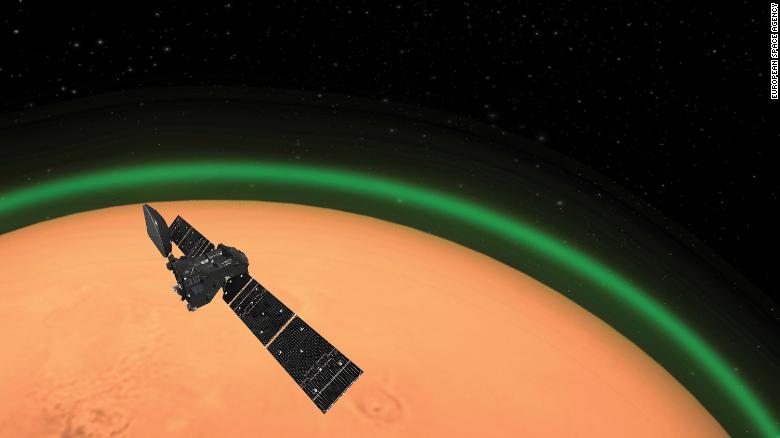
By studying Mars’ green glow, the researchers can understand the structure of this layer in the planet’s atmosphere, better understand its altitude range and even observe any changes in reaction to the sun.
First time to see a “green glow” around another planet. In the case of Earth, it’s mostly caused by oxygen, but Mars’ glow is primarily CO2.
So there really ARE “Green Martians.” Just don’t turn and run!
One day, maybe sooner than we think, a consideration of the ethics of the treatment of rational, sentient machines might turn out to be more than an abstract academic exercise.
From last June, but still a worthy topic for debate, particularly as the use of robots increases for retirement homes, nursery school programs, hotel reception lobbies… (also the topic of a short story I wrote in 2000 but still haven’t published outside of a grad student journal…)