This is not a complaint about Netflix in general (well, not necessarily, but anyway). Without Netflix, I might have gone, shall we say, a little…
…this past winter. I’ve been working temporarily in Montréal, several thousands miles of miles apart from my family, and being able to watch movies and older TV shows has been a great escape from the depressing monotony of single life.
But I feel the need to tell Netflix that I do not appreciate their use of the word “original.” Continue Reading
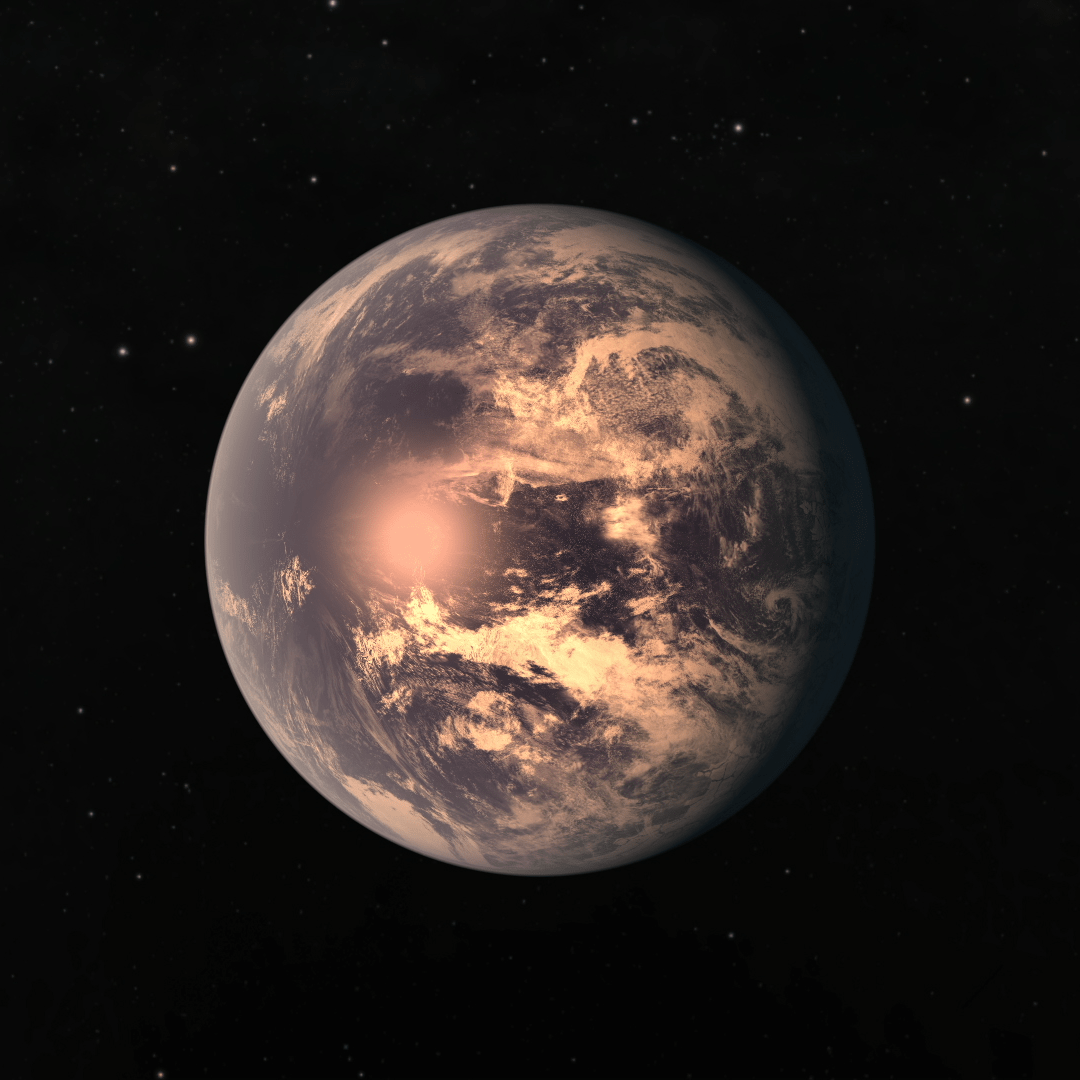
After completing its first year of observations in the southern sky, NASA’s Transiting Exoplanet Survey Satellite has spotted some intriguing new exoplanets only 31 light-years away from Earth.
Um. “Only” 31 light years.
One planet is 22% larger than Earth, has a surface average of around 490ºF, and a year of just under 4 days.
Another is more than 6 times the size of Earth, is a balmy -64ºF, and a year of about 56 days.
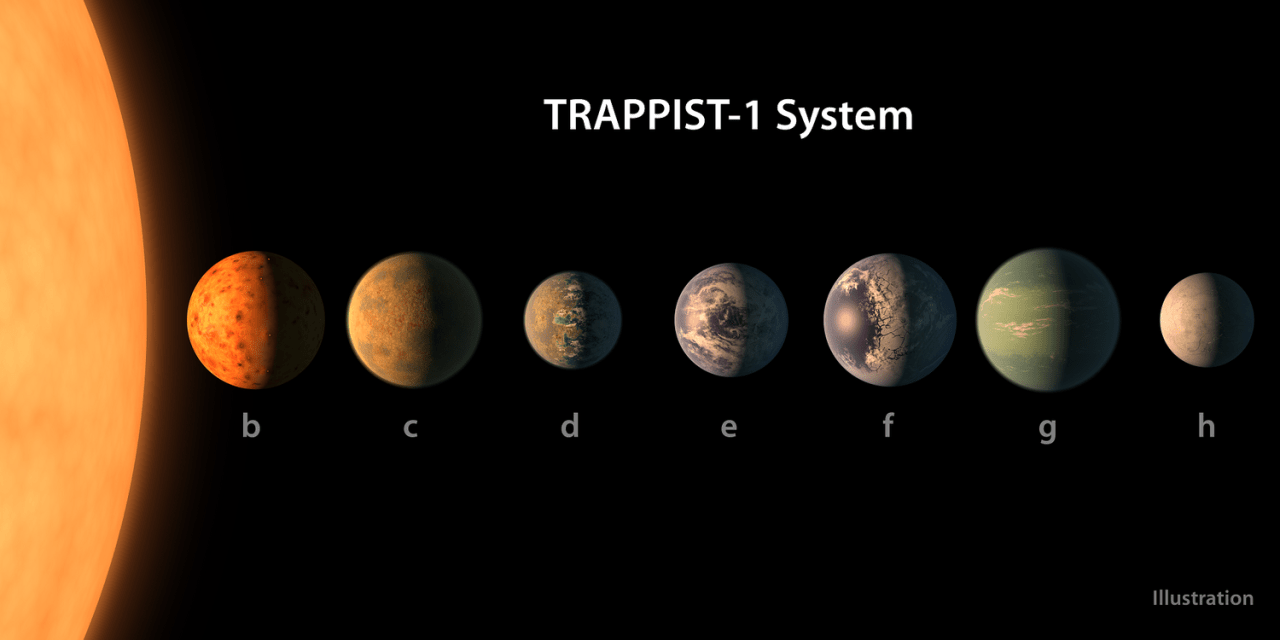
In February of 2017, a team of European astronomers announced the discovery
of a seven-planet system orbiting the nearby star TRAPPIST-1. Aside from
the fact that all seven planets were rocky, there was the added bonus of
three of them orbiting within TRAPPIST-1’s habitable zone. Since that time,
multiple studies have been conducted to determine whether or not any of
these planets could be habitable.
What’s up with the boring names?
I propose we call them Liesl, Friedrich, Louisa, Kurt, Brigitta, Marta, and Gretl. The most habitable is Kurt, because he’s so magnetic.
My award-winning SF novella Adam’s Stepsons featured clones, which as some reviewers noted came a little after the peak of clones (although I wonder if we have yet to hit the “peak,” given scientific progress).
So as I was scouring the net for summer reads, I came across a lot of books about clones and ethical dilemmas (or lack thereof).
The main article I’ve linked here is from Tor.com, which often posts great stuff about SF Continue Reading
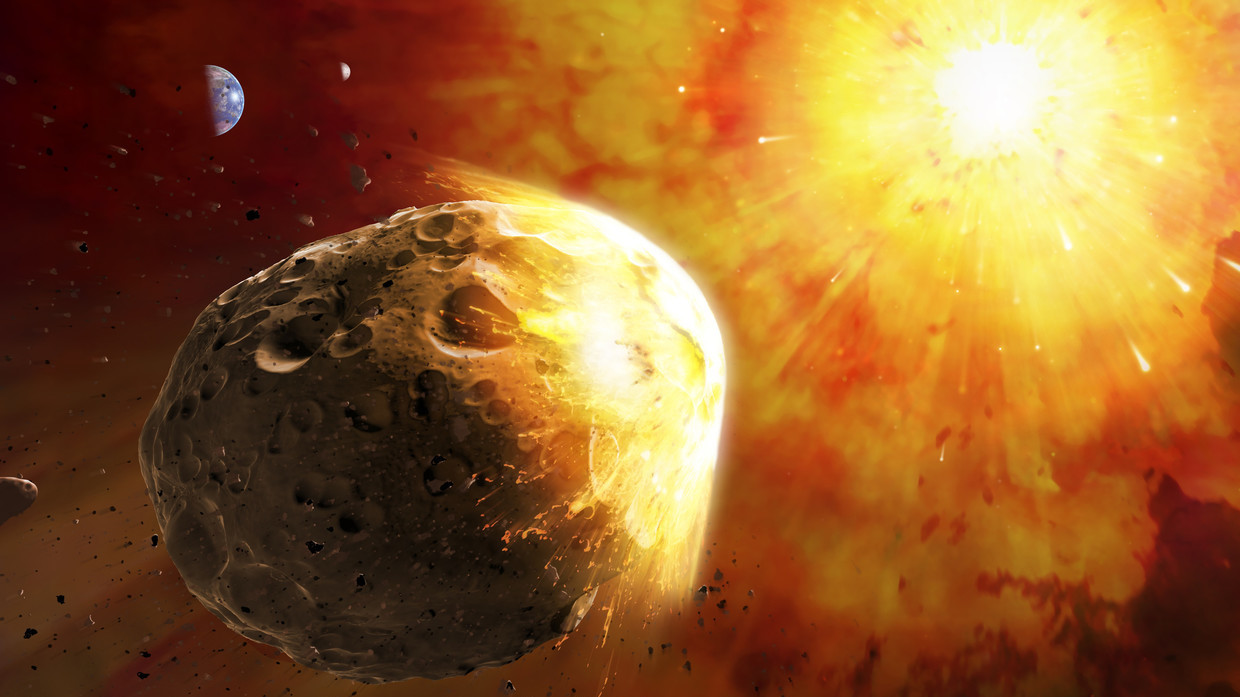
I wrote about this a couple of days ago (based on an article from two weeks prior), but it’s interesting to see random websites suddenly jumping on the “we’ll all get rich!” asteroid mining band wagon. Hey, everybody, let’s copy-paste stuff and not use our brains!
A new article by rt.com even includes two click-bait links to “how gold was formed” that have nothing whatsoever to do with NASA’s probe to (16) Psyche. Of course, we shouldn’t expect any less from an obvious Russian “news” distributor. But in the interests of calling out the bad reporting in this and similar “news” articles spread online recently, let’s give this a hearty smack-down.
As if writers hadn’t already figured this out, Amazon really couldn’t care less about the books of yours they sell.
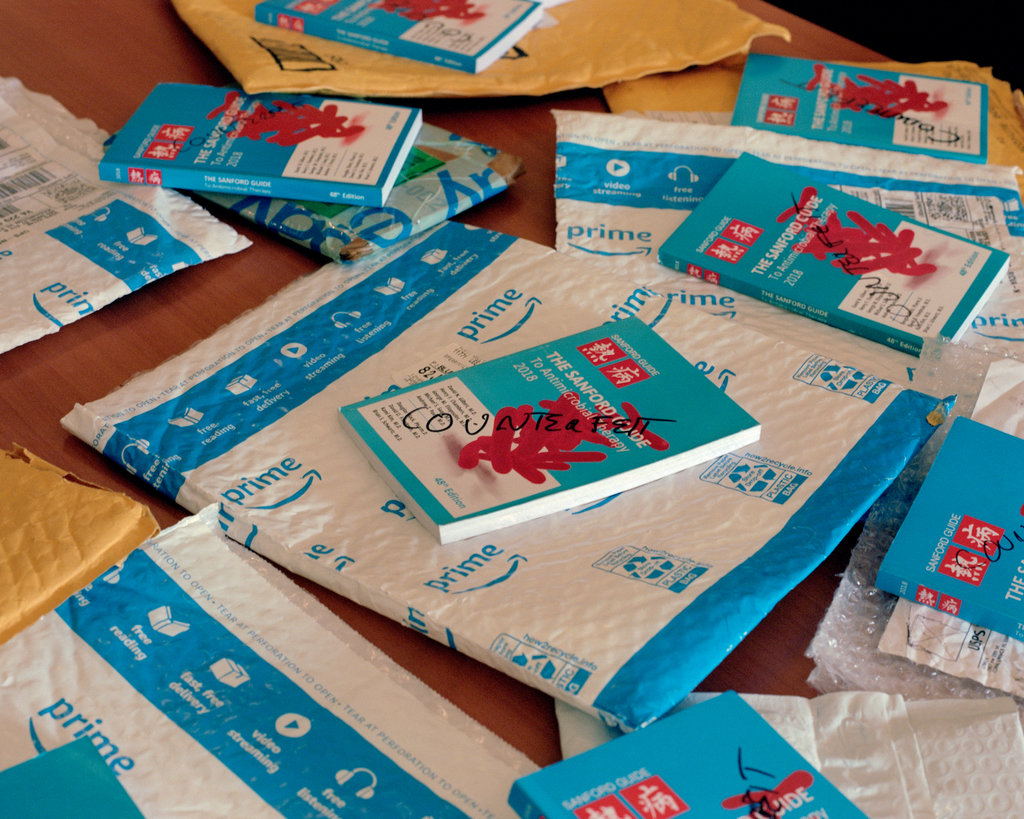
Notice I didn’t write “the books they sell for you.” Because they’re obviously not interested in you making any money. Not when they can allow random “companies” to download your manuscript, slap on their own label, and market it again as a “third party.”
Amazon takes a hands-off approach to what goes on in its bookstore, never checking the authenticity, much less the quality, of what it sells. It does not oversee the sellers who have flocked to its site in any organized way.
Naturally, the reason is that Amazon can’t be bothered policing illegal copies and illegal sales, since, in their minds, all’s fair in the Wild West of the Net.
Even the technically legal copies that are for sale are often copies acquired from people who received copies for review. Which is why I no longer give out books for review (also, services like Goodreads started charging for the privilege of random strangers to steal your book and sell it to a third party).
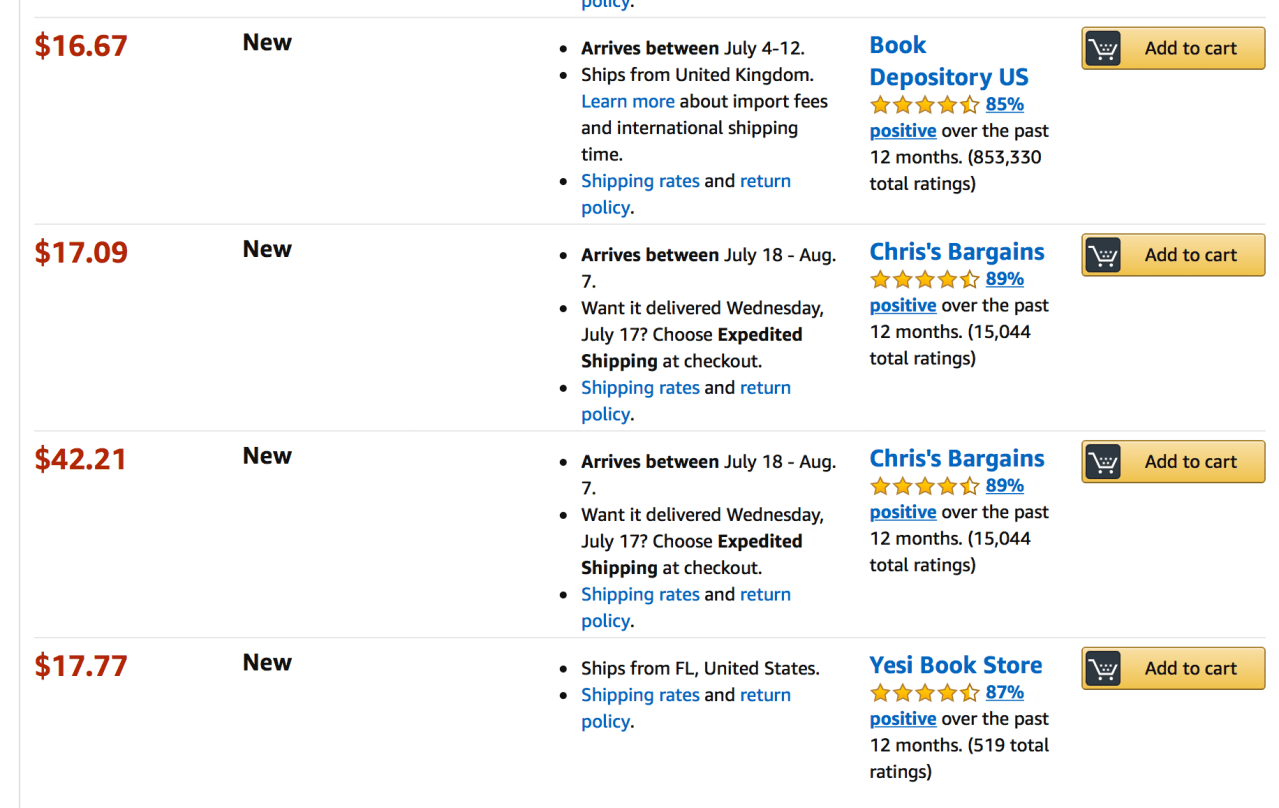
NONE of these “companies” wrote my book, and I did not give permission to ANY of them to resell my book. So why do they get to sell it for up to four times the price I set? Because Amazon doesn’t bother and couldn’t care less.
I used to wonder why my books often appeared in the “available from a third party” menu, with prices varying from twice to even five times the original amount. And why none of the “sales” from these copies showed up in my account. The answer is, of course, Amazon doesn’t really care who gets the royalty as long as they get their cut of the sale.
But we’re trapped, aren’t we? We can scream “fake!” and “unfair!” until we’re blue in the face. In the end, Amazon has grown in power to the extent that the entire world relies on it as a global distributor of, well, pretty much everything.
Except, of course, Amazon, itself, can’t be bothered shipping its own products these days. (More on that in a later post.)
Which is why I’ve started to port my books into other platforms such as Smashwords — but they’re all digital. It’s a shame, because I enjoy (and prefer) reading paper copies of books. But I know I will never be able to stop the Amazon Pirates from stealing my work and my friends’ work.
Shame on Amazon. And shame on all of us for going along with the system.




 M Thomas Apple Author Page