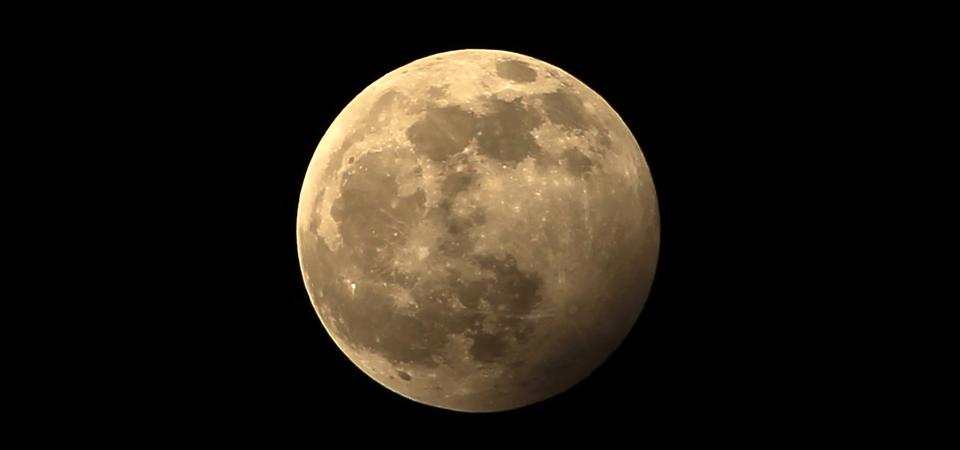
Visible from the Americas, Australia and Asia, the “Beaver Moon” will pass through Earth’s outer shadow (penumbra) at 07:32 Universal Time, causing a slight penumbral lunar eclipse that will see 83% of the Moon visibly darken at 9:42 Universal Time…
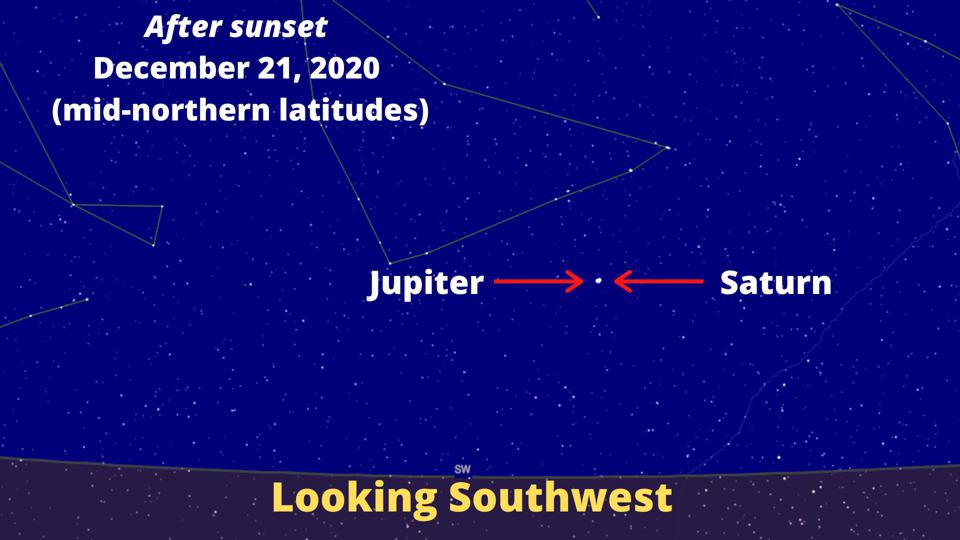
Mars to the East, Jupiter to the South…hey, is that a Saturn?
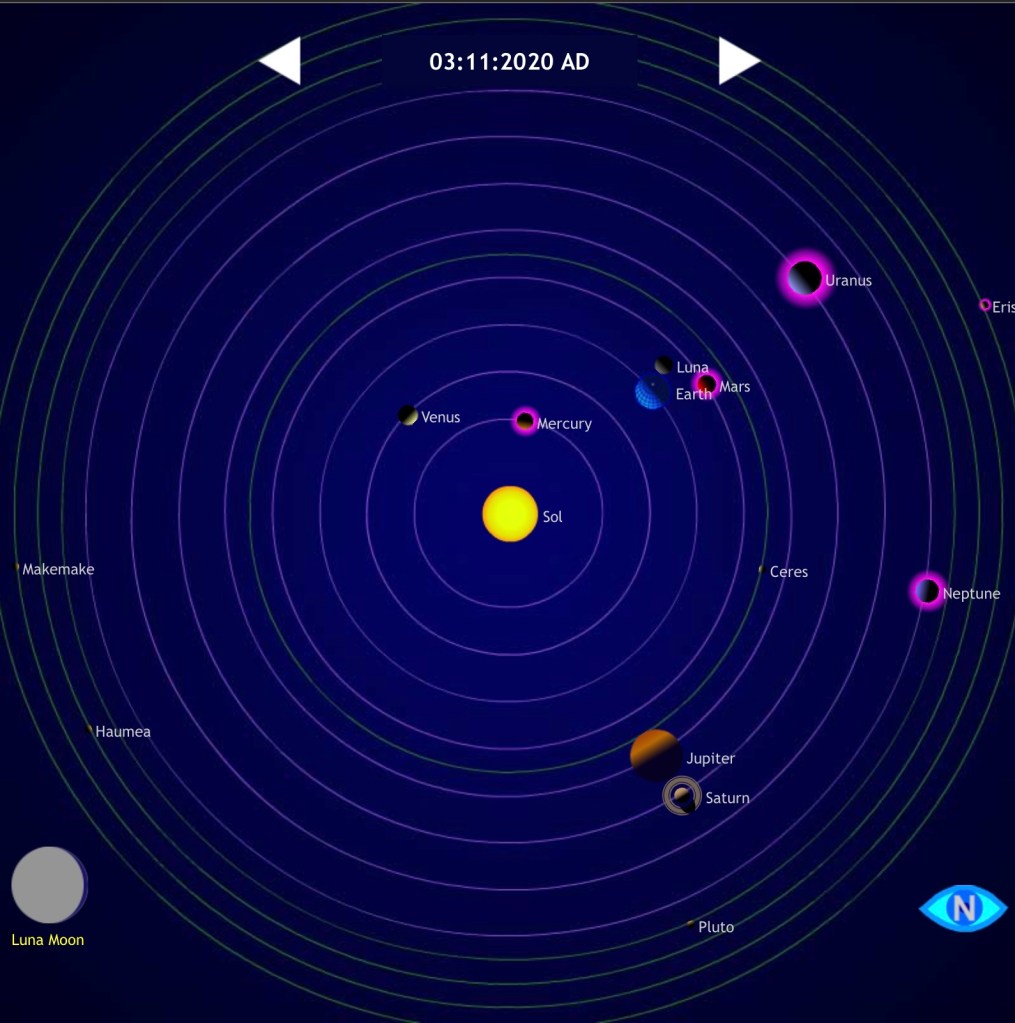
Also, go over to https://www.theplanetstoday.com to see how Jupiter and Saturn are both currently in a heliocentric conjunction (i.e., lined up with the Sun) on November 2nd.
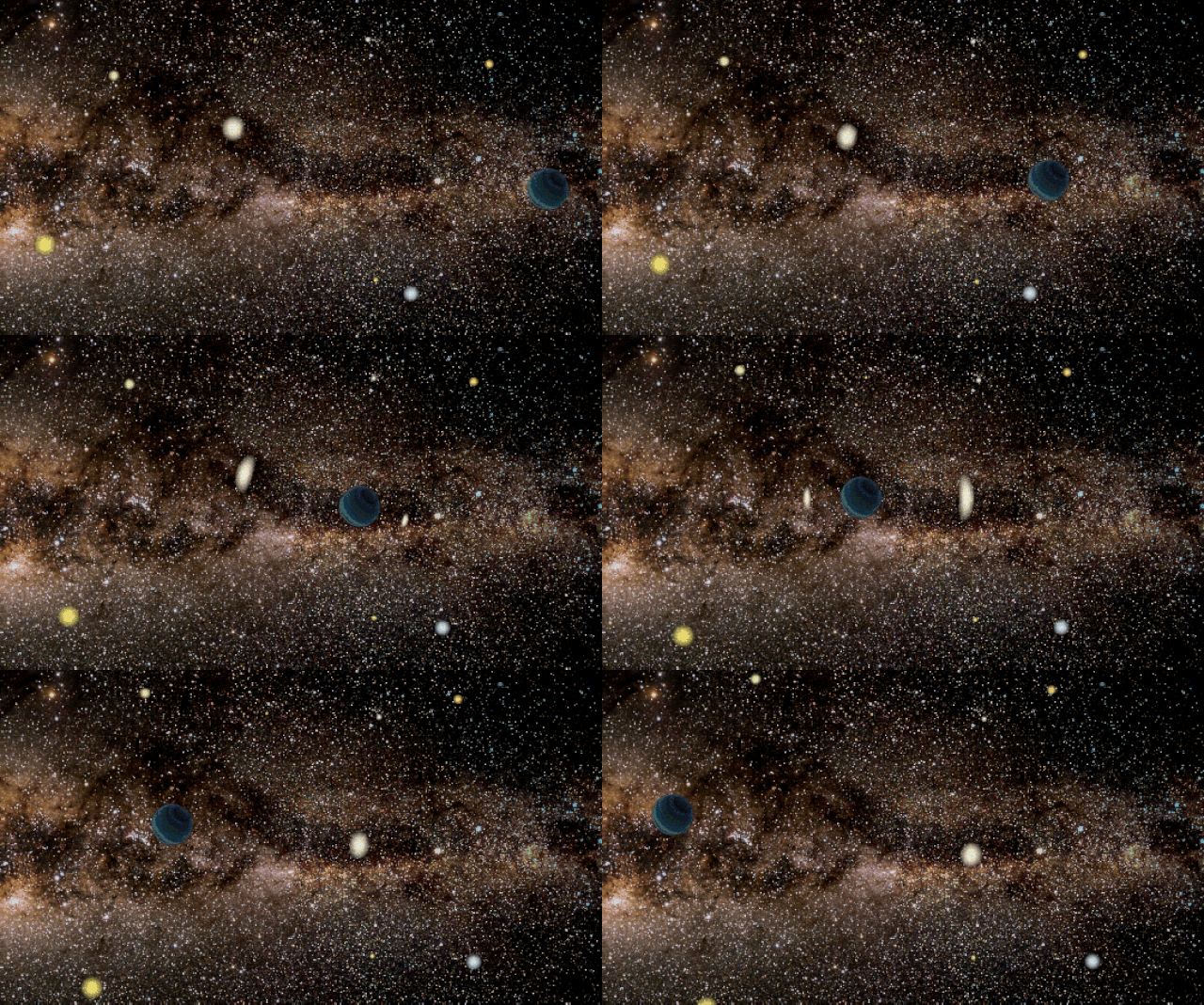
It’s possible our galaxy is filled to the brim with these rogue planets, but this one is particularly unusual for one special reason: it is the smallest found to date — even smaller than Earth — with a mass similar to Mars.
Dropping a shoutout to all my followers, old and new. Thanks for reading!
I’m preparing this week’s installment of Bringer of Light (Chapter 3, Part 2), all the while scouring the web for science and tech news to share.
Anything you want to see shared (or want to share)? Comments on the story so far? Something you want to rant about? (No politics please! Waaay too much of that at home right now. I’d rather keep my head in the stars when possible…)
Bringer of Light: Chapter 3, Part 2 – dropping at 7 p.m. EDT October 31st. No Halloween theme, sorry (that’s a separate post 🎃).
The volcano is about the size of Arizona with a volume100 times larger than that of Mauna Loa’s,Earth’s largest volcano, NASA says. “In fact, the entire chain of Hawaiian islands (from Kauai to Hawaii) would fit inside Olympus Mons!”
Brighter than Jupiter this October! And the closest Mars will be until 2035.
(The photo is from Forbes, but the information was better on The Telegraph.)
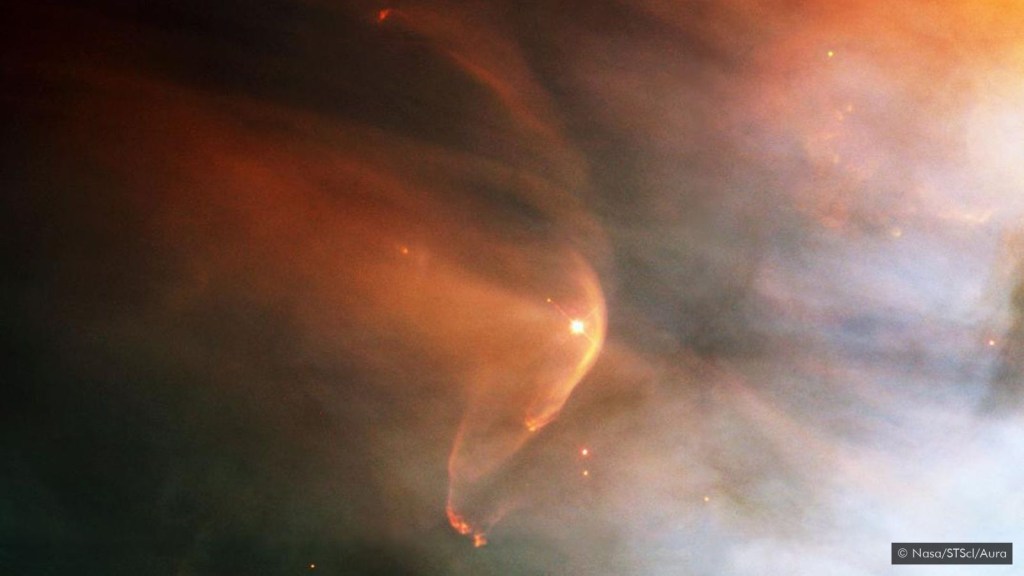
“When you look at different parts of the electromagnetic spectrum, that area of space is very different from the blackness we perceive with our eyes,” says Michele Bannister, an astronomer at the University of Canterbury in Christchurch, New Zealand, who studies the outer reaches of the Solar System. “Magnetic fields are fighting and pushing and tied up with each other. The image you should have is like the plunge pool under Niagara Falls.”
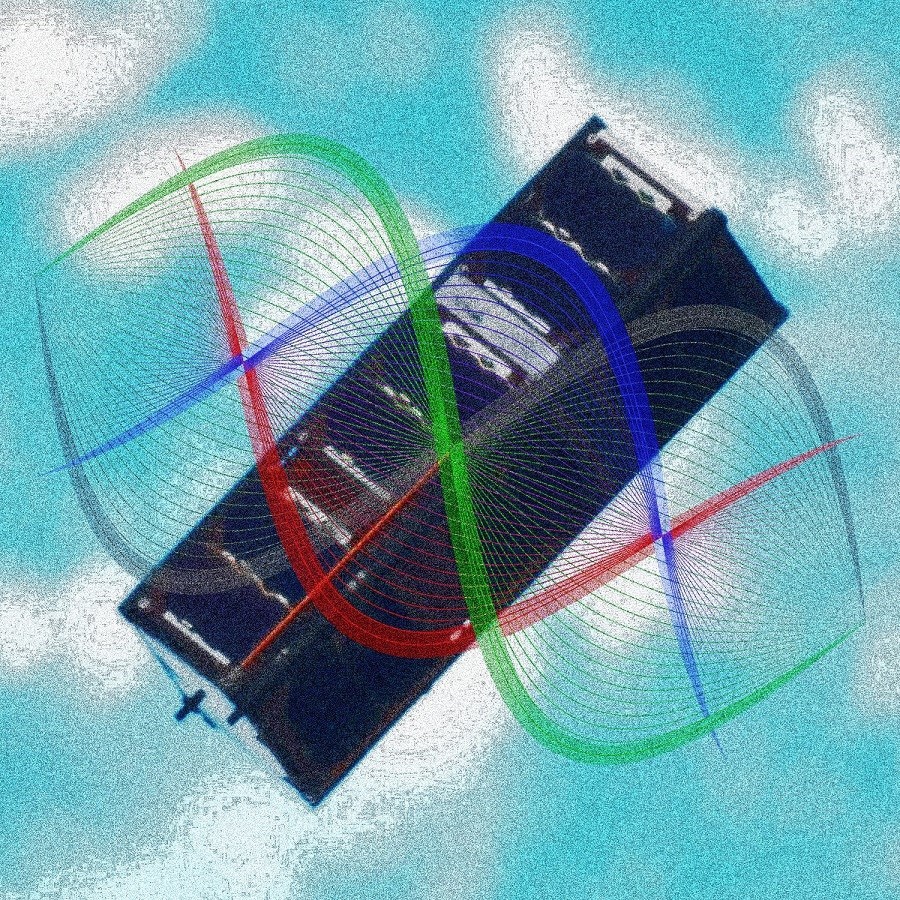
“In the future, our system could be part of a global quantum network transmitting quantum signals to receivers on Earth or on other spacecraft,” says Aitor Villar, lead author of the study. “These signals could be used to implement any type of quantum communications application, from quantum key distribution for extremely secure data transmission to quantum teleportation, where information is transferred by replicating the state of a quantum system from a distance.”
OK, OK, so it’s not the first time quantum entanglement has been demonstrated. But it sure is the smallest. Only 20 cm by 10 cm!
Now we only need a few thousand of these things and a way of somehow making tangled photons actually carry encrypted messages…
(Sorry, thinking of the SF novel I should have published by now…still figuring out the last two chapters!)
See more at New Atlas (note: I seriously doubt the CubeSat actually looks like that picture when it’s doing its thing).
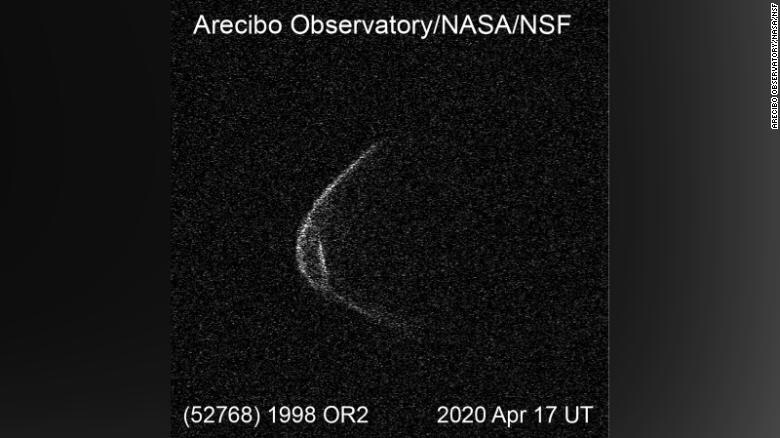
On April 29, an asteroid estimated to be 1.2 miles wide will fly by Earth, but it’s not on a destructive path. And new images of the asteroid make it appear as though it’s wearing a face mask.


 M Thomas Apple Author Page