The lecture about Irish folk songs [note: at the time, I was in the Gaeltacht, west of Galway, learning Irish language] last night, two nights ago, whichever (time has no meaning in this place), was wrong. Why do we write, the léachtóir asked; to communicate; the poet wants to communicate.
No.
That is not why I write. Sometimes I write for fun, to play at words, to play with feelings. Sometimes I try to work out my problems myself in writing (I can’t). Sometimes I write just to relieve tension. Sometimes I write because I have to, because if I don’t get these words out of me and onto paper they’ll rip their way out.
I’ve been testing ChatGPT over the last couple of days. (If you don’t know what this chatbot is, here’s a good NYT article about ChatGPT and others currently in development.)
The avowed purpose of ChatGPT is to create an AI that can create believable dialogues. It does this by scouring the web for data it uses to respond to simple prompts.
By “simple,” I mean sometimes “horribly complicated,” of course. And sometimes a little ridiculous.
Somehow, I doubt that people in the US said “livin’ the dream” in the ’50s…
As has been pointed out, chatbots only generate texts based on what they have been fed, i.e., “garbage in / garbage out.” So if you push the programs hard enough, they will generate racist, sexist, homophobic etc awful stuff — because unfortunately that kind of sick and twisted garbage is still out there, somewhere online in a troll’s paradise.
So far, I have asked the program to:
Write a haiku about winter without using the word “winter”
Write a limerick about an Irish baseball player
Write a dialogue between God and Nietzsche (I just had to…)
Imagine what Jean-Paul Sartre and Immanuel Kant would say to each other (see above) but using US ’50 slang
Have Thomas Aquinas and John Locke argue about the existence of God (that one was fun)
Write a 300 word cause-effect essay about climate change
Write a 300 word compare and contrast essay about the US and Japan
Write a 1000 word short science fiction story based on Mars
Write a 1500 word short science fiction about robots in the style of Philip K Dick
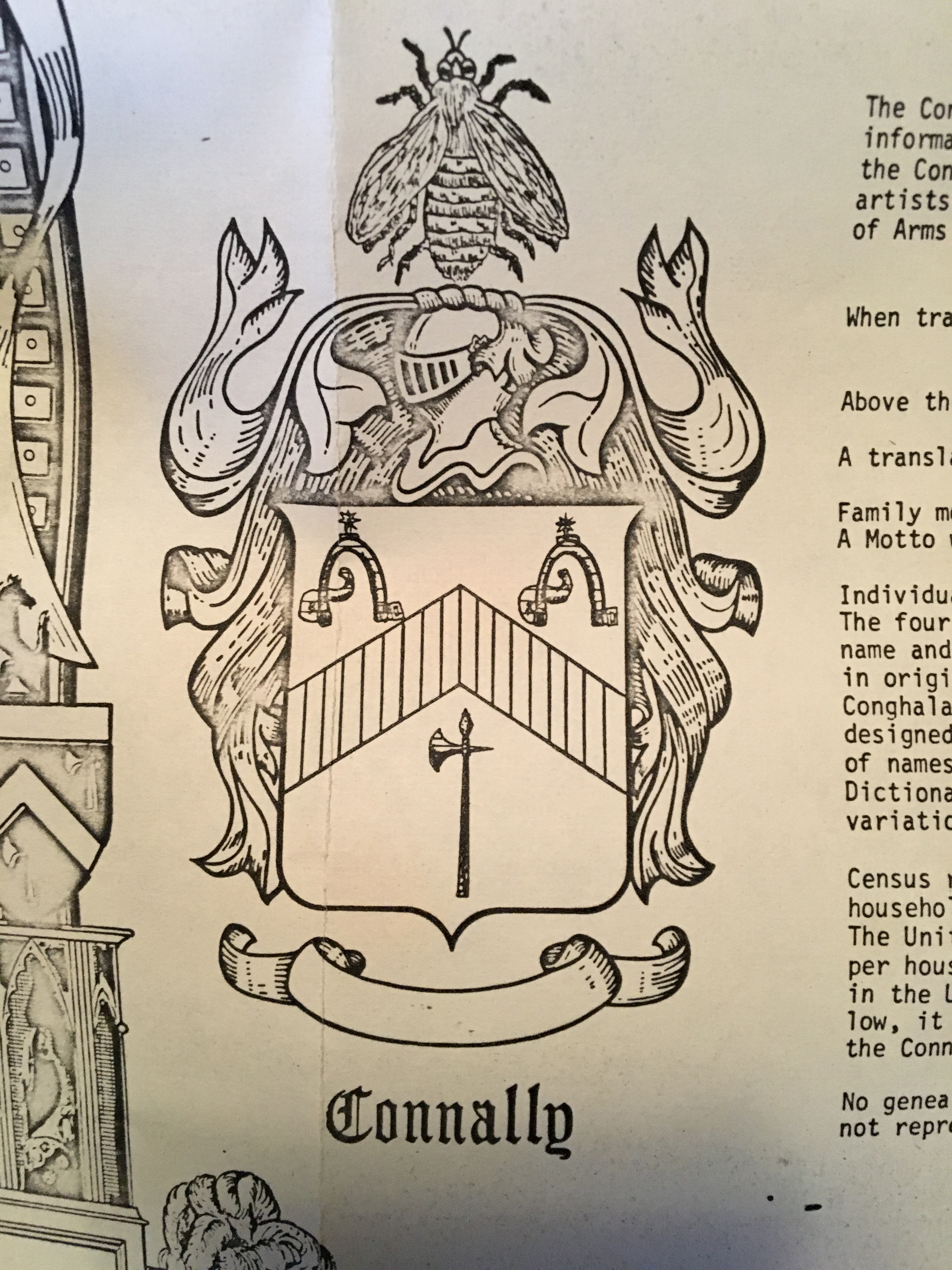
One thing I have struggled with while uncovering my family’s complicated past is the lack of consistency in naming conventions before the digital age.
In the Information Age, if you type in your name or ID with a single letter missing or out of place, your application gets rejected by whatever online program it is you’re trying to get access to. We all have numbers assigned to us—social security numbers, student numbers, worker numbers, case numbers, credit card numbers, you name it.
The past?
Thhppt. What’s a number? What’s a name? That which we would call a rose… Continue Reading
While visiting Montreal and Upstate New York for summer vacation, my family were greeted by an unhappy surprise.
My mother has Stage 4 cancer.
I’ve been spending the past two to three years researching my ancestry (at, you guessed it, ancestry.com) and I had already hoped to talk with my mother about her memories of our Irish and French Canadian heritage.
I’d already managed to find quite bit online via various databases, both public and private. But there’s no substitute for family stories. And now I have a time limit.
From now I’ll be spending some time on the blog briefly explaining the background of some of the stories and poems in my new book Notes from the Nineties (already available for pre-order! Only $1.99!).
The first story in the volume is called “Cois Fharraige,” which used to be subtitled “or, By the Sea,” which is the meaning of the Irish Gaelic (Gaeilge) title. The poem that follows the story (“Ag an gcrosaire,” which means “at the crossroads”) stems from the same time period and experiences.
From 1995 to 1997 I studied creative writing, literature, history, and Irish language in the University of Notre Dame MFA program. (Actually, when I entered the program it was an MA but changed to a “terminal degree” at the end of my first year, but that’s another story…). When I told my roommate that I was studying Irish he first said “don’t the Irish speak English?” And then he added, “Gee, that’s going to improve your job offers” (or some such words). Continue Reading


 One thing I have struggled with while uncovering my family’s complicated past is the lack of consistency in naming conventions before the digital age.
 While visiting Montreal and Upstate New York for summer vacation, my family were greeted by an unhappy surprise.
 M Thomas Apple Author Page