Haven’t posted anything in about five or six weeks. Sorry!
I was going to initially post something about the Boeing crew that got stranded on the ISS, but NASA kept delaying their decision to use SpaceX. It was a given that they’d have no choice.
Boeing, quite obviously, cannot be trusted to spend millions of taxpayer’s dollars and make a proper spacecraft.
Anyway, I’ll start posting something more interesting soon.
In the meantime, here’s a Star Trek TOS selfie by Catwoman. I mean Lee Meriwether. (S3:14, That Which Survives)
The Perseids get their name because the shooting stars appear to stream from a point in the sky where the constellation of Perseus is located…The constellation rises in the northeast, but meteors should be visible all over the sky if conditions are clear.
The best time to watch is after midnight in the northern hemisphere. The meteors are actually debris leftover from the Swift-Tuttle comet, discovered in the early 1860s.
The annual celestial event started this past Sunday and lasts for about two months, but the peak this year is around August 12th.
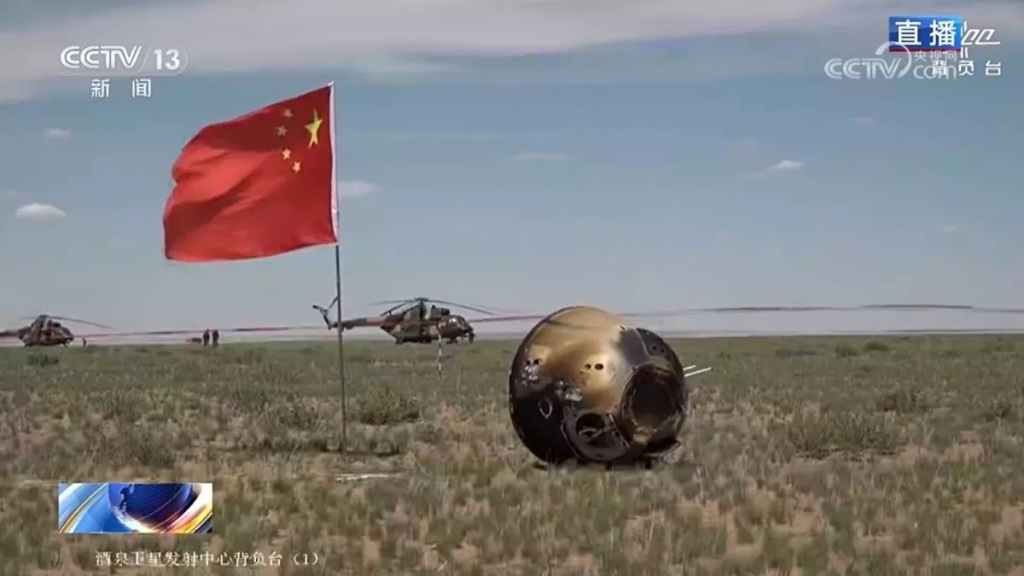
But China has also offered to share at least some of its new moon samples with American researchers, and NASA is allowing the U.S. scientists to submit proposals.
This is a welcome change of heart. International politics need not prevent international space exploration.
On the other hand…
China is not planning a mere short-term, flags-and-footprints presence on the Moon. Their ambition is more like Nasa’s Artemis than it is Apollo. China plans to launch two separate missions to the south pole of the Moon around 2026 and 2028 – including testing using lunar soil to 3D print bricks – as precursors to a lunar base.
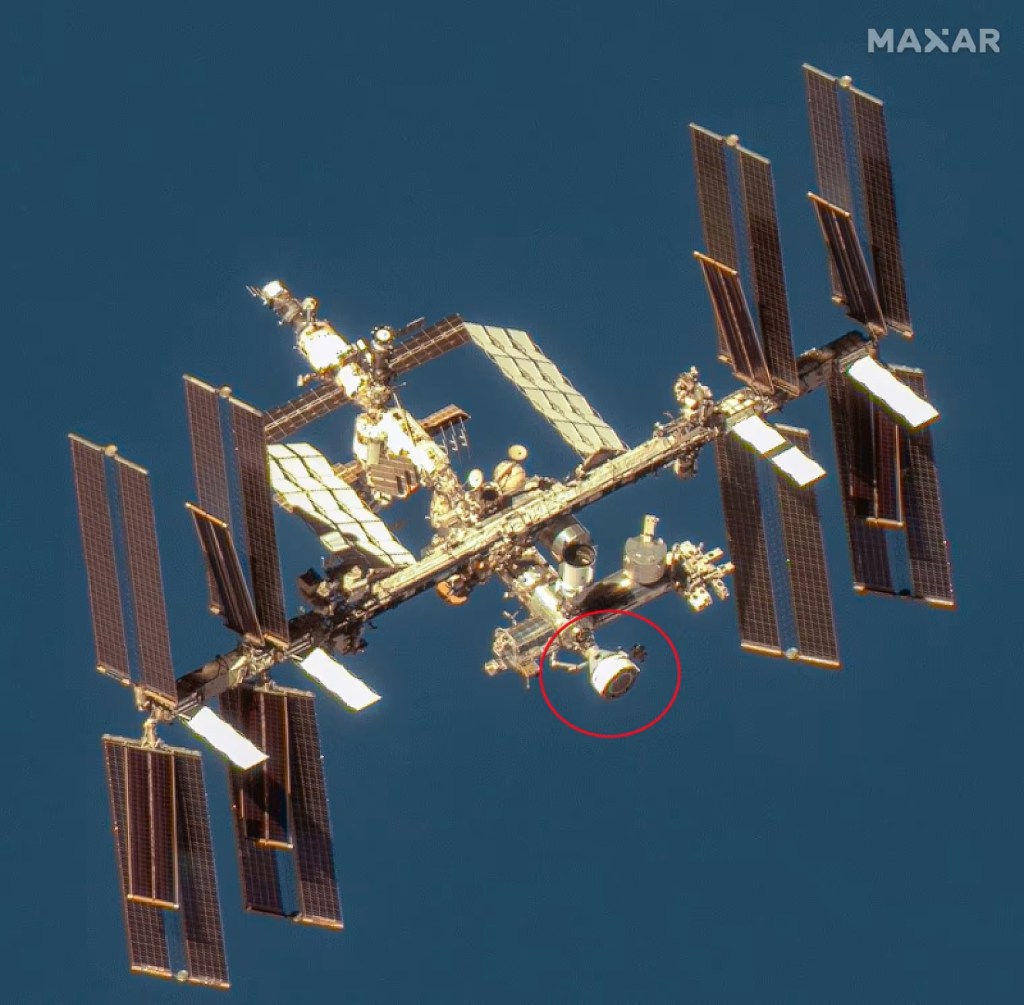
Starliner, the Boeing spacecraft whose launch was delayed by a helium leak, has now developed four additional helium leaks after docking successfully with the ISS.
They had to delay the docking due to a little problem with thrusters…
Five of the 28 thrusters were not operating but, after troubleshooting, Boeing recovered four of Starliner’s malfunctioning jets and NASA allowed the spacecraft to dock.
A contractor for Nasa urged the space agency to conduct more safety checks before the highly-anticipated first launch of its Starliner rocket – which is set to take off as soon as next week – “before something catastrophic happens”.
It was supposed to launch last week, but someone spotted a valve problem — *minutes* before the countdown procedure was about to start.
They’d better check for door plugs while they’re at it.
Boeing does not give a rat’s ass about whoever uses their products. They‘re only interest in paying dividends to stockholders. And of course paying the CEO’s ridiculously high salary.
NASA is trusting the future of space travel to people like Musk and companies like Boeing. Using taxpayer money to reward greed and incompetence.
The South Pole, where power plants are likely to be constructed (without human help…)
“The truth is that nuclear is the only option to power a moonbase,” says Simon Middleburgh from the Nuclear Futures Institute at Bangor University in Wales.
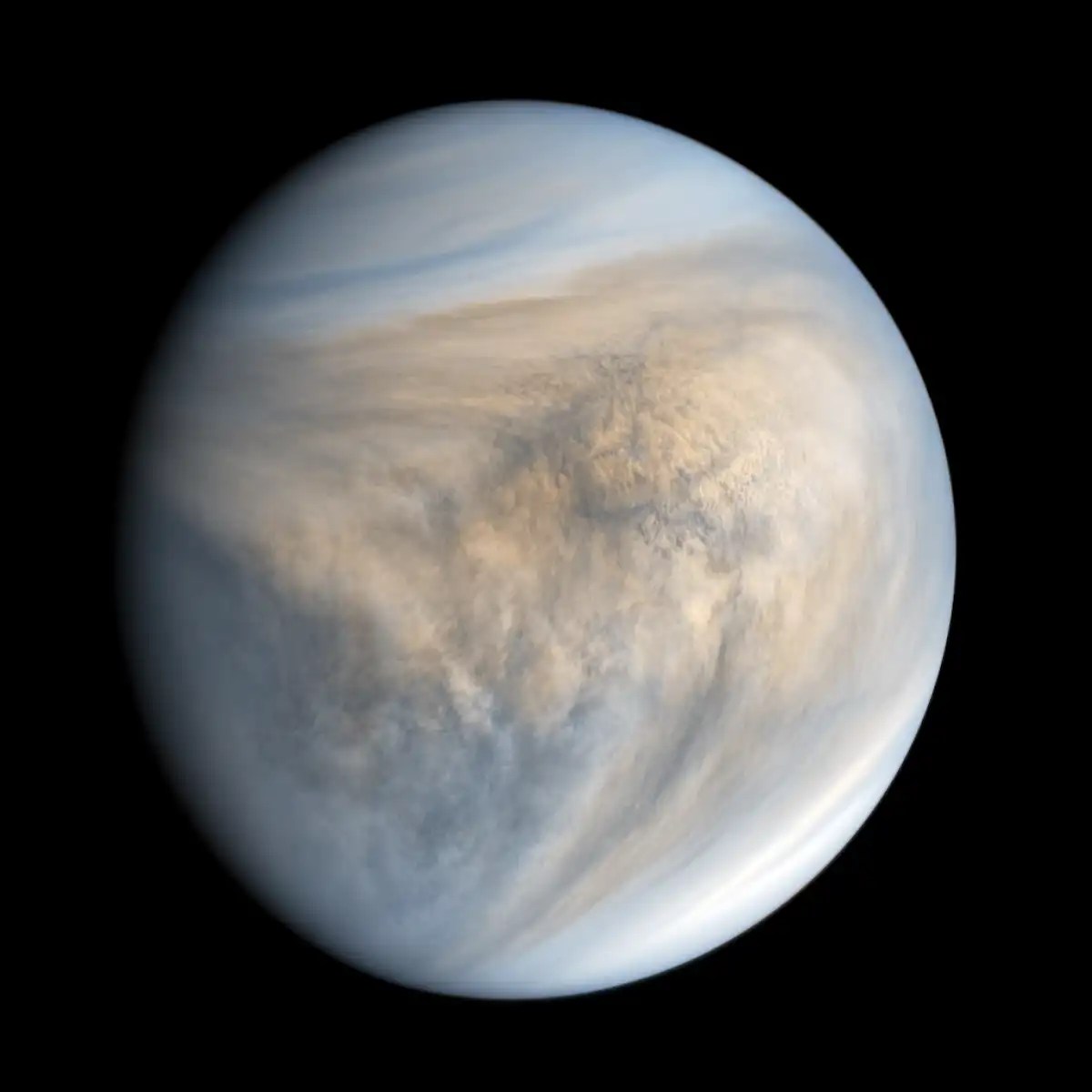
Over time, that water has nearly all been lost. Figuring out how, when and why Venus lost its water helps planetary scientists like me understand what makes a planet habitable — or what can make a habitable planet transform into an uninhabitable world.
The process in which Venus lost most of its water is called “hydrodynamic escape.” When Venus got too hot, the hydrogen in its atmosphere left. (The linked article explains this using a metaphor of having too many blankets on your bed.)
However, Venus is still losing hydrogen, even though there is too little of it for hydrodynamic escape to work. So, logically, there must be another process at work: “HCO⁺ dissociative recombination,” in which individually positively charged atoms of hydrogen, carbon, and oxygen in the atmosphere react with negatively charged electrons. The process was first examined on Mars, and based on a reexamination of results from previous missions (Pioneer Venus 1 and Pioneer Venus 2), the same research group thinks it’s time to try it on Venus…perhaps a first step to seeing whether Venus had life at some point.
NASA says it is once again able to get meaningful information back from the Voyager 1 probe, after months of troubleshooting a glitch that had this venerable spacecraft sending home messages that made no sense.
Researchers will fly rockets into the path of the eclipse, stand in zoos watching animals, send radio signals across the globe, and peer into space with massive cameras.
And you don’t need to be a scientist to take part.
If you’re lucky enough to have no clouds or rain, that is.
Things the eclipse affects:
Radio waves
Animal behavior
The birds and the bees (seriously; read about what tortoises did last time)
Things scientists can view thanks to an eclipse:
The solar wind (plasma on the surface of the Sun)
Coronal mass ejections (which interfere with satellites)
Dust rings around the Sun and possibly even new asteroids
The East Coast of North America, where most of my relatives live, is currently 13 hours behind me in Japan. So the event will be long over by the time I wake up.
Hope to see video of it on the morning news show tomorrow!
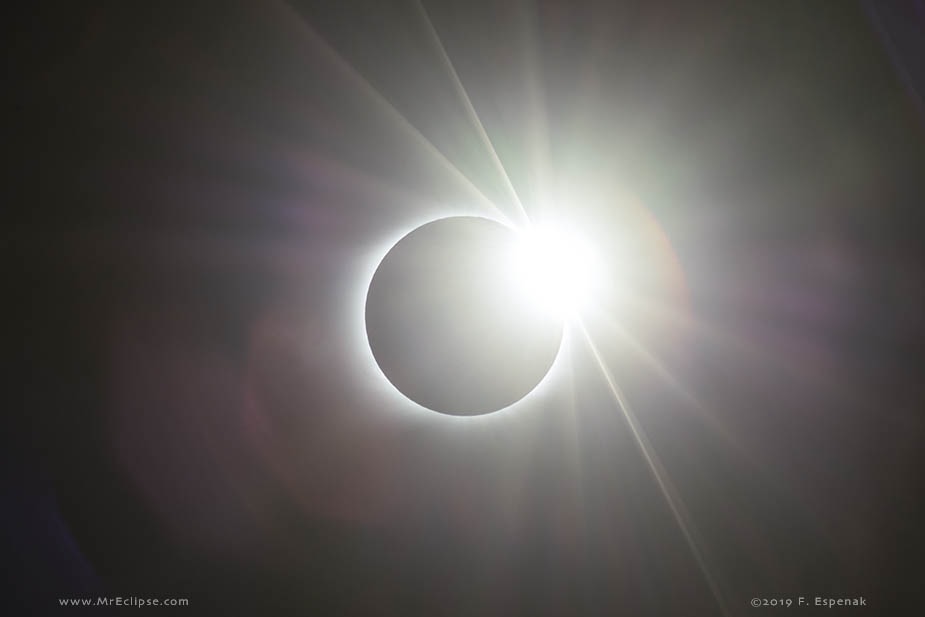
The eclipse begins as a small notch slowly appears along one edge of the Sun. During the next hour, the Moon gradually covers more and more of the Sun’s bright disk. You’ll need a Solar Filter to both view and photograph the partial phases.
On April 8, 2024, there will be a total solar eclipse across parts of North America. It starts on Mexico’s Pacific coast and ends on Canada’s Atlantic coast. (So, no, it’s not just “from San Antonio to the Canadian border” as one article puts it).
I’m a little jealous of friends and family in the path. The eclipse lasts for over four minutes this time — if you’re in the area, enjoy!