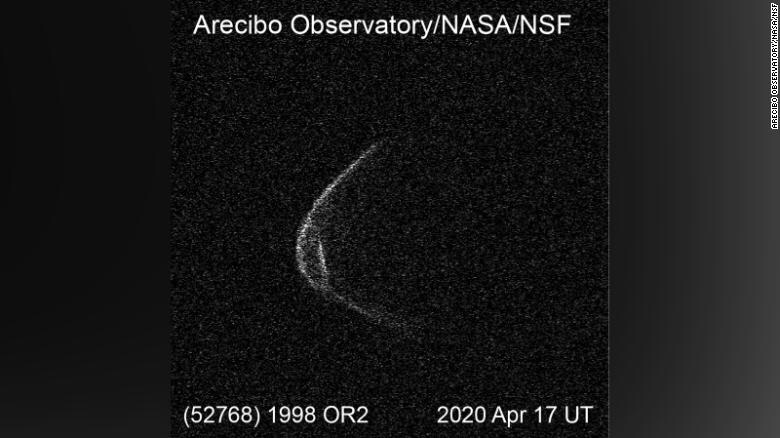
On April 29, an asteroid estimated to be 1.2 miles wide will fly by Earth, but it’s not on a destructive path. And new images of the asteroid make it appear as though it’s wearing a face mask.
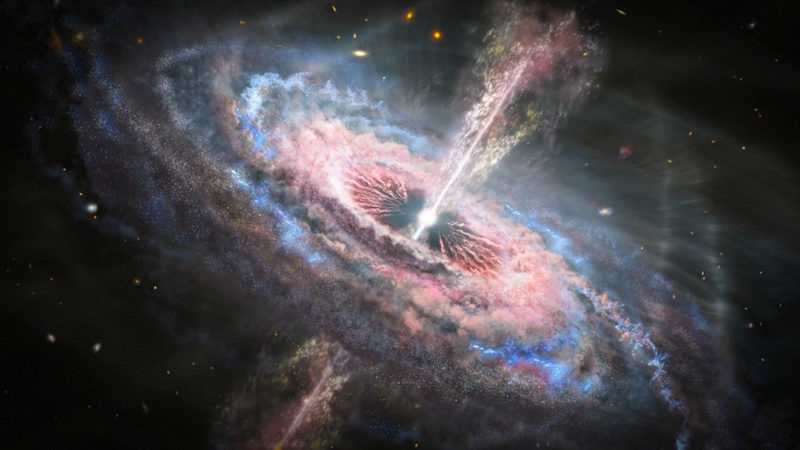
“The most energetic outflow came from a quasar called SDSS J1042+1646 with 5×1030 gigawatts, or 5 million trillion trillion gigawatts. For perspective, a nuclear reactor puts out about one gigawatt of energy, while the total energy of all Milky Way stars is about 1028 gigawatts.”
Tired of corona-related news. Time to relax with a completely science-based, “you are somewhat insignificant in the greater scheme of things” post.
When I was a kid, I devoured books by Jules Verne, in the Classics Illustrated series vocabulary- and grammar-controlled for younger readers.
20,000 Leagues Under the Sea
Voyage to the Center of the Earth
From the Earth to the Moon
Around the World in Eighty Days
Until I was in college, I didn’t even know that he wrote them in French.
Until a few days ago, I didn’t know they were part of a 54-volume set, complete with 4,000 hand-drawn illustrations that are now available online for free.
“Being able to get humans on Mars and actually collecting one of these samples would be such an incredible moment, I would kind of hope it would almost bring us back to the moon days of everyone being glued to the TV.”
Um. Well. OK. TV is dead so we’ll all be watching it streamed on our smartphones, but the point is taken.
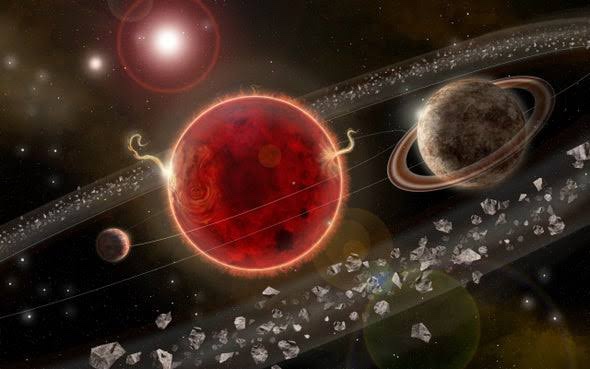
“Proxima is our closest neighbor in an immense universe. How could we not be charmed by it?”
Well, the planet may or may not exist (the confirmation data won’t be publicly available for another couple years).
And it is most likely not inhabitable — despite being dubbed a “Super-Earth” (which really only refers to size and not whether it’s “Earth-like” or not).
“We tried different tools to prove ourselves wrong, but we failed. However, we have to keep the doors open to all possible doubt and skepticism.”
Yes, the astronomers tried to prove their own discovery was a mistake. That’s how it works, folks. Challenge your assumptions, not jump to conclusions. Continue Reading
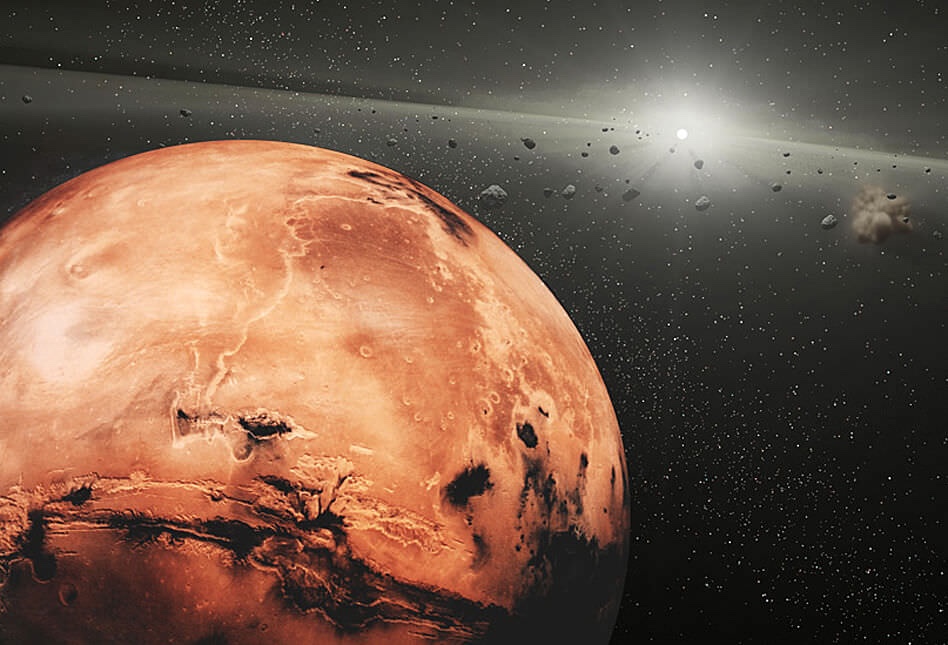
“Without this instability, Mars likely would have had a mass closer to Earth’s and would be a very different, perhaps more Earth-like, planet compared to what it is today.”
Damn you, Jupiter and Saturn! Why couldn’t you have just stayed in your orbits and left Mars alone? (Shakes fist futilely at night sky.)
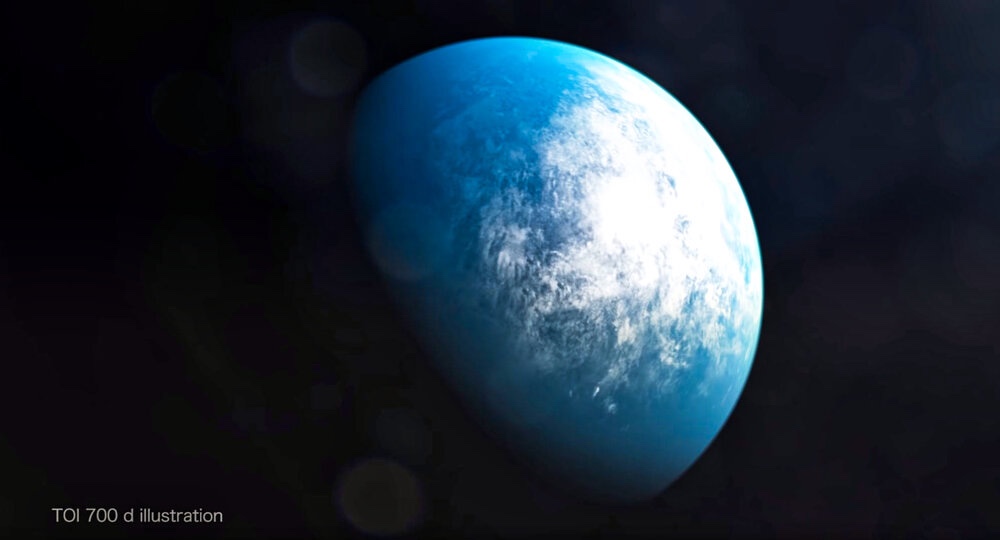
The newly discovered exoplanet, called TOI 700 d, is located about 100 light-years away from us and is roughly 20% larger than Earth.
Okay, not exactly close, but looking good…
A year on TOI 700 d takes 37 days.
Um. Wait. What?
One thing astronomers have discovered though is that TOI 700 d is tidally locked to its star, which means that one half bathes in eternal sunlight, and the other half always exists in darkness.
Oy.
And even better…
One of the burning questions is whether the planet has an atmosphere or not.