One day, maybe sooner than we think, a consideration of the ethics of the treatment of rational, sentient machines might turn out to be more than an abstract academic exercise.
From last June, but still a worthy topic for debate, particularly as the use of robots increases for retirement homes, nursery school programs, hotel reception lobbies… (also the topic of a short story I wrote in 2000 but still haven’t published outside of a grad student journal…)
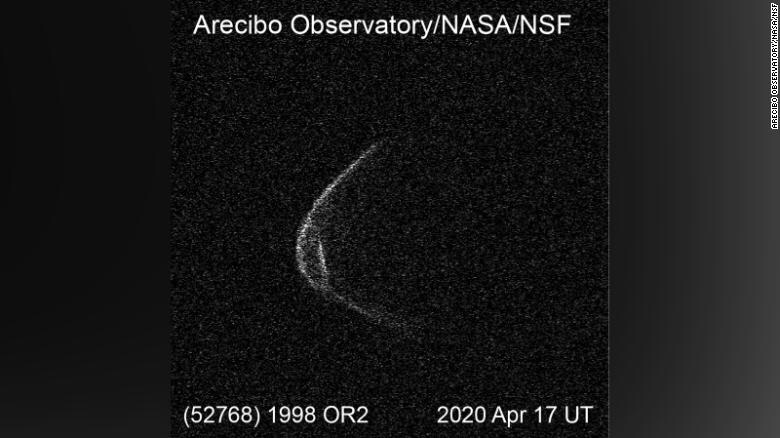
On April 29, an asteroid estimated to be 1.2 miles wide will fly by Earth, but it’s not on a destructive path. And new images of the asteroid make it appear as though it’s wearing a face mask.
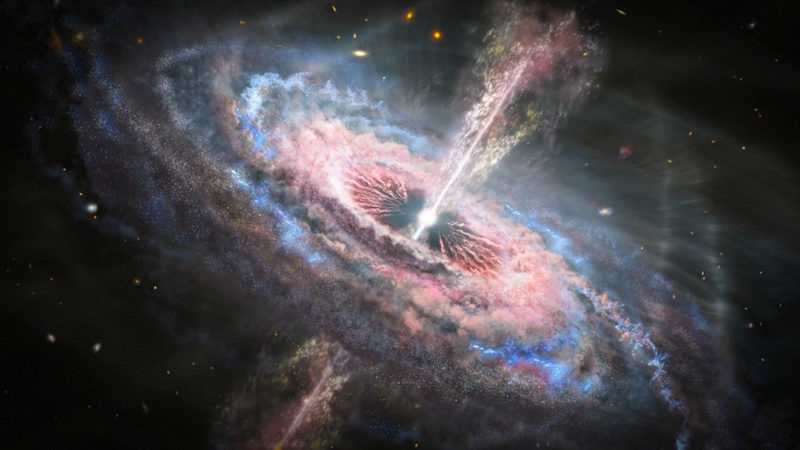
“The most energetic outflow came from a quasar called SDSS J1042+1646 with 5×1030 gigawatts, or 5 million trillion trillion gigawatts. For perspective, a nuclear reactor puts out about one gigawatt of energy, while the total energy of all Milky Way stars is about 1028 gigawatts.”
Tired of corona-related news. Time to relax with a completely science-based, “you are somewhat insignificant in the greater scheme of things” post.
“So, let’s bring the samples back. So if those extraordinary claims are made, they can be verified.”
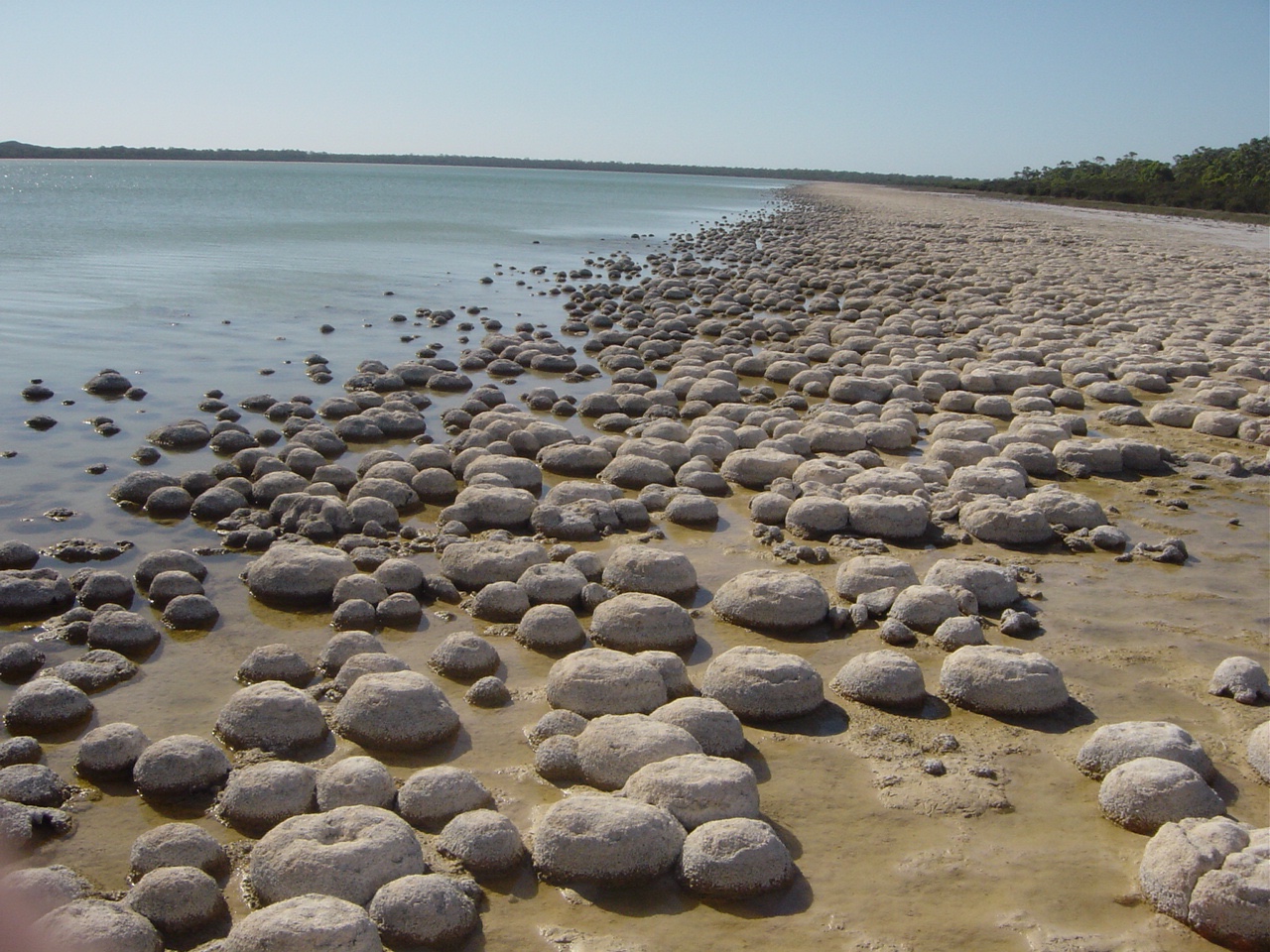
One likely extraterrestrial form of life might resemble a terrestrial form: the stromatolite.
They basically look like big rocks. I visited one site in Western Australia in 2003 with a group of Japanese students who were told by a local guide that the stromatolites were “3.5 billion years old.” (They’re not, but they do look like what life might have looked like at that point.”
So NASA is sending another rover to see if they can find evidence of a similar life form.
‘As far as audio recordings, we previously had only 48 minutes of off-air audio of the BBC coverage from another source. Now thanks to you we have over eight hours!’
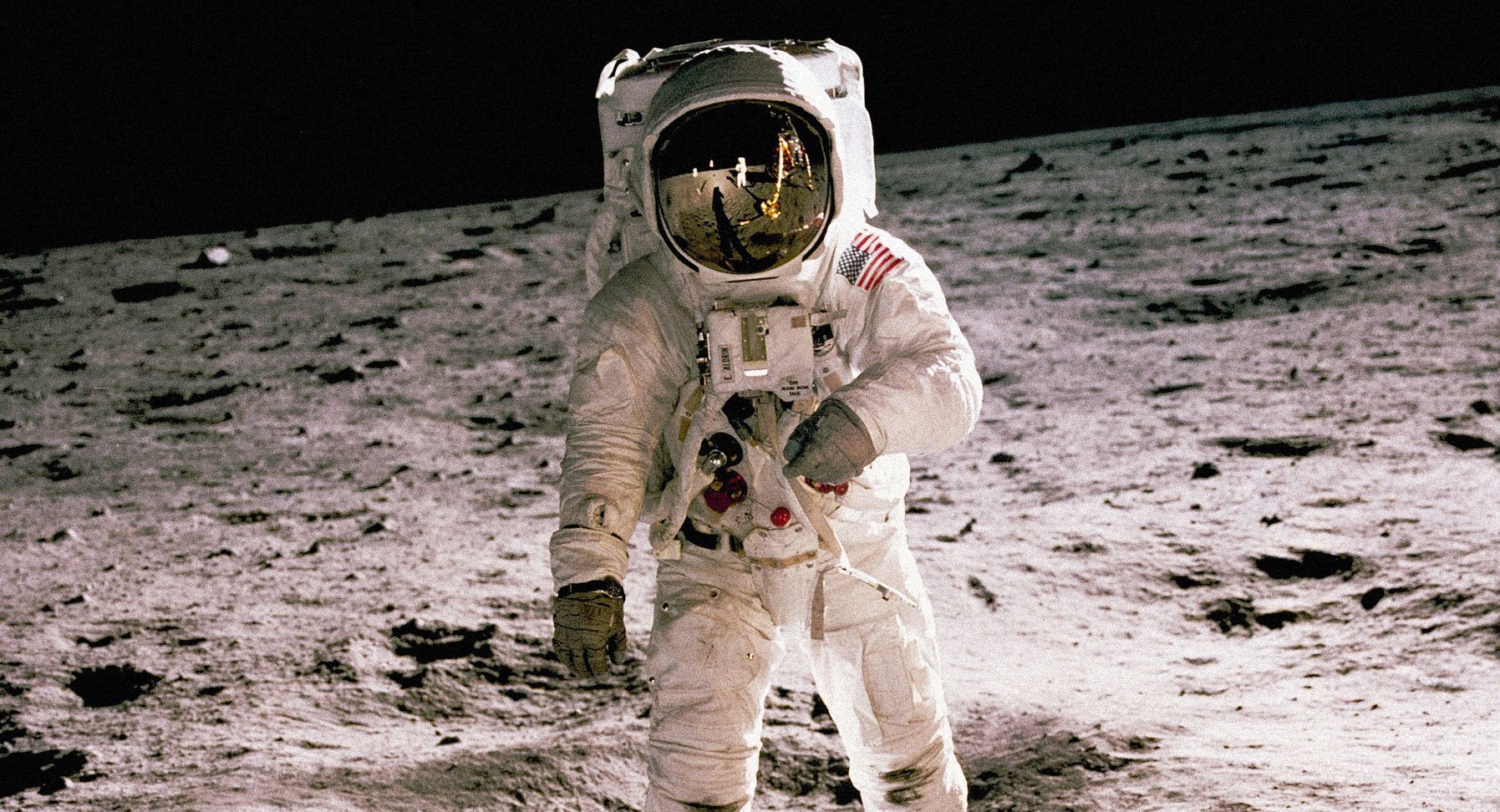
It’s been 50 years since The Eagle landed. There are plenty of existing video and audio recordings from US media sources (like this one on YouTube, clocking in at over 3 hours).
It’s been considerably less time since news recordings of Apollo 11 from *outside* the US were discovered. Just over half a year. Audio only. Bummer. But at least you get a different perspective (always a good thing when it comes to news).
When I was a kid, I devoured books by Jules Verne, in the Classics Illustrated series vocabulary- and grammar-controlled for younger readers.
20,000 Leagues Under the Sea
Voyage to the Center of the Earth
From the Earth to the Moon
Around the World in Eighty Days
Until I was in college, I didn’t even know that he wrote them in French.
Until a few days ago, I didn’t know they were part of a 54-volume set, complete with 4,000 hand-drawn illustrations that are now available online for free.
“Being able to get humans on Mars and actually collecting one of these samples would be such an incredible moment, I would kind of hope it would almost bring us back to the moon days of everyone being glued to the TV.”
Um. Well. OK. TV is dead so we’ll all be watching it streamed on our smartphones, but the point is taken.






 M Thomas Apple Author Page