On this day, June 10th, what would have been my mother’s 69th birthday had she not passed away suddenly last October, I am conflicted.
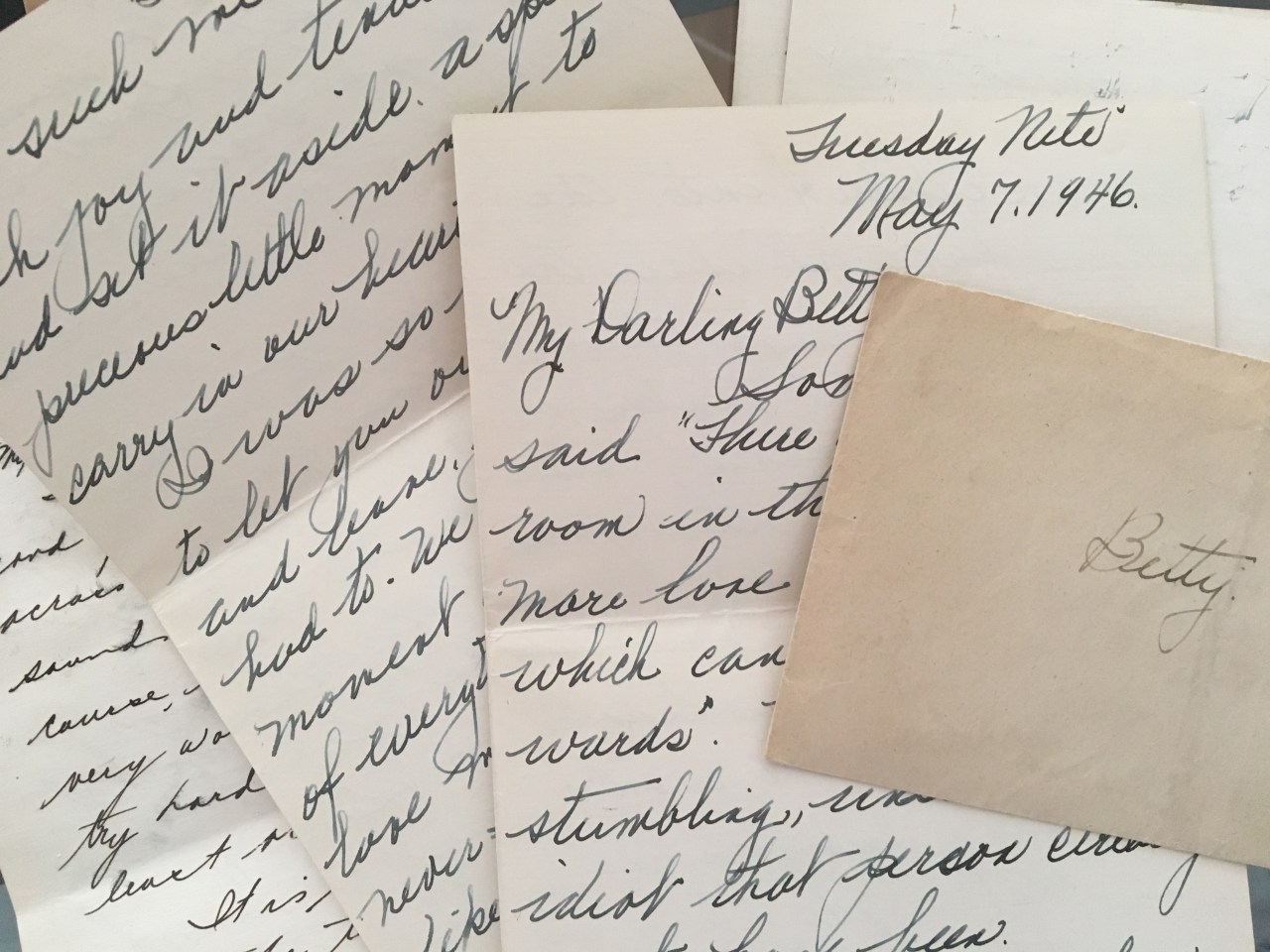
Do I have the right to write about family history yet again?
And yet without the past, it’s difficult to write about the future. They are connected, by both visible and invisible lines, threads of beliefs and behaviors, attitudes and antagonisms, odd coincidences and strangely fortunate happenings. Particularly in my family. Continue Reading
One minute I’m blogging along, the next minute…
No, I don’t mean Theresa May, I mean the actual May…er, May, as in the month of. I missed the entire month of blogging!
Right. Well, I have some catching up to do. A few more interesting science tidbits, more about family history and possible story ideas for historical fiction (and/or fictionalized history).
And there’s that SF novel I keep meaning to finish…
Still, the fact that someone as highly educated as Chi wrote an entire book based on salvation by extraterrestrials could be a sign of how daunting our future is starting to look.
Or, conversely, how wack some Oxford dons really are…
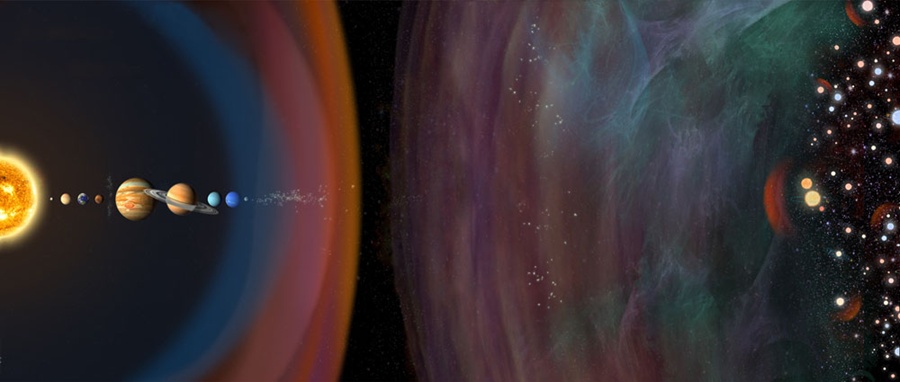
“It is time to venture beyond the known planets, on toward the stars.”
Yes, I agree, but I don’t see how any of the ideas in this article will help us achieve that goal. I think the problem is the reliance on conventional means of propulsion. Clearly some sort of bending of space/time is needed to leave the solar system faster than, say, a decade, let alone reach other star systems.
Dawn already used an ion engine (way too slow). The solar gravitational lens is neat but it won’t take us there physically. The “space-based laser” idea is funky but impractical.
Getting off Earth should help (Moon Base, Mars, somewhere else like Triton). Escaping our own planet’s gravity well takes way too much effort. But after that, it’s time to forget about rockets and start thinking of truly “wacked out” ideas.
For starters, Discover, how about dumping your absolutely awful page design? Yeesh, this page is hard to read.
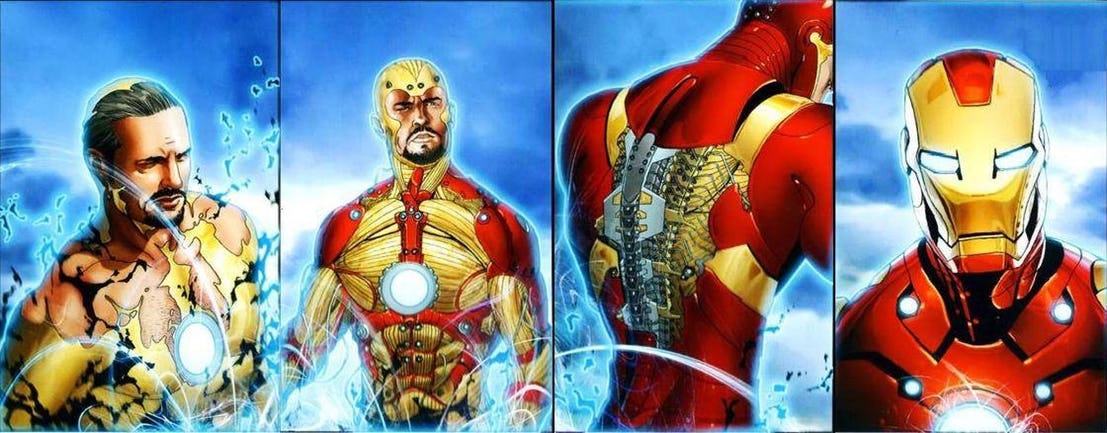
“Fundamentally, we may be able to change how we create and use the materials with lifelike characteristics. Typically materials and objects we create in general are basically static… one day, we may be able to ‘grow’ objects like houses and maintain their forms and functions autonomously.”
You mean like Iron Man from a decade ago (as seen in Infinity War)?
Honestly, scientists these days…can’t even keep up with comic books from the ’80s…
(That said, I’m not entirely thrilled with the idea of living in a living house that can maintain its own form and feed itself…on what?! you might ask…)
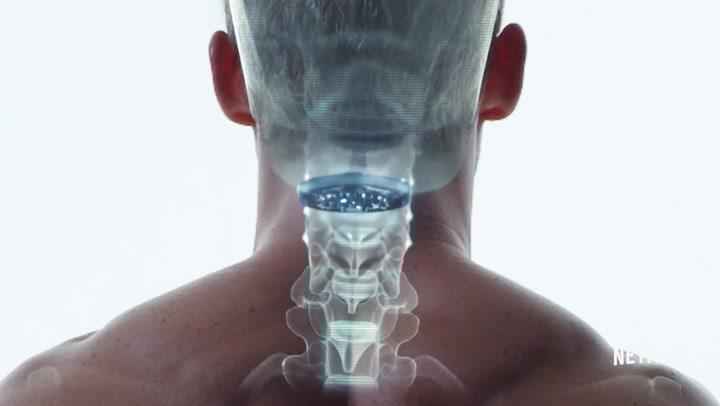
The research is in early stages, but it invokes ideas like uploading brains to the cloud or hooking people up to a computer to track deep health metrics…
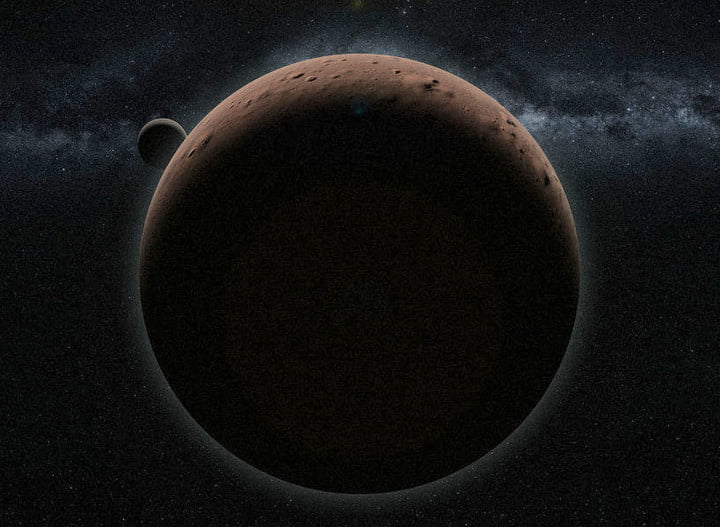
The three choices fit IAU naming regulations and are associated with mythological creatures and figures that reflect aspects of 2007 OR10’s physical properties, which include rock, water ice, possibly methane ice, and a surface that’s red in color.


 M Thomas Apple Author Page