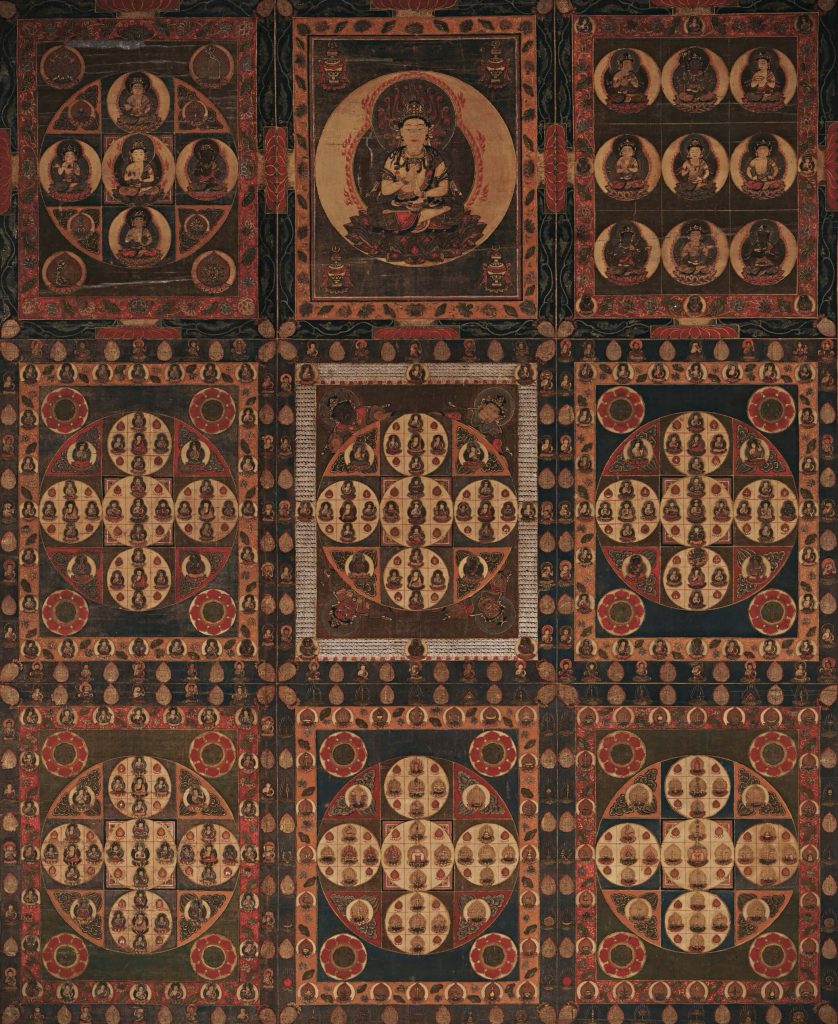
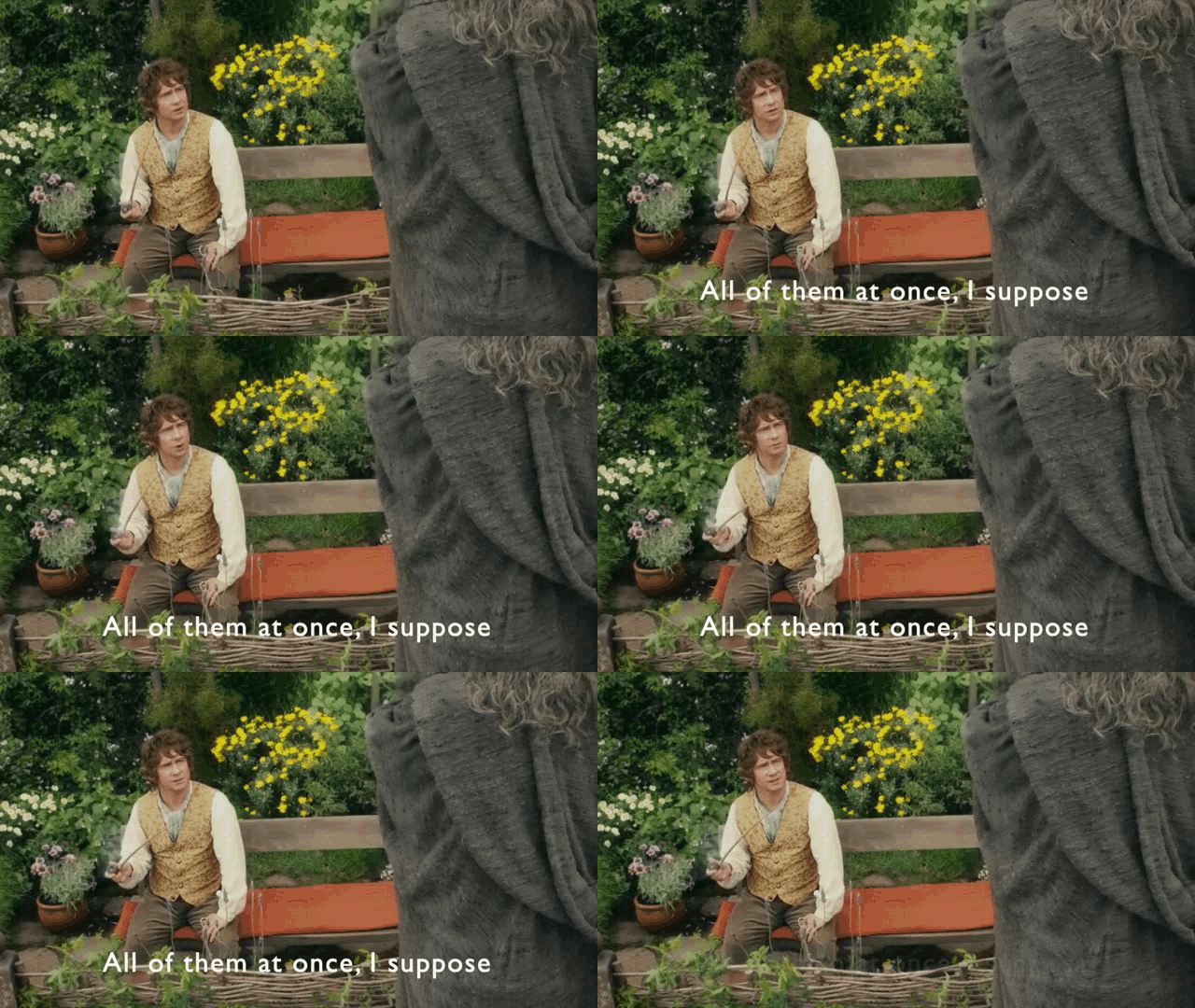
Today I talked to virtually no one for the first time in quite a while. It’s almost like meditation. Reminds me of what L said when we were out drinking Friday night (as usual). She and G were talking about scuba diving, about how being underwater hearing only your own breath and hardly being able to see anything unless it’s right in front of you gives you a feeling of being alone in the universe, a feeling of vulnerability and isolation, of insignificance. I commented, “That’s just like meditation.” No reaction.
I don’t need to go scuba diving in the Philippines to experience such a feeling.
I’ve kept a journal (OK, a diary) for many, many years now. It first started in September 1984 as a junior high school 1st year (7th grade) English assignment — each day, we would be given a writing prompt and at the end of the 10-week term (quarterly system back then), the English teacher would look it over and write feedback.
At least, that was the idea. In mid-October my family moved to a county and school system about 60 miles away (it’s more complicated — we couldn’t move in to the new house at first and so my siblings and I were looked after by various relatives, so we didn’t go to school for about nine to ten days). The new school didn’t use journals at all. English class was boring. Grammar and sentence diagramming.
So I kept writing at home, almost on a daily basis in the beginning.
But I’ve been fairly inconsistent over the years. I filled several notebooks, all different sizes and shapes. I stopped writing in one notebook at some point in 1999 when I moved to Japan and started another one. Then some time in 2004 I decided it was a waste of paper not to finish the 1999 one. Then I filled it up and started typing in a Word file. Then I went to Montreal four years ago and started writing in paper notebooks again.
It’s, quite frankly, a great big mess.
But there are some good ideas in these notebooks, and lots and lots of bizarre poems that I swear I do not remember writing. (Also at least half a dozen attempts at “automatic writing.” If you don’t know what that is, look it up.)
So from time to time, I’ll post some bits and pieces here. Just for safe-keeping.
Who knows? I may wind up publishing some of it at some point. Or at least drop some of it into the mouths of future SciFi characters.
Just saw someone on my morning commuter train wearing a fluffy beige coat with a single word in all capital letters, stretching across the back from left elbow to right elbow:
…there has been a serious erosion of the tradition of skeptical inquiry, of vigorous challenging of government leaders, of public exposure of what the government is actually doing, rather than mere pomp and rhetoric. And it is in this area—skeptical scrutiny, public exposure—where the largest strides, in my opinion, are needed.
Right. So I quit Facebrat a couple years ago after I got fed up with the self-righteous, arrogant attitude of its founder Mark Zuckerberg and its blatant stealing and selling of personal information of its users.
And also because I was wasting hours and hours each week reading meaningless Facebark posts on my smartphone (so I deleted the app, which I strongly recommend you all do to prevent the company from tracking your location, then selling that info to the spam industry…although you’re probably going to be tracked via BlueTooth anyway if you keep it on).
But after my mother passed away, and while I was still away from family, friends, and colleagues and living in Montréal, I couldn’t take the isolation.
And also a teacher’s group based at the McGill University (William Shatner’s alma mater!) named BILD asked me to join a FB Group.
So I rejoined and vowed to avoid posting anything about religion and politics, and to focus on the things that matter – food, family, and occasional humorous events.
Until I foolishly wrote a casual comment on my brother’s post:
I’ve never really experienced the so-called “writer’s block.” Not that I’m bragging…but I often just don’t find I have enough time to write.
By which I mean, writing seriously. It’s easy, however, to find time here and there just to jot down some random thoughts.
(Aside note: if you type really quickly on the WordPress smartphone app, it autocorrect “random” to “radon,” which would put you in an entirely different frame of mind.)
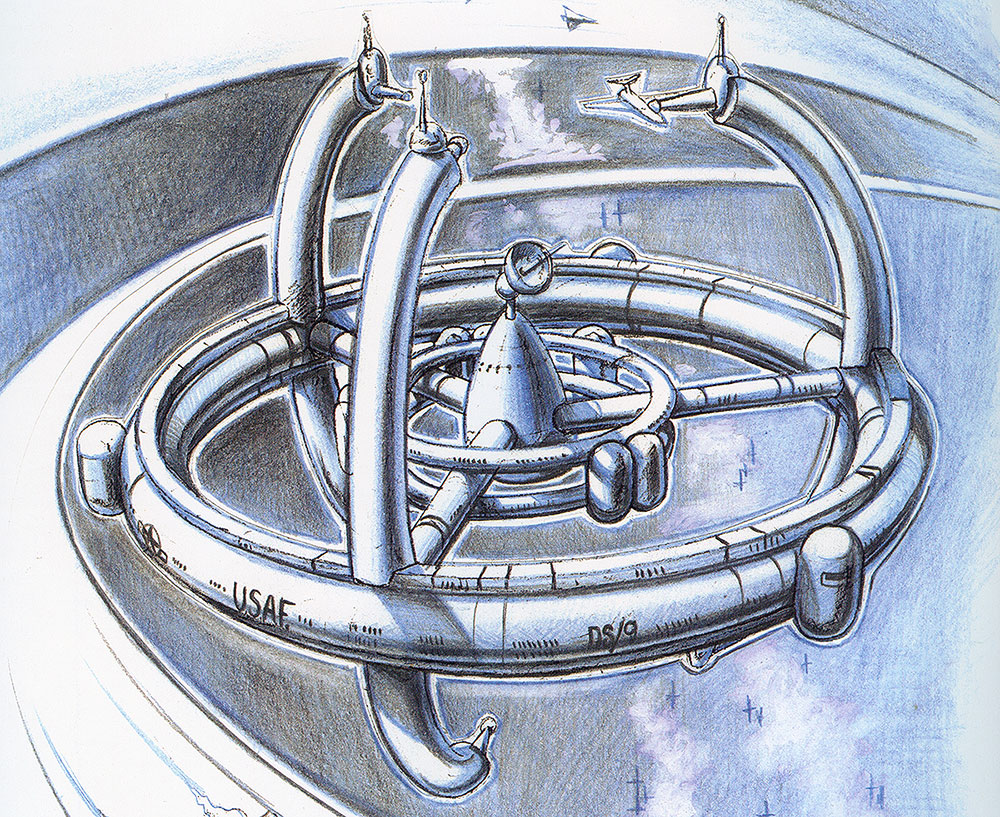
On February 9, 1998, Star Trek Deep Space 9 broadcast one of the most important episodes in the entire history of the franchise.
And what it said about society back in 1953 was just as relevant as for 1998. And perhaps even more important for 2021.
Others have written more eloquently about the plot line, the characterizations, the background, the actors (Avery Brooks directed himself, and his performance should have earned him an Emmy). So I’ll just link to:
It’s hard to believe that it’s been 35 years since the disaster that claimed the lives of all seven Space Shuttle Challenger crew members.
I remember it well. Being sent home early without being told. Watching the TV news at home in silent shock with my parents and younger siblings, tears streaming down our faces.
President Reagan’s speech at Congress, made in the place of the traditional State of the Union address, ended with “they slipped the surly bonds of Earth…and touched the face of God.” Probably the finest and most decent thing he ever did (even my parents, who voted for Jimmy Carter and Walter Mondale and intensely disliked Reagan and everything he stood for, couldn’t help but be moved by his words that day).
Thoughtless jokes circulated our school the next week or two. (“What’s the last thing Christa MacAuliffe said to her husband? “You feed the dog; I’ll feed the fish.”)
There was a morbid fascination with the way in which the Challenger crew met their fate. My friends came up with all sorts of gruesome stories they claimed to have “heard,” mostly about body parts washing up on beaches around the Caribbean.
The fact is, we were traumatized. Kids do all sorts of insane things to hide their fears, insecurity, and general inability to answer the question what am I supposed to feel/do/say about this?
Challenger marked a turning point in the US space program. It set NASA back in many ways but also provided great insight into what needed to be fixed, what needed to be done to push forward our knowledge of space and the great beyond.
There is/was no going back. Humanity is a space-faring race and must continue to strive to reach beyond its grasp…”Or what’s a heaven for?”