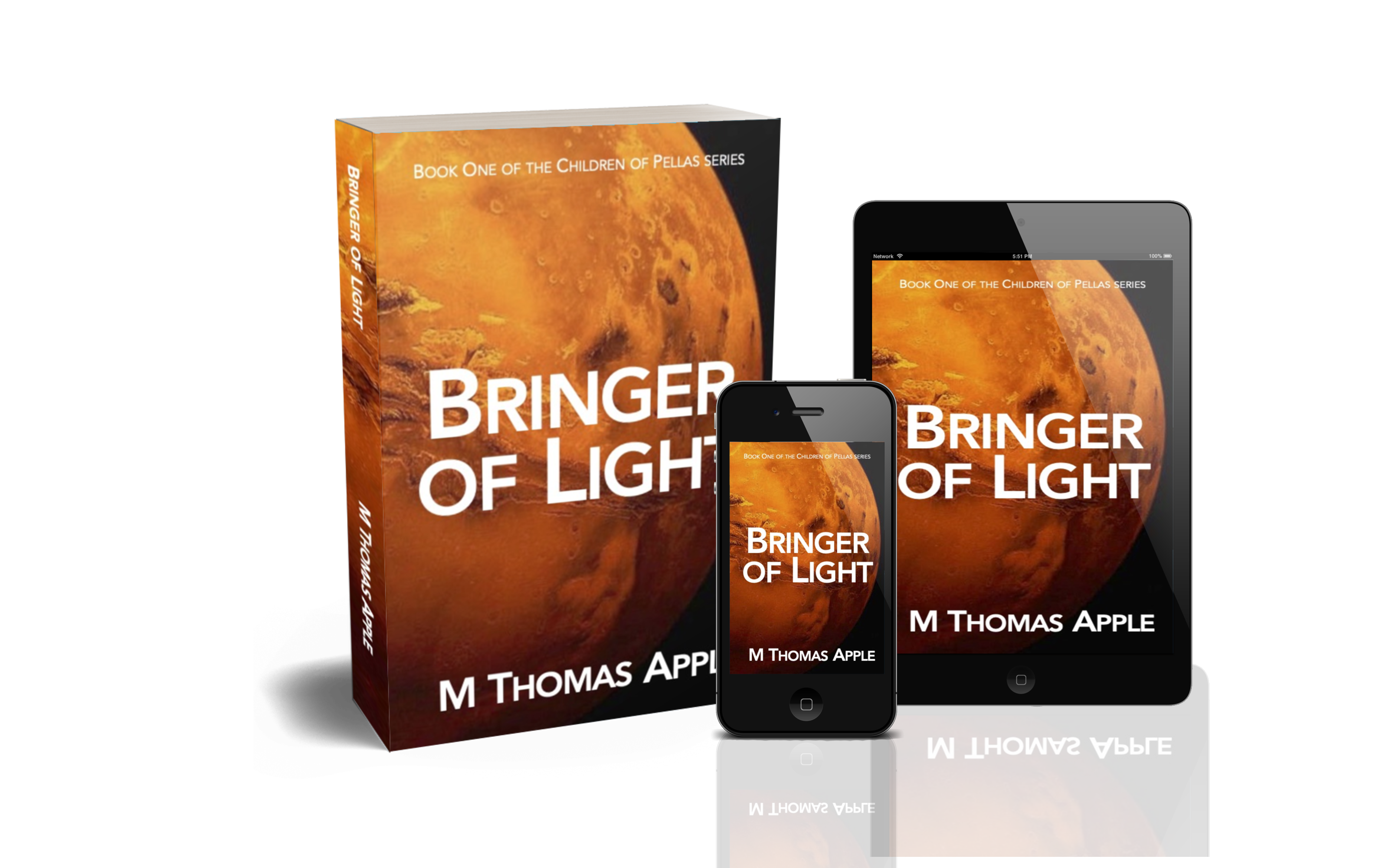
In BRINGER OF LIGHT, M. Thomas Apple crafts a satisfyingly complex future where mankind has moved off Earth but must fight and struggle against the harsh realities of physics—and each other—in order to survive.
The moment we’ve all been waiting for is nearly here!
Bringer of Light is finally set to be released on March 15, 2024! (Click the link to see a book synopsis and two brief excerpts; Smashwords also has an excerpt from the beginning chapters.)
Stop by Draft2Digital to see links to your favorite bookstore online!
UPDATE: I have some difficulty convincing D2D to distribute to Amazon. Therefore, I have decided to publish Bringer of Light directly on Amazon. Stop by here to order for Kindle (released March 15th). Paperback and hard cover are also in the works.
From the beginning of the Golgo 13 story, 「剥がれた鍍金」(hagareta tokin, “The peeled away metal plating”).
Despite the fact that the manga Golgo 13 is about as conservative as you can get (openly misogynistic and racist at times, as well), I’ve been a fan since before coming to Japan in 1999. I hadn’t realized that the original anime movie that I saw back in Boston was based on what became the manga with the most printed volumes in the world in July 2021. This year marks its 50th anniversary, and the stories are being reproduced in larger format, grouped according to physical region.
The group of stories based in Japan came out a short while ago (I already got copies of stories based in France and the Middle East, and a book based in Italy is due soon). Interestingly, one of the stories is reproduced from December 2001 — four months after JAXA successfully launched the H-IIA rocket following a previous failure (hence, the “peeled metal plating” title).
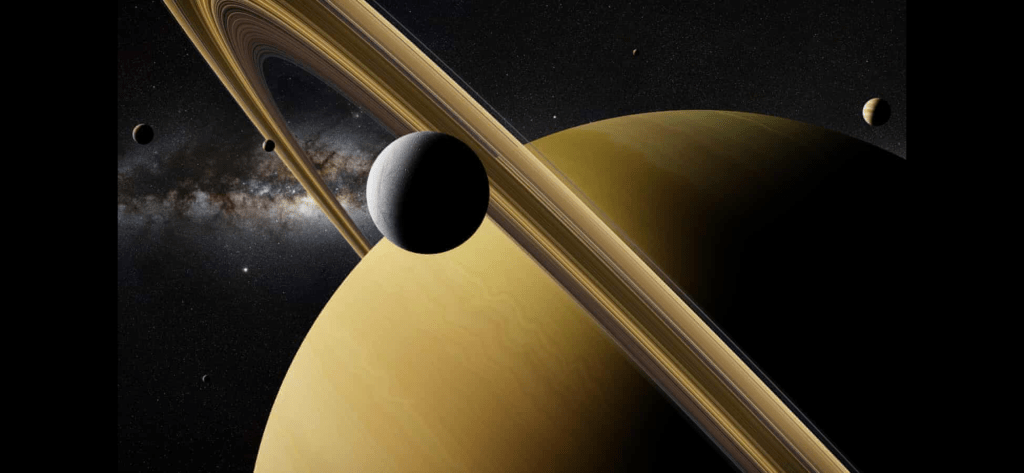
The record-breaking plume reached nearly 6,000 miles into space – covering the distance between Ireland and Japan – and poured water into the void at an estimated rate of 300 litres a second.
Note that the water jetted out into space nearly 40 times longer than the actual size of the moon (about 500 in diameter, or as the Gurdian puts it “500-mile-wide” for those who forgot the meaning of “diameter).
Enceladus is probably the best bet for life elsewhere in the solar system due to its water — and while whipping around Saturn once per day, which is likely the reason for underwater volcanos and other vents that may provide the proper chemistry for life.
While not perfect, this is some seriously scary stuff.
FWIW the researchers themselves did recognize this…
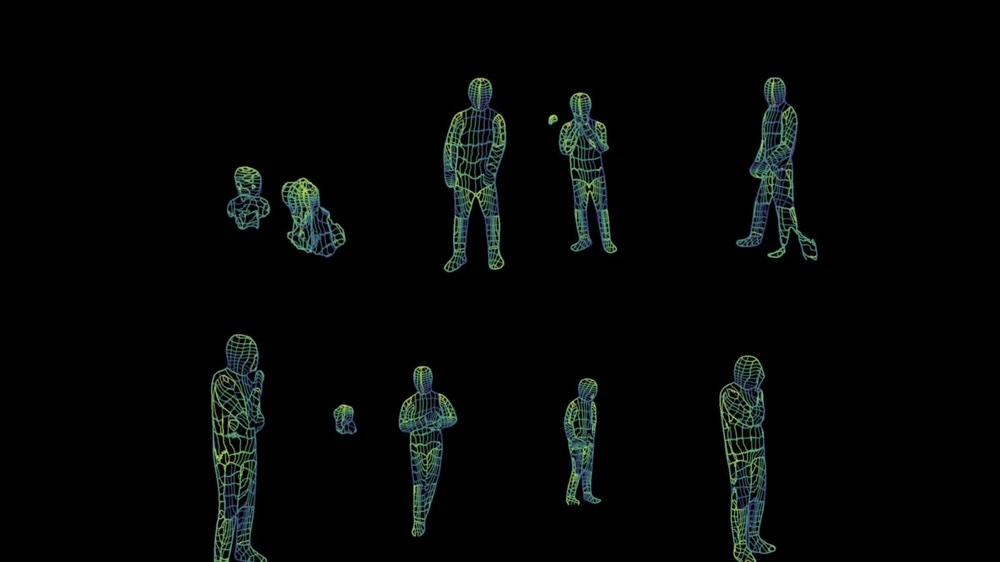
Although it’s nowhere near being able to decode spontaneous thoughts in the real world, the advance raises concerns that, with improvement, the technology might mimic some type of mind reading. “Our thought when we actually had this working was, ‘Oh my God, this is kind of terrifying,’” Huth recalls.
Participants have to consent to being “read,” and there are ways to prevent the software from figuring out even the “gist” of what they were thinking.
Still, imagine if some nefarious criminal group (or governmental agency, if there is a difference) decided to force someone to consent to have their thoughts read.
Long distance.
Permanently.
It’s getting harder and harder to distinguish scifi from reality.
Interestingly, they position this advancement as progress in privacy rights; “In addition, they protect individuals’ privacy and the required equipment can be bought at a reasonable price,” they wrote.
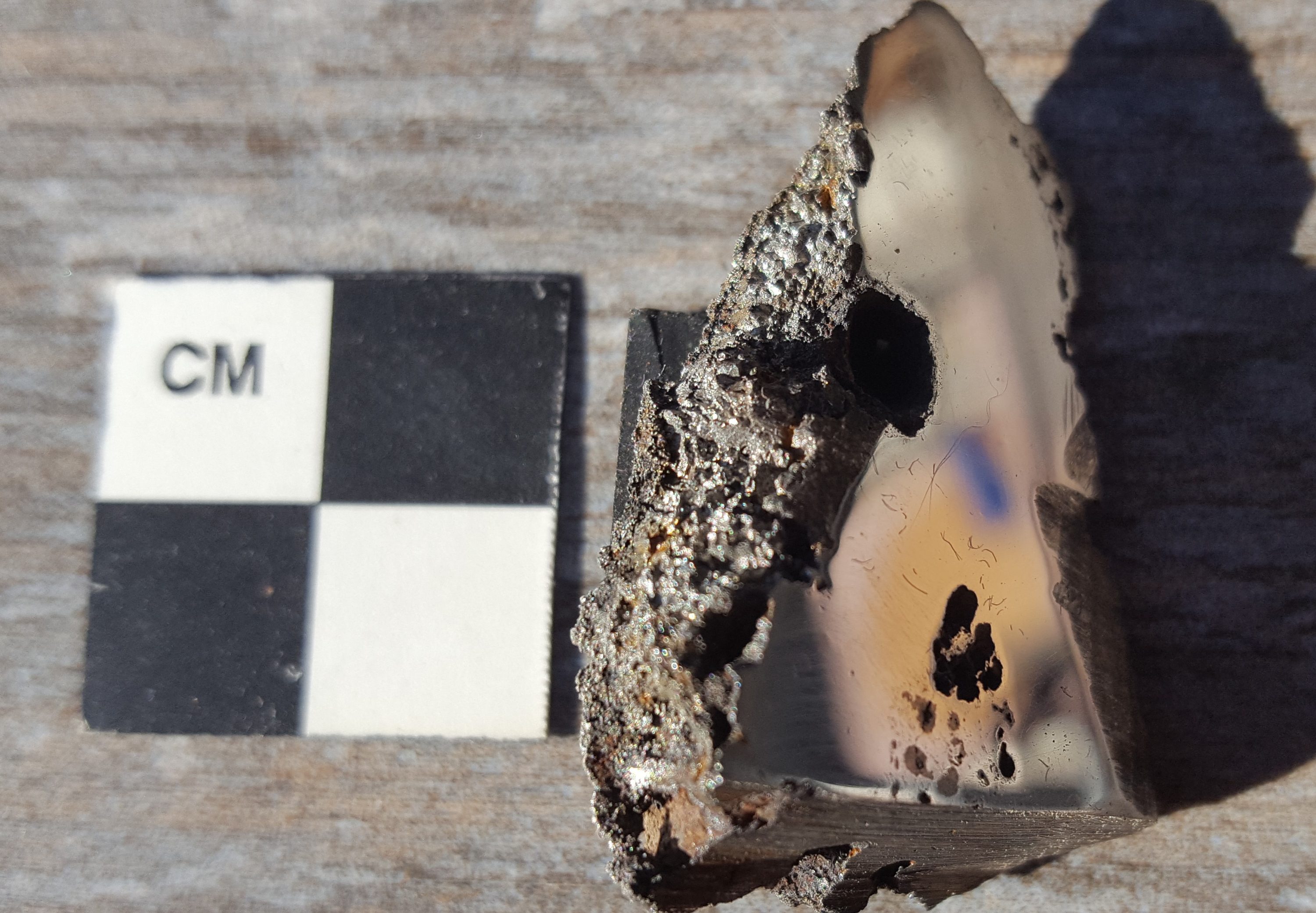
Canadian researchers said the rock was found in rural Somalia two years ago, but locals believe it is much older.
They call the stone Nightfall, and say it is documented in poems, songs and dances that stretch back five generations. It is used today to sharpen knives.
The “new” rock is apparently a meteorite that fell to Earth at least 100 years ago (or more, depending on how you define a “generation”). The two newly-identified minerals are being called “elaliite” (after El Ali, Somalia) and “elkinstantonite” (after NASA planetary evolutionary expert Lindy Elkins-Tanton).
And there’s still one more as-yet-unidentified mineral in the 70-gram rock fragment at the U of Alberta (the original is about 15 tons, and is reported to be the 9th largest such meteorite to have survived entering the Earth’s atmosphere). These three minerals evidently do not exist naturally on Earth. Makes you wonder how many other such minerals are still floating around in space.
And of course, how they might be used to make incredibly strong yet flexible spacecraft materials. (FWIW NASA was already talking about “new” materials such as carbon nanotubes and self-healing piezoelectronic “skins” some twenty years ago…)
Now, maybe it’s just me, but I have a feeling that a 15-ton rock falling into the desert would have raised all sorts of hell. At least locally. Nothing like a 143,000 ton rock, of course. Is there really no record of this thing falling out of the sky? Maybe it’s time to talk to non-European communities and to take their oral legends a bit more seriously.




 M Thomas Apple Author Page