Ya know, I’m pretty sure we need to figure out “this whole food-air deal” first (to quote comedian Bill Hicks).
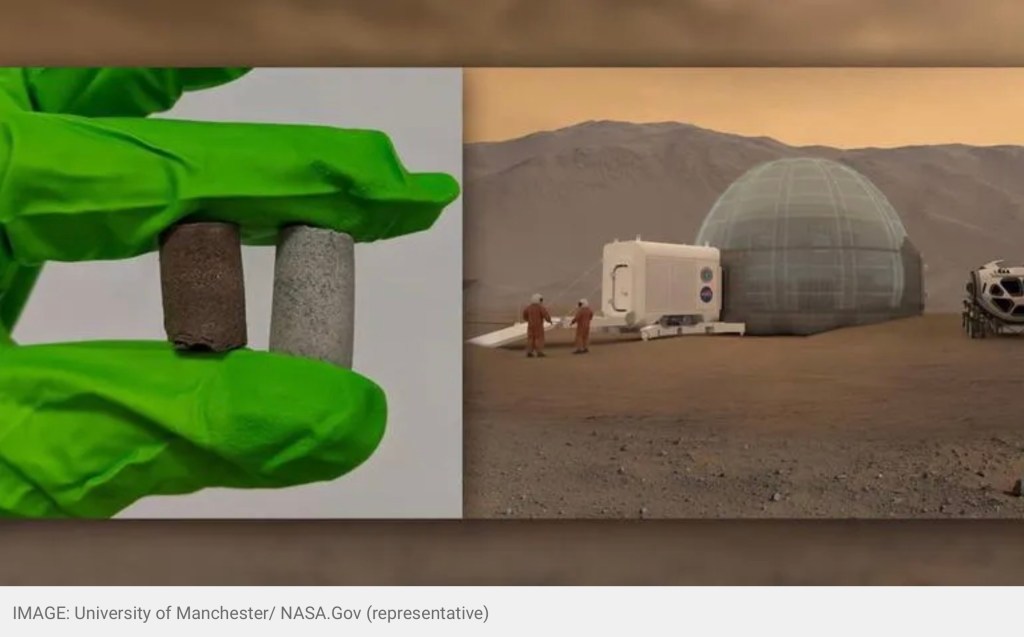
“The US space agency confirmed that there were currently no plans for a field or project office to explore the topic in any detail but that could change as we get closer to putting humans on Mars.“
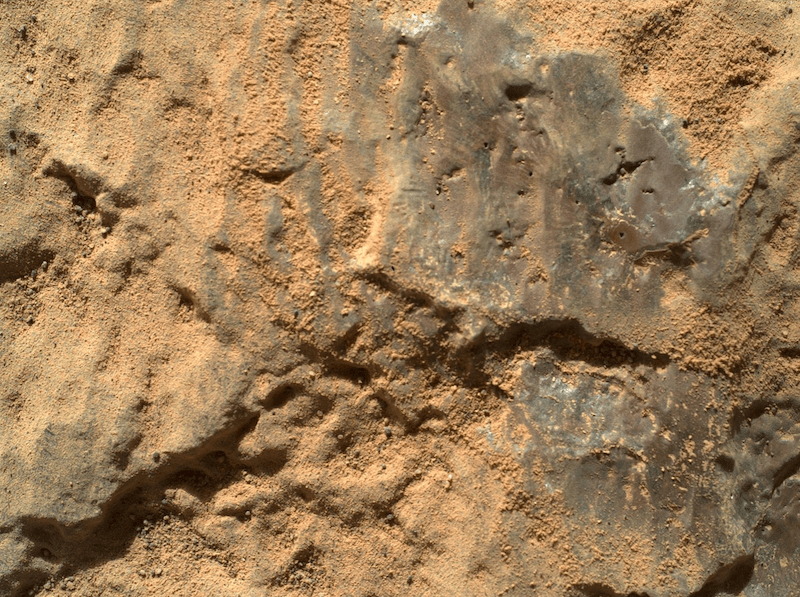
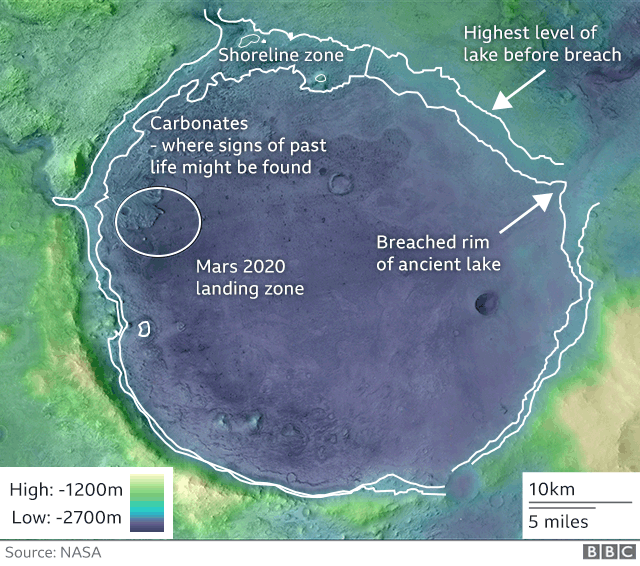
SuperCam showed that the coatings are enriched in hydrogen and sometimes magnesium. In addition, images from Mastcam-Z suggest that they also contain iron oxides. Both the hydrogen and iron oxides point to past water being involved in the formation of the coatings. That shouldn’t be too surprising, perhaps, since this area in Jezero Crater used to be a lake a few billion years ago.
The rocks resemble so-called desert varnish, which protect microbes from the sun’s radiation. It’d be interesting to find out whether cyanobacteria that once existed on Mars did this…but the four billion year old question is, how did those bacteria get there in the first place?
“Astronomers Detect Secret Water Reserves in The Largest Canyon in The Solar System”
Science isn’t quite as catchy. The hydrogen may indicate water in the form of permafrost 3 feet and more under the surface.
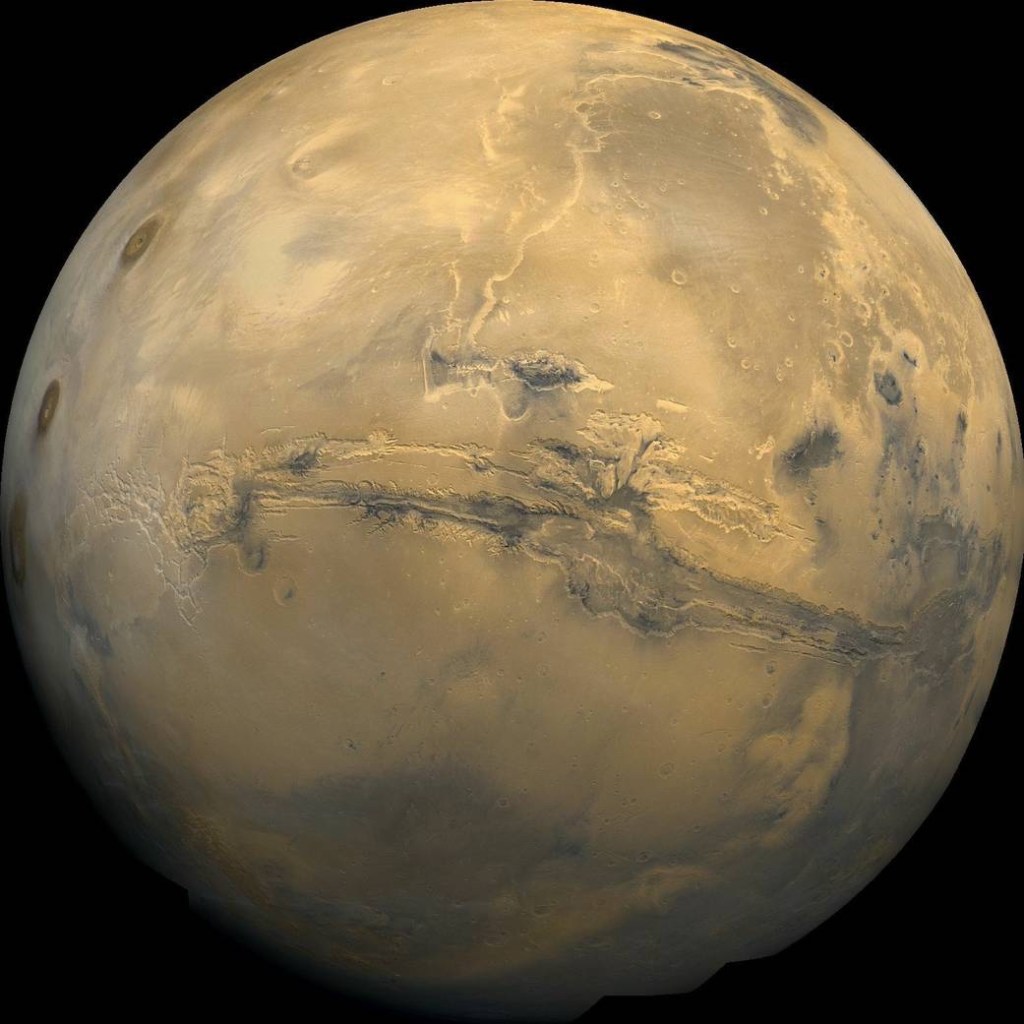
The high-hydrogen region is about the size of the Netherlands, and overlaps with Candor Chasma, one of the largest canyons in the Valles Marineris system.
Looks like there may be some competition for who gets to land near here first…
OK, I readily admit that I am once again waaaay behind on my scifi blogging.
At some point last week, I looked up from the mass amounts of work I had left to do and went, “Uh. August 21st? Was that really the last time I posted?”
Uh. Yup.
😣
I’ll do my best to get the rest of Riss’s story online on a biweekly basis, like I promised I would.
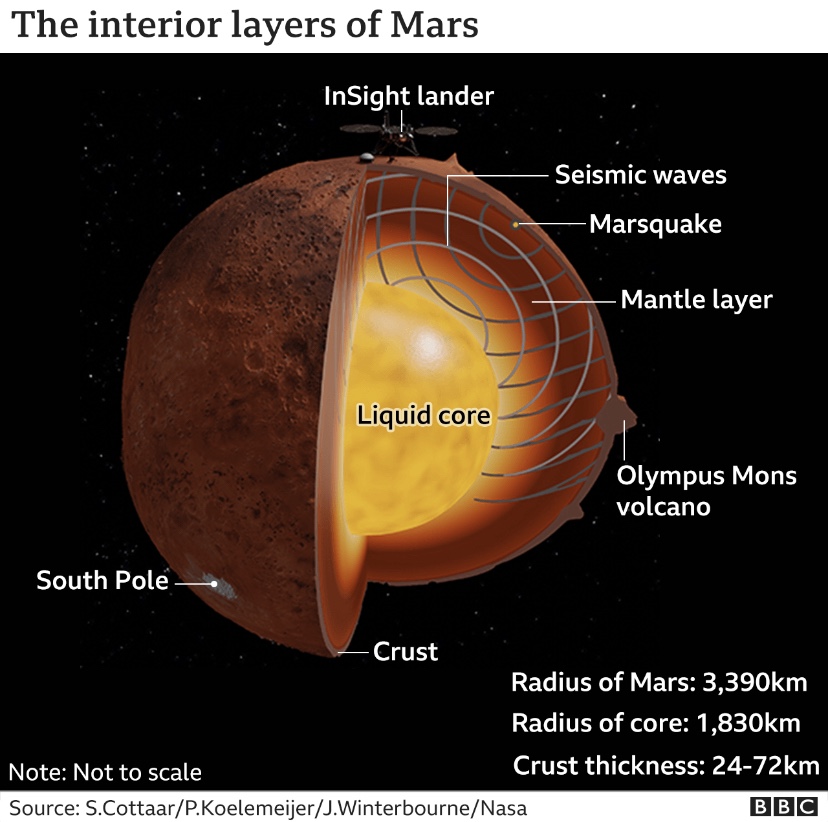
Well, OK, technically it’s the mantle, not the crust.
But it is thick. Super thick. And no gradations like the Earth.
Extrapolating to the known surface geology of the rest of the planet, this suggests an average thickness of between 24km and 72km. By contrast, Earth’s average crustal thickness is 15-20km.
China’s plan calls for setting up a permanently occupied base and a fleet of interplanetary craft. Probably it’s a good idea to first see whether it can meet its goal of landing people on Mars in 2033.
Of course, China is “willing to join hands with our counterparts and partners all over the world,” but it’s unlikely NASA, JAXA, ESA, and the UAE and other countries not named Russia will “cooperate.”
The next space race is here. Just wait until multinats actually decide asteroid mining is worth the risk and expense.
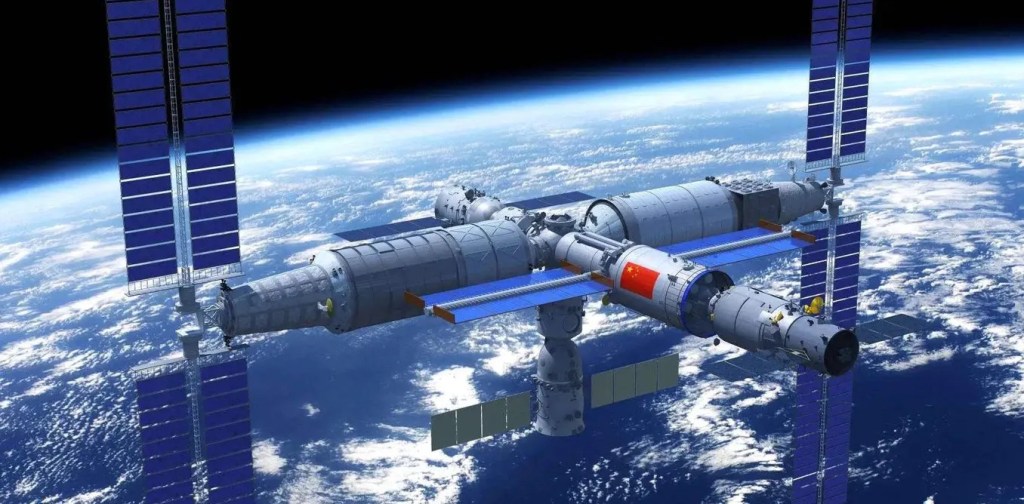
The inclusion of an ion propulsion system in a long-running, Earth-orbiting space station will give researchers a chance to test out the tech while astronauts are still close to home — and if it works as hoped, it could one day ferry explorers to Mars and even more distant destinations.
Great job, NASA! Landing on Mars is always a tricky business.
Now all Perseverance has to do is find traces of life, save it without contamination, and then wait for another rocket, another rover, and a satellite to get in orbit so the samples can be sent back to Earth.