“Three things are needed for beauty: wholeness, harmony, radiance.” (as translated by “Stephen,” i.e., James Joyce.)
Or more simply integrity, consonance, clarity.
Note that the original is a bit longer, in St. Thomas Aquinas’ Summa Theologica:
Ad pulchritudinem tria requiruntur: Primo quidem integritas sive perfectio: quae enim diminuta sunt, hoc ipso turpia sunt. Et debita proportio sive consonantia. Et iterum claritas.
Today I talked to virtually no one for the first time in quite a while. It’s almost like meditation. Reminds me of what L said when we were out drinking Friday night (as usual). She and G were talking about scuba diving, about how being underwater hearing only your own breath and hardly being able to see anything unless it’s right in front of you gives you a feeling of being alone in the universe, a feeling of vulnerability and isolation, of insignificance. I commented, “That’s just like meditation.” No reaction.
I don’t need to go scuba diving in the Philippines to experience such a feeling.
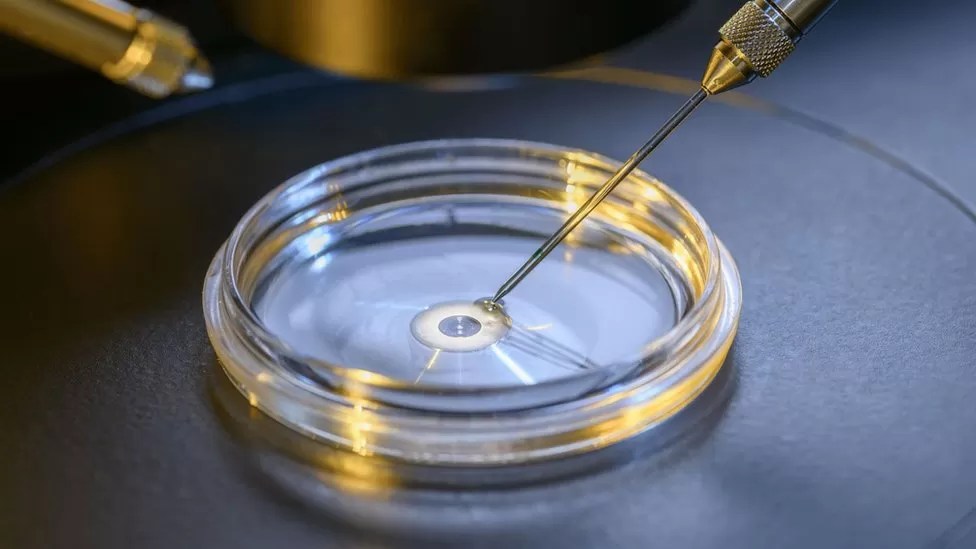
This is the first time that has been achieved using human material. Although, they are not truly “synthetic”, as the starting material was cells cultured from a traditional embryo in the laboratory.
Great, but…
She has already developed synthetic mouse embryos with evidence of a developing brain and beating heart.
Come on, BBC. I think you can see where this is going…
Meanwhile, scientists in China have implanted synthetic monkey embryos into female monkeys – although, all the pregnancies failed.
Yep. Straight to the monkey house.
Seriously, did scientists actually think this was not going to cause a whole lot of people to get upset all over again?
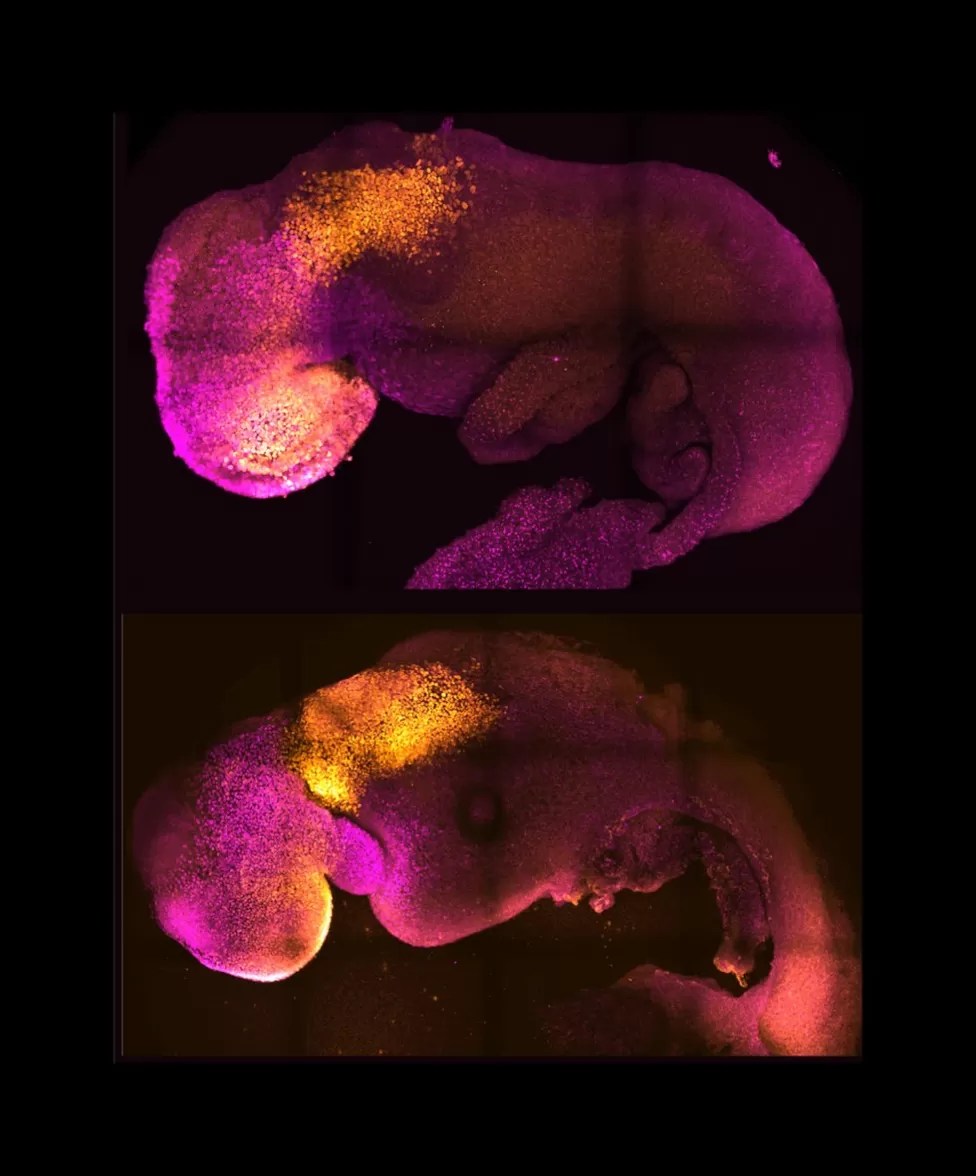
Natural embryo (top), synthetic embryo (bottom). They look pretty similar…
This may indeed be a good way to study infertility causes and how embryos develop, but even the possibility of creating an embryo from a stem cell should have set off warning bells. 14-day limit or not, somebody’s going to get really tempted to do something else with them…
I’m thinking up all sorts of SciFi stories from this…
“Over sixteen million Americans served during World War II and this story offers in rich detail the story of two men in uniform and a woman they both cared about. A story of love and tragedy that is more representative of the experiences of many that served than the ones often told of generals and politicians. A story that needs to be told and remembered.”
— Dr. Rick Derrah, Professor of Social Studies, Kindai University, Osaka; former US Army E-4 Specialist
“Not only is this a touching and interesting family story, it is a great snap shot of the war and its effects, as well as Trojans and Troy history connection.”
— Don Rittner, historian, former Albany City Archaeologist and founder of the Pine Bush Historic Preservation Project
“Proxima is our closest neighbor in an immense universe. How could we not be charmed by it?”
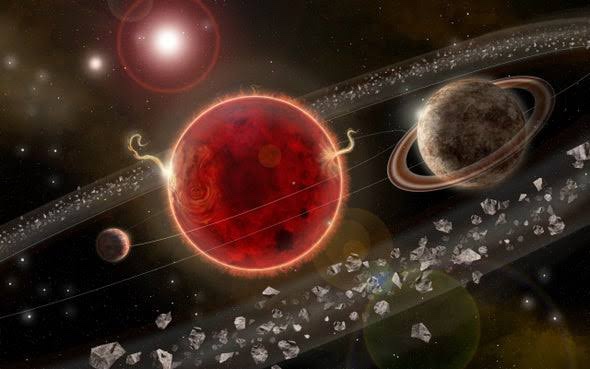
Well, the planet may or may not exist (the confirmation data won’t be publicly available for another couple years).
And it is most likely not inhabitable — despite being dubbed a “Super-Earth” (which really only refers to size and not whether it’s “Earth-like” or not).
“We tried different tools to prove ourselves wrong, but we failed. However, we have to keep the doors open to all possible doubt and skepticism.”
Yes, the astronomers tried to prove their own discovery was a mistake. That’s how it works, folks. Challenge your assumptions, not jump to conclusions. Continue Reading
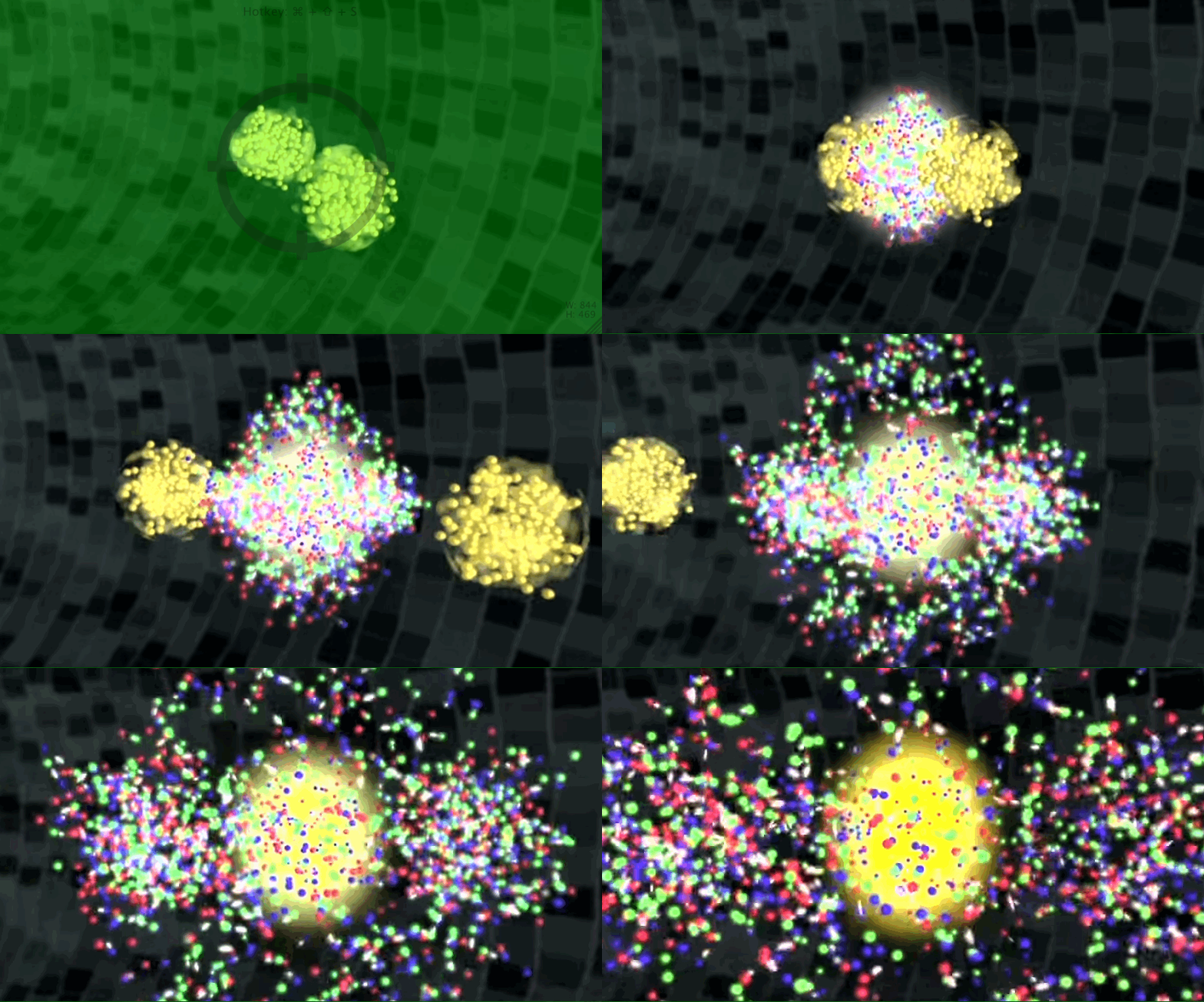
Are you sitting down for this? Well, you’re not really. Your butt isn’t actually touching the chair you’re sitting on. Since the meat of your atoms is nestled away in nuclei, when you ‘touch’ someone (or something), you aren’t actually feeling their atoms.
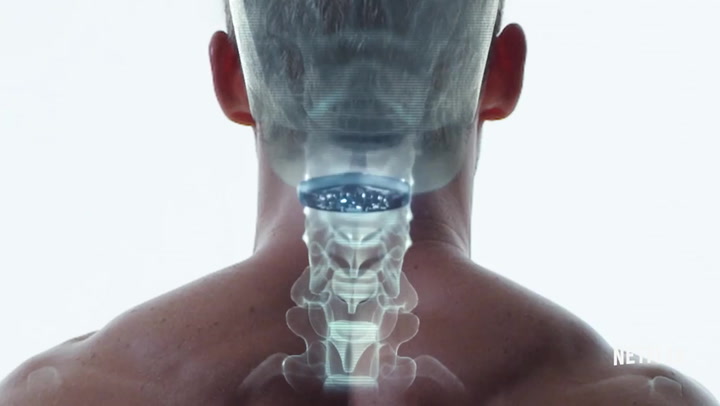
The research is in early stages, but it invokes ideas like uploading brains to the cloud or hooking people up to a computer to track deep health metrics…




 M Thomas Apple Author Page