“But decoding and storing memories raise a new set of ethical, moral and legal questions. For instance, who would own these memories after a person has died? Could the police obtain warrants to search through memories? Given that memory itself isn’t completely reliable, could memories be used in lawsuits? How could we ensure that unscrupulous professionals don’t sell or share them?”
Hm, I think I can see another direction this might eventually take…
I get the attraction of people like Steve Jobs and Elon Musk. They have big ideas. They’re enthusiastic, ecstatic, even. They’re great at simplifying difficult concepts and promoting tech to the lay person.
But they’re not creators. They’re “visionaries.”
I.e., salespersons.
Is that a bad thing? Of course not. I was in computer sales once. It was hard. Only the charismatic are good at it. But I didn’t have the knowledge and ability to make the products I was selling, let alone the power to innovate.
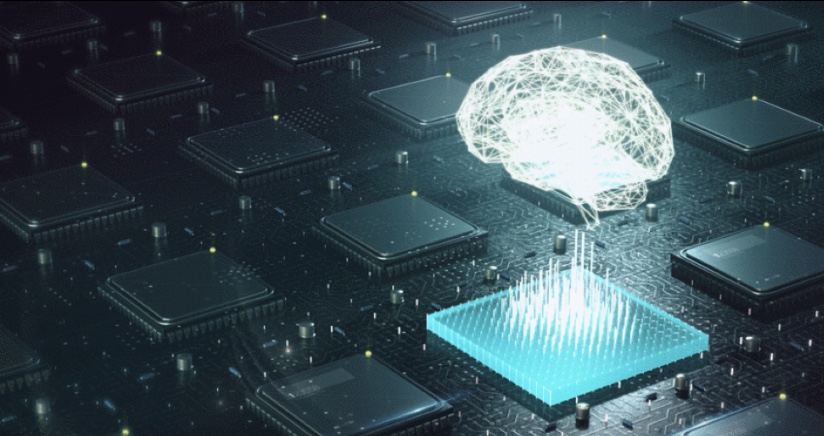
Sticking a chip in a person’s brain and sending thousands to the Moon or Mars sound cool. Possible, even.
But science isn’t sales. Someone might die.
Small difference.
We need visionaries, but scientists are more important. Maybe if they talked to each other…
The Airbus spacecraft will have to manoeuvre itself into a position to capture these samples that will be packaged inside a football-sized container.
After ingesting this container, the satellite must then prepare it for return to Earth.
This means not only shipping it across hundred of millions of km of space, but also putting the football inside a re-entry capsule that can be dropped into Earth’s atmosphere to land in an American desert.
This would be, indeed, a feat of engineering as well as a first in interplanetary exploration.
But I wouldn’t go so far as to call it an “interplanetary cargo ship.” Unless the intention is to maintain it as a permanent link between research locations (i.e., some kind of permanent orbitor stationed above the Jezero Crater) and research facilities on Earth (or the Moon, or the International Space Station).
Political will is needed in addition to the enormous funding. Semi-privatization, anyone?
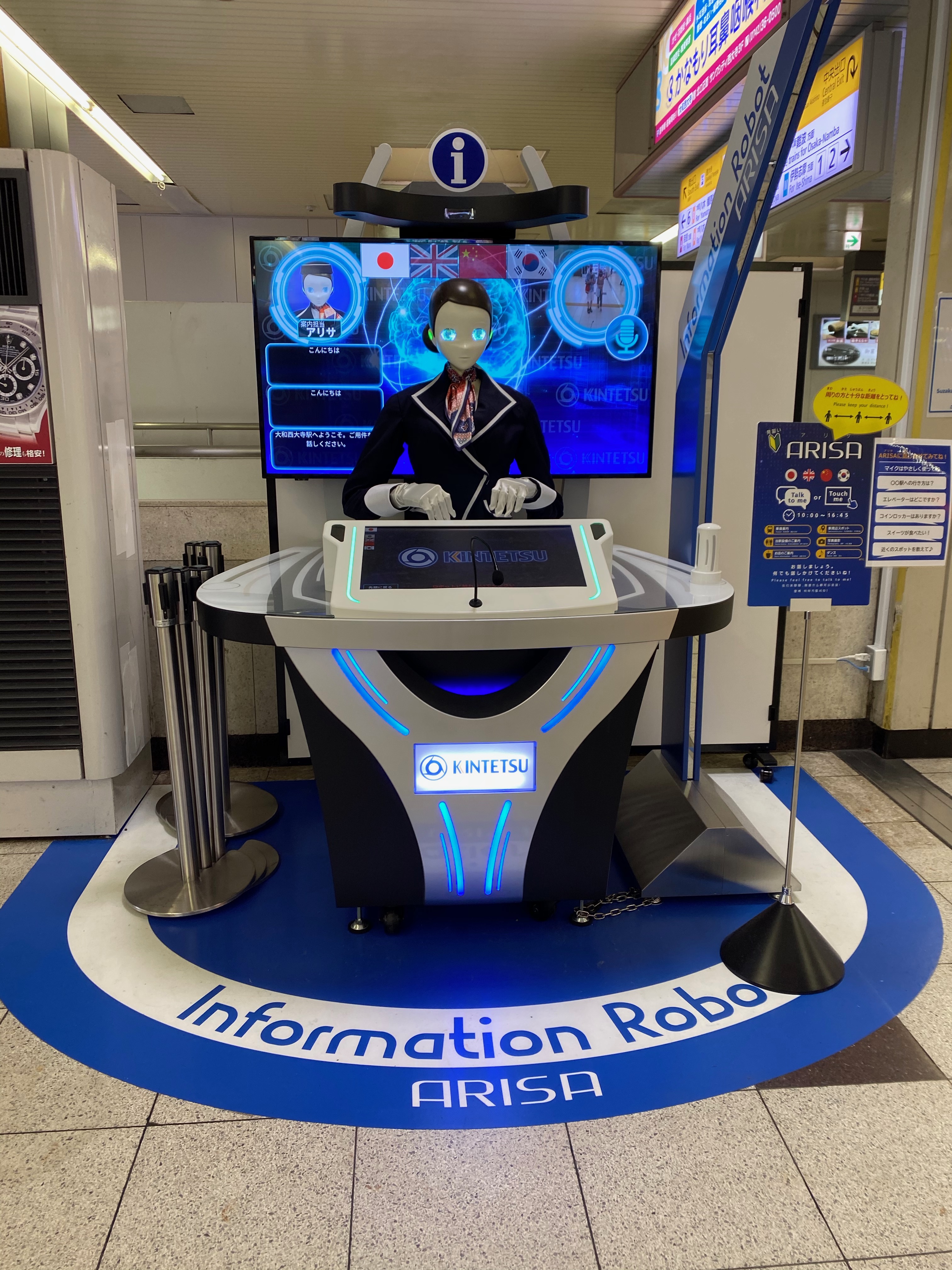
This is Arisa, the “Information Robot.” It was recently installed at Yamato-Saidaiji, a Kintetsu Railway station in Nara City that I travel through to go to work.
Actually, today I went through the station on my way to renew my driver’s license. Interacting with the robot was much easier.
She (oops, I mean “it”?) can speak four languages (Japanese, English, Mandarin, and Korean) at the touch of a panel. But the functionality is still only limited to basic phrases about where to change trains and which platform to use. Still, it’s a first step (toward replacing human-controlled info booths, so get started learning programming, kiddos!).
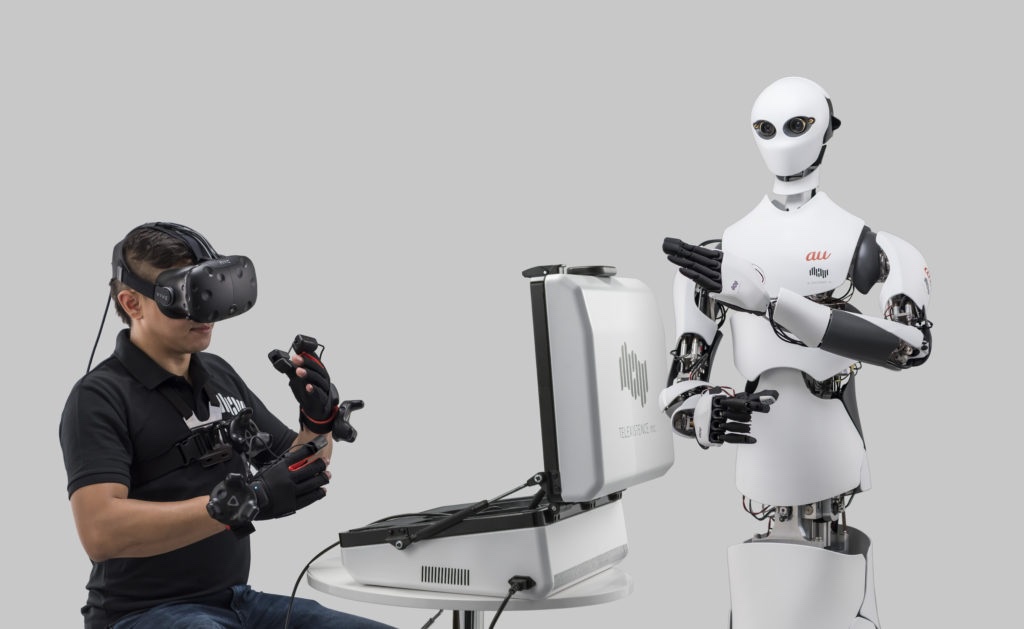
“Rather than turn Family Mart branches into essentially giant vending machines, where products are automatically replaced after a customer selects one for purchase, the plan is to use remote-control robots, operated by human beings using VR terminals at a separate location.”
“I thought a person living (in the condo) above knocked down a shelf,” wrote one Twitter user, while another said, “I thought my child sleeping on the second floor fell out of bed.”
Granted, the embedded video is only understandable to those who speak Japanese, but even if you don’t, the footage is still cool.
(The sound people heard was likely the result of a small meteorite — about 1 meter wide — breaking the sound barrier as it disintegrated.)
“In the future, our system could be part of a global quantum network transmitting quantum signals to receivers on Earth or on other spacecraft,” says Aitor Villar, lead author of the study. “These signals could be used to implement any type of quantum communications application, from quantum key distribution for extremely secure data transmission to quantum teleportation, where information is transferred by replicating the state of a quantum system from a distance.”
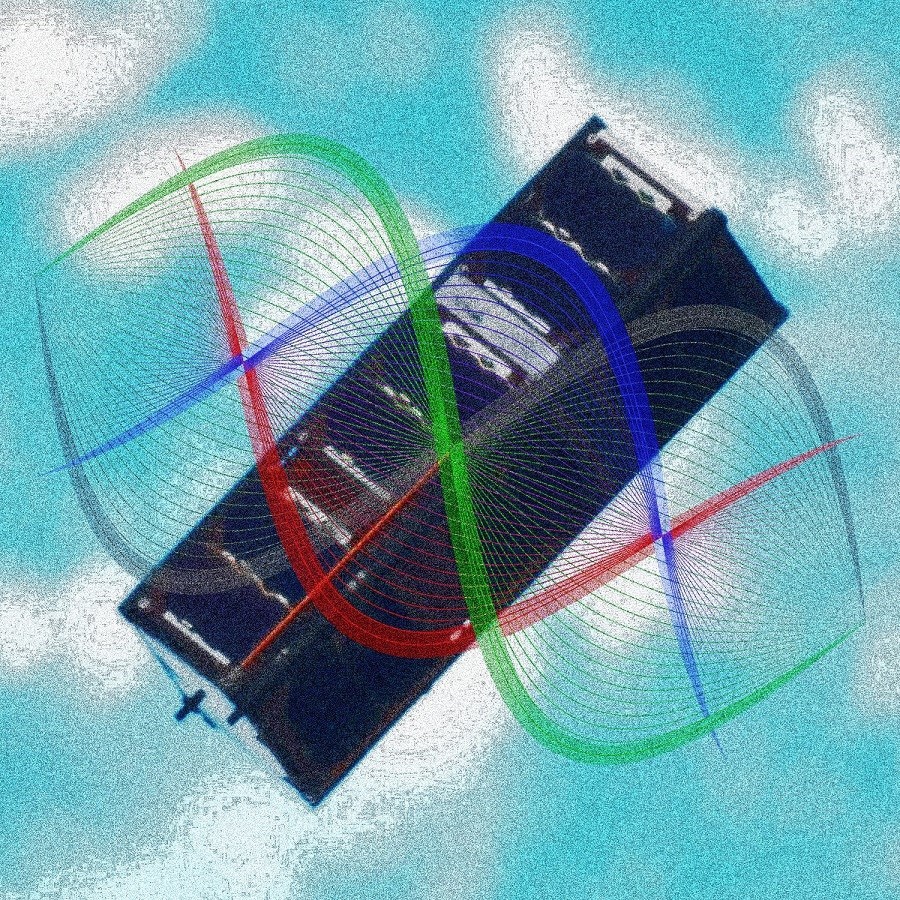
OK, OK, so it’s not the first time quantum entanglement has been demonstrated. But it sure is the smallest. Only 20 cm by 10 cm!
Now we only need a few thousand of these things and a way of somehow making tangled photons actually carry encrypted messages…
(Sorry, thinking of the SF novel I should have published by now…still figuring out the last two chapters!)
See more at New Atlas (note: I seriously doubt the CubeSat actually looks like that picture when it’s doing its thing).




 M Thomas Apple Author Page