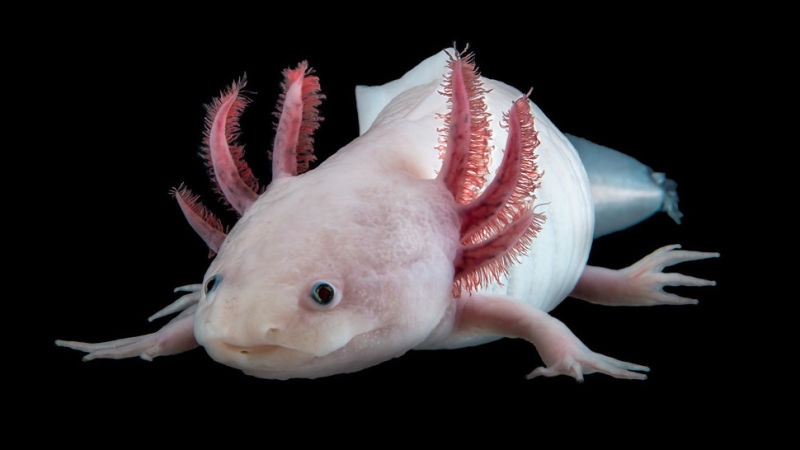
Our bodies have retained the capacity to repair injured or overworked cartilage in our joints, says newresearchpublished today in Science Advances. Remarkably, the mechanics of this healing process are practically the same as what’s used by amphibians and other animals to regenerate lost limbs…
This is not a complaint about Netflix in general (well, not necessarily, but anyway). Without Netflix, I might have gone, shall we say, a little…
…this past winter. I’ve been working temporarily in Montréal, several thousands miles of miles apart from my family, and being able to watch movies and older TV shows has been a great escape from the depressing monotony of single life.
But I feel the need to tell Netflix that I do not appreciate their use of the word “original.” Continue Reading
My award-winning SF novella Adam’s Stepsons featured clones, which as some reviewers noted came a little after the peak of clones (although I wonder if we have yet to hit the “peak,” given scientific progress).
So as I was scouring the net for summer reads, I came across a lot of books about clones and ethical dilemmas (or lack thereof).
The main article I’ve linked here is from Tor.com, which often posts great stuff about SF Continue Reading
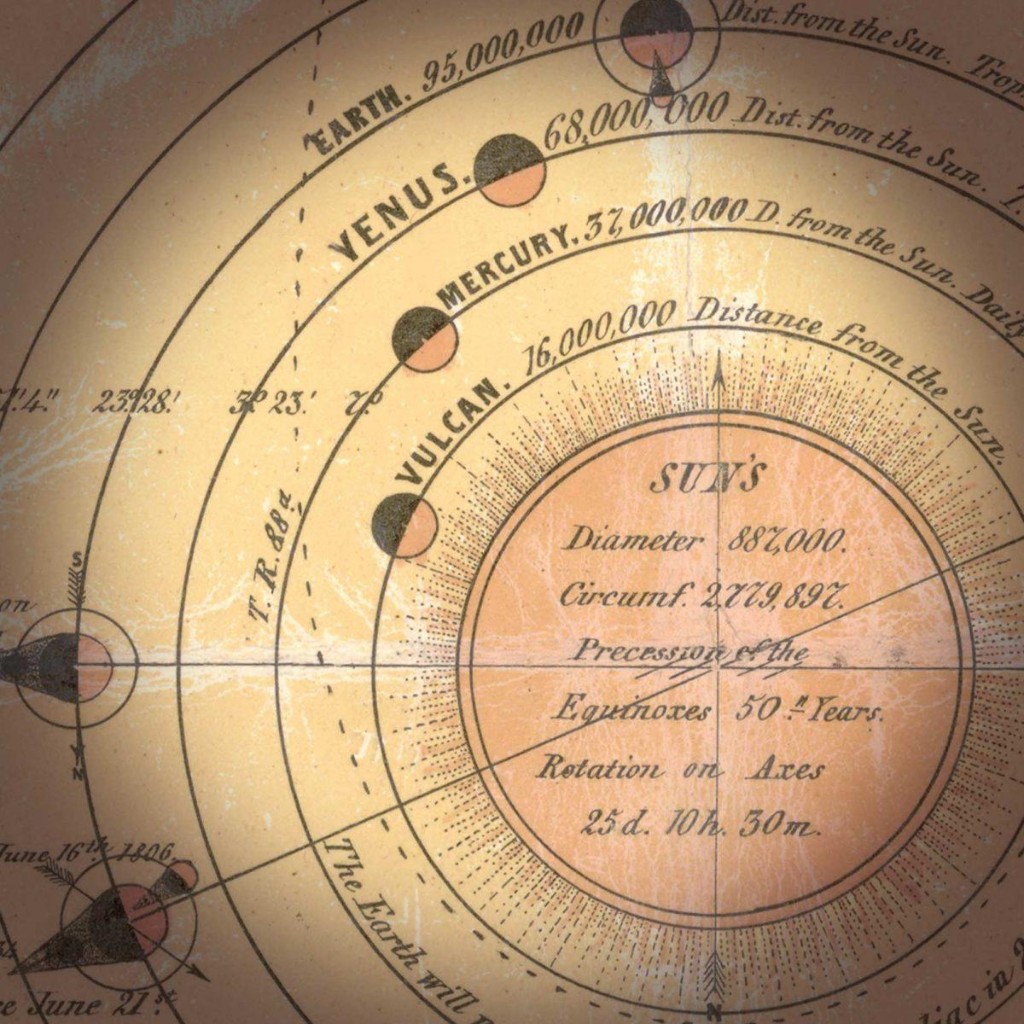
As a kid I remember reading about “Vulcan,” which people used to think existed between Mercury and the Sun but always orbited on the opposite side.
Completely fictional, of course.
But…
Vulcan made a comeback as the fictional home of Spock in Star Trek. It was said by Star Trek creator Gene Roddenberry to be orbiting around 40 Eridani (also called HD 26965), a triple star system in the constellation of Eridanus “the river” in the southern hemisphere just 16 light years distant. In September 2018, astronomers at the University of Florida in Gainesville found a “super-Earth” exoplanet orbiting exactly where Vulcan was said to be.
Still, the fact that someone as highly educated as Chi wrote an entire book based on salvation by extraterrestrials could be a sign of how daunting our future is starting to look.
Or, conversely, how wack some Oxford dons really are…
“Fundamentally, we may be able to change how we create and use the materials with lifelike characteristics. Typically materials and objects we create in general are basically static… one day, we may be able to ‘grow’ objects like houses and maintain their forms and functions autonomously.”
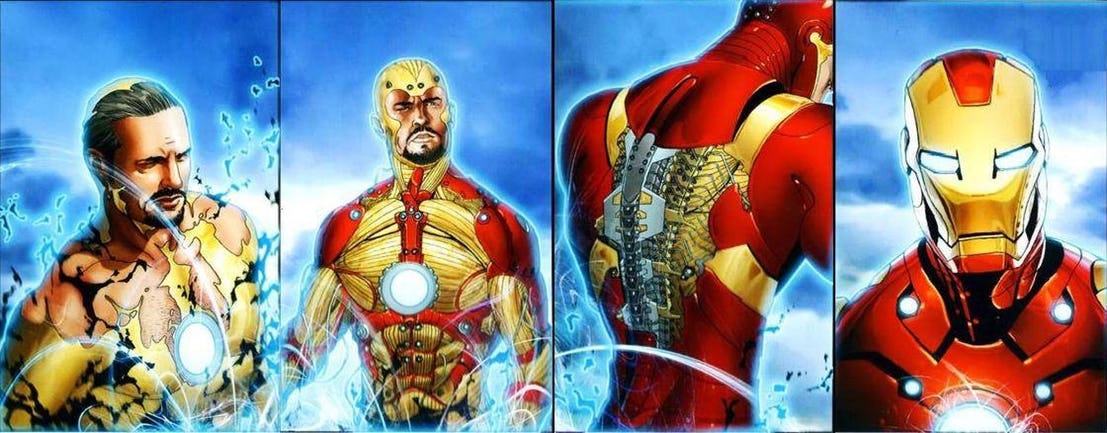
You mean like Iron Man from a decade ago (as seen in Infinity War)?
Honestly, scientists these days…can’t even keep up with comic books from the ’80s…
(That said, I’m not entirely thrilled with the idea of living in a living house that can maintain its own form and feed itself…on what?! you might ask…)








 M Thomas Apple Author Page