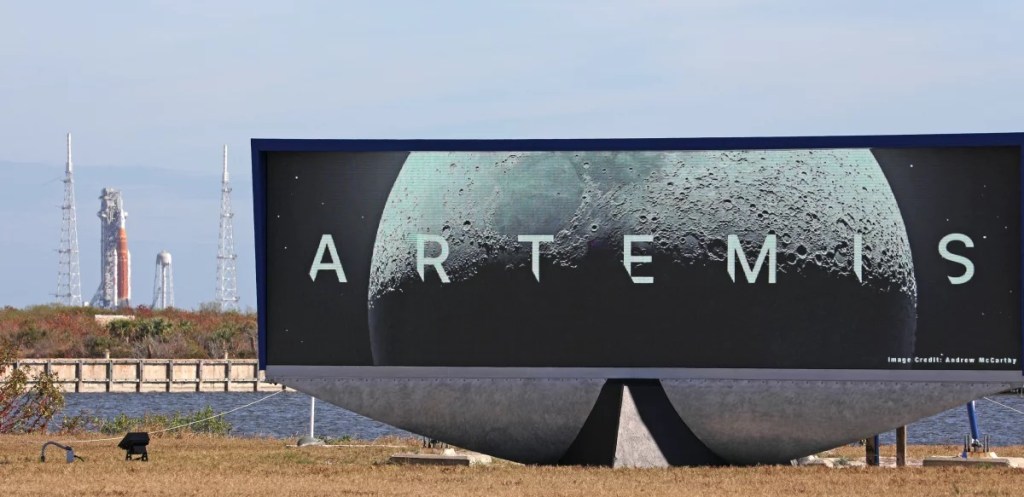
Just one day after NASA said it was eyeing a potential March 6 launch date for the Artemis II lunar mission, the space agency said Saturday that complications with the rocket could delay all launch attempts in March from the Kennedy Space Center in Florida.
(Btw, WordPress, the “quote” field used to have a separate area where you could put a link to the quote’s source. Where did that go? Nothing like helping the spread of unverified fake news…)
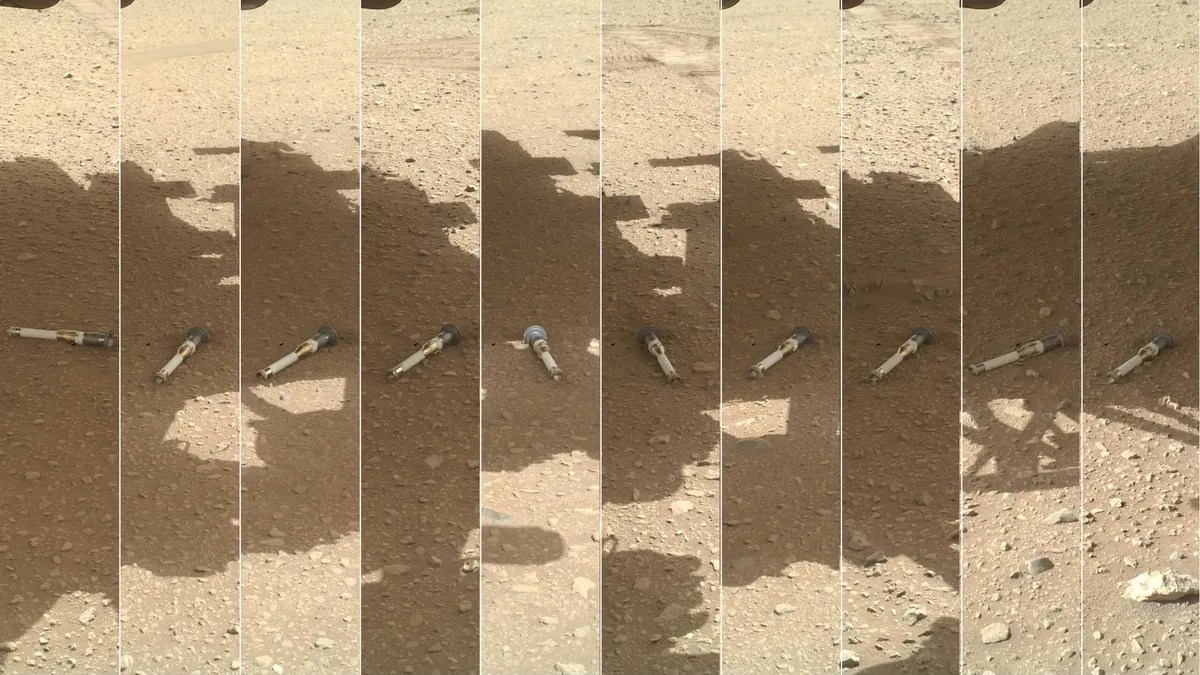
NASA’s plans for Mars sample return are effectively cancelled as part of a bill approved by the U.S. Congress, ending efforts to collect Perseverance rover samples that could contain evidence of alien life.
The South Pole, where power plants are likely to be constructed (without human help…)
“The truth is that nuclear is the only option to power a moonbase,” says Simon Middleburgh from the Nuclear Futures Institute at Bangor University in Wales.
Researchers will fly rockets into the path of the eclipse, stand in zoos watching animals, send radio signals across the globe, and peer into space with massive cameras.
And you don’t need to be a scientist to take part.
If you’re lucky enough to have no clouds or rain, that is.
Things the eclipse affects:
Radio waves
Animal behavior
The birds and the bees (seriously; read about what tortoises did last time)
Things scientists can view thanks to an eclipse:
The solar wind (plasma on the surface of the Sun)
Coronal mass ejections (which interfere with satellites)
Dust rings around the Sun and possibly even new asteroids
The East Coast of North America, where most of my relatives live, is currently 13 hours behind me in Japan. So the event will be long over by the time I wake up.
Hope to see video of it on the morning news show tomorrow!
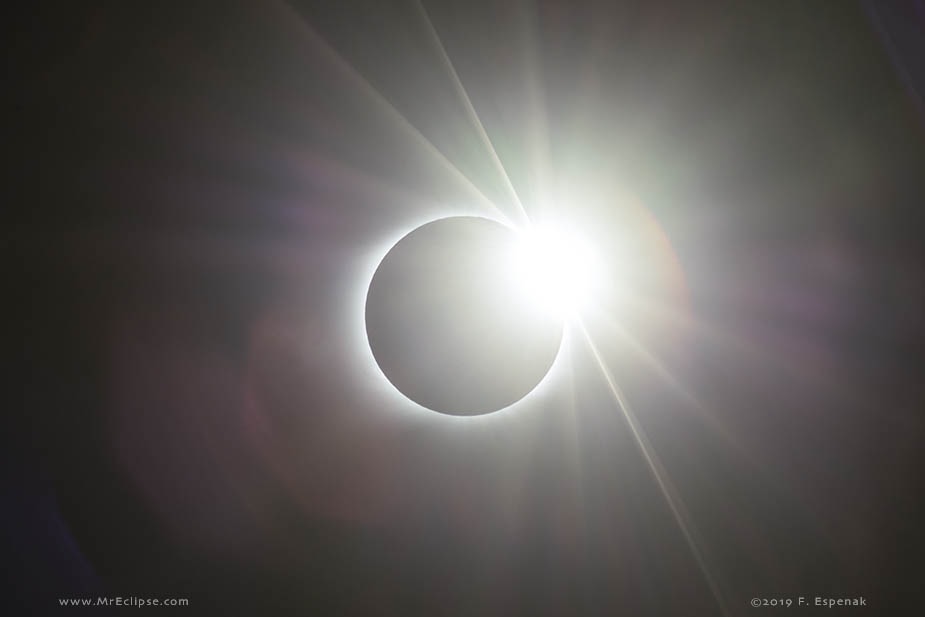
The eclipse begins as a small notch slowly appears along one edge of the Sun. During the next hour, the Moon gradually covers more and more of the Sun’s bright disk. You’ll need a Solar Filter to both view and photograph the partial phases.
On April 8, 2024, there will be a total solar eclipse across parts of North America. It starts on Mexico’s Pacific coast and ends on Canada’s Atlantic coast. (So, no, it’s not just “from San Antonio to the Canadian border” as one article puts it).
I’m a little jealous of friends and family in the path. The eclipse lasts for over four minutes this time — if you’re in the area, enjoy!
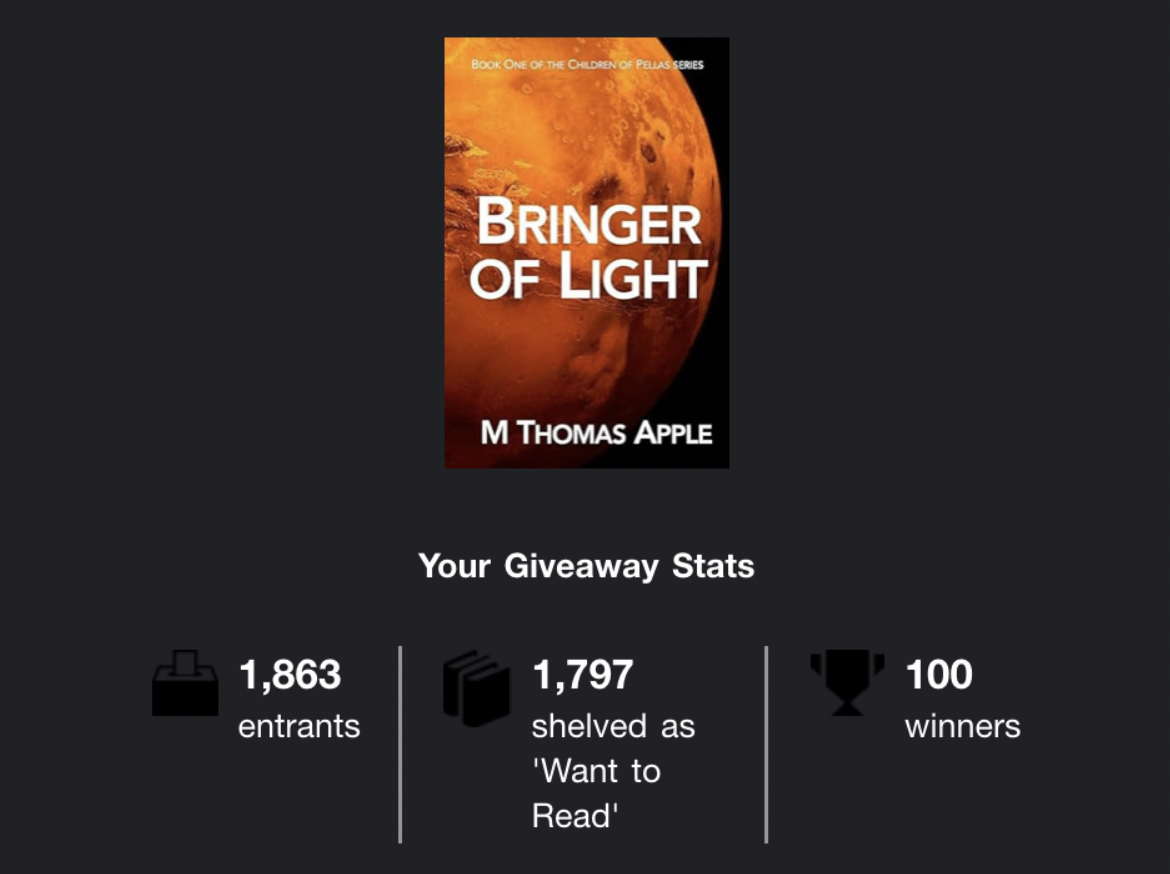
Thanks to all who asked for a copy of Bringer of Light in the recent Goodreads giveaway!
Congratulations if you were a winner, and if you were not chosen by the system, take heart: there will be another giveaway in the near future. Thank you for your interest in my science fiction! I hope you enjoy reading it as much as I enjoy writing it!
[Note to self – it’s probably not a coincidence that so many of my better diary entries were written in August. I obviously have more time to think and write at that time of year!]
What strange turns my life has taken. Never would I have in a million years expected to be here, now, in this apartment, typing on an extended keyboard into a Japanese computer, in a Japanese city, listening to the same Cure tape I was listening to back in 1996. Has it actually been 8 years?
Ten years ago I was playing role playing games and drinking in Robbins lounge, getting ready to pack everything I owned into a moving van to move to Ann Arbor. A city I didn’t know, with no money for deposit or rent, or a job. Without a clue. Totally hopeless. Instead of exploring the city, I stayed in my bedroom and played games or typed. What was I thinking? I can’t even get in touch with the few people I met there. Even the ones I knew at ND are either gone back where they came from or no longer answer my emails.
I can still picture them all in my mind. I can still see the rooms I lived in, all the way back home. Even the freshman dorm room which no longer exists, since they tore the building down. How can that be?
It must be this which makes us human; the ability to take the visual and turn it into mental. The capacity to make emotional connections between the world outside and the world inside. The belief that there are two worlds. This makes us human, and at the same time it makes us separate. It is a false belief, that we are not of the outside. Yet there is no returning. Once we start, we can never stop. Even changing languages doesn’t help. We merely start over again from a new perspective, still outside the outside.
Though definitions sometimes differ, cislunar space generally refers to the space between Earth and the moon, including the moon’s surface and orbit. Any nation or entity that aims to establish a presence on the moon, or has ambitions to explore deeper into the solar system, has a vested interest in operating in cislunar space, either with communication and navigation satellites or outposts that serve as way stations between Earth and the moon.
“Considering how many different possibilities there are for a series like Quantum Leap in today’s world, it’s more than a little surprising that it’s taken this long for the series to attempt a return. Bakula had previously stated how relevant a series reboot would be, and the idea of creating a sequel series in which a new team searches for him is perhaps the perfect way to reignite the intrigue that the original program offered.”
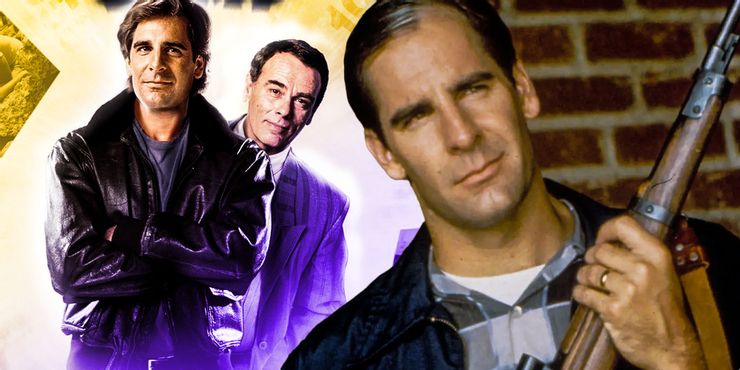
My family used to watch this each week in the late ’80s and early ’90s. Near the end it did get a little weird (the main character Sam Beckett jumped into the body of a space race NASA chimpanzee, and animal rights activists went totally ballastic).
Still, it ended on a very unsatisfying note (basically, “He never returned home. The End.”) and almost any kind of sequel would be great. Since Sam is a “missing person,” there is likely more to this than meets the eye (see https://www.thewrap.com/quantum-leap-reboot-nbc-plot-details/).





 M Thomas Apple Author Page