NASA says it is once again able to get meaningful information back from the Voyager 1 probe, after months of troubleshooting a glitch that had this venerable spacecraft sending home messages that made no sense.
In BRINGER OF LIGHT, M. Thomas Apple crafts a satisfyingly complex future where mankind has moved off Earth but must fight and struggle against the harsh realities of physics—and each other—in order to survive.
When you are younger you get blamed for crimes you never committed. And when you’re older you begin to get credit for virtues you never possessed. It evens itself out.
Researchers will fly rockets into the path of the eclipse, stand in zoos watching animals, send radio signals across the globe, and peer into space with massive cameras.
And you don’t need to be a scientist to take part.
If you’re lucky enough to have no clouds or rain, that is.
Things the eclipse affects:
Radio waves
Animal behavior
The birds and the bees (seriously; read about what tortoises did last time)
Things scientists can view thanks to an eclipse:
The solar wind (plasma on the surface of the Sun)
Coronal mass ejections (which interfere with satellites)
Dust rings around the Sun and possibly even new asteroids
The East Coast of North America, where most of my relatives live, is currently 13 hours behind me in Japan. So the event will be long over by the time I wake up.
Hope to see video of it on the morning news show tomorrow!
The influence of geography on history went mostly unrecognized…Humans tended to look more at the influence of history on geography. Who owns this river valley? This verdant valley? This peninsula? This planet? None of us.
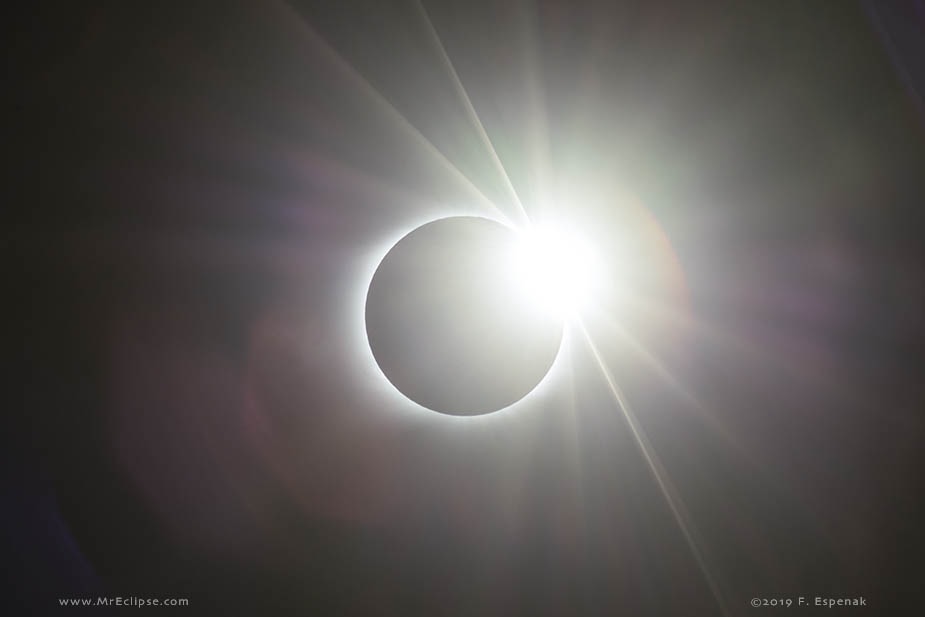
The eclipse begins as a small notch slowly appears along one edge of the Sun. During the next hour, the Moon gradually covers more and more of the Sun’s bright disk. You’ll need a Solar Filter to both view and photograph the partial phases.
On April 8, 2024, there will be a total solar eclipse across parts of North America. It starts on Mexico’s Pacific coast and ends on Canada’s Atlantic coast. (So, no, it’s not just “from San Antonio to the Canadian border” as one article puts it).
I’m a little jealous of friends and family in the path. The eclipse lasts for over four minutes this time — if you’re in the area, enjoy!
How NOT to look at their smartphone while zombie walking on a train platform or stairs.
Smartphones should be programmed to send tiny electrical shocks into your hand when you walk while reading them. Put the thing in your pocket until you clear the field.




 M Thomas Apple Author Page