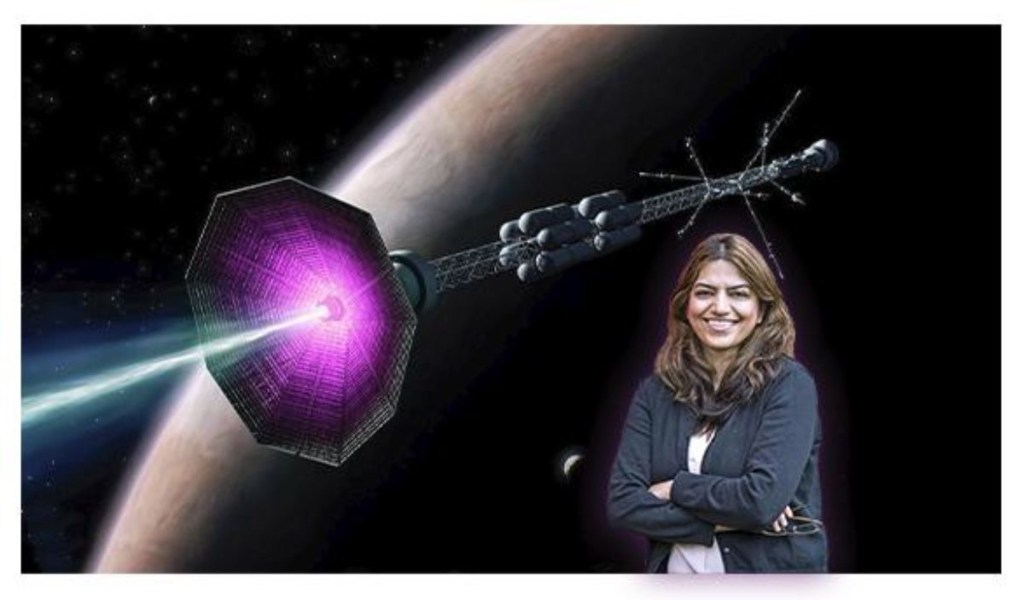
A crewed mission to Mars may be more practical thanks to a new rocket concept developed by Fatima Ebrahimi, a physicist at the US Department of Energy’s (DOE) Princeton Plasma Physics Laboratory (PPPL), that uses magnetic fields to generate thrust.
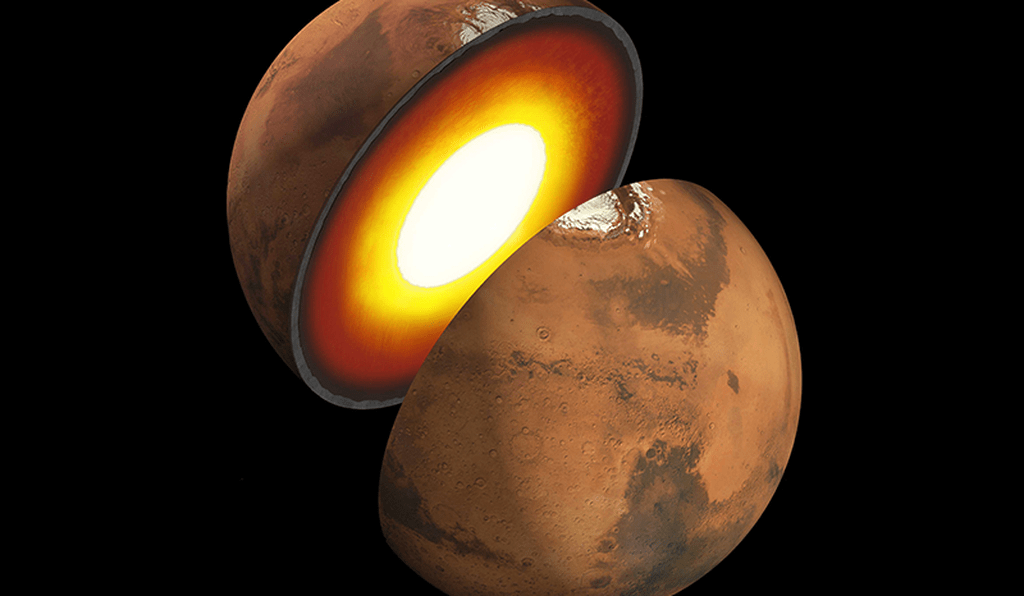
Despite the lack of large marsquakes, the researchers were able to estimate how thick Mars’ crust is. They predict it has three layers—but possibly two—that are between 12.4 and 23 miles thick, reports Nature. Mars’ crust is considerably thinner than that of Earth, which can be up to 25 miles thick—and that’s surprising, reports Science.
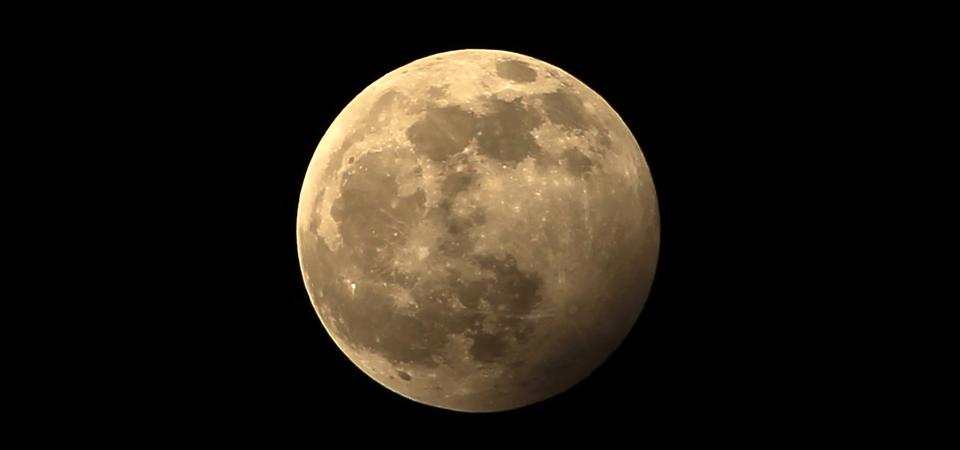
Visible from the Americas, Australia and Asia, the “Beaver Moon” will pass through Earth’s outer shadow (penumbra) at 07:32 Universal Time, causing a slight penumbral lunar eclipse that will see 83% of the Moon visibly darken at 9:42 Universal Time…
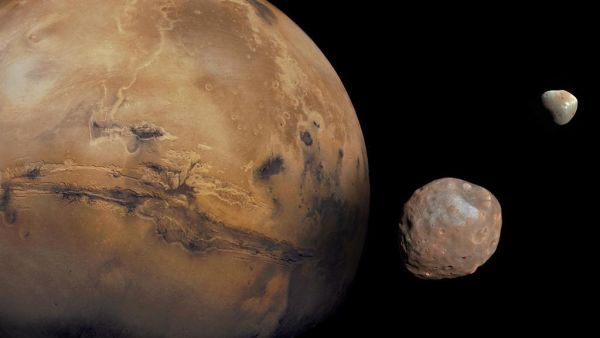
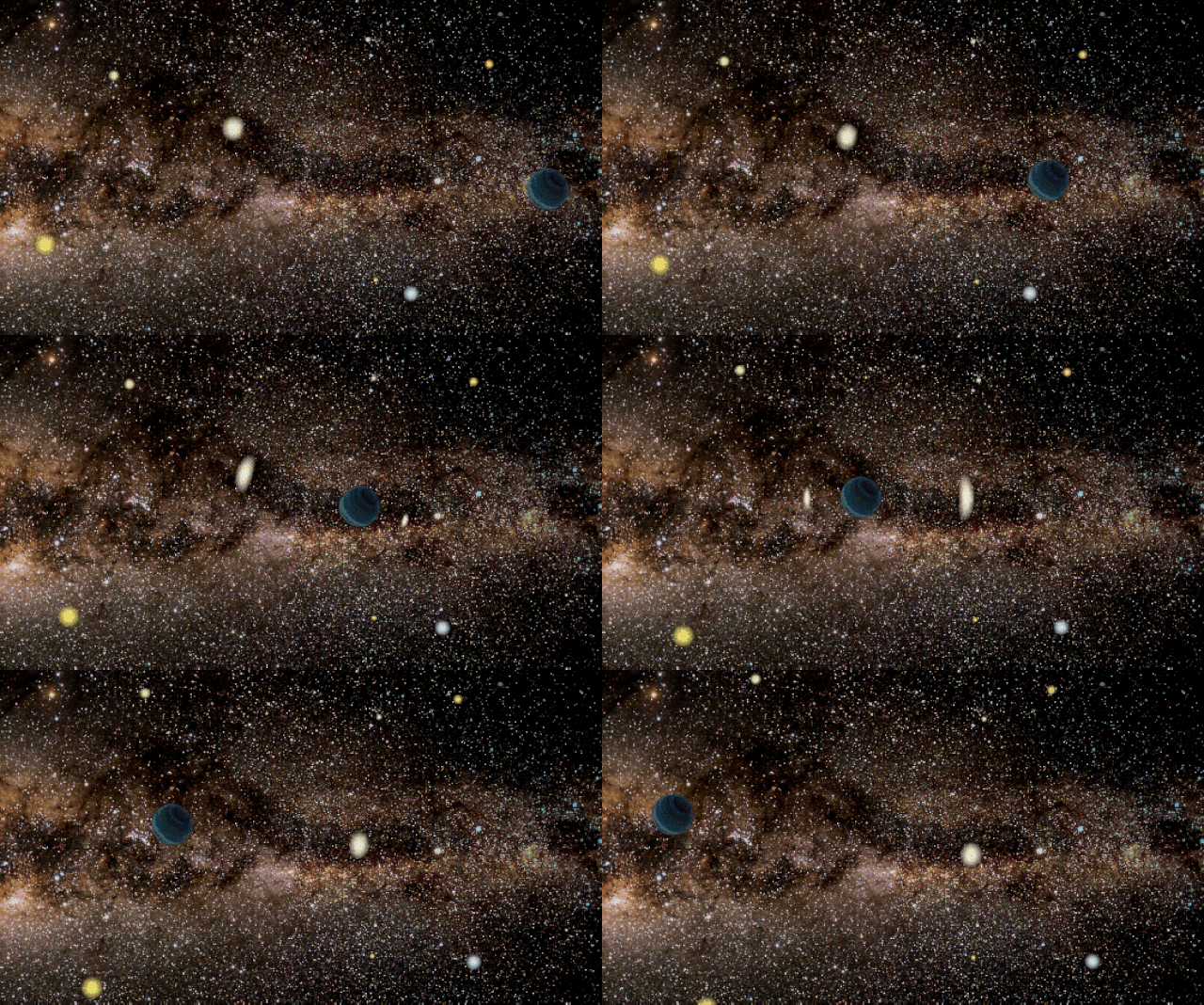
It’s possible our galaxy is filled to the brim with these rogue planets, but this one is particularly unusual for one special reason: it is the smallest found to date — even smaller than Earth — with a mass similar to Mars.
Dropping a shoutout to all my followers, old and new. Thanks for reading!
I’m preparing this week’s installment of Bringer of Light (Chapter 3, Part 2), all the while scouring the web for science and tech news to share.
Anything you want to see shared (or want to share)? Comments on the story so far? Something you want to rant about? (No politics please! Waaay too much of that at home right now. I’d rather keep my head in the stars when possible…)
Bringer of Light: Chapter 3, Part 2 – dropping at 7 p.m. EDT October 31st. No Halloween theme, sorry (that’s a separate post 🎃).
The volcano is about the size of Arizona with a volume100 times larger than that of Mauna Loa’s,Earth’s largest volcano, NASA says. “In fact, the entire chain of Hawaiian islands (from Kauai to Hawaii) would fit inside Olympus Mons!”
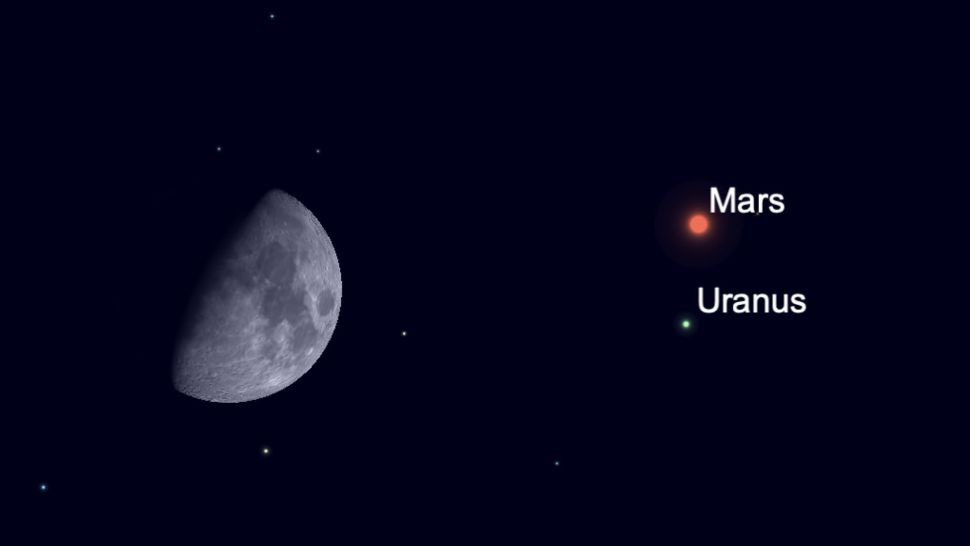
Brighter than Jupiter this October! And the closest Mars will be until 2035.
(The photo is from Forbes, but the information was better on The Telegraph.)
I get the attraction of people like Steve Jobs and Elon Musk. They have big ideas. They’re enthusiastic, ecstatic, even. They’re great at simplifying difficult concepts and promoting tech to the lay person.
But they’re not creators. They’re “visionaries.”
I.e., salespersons.
Is that a bad thing? Of course not. I was in computer sales once. It was hard. Only the charismatic are good at it. But I didn’t have the knowledge and ability to make the products I was selling, let alone the power to innovate.
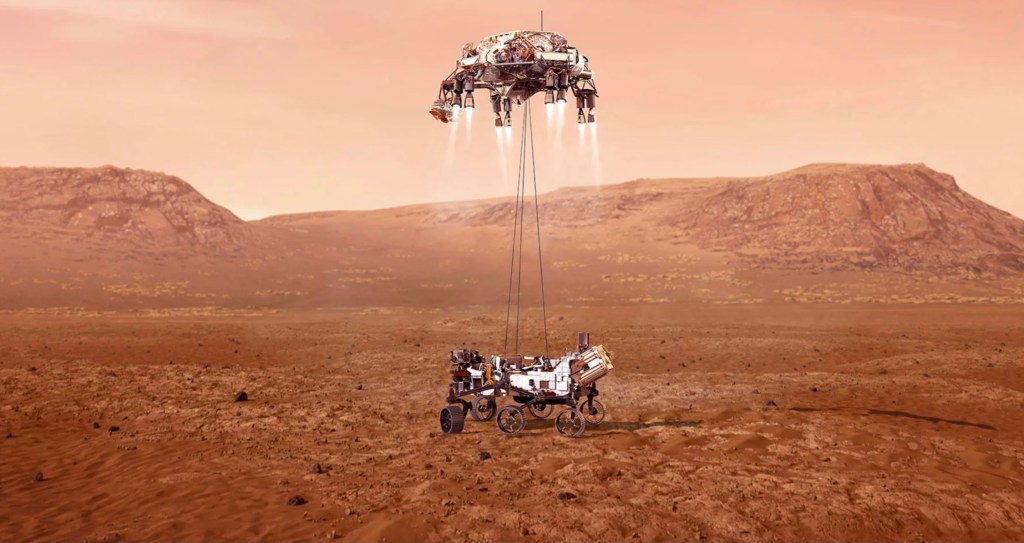
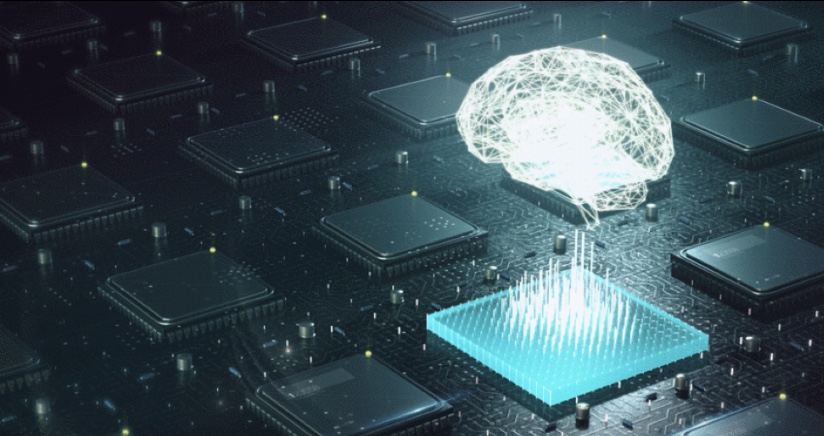
Sticking a chip in a person’s brain and sending thousands to the Moon or Mars sound cool. Possible, even.
But science isn’t sales. Someone might die.
Small difference.
We need visionaries, but scientists are more important. Maybe if they talked to each other…



 M Thomas Apple Author Page