These aren’t the drones that deliver your online order. Loaded with cameras, sensors, and explosives, their mission is to drive themselves to a target with an algorithm in the driver’s seat. They destroy themselves along with the target, leaving behind just a pile of electronic detritus.
“The laser, a 10-meter wide array on Earth, would heat hydrogen plasma in a chamber behind the spacecraft, producing thrust from hydrogen gas and sending it to Mars in only 45 days. There, it would aerobrake in Mars’ atmosphere, shuttling supplies to human colonists or, someday perhaps, even humans themselves.”
The only problem is that there’s no way to slow the thing down right now…”aerobraking” using current technology would cause gees of 8 or above for several minutes and temperatures hot enough to cook whatever’s in the ship to a nice toasty crisp.
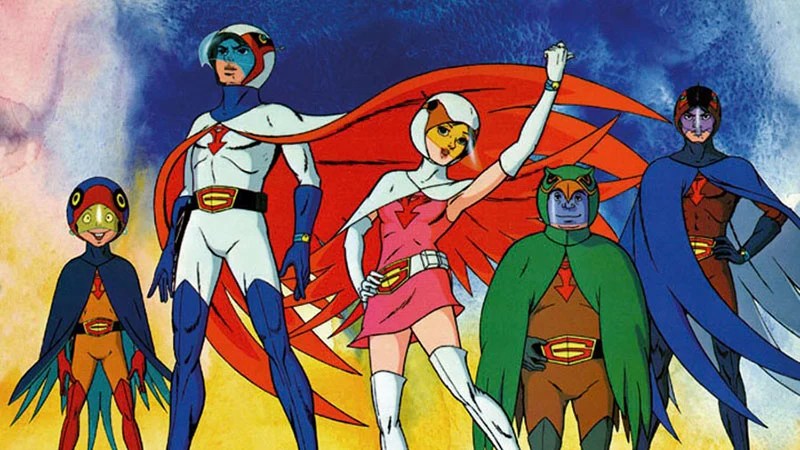
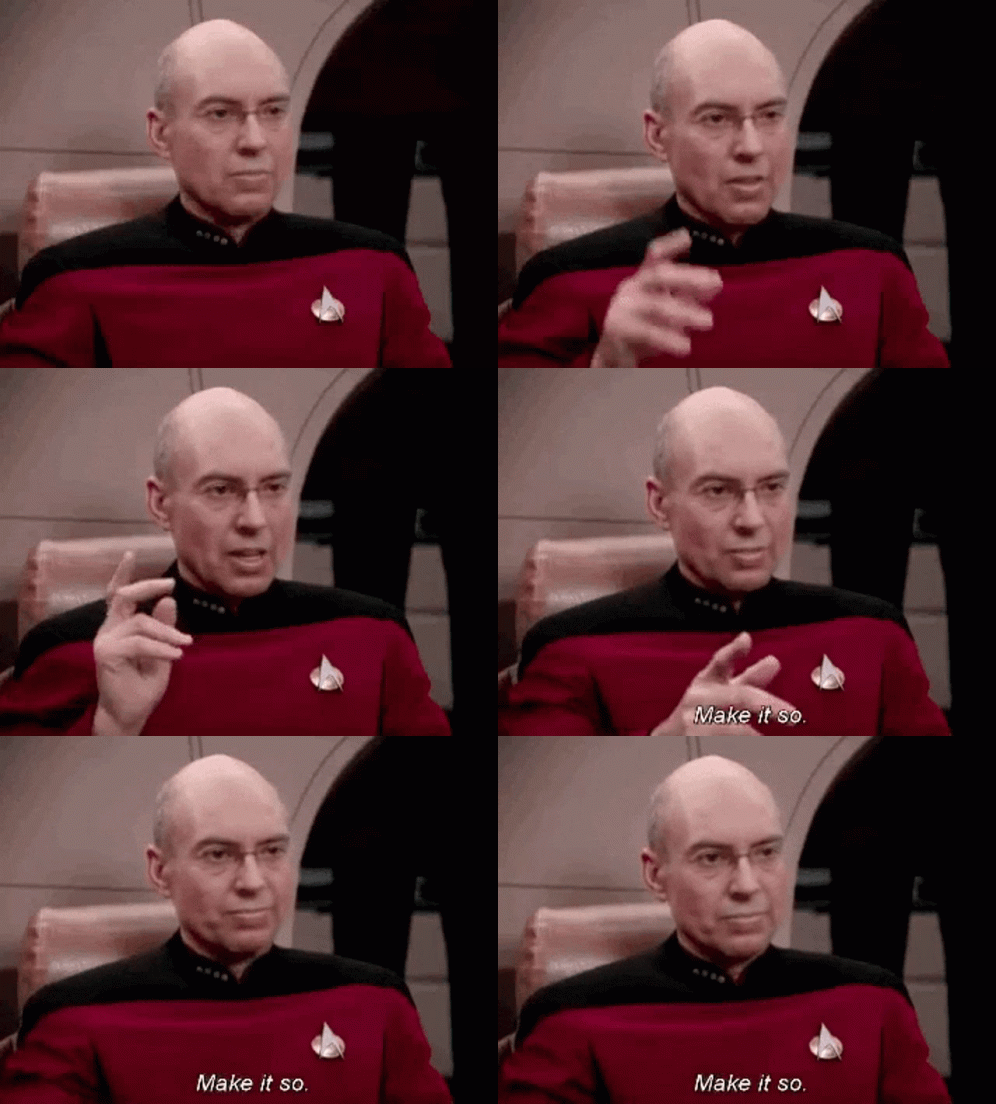
Not even the G-Force would survive! Well, OK, maybe. (But only if they reverted to their original Japanese name – “Gatchman.”)
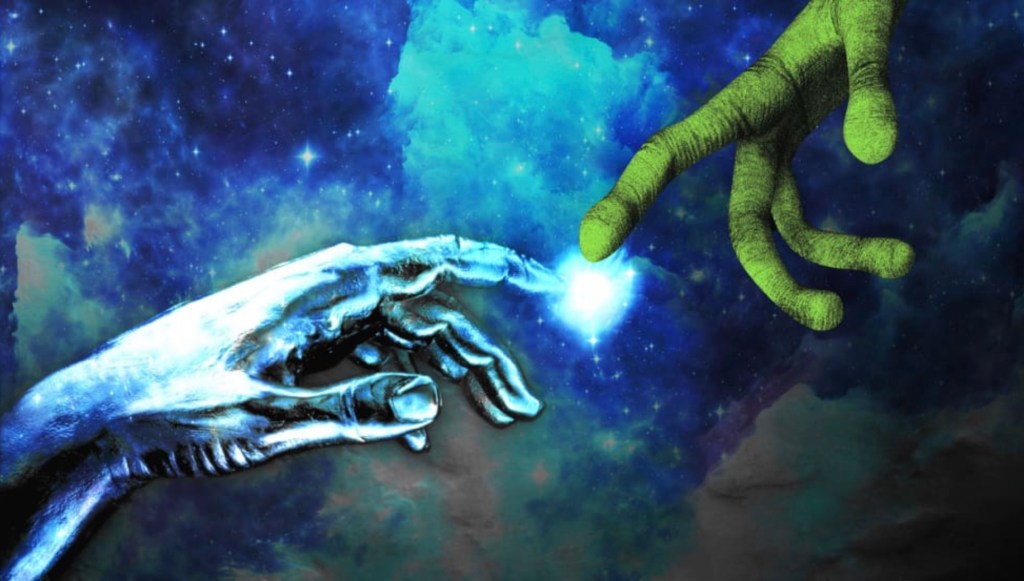
But what if robots could design a receiving station with lasers to “catch” the ship and slow it down…?
Hmmm. Sounds like a science fiction work in progress…
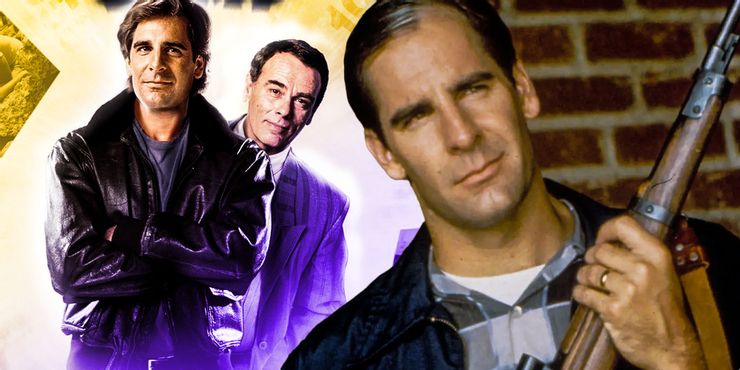
“Considering how many different possibilities there are for a series like Quantum Leap in today’s world, it’s more than a little surprising that it’s taken this long for the series to attempt a return. Bakula had previously stated how relevant a series reboot would be, and the idea of creating a sequel series in which a new team searches for him is perhaps the perfect way to reignite the intrigue that the original program offered.”
My family used to watch this each week in the late ’80s and early ’90s. Near the end it did get a little weird (the main character Sam Beckett jumped into the body of a space race NASA chimpanzee, and animal rights activists went totally ballastic).
Still, it ended on a very unsatisfying note (basically, “He never returned home. The End.”) and almost any kind of sequel would be great. Since Sam is a “missing person,” there is likely more to this than meets the eye (see https://www.thewrap.com/quantum-leap-reboot-nbc-plot-details/).
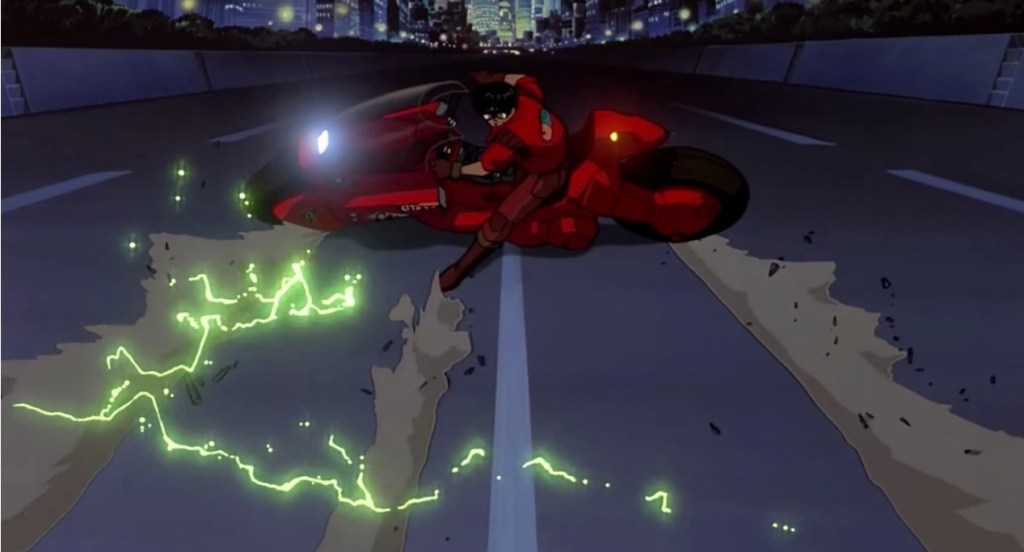
In case you didn’t know, the entire film of Akira has been available on YouTube since 12/23…in Japanese.
Kanedaaaaaaaaaaa!
Still, it’s free. I first watched it (in badly translated dubbed English) on the big screen in a cheap arts cinema in 1991.
Glorious.
Bought the original Japanese comics (MUCH better than the movie, which barely covers the first volume) and then the English translated comics. Then got the collector’s edition movie with a new English translation (both subtitles and dubbed).
Tetsuooooooo!
It’s online for free until 12/28, so if you’re sick of Santa movies go check it out!
Kanedaaaaaaaaa! Help me…..!
(It’s meant to advertise the upcoming Katsuhiro Otomo Complete Works manga collection, available at the end of January.)
I was lucky: I got to watch Cowboy Bebop (the classic anime) in 2000.
I had just moved to Japan to teach English as an ALT the previous year. Stuck in the countryside with no friends and very little to do when not working, I immersed myself in Japanese language study.
Part of that involved keeping the TV on in the background, even though I couldn’t understand any of it.
After a few months of studying, I got help from a student in the English Speaking Society (a club at the high school where I was working) in getting a membership card at the only video rental store in town. At the time, the owners weren’t so keen on allowing a foreigner to rent videos; they even asked how I could guarantee that I wouldn’t simply up and leave and take their videos back to my home country.
Over the three years I was in the town, I borrowed hundreds of videos from that little store. None of the Japanese-language ones had English subtitles (obviously), and Cowboy Bebop was a series I must have borrowed at least three times, understanding more each time I watched it.
In the anime, the primary characters all have katakana names – Spike, Faye, Jet, Edward – and their computer screens always show English. The opening credits are in English, and the text behind the credits is also in English, even as the characters use Japanese (it’s never said, but we can assume universal translators in action). The show features multiethnic interaction with no hints whatsoever of racism or prejudice. A show way ahead of its time.
As various websites have pointed out, it was originally designed to sell Bandai toys, but the director had other ideas.
Episode 5 explains, with text behind the characters: “This is not a kind of space opera.” It slips in references to shows and movies like Star Trek and Star Wars, but it’s really an angst-ridden, existentialist space western with misfits galore.
Based on jazz.
“Space jazz,” really, is a better description of the show (even though pop, funk, and even heavy metal are played — entirely made by Kanno Yoko’s band, which she specifically created just for the show).
The live action remake version was just released on Netflix on November 19th (EST; click on the link to see the trailer on YouTube), who I sincerely hope do it justice (most, if not all, of their recent remakes of anime have quite frankly sucked donkey).
It’s not supposed to have a happy ending. I hope it doesn’t.
And I hope there’s no second season. The anime is brilliant. Don’t ruin its legacy.