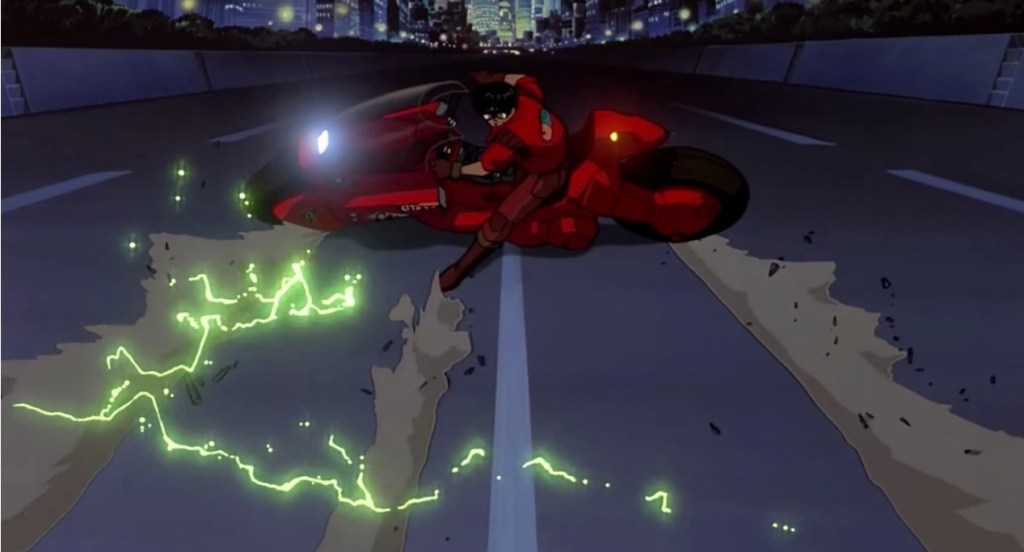
In case you didn’t know, the entire film of Akira has been available on YouTube since 12/23…in Japanese.
Kanedaaaaaaaaaaa!
Still, it’s free. I first watched it (in badly translated dubbed English) on the big screen in a cheap arts cinema in 1991.
Glorious.
Bought the original Japanese comics (MUCH better than the movie, which barely covers the first volume) and then the English translated comics. Then got the collector’s edition movie with a new English translation (both subtitles and dubbed).
Tetsuooooooo!
It’s online for free until 12/28, so if you’re sick of Santa movies go check it out!
Kanedaaaaaaaaa! Help me…..!
(It’s meant to advertise the upcoming Katsuhiro Otomo Complete Works manga collection, available at the end of January.)
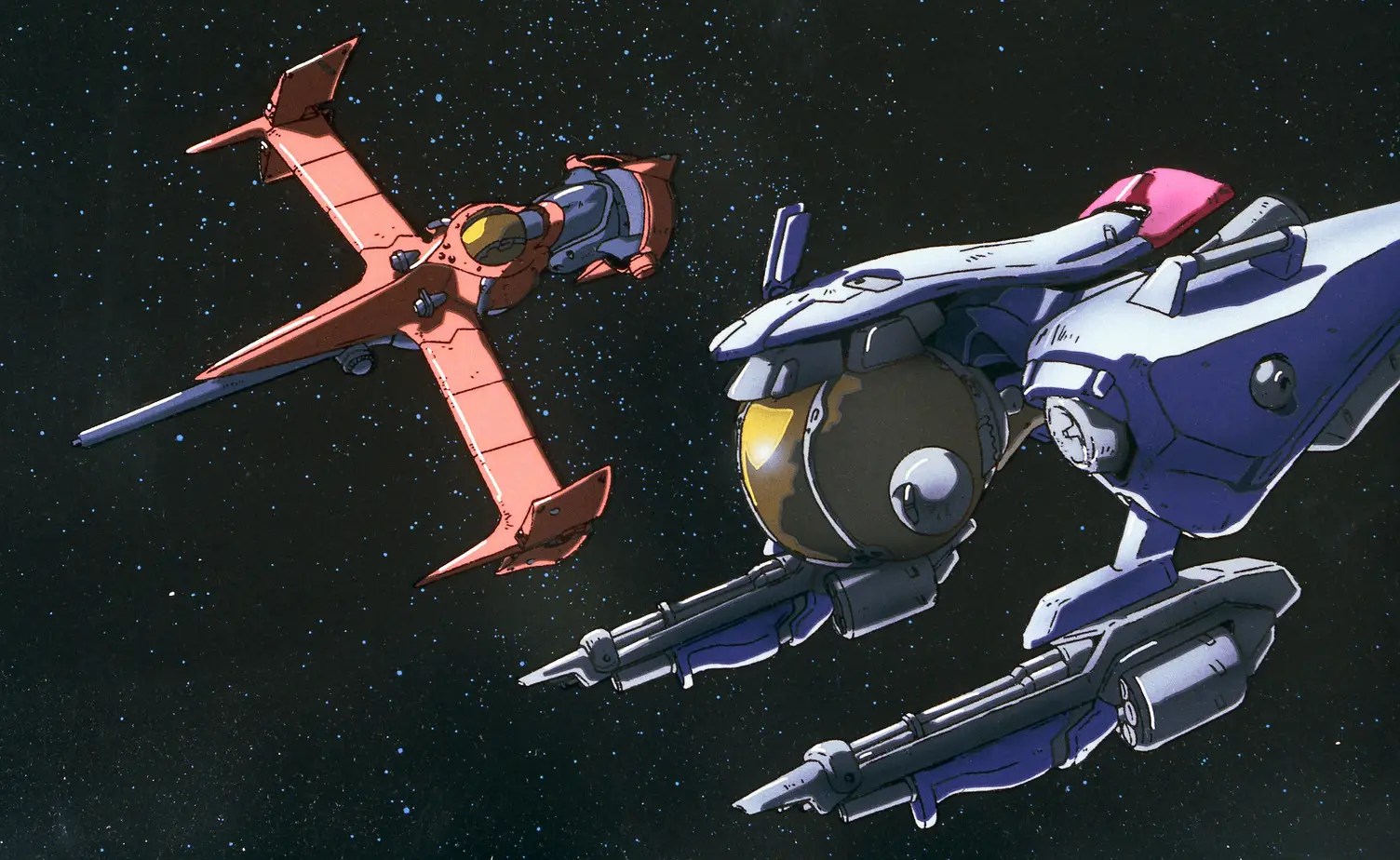
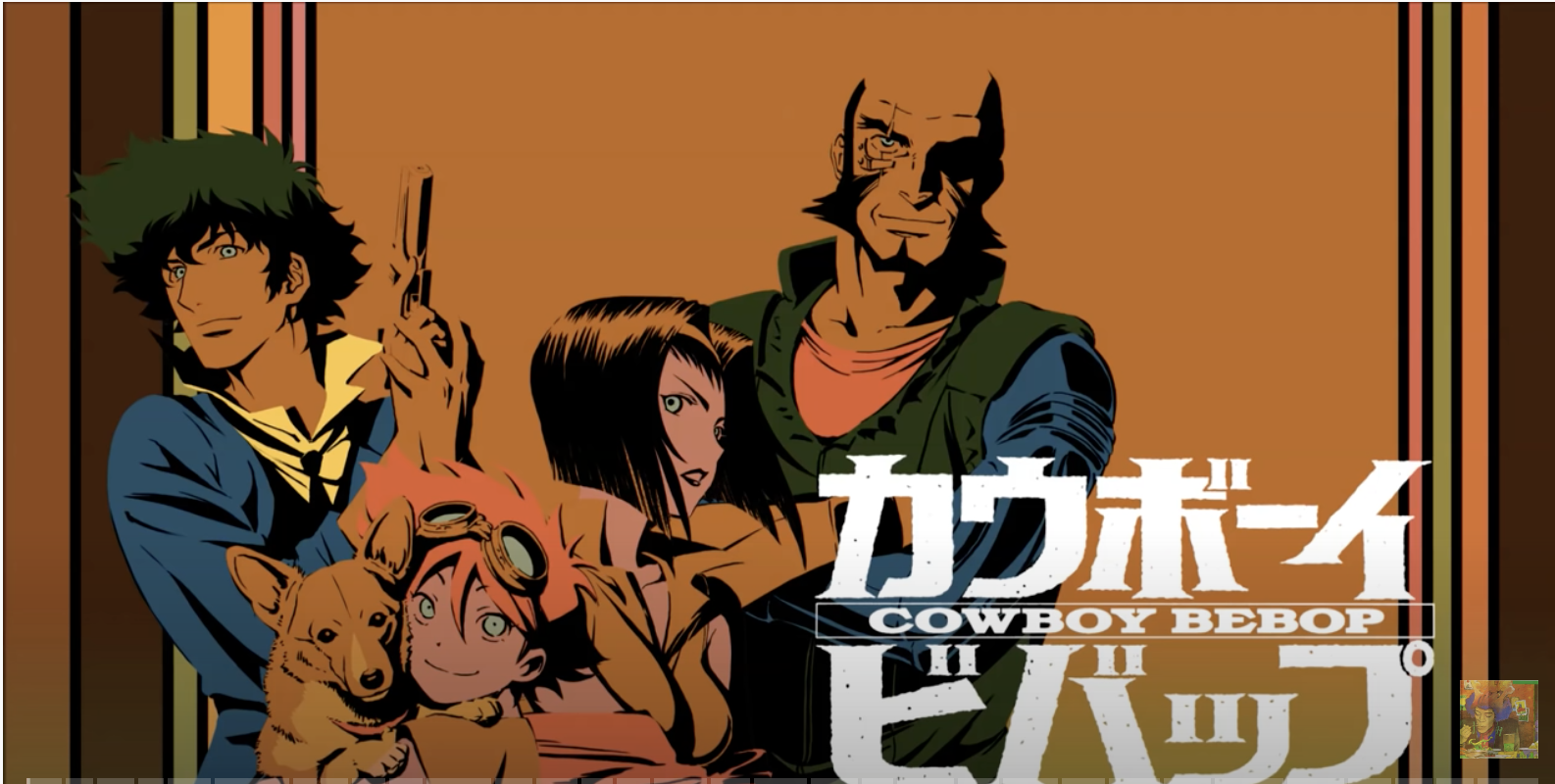
I was lucky: I got to watch Cowboy Bebop (the classic anime) in 2000.
I had just moved to Japan to teach English as an ALT the previous year. Stuck in the countryside with no friends and very little to do when not working, I immersed myself in Japanese language study.
Part of that involved keeping the TV on in the background, even though I couldn’t understand any of it.
After a few months of studying, I got help from a student in the English Speaking Society (a club at the high school where I was working) in getting a membership card at the only video rental store in town. At the time, the owners weren’t so keen on allowing a foreigner to rent videos; they even asked how I could guarantee that I wouldn’t simply up and leave and take their videos back to my home country.
Over the three years I was in the town, I borrowed hundreds of videos from that little store. None of the Japanese-language ones had English subtitles (obviously), and Cowboy Bebop was a series I must have borrowed at least three times, understanding more each time I watched it.
In the anime, the primary characters all have katakana names – Spike, Faye, Jet, Edward – and their computer screens always show English. The opening credits are in English, and the text behind the credits is also in English, even as the characters use Japanese (it’s never said, but we can assume universal translators in action). The show features multiethnic interaction with no hints whatsoever of racism or prejudice. A show way ahead of its time.
As various websites have pointed out, it was originally designed to sell Bandai toys, but the director had other ideas.
Episode 5 explains, with text behind the characters: “This is not a kind of space opera.” It slips in references to shows and movies like Star Trek and Star Wars, but it’s really an angst-ridden, existentialist space western with misfits galore.
Based on jazz.
“Space jazz,” really, is a better description of the show (even though pop, funk, and even heavy metal are played — entirely made by Kanno Yoko’s band, which she specifically created just for the show).
The live action remake version was just released on Netflix on November 19th (EST; click on the link to see the trailer on YouTube), who I sincerely hope do it justice (most, if not all, of their recent remakes of anime have quite frankly sucked donkey).
It’s not supposed to have a happy ending. I hope it doesn’t.
And I hope there’s no second season. The anime is brilliant. Don’t ruin its legacy.
Where’s the Artemis?? What’s up with Mars? And Ceres seriously…?
Sorry I haven’t kept up the story posts, everyone.
I know it’s been almost a month since the last Bringer of Light episode. Work just got dumped on me, and I can barely find time to give my writing students feedback. We switched back to face to face classes…with live streaming on Zoom for students who couldn’t or wouldn’t go back to campus…which is definitely NOT a teaching style I would recommend to anybody, anywhere, ever.
It’s been like laying down tracks in front of an oncoming train. Every day.
There is lots more good stuff for Riss and her crew, I swear. I’ve got drafts up to Chapter 42, and plots to the end after that. Let me see if I can get the next one up for you all in a day or two…
OK, I readily admit that I am once again waaaay behind on my scifi blogging.
At some point last week, I looked up from the mass amounts of work I had left to do and went, “Uh. August 21st? Was that really the last time I posted?”
Uh. Yup.
😣
I’ll do my best to get the rest of Riss’s story online on a biweekly basis, like I promised I would.
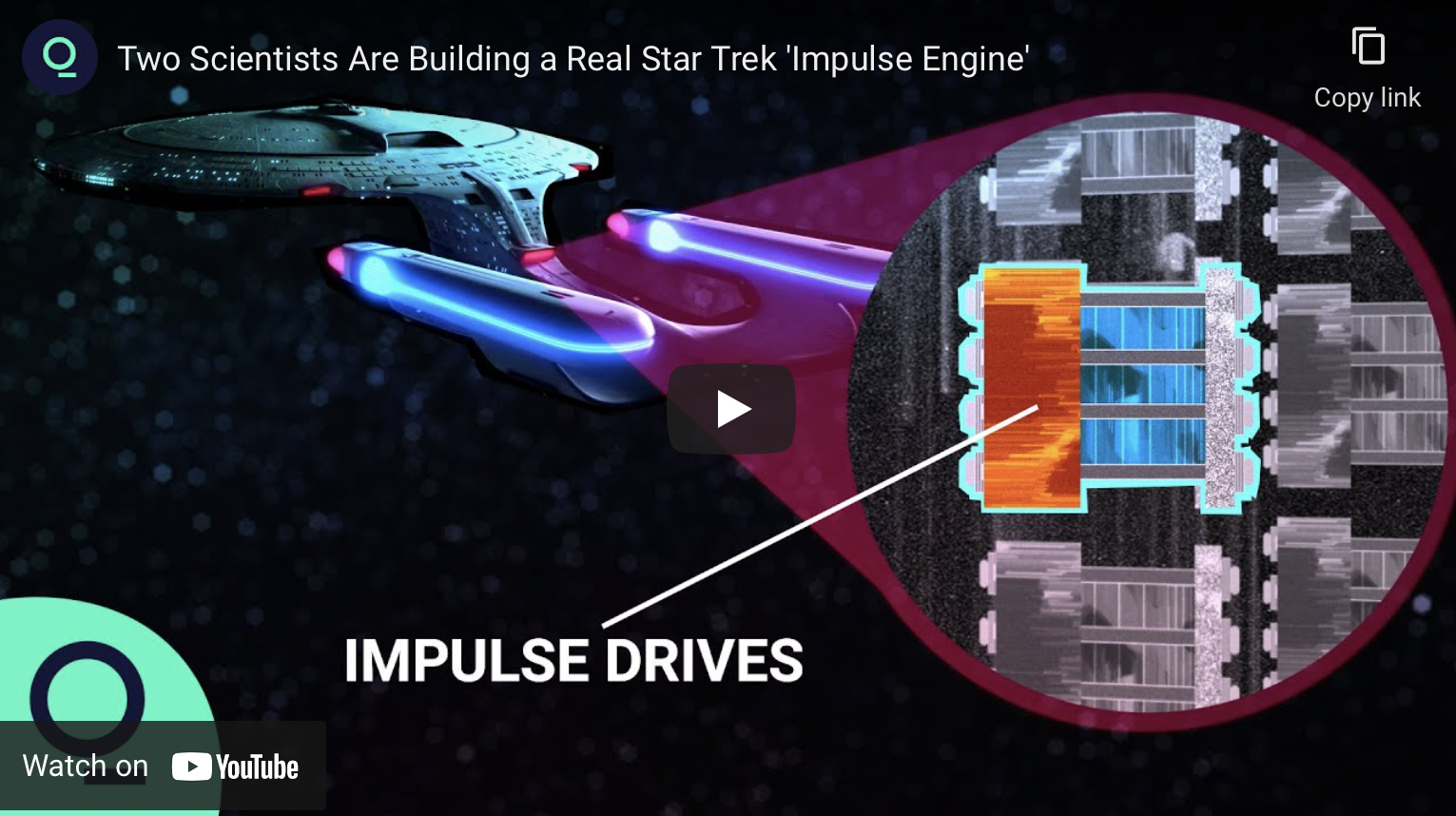
In a video on the YouTube channel Bloomberg Quicktakes, Fearn and Woodward propose using the “Mach Effect Gravity Assist” drive to cut interstellar travel time down to within a human lifetime.
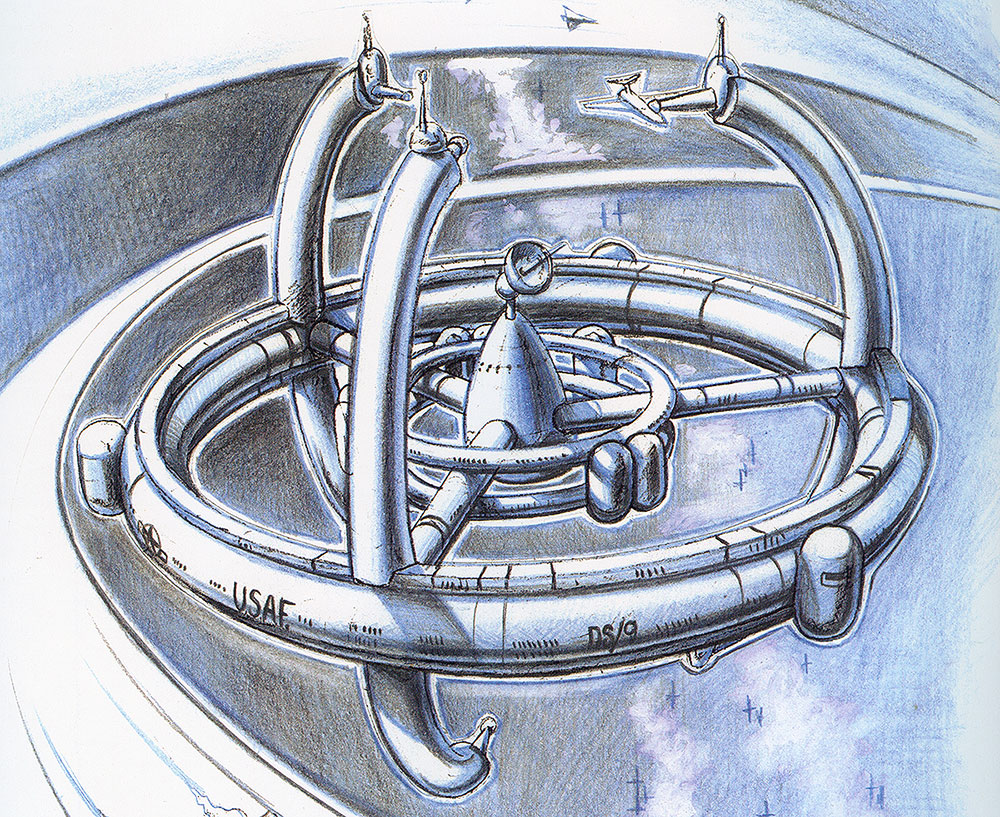
On February 9, 1998, Star Trek Deep Space 9 broadcast one of the most important episodes in the entire history of the franchise.
And what it said about society back in 1953 was just as relevant as for 1998. And perhaps even more important for 2021.
Others have written more eloquently about the plot line, the characterizations, the background, the actors (Avery Brooks directed himself, and his performance should have earned him an Emmy). So I’ll just link to:
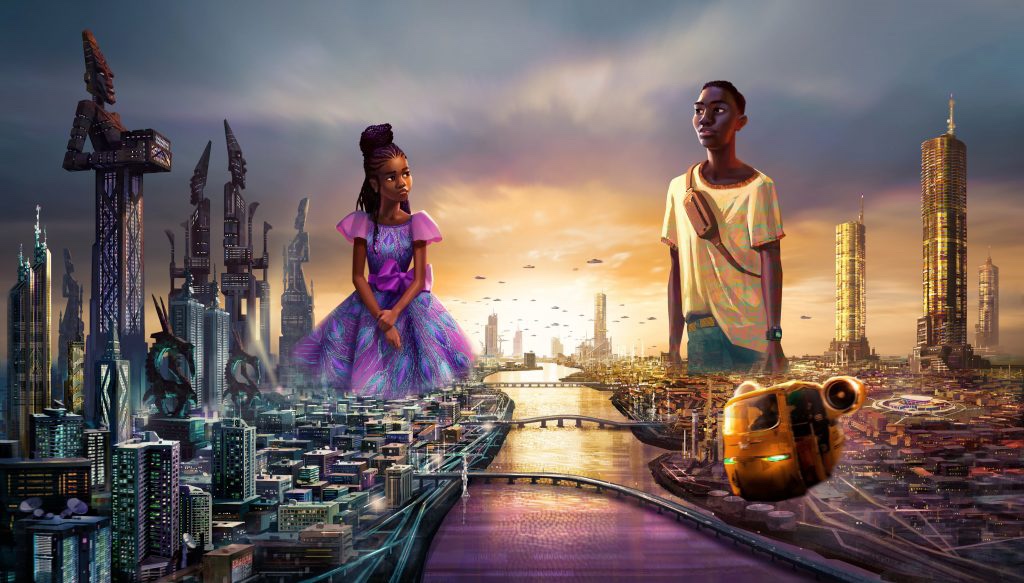
“This show will combine Disney’s magic and animation expertise with Kugali’s fire and storytelling authenticity. Iwájú represents a personal childhood dream of mine to tell my story and that of my people.”
Dropping a shoutout to all my followers, old and new. Thanks for reading!
I’m preparing this week’s installment of Bringer of Light (Chapter 3, Part 2), all the while scouring the web for science and tech news to share.
Anything you want to see shared (or want to share)? Comments on the story so far? Something you want to rant about? (No politics please! Waaay too much of that at home right now. I’d rather keep my head in the stars when possible…)
Bringer of Light: Chapter 3, Part 2 – dropping at 7 p.m. EDT October 31st. No Halloween theme, sorry (that’s a separate post 🎃).