Congratulations on surviving one more turn around the Sun…see you all in 2024!


December 28, 2023
Congratulations on surviving one more turn around the Sun…see you all in 2024!
November 24, 2023
[Context: my mother had just passed away, and I was remembering that both my parents’ choice in reading materials influenced my own fictional likes and dislikes.]
I guess both Mom and Dad liked Trek from its inception [in 1966]. I remembering watching the original series (in syndicated reruns of course) in the late ’70s/ We saw it in the “TV room” in my grandparents’ house….They had a color Zenith; we only had a tiny black and white on a bookcase. I remember being fascinated by the bright reds and blues (this was the point…color TV was new in the late ’60s and the sets and costumes deliberately used bright primary colors)…
Mom had all three “Star Trek Readers” I through III, by James Blish….Later I would borrow more complicated science fiction / fantasy stories from my Dad — Frank Herbert’s Dune and Robert A. Heinlein’s Stranger in a Strange Land stood out. And of course, Ray Bradbury’s Martian Chronicles, which were televised when we lived in Berne [a small village in New York west of Albany]. Once I discovered [The Chronicles of] Narnia and The Hobbit in 3rd grade, it was all over. I was a nerd for life.
And now look at the influence on pop culture. Movies, books, music, clothes, shoes, bags…the Internet and modern media. Smartphones. Tablets. Skype. Wireless devices. Bluetooth. GPS.
Nerd-dom has conquered the world. And my mom got there first. Way to go, Mom.
November 19, 2023
Dear readers,
Sorry to have been absent for a couple of weeks.
Things just got busy at work and at home. And influenza really is strong this year, as predicted (I found out long ago that teenagers – especially guys – completely ignore suggestions regarding ways of avoiding illness due to an unwavering belief in their invulnerability).
I’ll try to make it up to you over the next couple of days.
In the meantime, here’s an Apple IIe showing the matrix (“all I see is blond…brunette…”).

September 23, 2023
Both Russian and Ukrainian forces are integrating traditional weapons with AI, satellite imaging and communications, as well as smart and loitering munitions, according to a May report from the Special Competitive Studies Project, a non-partisan U.S. panel of experts. The battlefield is now a patchwork of deep trenches and bunkers where troops have been “forced to go underground or huddle in cellars to survive,” the report said.
https://www.reuters.com/technology/human-machine-teams-driven-by-ai-are-about-reshape-warfare-2023-09-08/
I found it interesting that many people online were commenting about Iain M Bank’s take on AI (for an in-depth analysis of his Culture series check this out on Blood Knife) and how he “predicted” all this.
Uh. You know, I’m not sure whether Banks wrote much about integrating traditional weapons with AI (since I haven’t read his series). But I do know that PK Dick wrote a short story called “Second Variety” about trench warfare and AI robots making more versions of themselves and taking over the world.
He wrote it in 1953.
(You can read it at Project Gutenberg.)
That is waaay before the Culture series.
Sigh. Read the classics, guys.
September 13, 2023
Sometimes I wish I could put my thoughts directly onto paper. I think all the time, about everything…I see pictures in my head, pictures of my past — exact details of what I saw and experienced. Déjà-vu often occurs to me. It’s strange, that feeling of already having been someplace. Sometimes I can tell what’s going to happen in a matter of minutes. I can’t stand things like that — they send chills up my spine.

September 10, 2023

Way back in 2015, my good friend Rami Z Cohen came to me with an idea for a story. He had written two or three scenes about a group of asteroid hunters who stumbled upon something bizarre. The idea of mining asteroids was news at the time (and still is, although probably too expensive right now and not a worthwhile investment until we actually get some people in space who need metals without relying on NASA/ESA/JAXA/ISRO/etc).
I was more interested in philosophical aspects of finding that we are all (as the late great Carl Sagan loved to put it) “star stuff” (he meant carbon being created by supernovas, but we also know that asteroids are the way we got amino acids to rain down on ancient Earth).
So Rami and I began to email ideas back and forth for a few weeks, then we started to flesh out his characters and plot. I wrote a synopsis and outline and we hashed out the background.
Continue Reading
June 21, 2023


July is your best chance to find my entire ebook collection for a promotional price at @Smashwords as part of their Annual Summer/Winter Sale! Bookmark https://www.smashwords.com/shelves/promos and stop by from July 1 through 31st! #SWSale2023 #Smashwords
(See my Smashwords profile here: https://www.smashwords.com/profile/view/mapple)
June 20, 2023
I’m sorry that I haven’t been posting much lately. Work has just become completely overwhelming, and the rainy season (here in Japan) hasn’t helped.
But I do read your comments and I appreciate them, and all your “likes,” too!
Just realized it’s been MONTHS since I posted the next installment of Bringer of Light.
Yikes.
Time to wrap up the first book and get to the climax already!
May 3, 2023
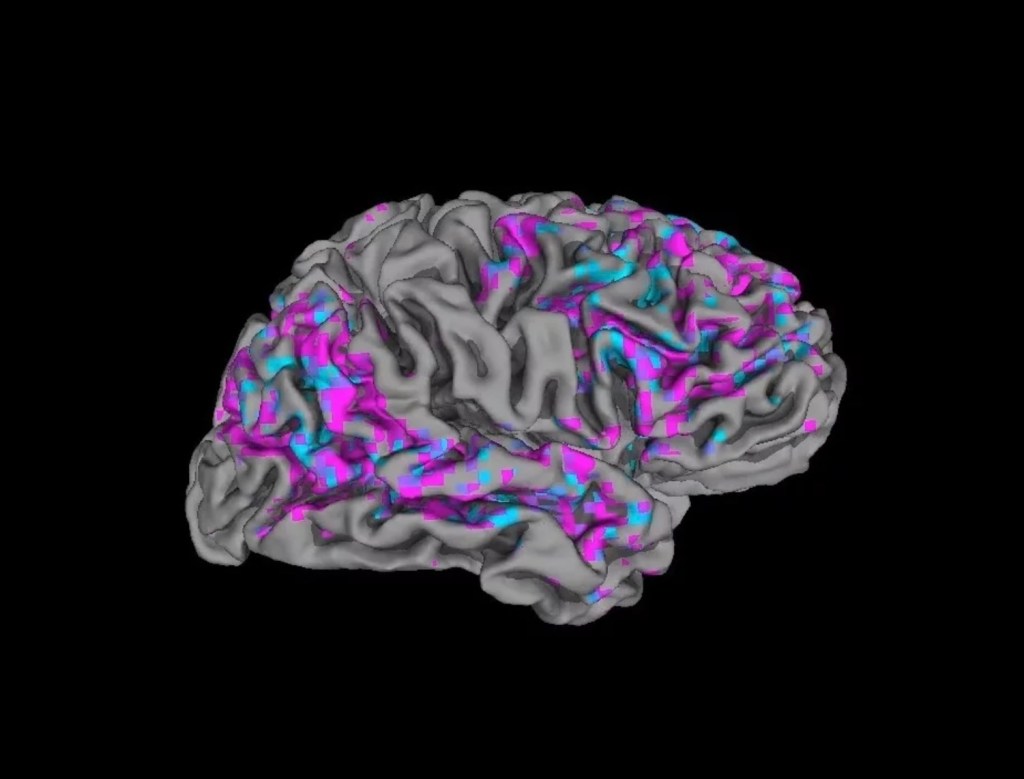
Scientists have found a way to decode a stream of words in the brain using MRI scans and artificial intelligence.
https://www.npr.org/sections/health-shots/2023/05/01/1173045261/a-decoder-that-uses-brain-scans-to-know-what-you-mean-mostly
While not perfect, this is some seriously scary stuff.
FWIW the researchers themselves did recognize this…
Although it’s nowhere near being able to decode spontaneous thoughts in the real world, the advance raises concerns that, with improvement, the technology might mimic some type of mind reading. “Our thought when we actually had this working was, ‘Oh my God, this is kind of terrifying,’” Huth recalls.
https://www.science.org/content/article/scientists-use-ai-decipher-words-and-sentences-brain-scans
Participants have to consent to being “read,” and there are ways to prevent the software from figuring out even the “gist” of what they were thinking.
Still, imagine if some nefarious criminal group (or governmental agency, if there is a difference) decided to force someone to consent to have their thoughts read.
Long distance.
Permanently.
It’s getting harder and harder to distinguish scifi from reality.
January 30, 2023
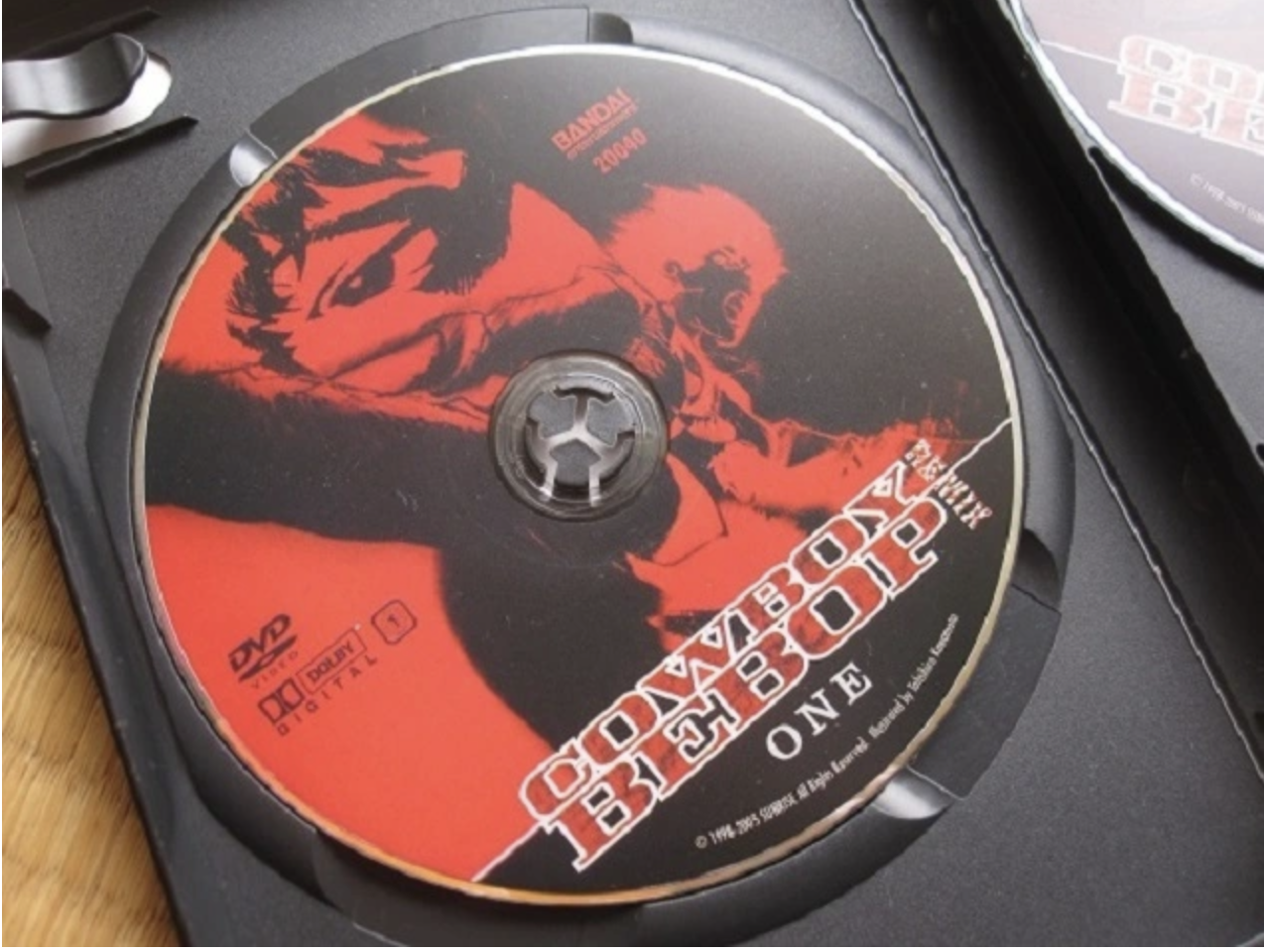
It started with a scene in a casino, which made it very tough for me to continue. I stopped there and so only saw that opening scene.
https://soranews24.com/2023/01/28/cowboy-bebop-anime-creator-was-disappointed-with-the-netflix-version-from-the-first-scene-he-saw/
Well, I managed to watch the first two episodes, but I really couldn’t continue after that.
Watanabe is right. Netflix screwed up by doing what all US-based companies do when they try to make scifi: they focus on the violence and forget about the ambiance.
But as he says at the end of the interview, “The value of the original anime is somehow far higher now.”
(Read the original interview in its entirety here, if you can stomach the political pop-ups.)
Writing Fanfiction in the worlds of Tolkien and Beyond!
Learning more about our place in the universe...
Best Tech Gadgets Advise
Writing blogs is miracle I am a writer blogger and my site mission is to give information on maximum information to audiences
Reflections of an inquiring retiree ...
Simple ideas to make every room feel stylish and welcoming
Rock & Metal Reviews That Hit Hard
Short stories | Reflections | Poetry

