
“A Critical Investigation into Precognitive Dreams: Dreamscaping without My Timekeeper,” by Paul Kiritsis, is a non-fiction exploration of …
“A Critical Investigation into Precognitive Dreams” by Paul Kiritsis
Speaking of “pre-cogs…”

September 26, 2020
“A Critical Investigation into Precognitive Dreams: Dreamscaping without My Timekeeper,” by Paul Kiritsis, is a non-fiction exploration of …
“A Critical Investigation into Precognitive Dreams” by Paul Kiritsis
Speaking of “pre-cogs…”
September 26, 2020

“But decoding and storing memories raise a new set of ethical, moral and legal questions. For instance, who would own these memories after a person has died? Could the police obtain warrants to search through memories? Given that memory itself isn’t completely reliable, could memories be used in lawsuits? How could we ensure that unscrupulous professionals don’t sell or share them?”
Hm, I think I can see another direction this might eventually take…

September 1, 2020

I get the attraction of people like Steve Jobs and Elon Musk. They have big ideas. They’re enthusiastic, ecstatic, even. They’re great at simplifying difficult concepts and promoting tech to the lay person.
But they’re not creators. They’re “visionaries.”
I.e., salespersons.
Is that a bad thing? Of course not. I was in computer sales once. It was hard. Only the charismatic are good at it. But I didn’t have the knowledge and ability to make the products I was selling, let alone the power to innovate.
Sticking a chip in a person’s brain and sending thousands to the Moon or Mars sound cool. Possible, even.
But science isn’t sales. Someone might die.
Small difference.
We need visionaries, but scientists are more important. Maybe if they talked to each other…
August 29, 2020
twitter.com/theplanetaryguy/status/1298728036305719298
Well, now you know. 🤖
August 11, 2020

Astronauts on a trip to Mars would be exposed to very high levels of radiation which can cause serious long-term health problems such as cancer and sterility. Radiation shielding can help, but it is extremely heavy, and the longer the mission, the more shielding is needed. A better way to reduce radiation exposure is to simply get where you are going quicker.
Hmm. So putting them in a ship with a giant nuclear fission reactor is safer?
I think somebody may want to come up with a backup plan…

https://www.space.com/nuclear-powered-rockets-to-explore-solar-system.html
August 9, 2020
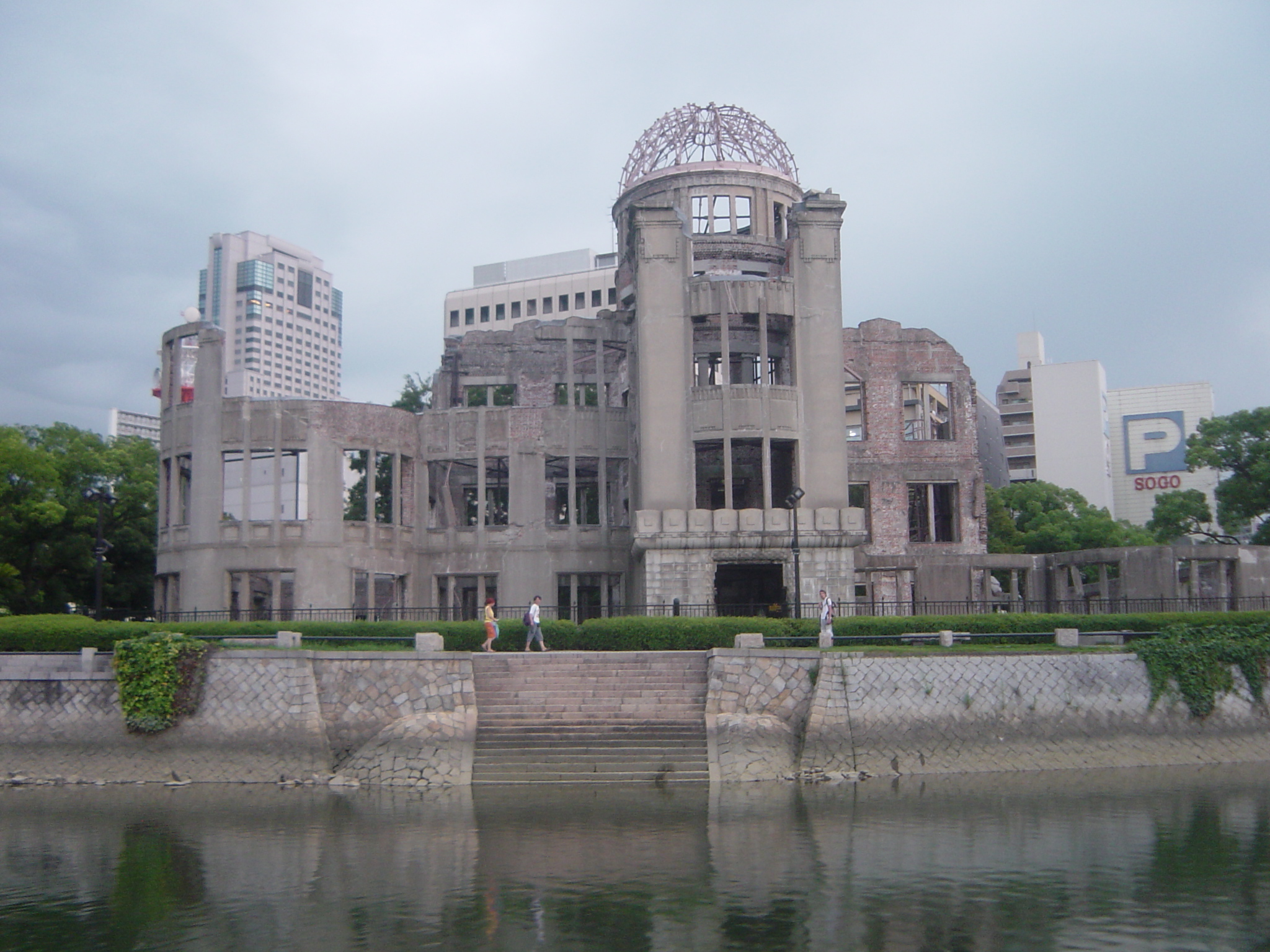
14 years ago, my wife and I went to Hiroshima by high-speed ferry boat, on our way back from visiting her parents in Kyushu. Her father’s family comes from Hiroshima (although her father was actually born in Dairen/Dalian (大連), China) and her uncle and his family still live about an hour’s drive north of the city.
It was my first time to visit the Hiroshima Peace Memorial Museum. We arrived about a week after the annual Peace Memorial Ceremony and Peace Message Lantern Floating Ceremony, but the museum was a very sharp reminder of the horror that my country visited upon Japan.
August 6th, 8:15 a.m. Hiroshima.
August 9th, 11:02 a.m. Nagasaki. Continue Reading
August 4, 2020
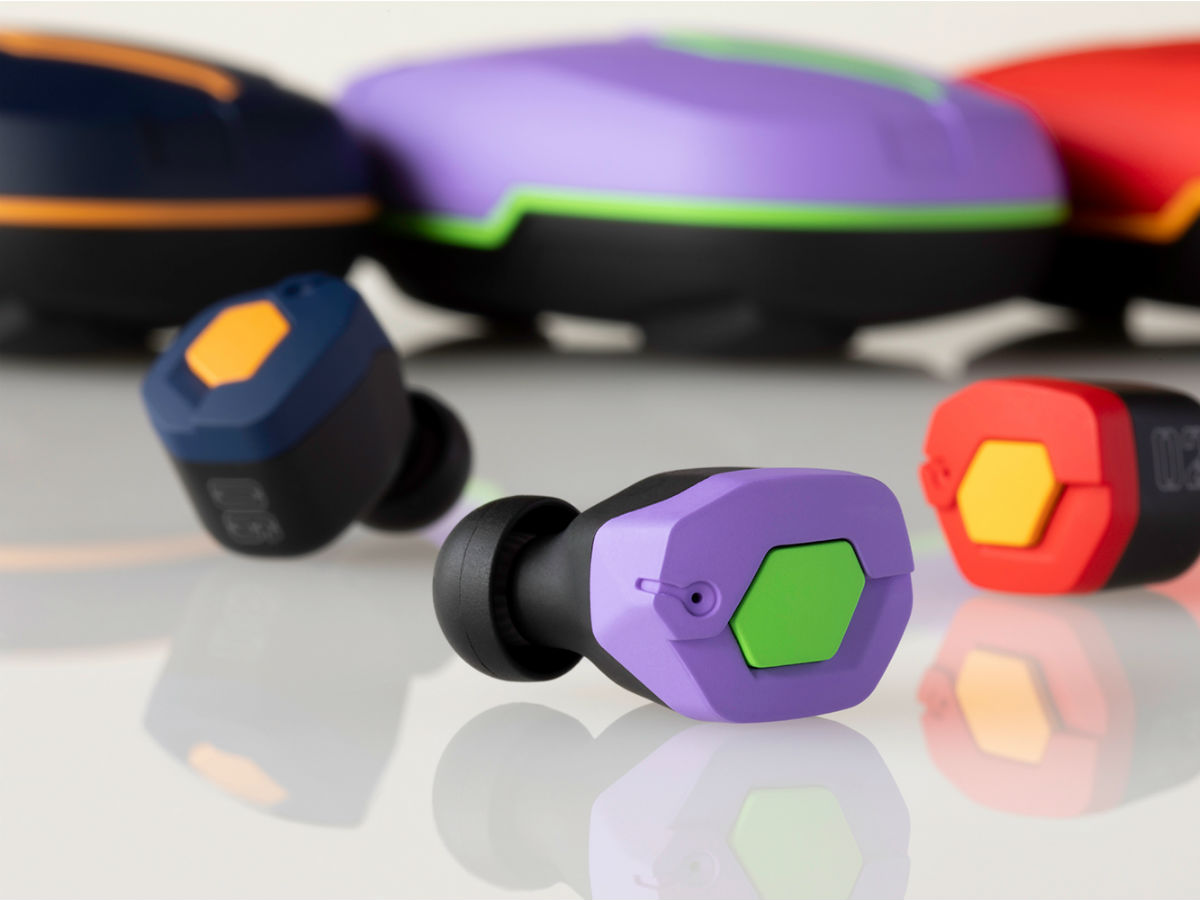
Of course, they’re already sold out…

Hear the Cruel Angel’s Thesis with new wireless Evangelion earbuds
August 2, 2020

The Airbus spacecraft will have to manoeuvre itself into a position to capture these samples that will be packaged inside a football-sized container.
After ingesting this container, the satellite must then prepare it for return to Earth.
This means not only shipping it across hundred of millions of km of space, but also putting the football inside a re-entry capsule that can be dropped into Earth’s atmosphere to land in an American desert.
This would be, indeed, a feat of engineering as well as a first in interplanetary exploration.
But I wouldn’t go so far as to call it an “interplanetary cargo ship.” Unless the intention is to maintain it as a permanent link between research locations (i.e., some kind of permanent orbitor stationed above the Jezero Crater) and research facilities on Earth (or the Moon, or the International Space Station).
Political will is needed in addition to the enormous funding. Semi-privatization, anyone?
https://www.bbc.com/news/science-environment-53575353
July 16, 2020
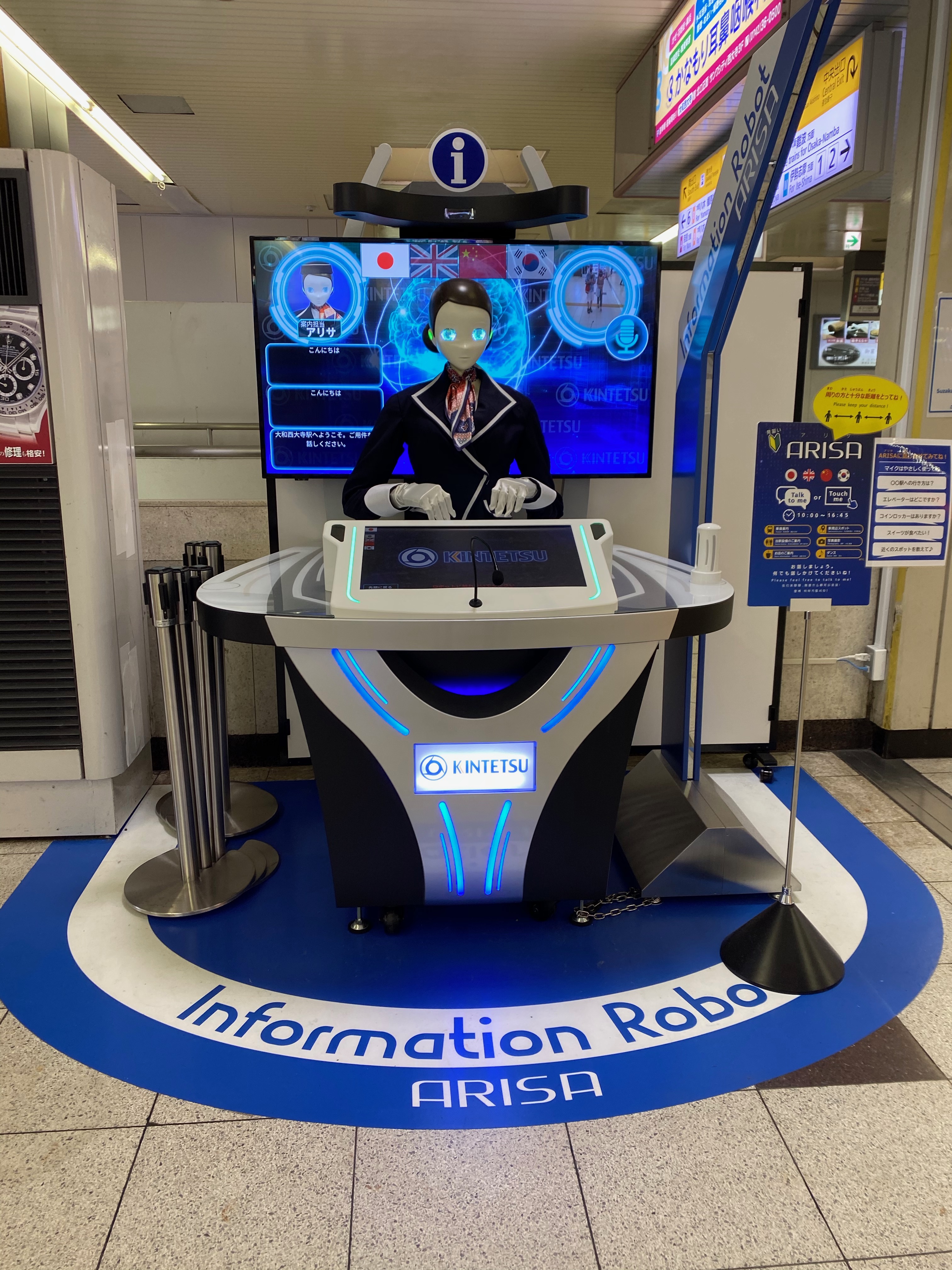
This is Arisa, the “Information Robot.” It was recently installed at Yamato-Saidaiji, a Kintetsu Railway station in Nara City that I travel through to go to work.
Actually, today I went through the station on my way to renew my driver’s license. Interacting with the robot was much easier.
She (oops, I mean “it”?) can speak four languages (Japanese, English, Mandarin, and Korean) at the touch of a panel. But the functionality is still only limited to basic phrases about where to change trains and which platform to use. Still, it’s a first step (toward replacing human-controlled info booths, so get started learning programming, kiddos!).
July 11, 2020
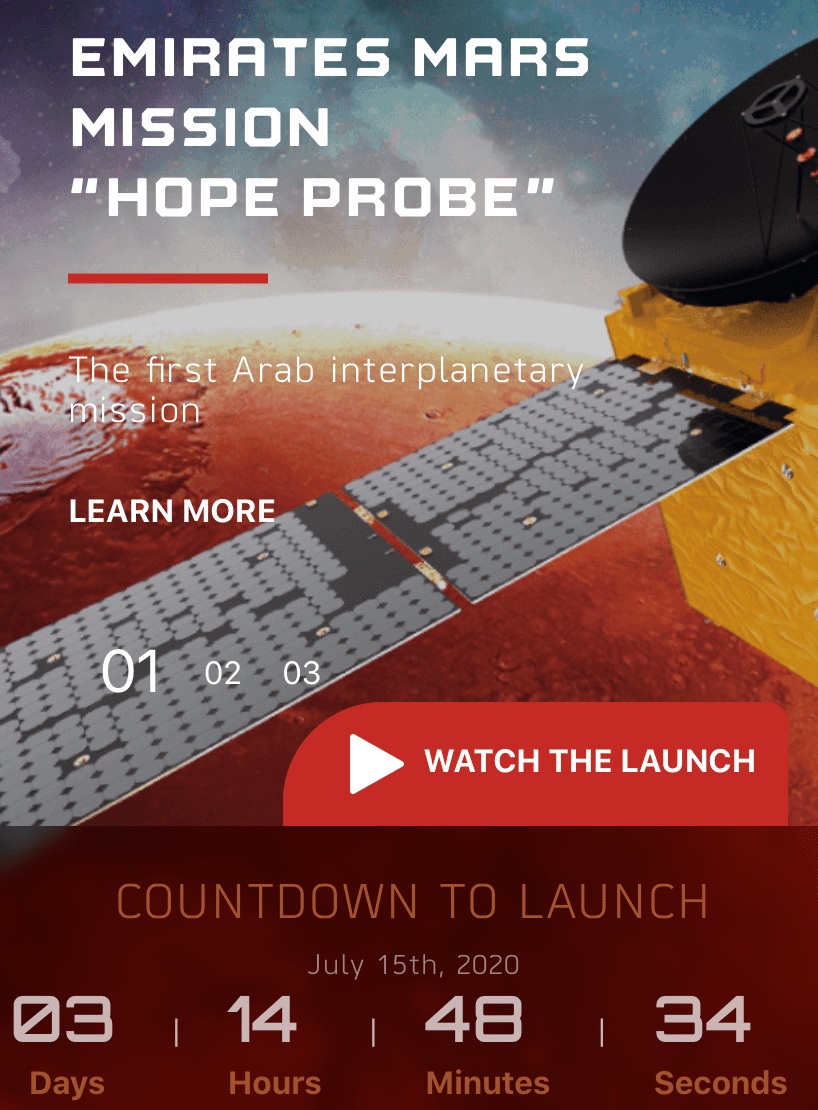
The future of Mars (and beyond) is multicultural, multiethnic, and multilingual.
Also, this is a pretty cool website design.
Writing Fanfiction in the worlds of Tolkien and Beyond!
Learning more about our place in the universe...
Best Tech Gadgets Advise
Marvel Comics Reviews, Previews and News
Writing blogs is miracle I am a writer blogger and my site mission is to give information on maximum information to audiences
Reflections of an inquiring retiree ...
Bring the Outdoors In, and the Indoors Out
Rock & Metal Reviews That Hit Hard
Short stories | Reflections | Poetry
Read. Reflect. Grow
 M Thomas Apple Author Page