twitter.com/theplanetaryguy/status/1298728036305719298
Well, now you know. 🤖

August 29, 2020
twitter.com/theplanetaryguy/status/1298728036305719298
Well, now you know. 🤖
August 11, 2020
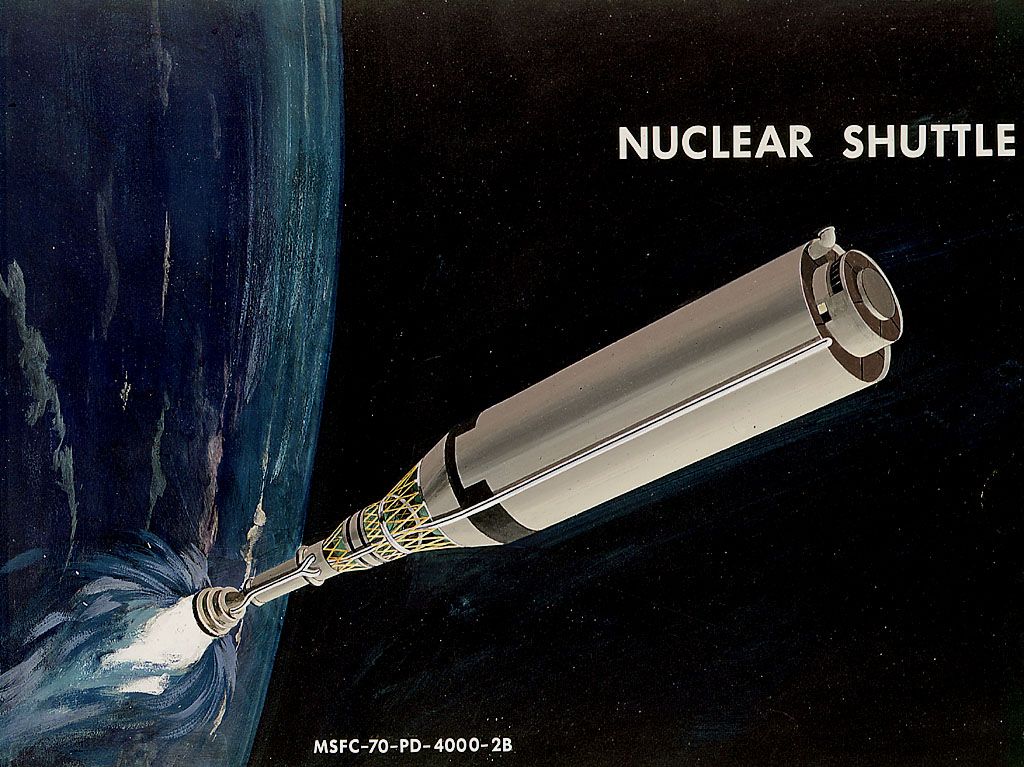
Astronauts on a trip to Mars would be exposed to very high levels of radiation which can cause serious long-term health problems such as cancer and sterility. Radiation shielding can help, but it is extremely heavy, and the longer the mission, the more shielding is needed. A better way to reduce radiation exposure is to simply get where you are going quicker.
Hmm. So putting them in a ship with a giant nuclear fission reactor is safer?
I think somebody may want to come up with a backup plan…

https://www.space.com/nuclear-powered-rockets-to-explore-solar-system.html
August 2, 2020
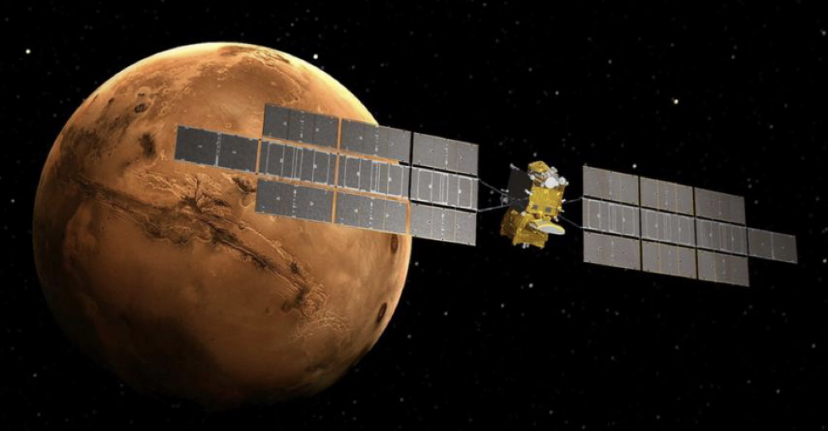
The Airbus spacecraft will have to manoeuvre itself into a position to capture these samples that will be packaged inside a football-sized container.
After ingesting this container, the satellite must then prepare it for return to Earth.
This means not only shipping it across hundred of millions of km of space, but also putting the football inside a re-entry capsule that can be dropped into Earth’s atmosphere to land in an American desert.
This would be, indeed, a feat of engineering as well as a first in interplanetary exploration.
But I wouldn’t go so far as to call it an “interplanetary cargo ship.” Unless the intention is to maintain it as a permanent link between research locations (i.e., some kind of permanent orbitor stationed above the Jezero Crater) and research facilities on Earth (or the Moon, or the International Space Station).
Political will is needed in addition to the enormous funding. Semi-privatization, anyone?
https://www.bbc.com/news/science-environment-53575353
July 11, 2020
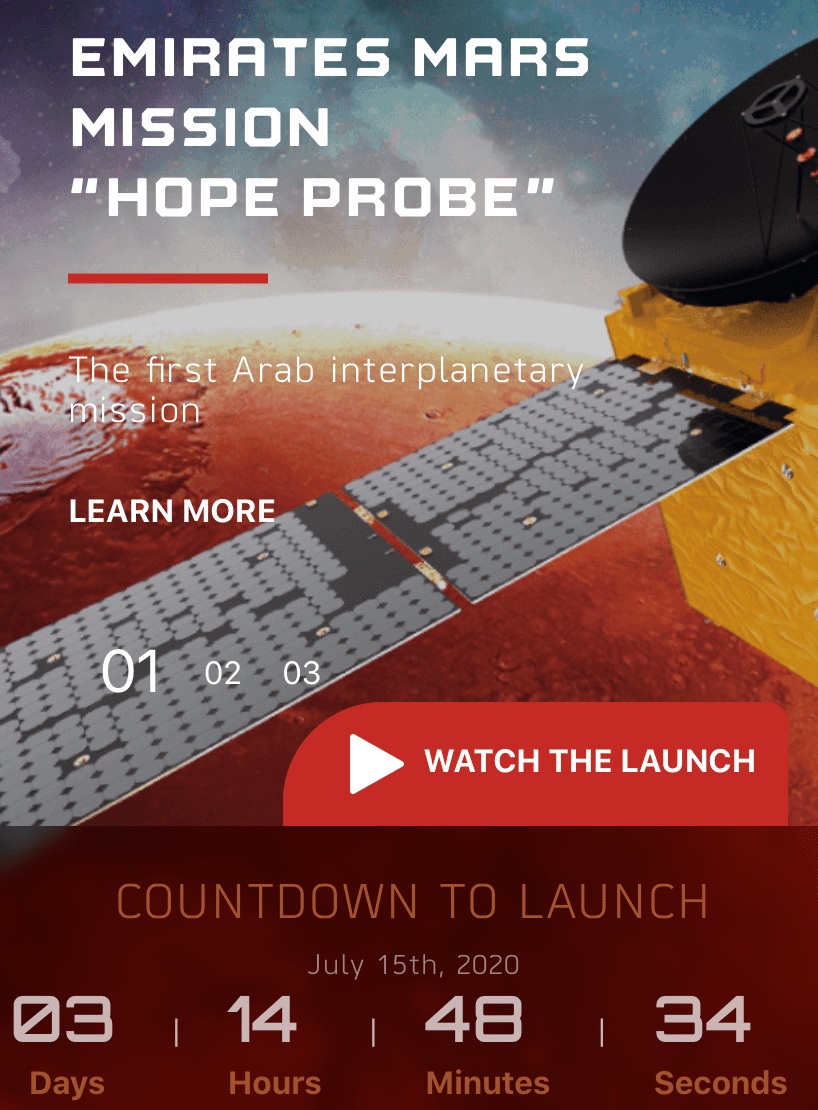
The future of Mars (and beyond) is multicultural, multiethnic, and multilingual.
Also, this is a pretty cool website design.
June 30, 2020
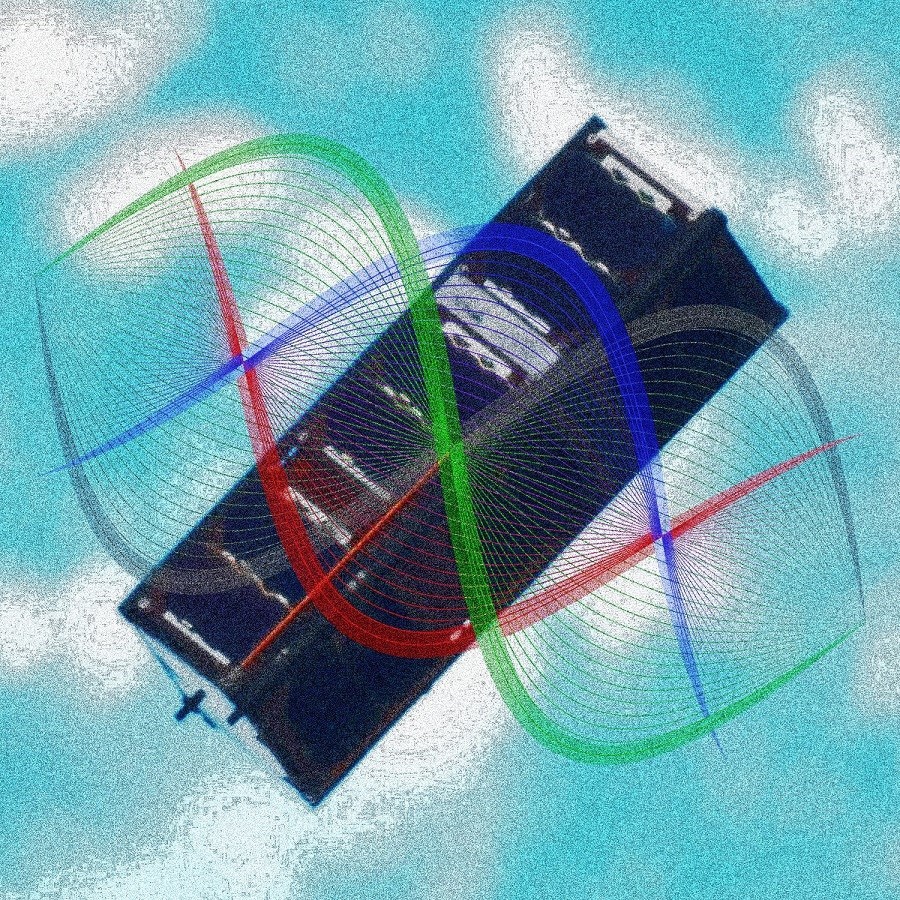
“In the future, our system could be part of a global quantum network transmitting quantum signals to receivers on Earth or on other spacecraft,” says Aitor Villar, lead author of the study. “These signals could be used to implement any type of quantum communications application, from quantum key distribution for extremely secure data transmission to quantum teleportation, where information is transferred by replicating the state of a quantum system from a distance.”
OK, OK, so it’s not the first time quantum entanglement has been demonstrated. But it sure is the smallest. Only 20 cm by 10 cm!
Now we only need a few thousand of these things and a way of somehow making tangled photons actually carry encrypted messages…
(Sorry, thinking of the SF novel I should have published by now…still figuring out the last two chapters!)
See more at New Atlas (note: I seriously doubt the CubeSat actually looks like that picture when it’s doing its thing).
June 19, 2020
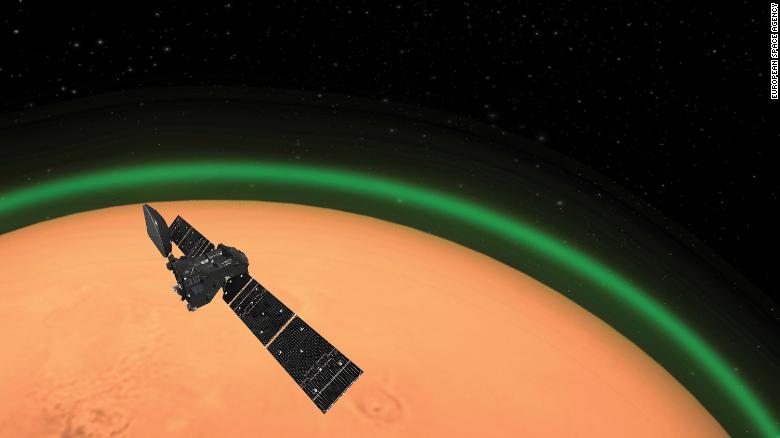
By studying Mars’ green glow, the researchers can understand the structure of this layer in the planet’s atmosphere, better understand its altitude range and even observe any changes in reaction to the sun.
First time to see a “green glow” around another planet. In the case of Earth, it’s mostly caused by oxygen, but Mars’ glow is primarily CO2.
So there really ARE “Green Martians.” Just don’t turn and run!
https://edition.cnn.com/2020/06/16/world/mars-green-glow-esa-scn-trnd/index.html
June 17, 2020

The researchers looked at Phobos, which loses height as it interacts with Martian gravity over time. Eventually, its orbit will be too low and Mars will essentially rip it into pieces that form a ring around the planet. It’s estimated that this will happen within 50 million years.
So say goodbye to fear, but dread may stick around a while longer…
https://amp.cnn.com/cnn/2020/06/03/world/mars-rings-moons-scn/index.html
March 8, 2020

“So, let’s bring the samples back. So if those extraordinary claims are made, they can be verified.”
One likely extraterrestrial form of life might resemble a terrestrial form: the stromatolite.
They basically look like big rocks. I visited one site in Western Australia in 2003 with a group of Japanese students who were told by a local guide that the stromatolites were “3.5 billion years old.” (They’re not, but they do look like what life might have looked like at that point.”
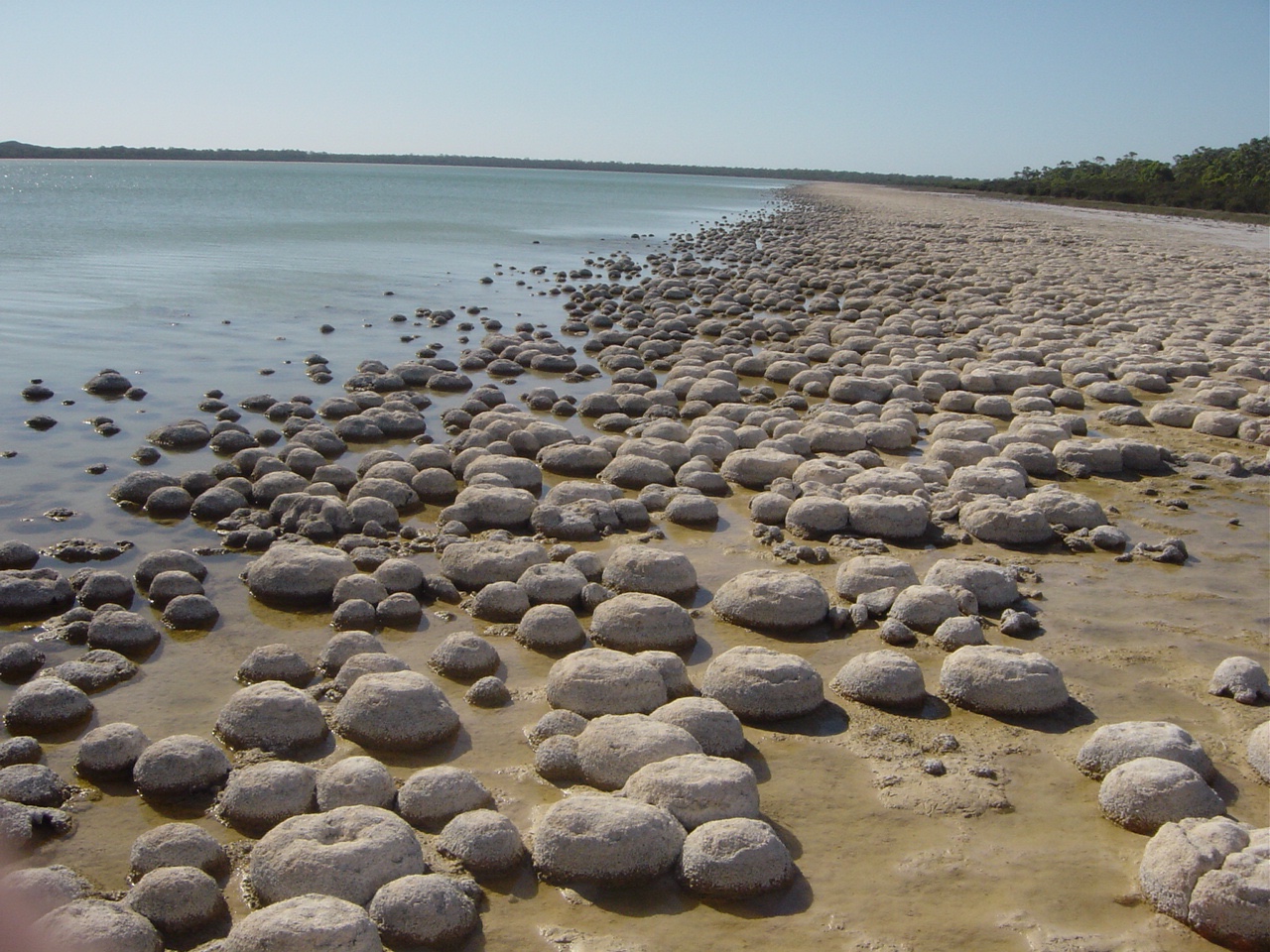
So NASA is sending another rover to see if they can find evidence of a similar life form.
Sorry. No Slurm (yet?).

— Read on www.bbc.co.uk/news/amp/science-environment-51544476
March 1, 2020

Stuck at home all week (or month?) dealing with world-wide panic from a cold virus?
Stock up on discounted and/or free ebooks at Smashwords!
Why not start with Adams’ Stepsons – for FREE??
Destiny in the Future is also HALF OFF until March 7th (all proceeds donated to the American Cancer Society)
February 15, 2020

When I was a kid, I devoured books by Jules Verne, in the Classics Illustrated series vocabulary- and grammar-controlled for younger readers.
20,000 Leagues Under the Sea
Voyage to the Center of the Earth
From the Earth to the Moon
Around the World in Eighty Days
Until I was in college, I didn’t even know that he wrote them in French.
Until a few days ago, I didn’t know they were part of a 54-volume set, complete with 4,000 hand-drawn illustrations that are now available online for free.
How’s that for enduring literary influence?
Check out the link below for more details…
http://www.openculture.com/2020/02/jules-vernes-voyages-extraordinaires.html
Writing Fanfiction in the worlds of Tolkien and Beyond!
Learning more about our place in the universe...
Best Tech Gadgets Advise
Marvel Comics Reviews, Previews and News
Writing blogs is miracle I am a writer blogger and my site mission is to give information on maximum information to audiences
Reflections of an inquiring retiree ...
Bring the Outdoors In, and the Indoors Out
Rock & Metal Reviews That Hit Hard
Short stories | Reflections | Poetry
Read. Reflect. Grow
 M Thomas Apple Author Page