“But decoding and storing memories raise a new set of ethical, moral and legal questions. For instance, who would own these memories after a person has died? Could the police obtain warrants to search through memories? Given that memory itself isn’t completely reliable, could memories be used in lawsuits? How could we ensure that unscrupulous professionals don’t sell or share them?”
Hm, I think I can see another direction this might eventually take…
“So, let’s bring the samples back. So if those extraordinary claims are made, they can be verified.”
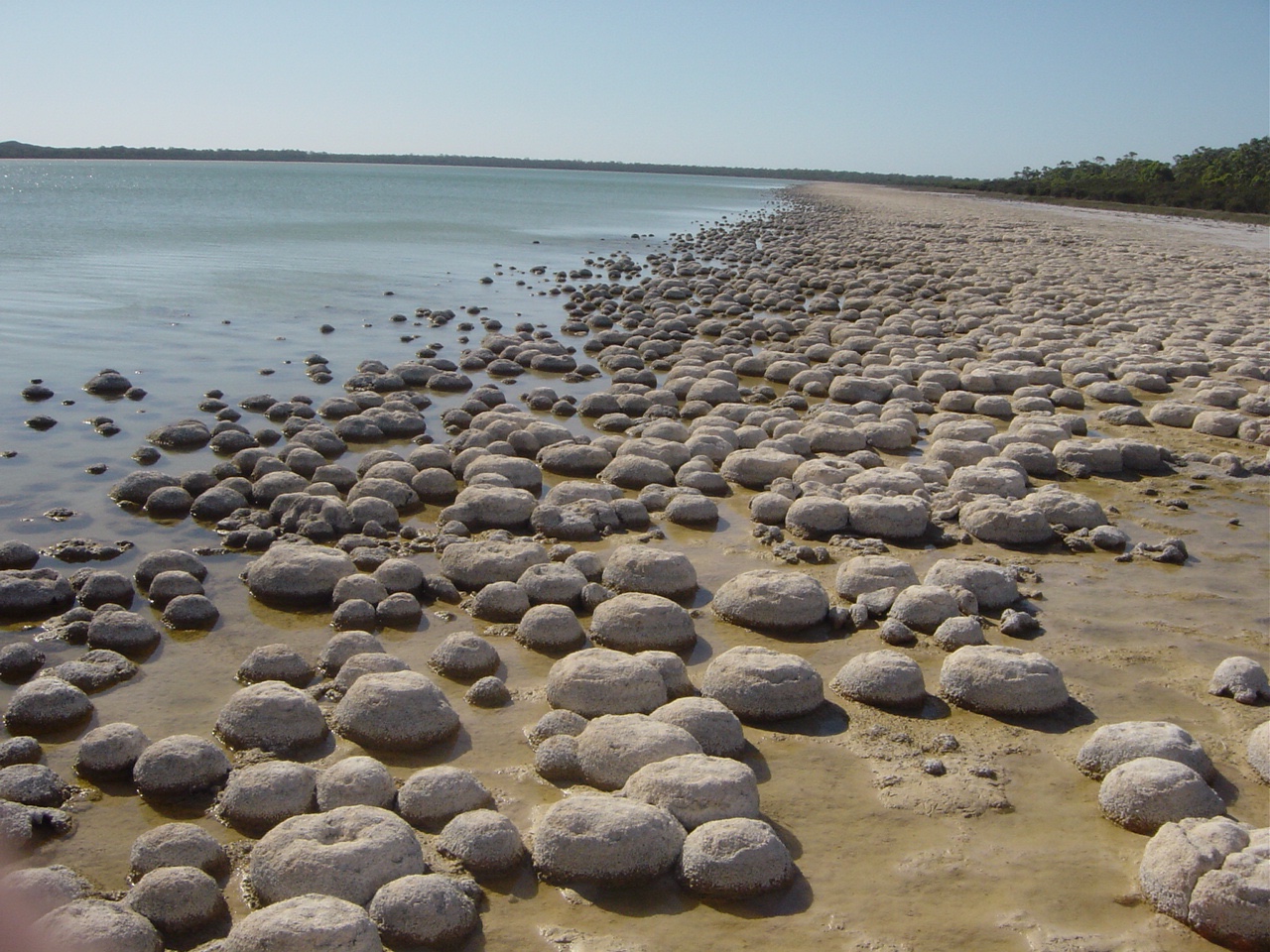
One likely extraterrestrial form of life might resemble a terrestrial form: the stromatolite.
They basically look like big rocks. I visited one site in Western Australia in 2003 with a group of Japanese students who were told by a local guide that the stromatolites were “3.5 billion years old.” (They’re not, but they do look like what life might have looked like at that point.”
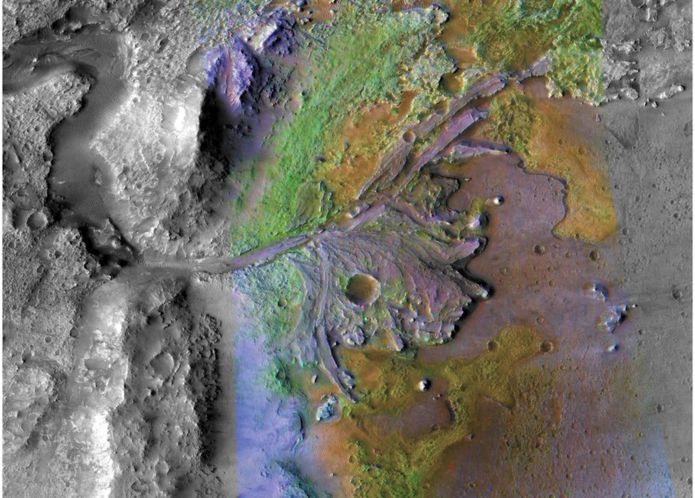
So NASA is sending another rover to see if they can find evidence of a similar life form.
When I was a kid, I devoured books by Jules Verne, in the Classics Illustrated series vocabulary- and grammar-controlled for younger readers.
20,000 Leagues Under the Sea
Voyage to the Center of the Earth
From the Earth to the Moon
Around the World in Eighty Days
Until I was in college, I didn’t even know that he wrote them in French.
Until a few days ago, I didn’t know they were part of a 54-volume set, complete with 4,000 hand-drawn illustrations that are now available online for free.
Hi, everyone. I guess I should have planned a little better — should have written a “new year’s post” and then saved it before the holiday season began, scheduled the post, and then enjoyed overeating, overdrinking, and sleeping in.
Except of course that’s not what actually happened. Continue Reading
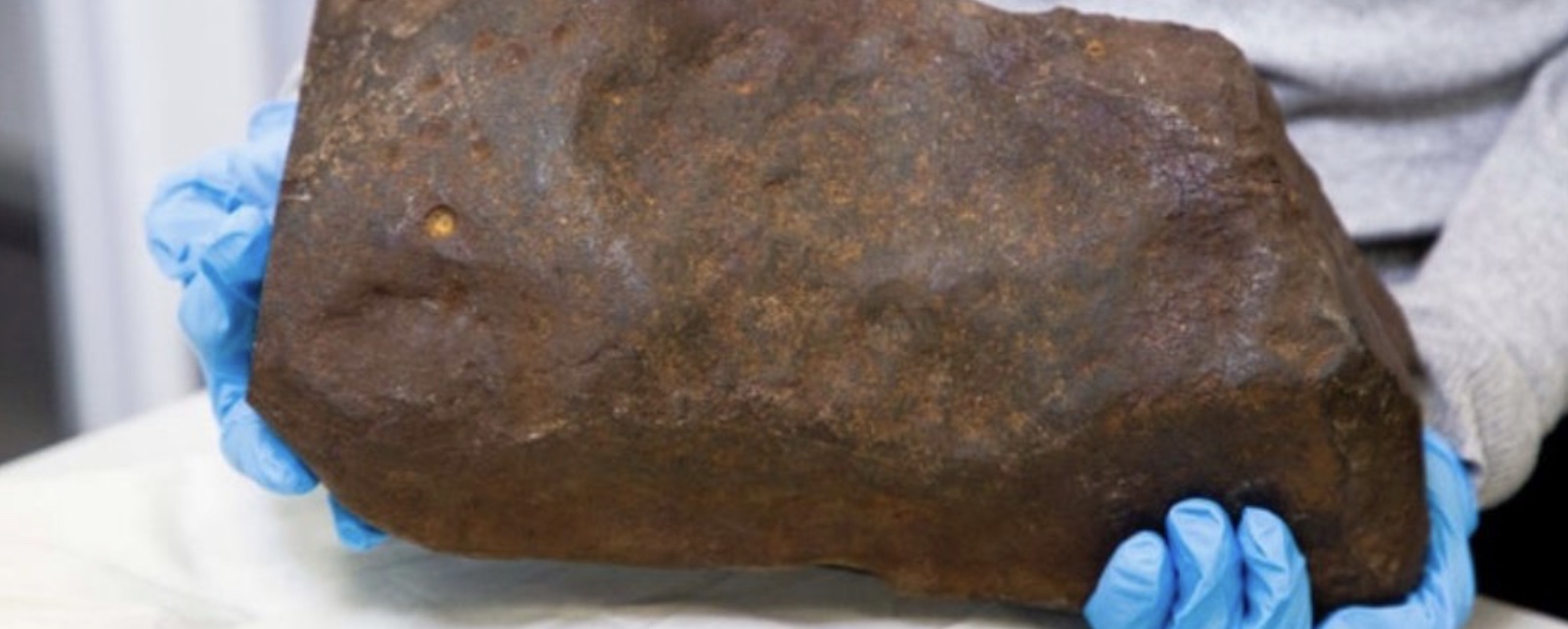
If you find a big rock in your backyard, and you can’tbreak it open with normal tools, guess what?
The researchers argue that the Maryborough meteorite is much rarer than gold. It’s one of only 17 meteorites ever recorded in the Australian state of Victoria, and it’s the second largest chondritic mass, after a huge 55-kilogram specimen identified in 2003.
This next bit is more interesting to me:
“Other rare meteorites contain organic molecules such as amino acids; the building blocks of life.”
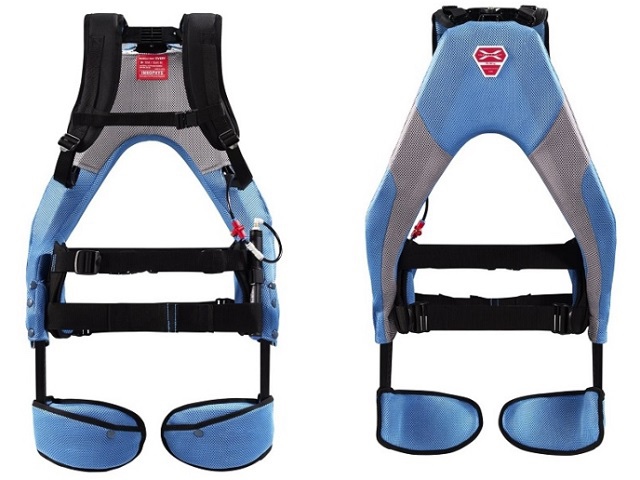
The “Every Muscle Suit” has a lot going for it. Weighing just 3.8 kilograms (2.2 pounds), the pneumatic artificial muscle suit is powerful enough to generate up to 25.5 kilogram-force andeffectively relieves pressureon users’ backs when performing activities like heavy lifting.
And no batteries. That’s right: it uses air pressure only. Sells for the low low price of ¥149,600 (US$1,380)!
Well, OK, it’s not cheap. But compared to the robots used in heavy industries, this one’s close to affordable. And you can even test-run at the Bic Camera store in Shinjuku, Tokyo.
No mention of mounted laser rifles yet, though. Sorry.
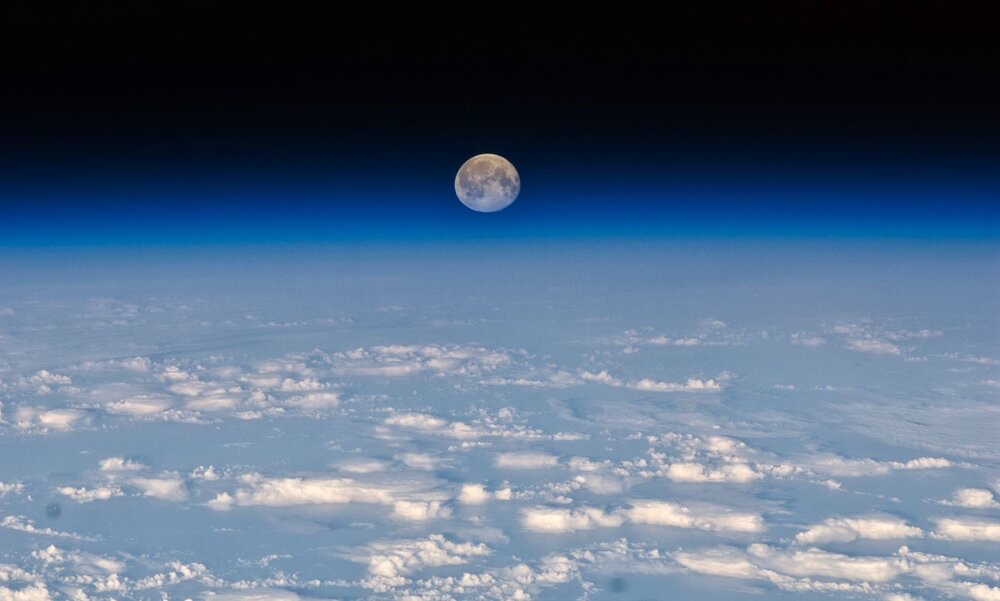
Future moon settlers might benefit from oxygen extraction from lunar regolith as it can be used to create breathable air as well as a source for fuel. In addition, the newly found extraction method might also be useful for Mars colonization.
Regolith covers the Moon and Mars (and presumably many other potentially habitable rocky bodies).
Of course, the composition of regolith on the Moon differs from that of Mars.
But if the new method can extract sufficient quantities of both oxygen and hydrogen, there should be ample amounts for both human usage and rocket fuel.
(Yawn.) “Dry” science? Sure. But think of the (fictional) possibilities!