Dropping a shoutout to all my followers, old and new. Thanks for reading!
I’m preparing this week’s installment of Bringer of Light (Chapter 3, Part 2), all the while scouring the web for science and tech news to share.
Anything you want to see shared (or want to share)? Comments on the story so far? Something you want to rant about? (No politics please! Waaay too much of that at home right now. I’d rather keep my head in the stars when possible…)
Bringer of Light: Chapter 3, Part 2 – dropping at 7 p.m. EDT October 31st. No Halloween theme, sorry (that’s a separate post 🎃).
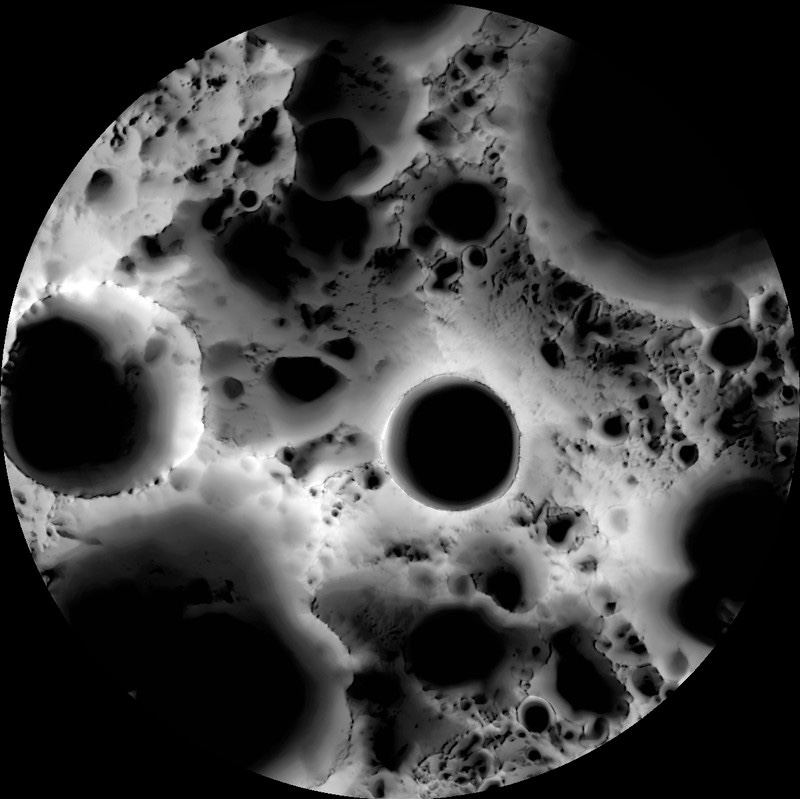
The new research is especially topical given that NASA plans to land humans on the Moon in the 2020s and use lunar resources as part of its Artemis program, prompting thorny discussions about legal and ethical extraction of materials on the Moon.
The volcano is about the size of Arizona with a volume100 times larger than that of Mauna Loa’s,Earth’s largest volcano, NASA says. “In fact, the entire chain of Hawaiian islands (from Kauai to Hawaii) would fit inside Olympus Mons!”
Brighter than Jupiter this October! And the closest Mars will be until 2035.
(The photo is from Forbes, but the information was better on The Telegraph.)
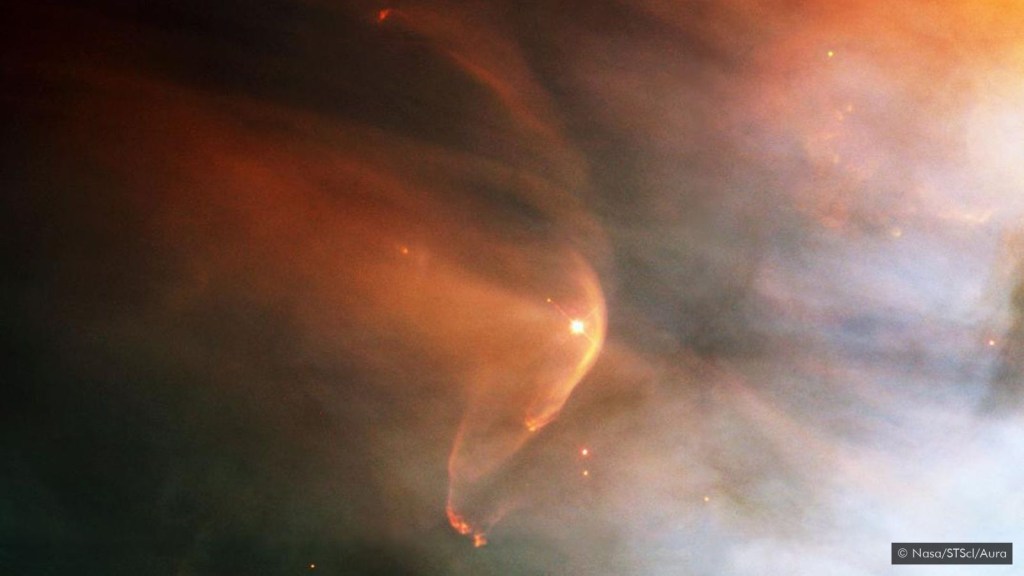
“When you look at different parts of the electromagnetic spectrum, that area of space is very different from the blackness we perceive with our eyes,” says Michele Bannister, an astronomer at the University of Canterbury in Christchurch, New Zealand, who studies the outer reaches of the Solar System. “Magnetic fields are fighting and pushing and tied up with each other. The image you should have is like the plunge pool under Niagara Falls.”
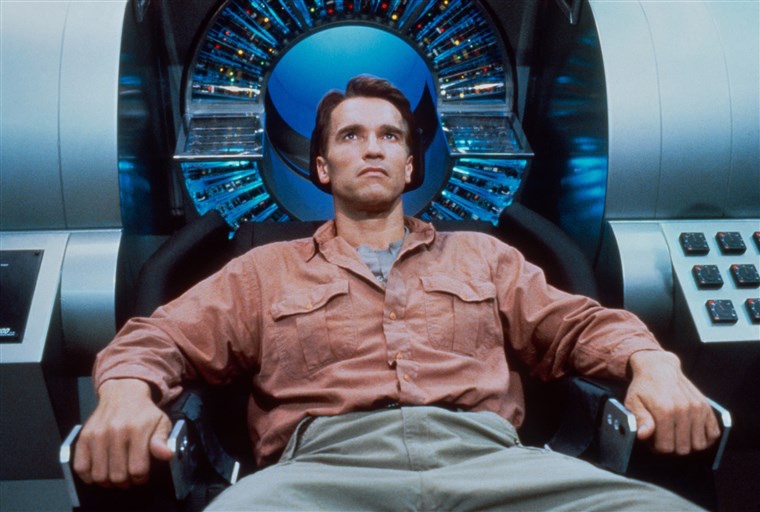
“But decoding and storing memories raise a new set of ethical, moral and legal questions. For instance, who would own these memories after a person has died? Could the police obtain warrants to search through memories? Given that memory itself isn’t completely reliable, could memories be used in lawsuits? How could we ensure that unscrupulous professionals don’t sell or share them?”
Hm, I think I can see another direction this might eventually take…
I get the attraction of people like Steve Jobs and Elon Musk. They have big ideas. They’re enthusiastic, ecstatic, even. They’re great at simplifying difficult concepts and promoting tech to the lay person.
But they’re not creators. They’re “visionaries.”
I.e., salespersons.
Is that a bad thing? Of course not. I was in computer sales once. It was hard. Only the charismatic are good at it. But I didn’t have the knowledge and ability to make the products I was selling, let alone the power to innovate.
Sticking a chip in a person’s brain and sending thousands to the Moon or Mars sound cool. Possible, even.
But science isn’t sales. Someone might die.
Small difference.
We need visionaries, but scientists are more important. Maybe if they talked to each other…
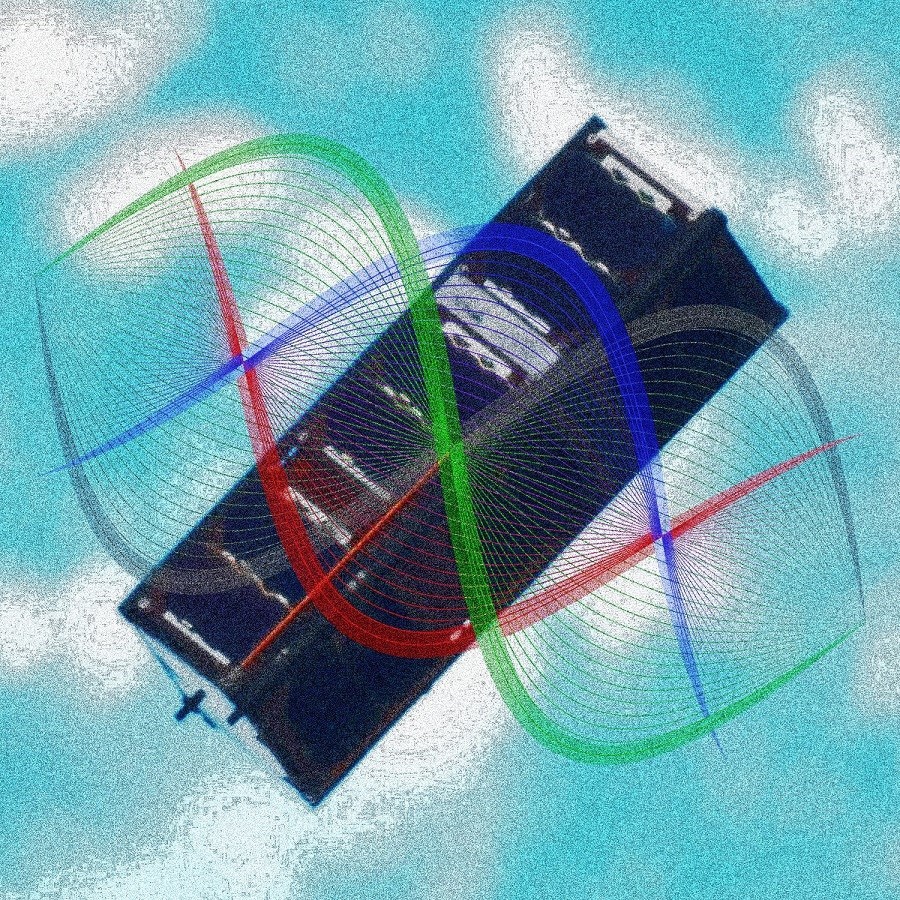
“In the future, our system could be part of a global quantum network transmitting quantum signals to receivers on Earth or on other spacecraft,” says Aitor Villar, lead author of the study. “These signals could be used to implement any type of quantum communications application, from quantum key distribution for extremely secure data transmission to quantum teleportation, where information is transferred by replicating the state of a quantum system from a distance.”
OK, OK, so it’s not the first time quantum entanglement has been demonstrated. But it sure is the smallest. Only 20 cm by 10 cm!
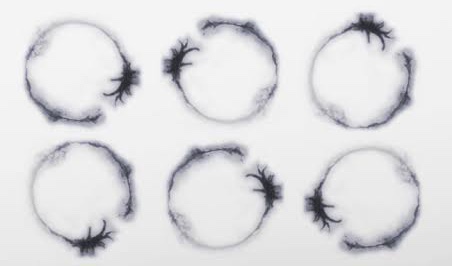
Now we only need a few thousand of these things and a way of somehow making tangled photons actually carry encrypted messages…
(Sorry, thinking of the SF novel I should have published by now…still figuring out the last two chapters!)
See more at New Atlas (note: I seriously doubt the CubeSat actually looks like that picture when it’s doing its thing).
The researchers looked at Phobos, which loses height as it interacts with Martian gravity over time. Eventually, its orbit will be too low and Mars will essentially rip it into pieces that form a ring around the planet. It’s estimated that this will happen within 50 million years.
So say goodbye to fear, but dread may stick around a while longer…




 M Thomas Apple Author Page