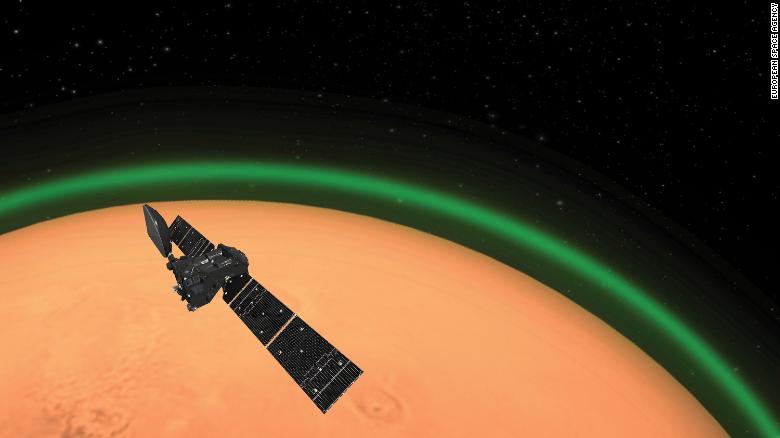
By studying Mars’ green glow, the researchers can understand the structure of this layer in the planet’s atmosphere, better understand its altitude range and even observe any changes in reaction to the sun.
First time to see a “green glow” around another planet. In the case of Earth, it’s mostly caused by oxygen, but Mars’ glow is primarily CO2.
So there really ARE “Green Martians.” Just don’t turn and run!
“Over sixteen million Americans served during World War II and this story offers in rich detail the story of two men in uniform and a woman they both cared about. A story of love and tragedy that is more representative of the experiences of many that served than the ones often told of generals and politicians. A story that needs to be told and remembered.”
— Dr. Rick Derrah, Professor of Social Studies, Kindai University, Osaka; former US Army E-4 Specialist
“Not only is this a touching and interesting family story, it is a great snap shot of the war and its effects, as well as Trojans and Troy history connection.”
— Don Rittner, historian, former Albany City Archaeologist and founder of the Pine Bush Historic Preservation Project
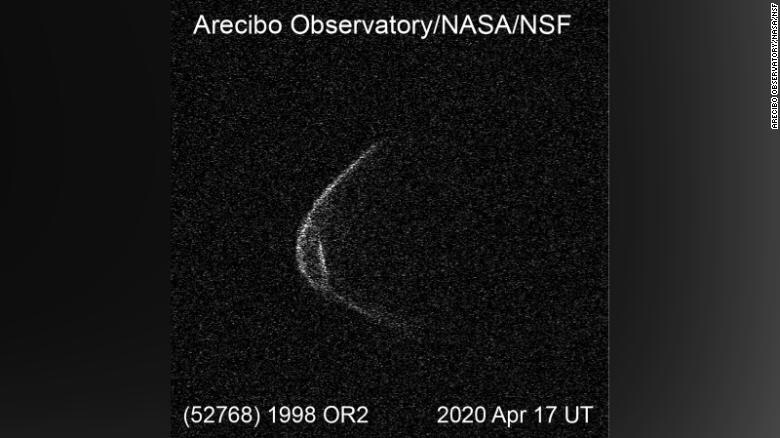
On April 29, an asteroid estimated to be 1.2 miles wide will fly by Earth, but it’s not on a destructive path. And new images of the asteroid make it appear as though it’s wearing a face mask.
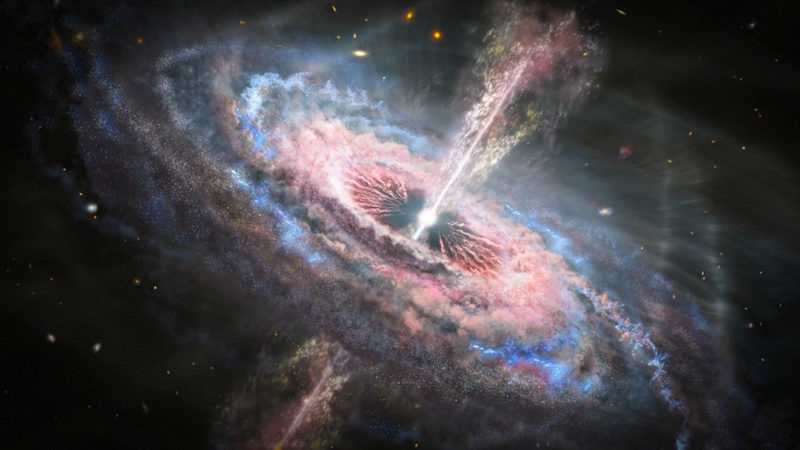
“The most energetic outflow came from a quasar called SDSS J1042+1646 with 5×1030 gigawatts, or 5 million trillion trillion gigawatts. For perspective, a nuclear reactor puts out about one gigawatt of energy, while the total energy of all Milky Way stars is about 1028 gigawatts.”
Tired of corona-related news. Time to relax with a completely science-based, “you are somewhat insignificant in the greater scheme of things” post.
“So, let’s bring the samples back. So if those extraordinary claims are made, they can be verified.”
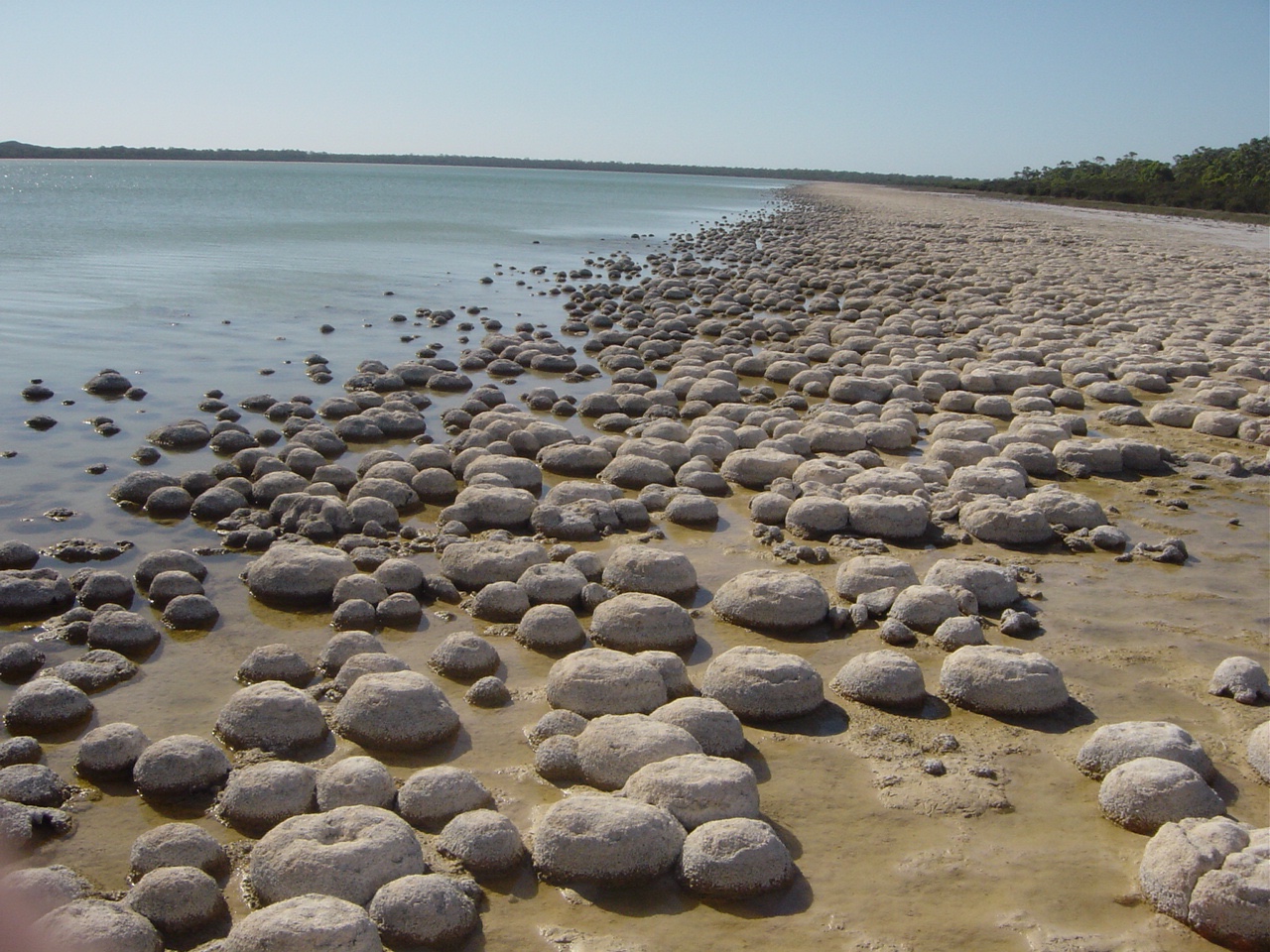
One likely extraterrestrial form of life might resemble a terrestrial form: the stromatolite.
They basically look like big rocks. I visited one site in Western Australia in 2003 with a group of Japanese students who were told by a local guide that the stromatolites were “3.5 billion years old.” (They’re not, but they do look like what life might have looked like at that point.”
So NASA is sending another rover to see if they can find evidence of a similar life form.
We’ve seen this before. Tragic romance framed by sci-fi fantasies. But now it may be possible to block the emotions the amydala associated with painful memories. Continue Reading
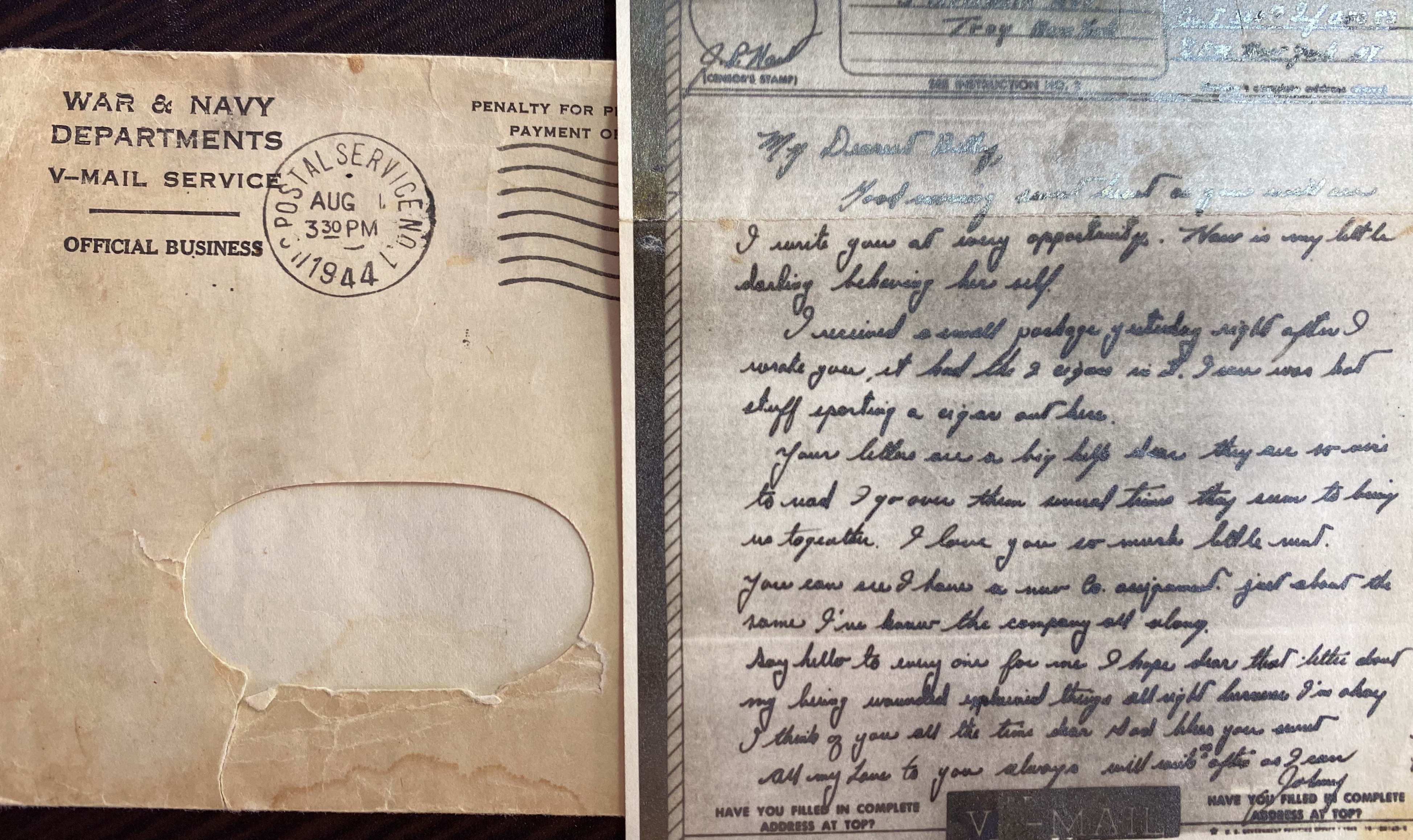
I should be finishing the SF novel I’ve been working on (and off) for the better part of four years now. Instead, I’ve found myself obsessed with letters recently found in my dearly departed mother‘s possessions…letters written from my grandmother’s first husband, John Hart, while he was in the US Army in the 1940s.
He died. This ain’t no story of heroic sacrifice or rah-rah patriotism. This is reality. Continue Reading






 I should be finishing
 M Thomas Apple Author Page