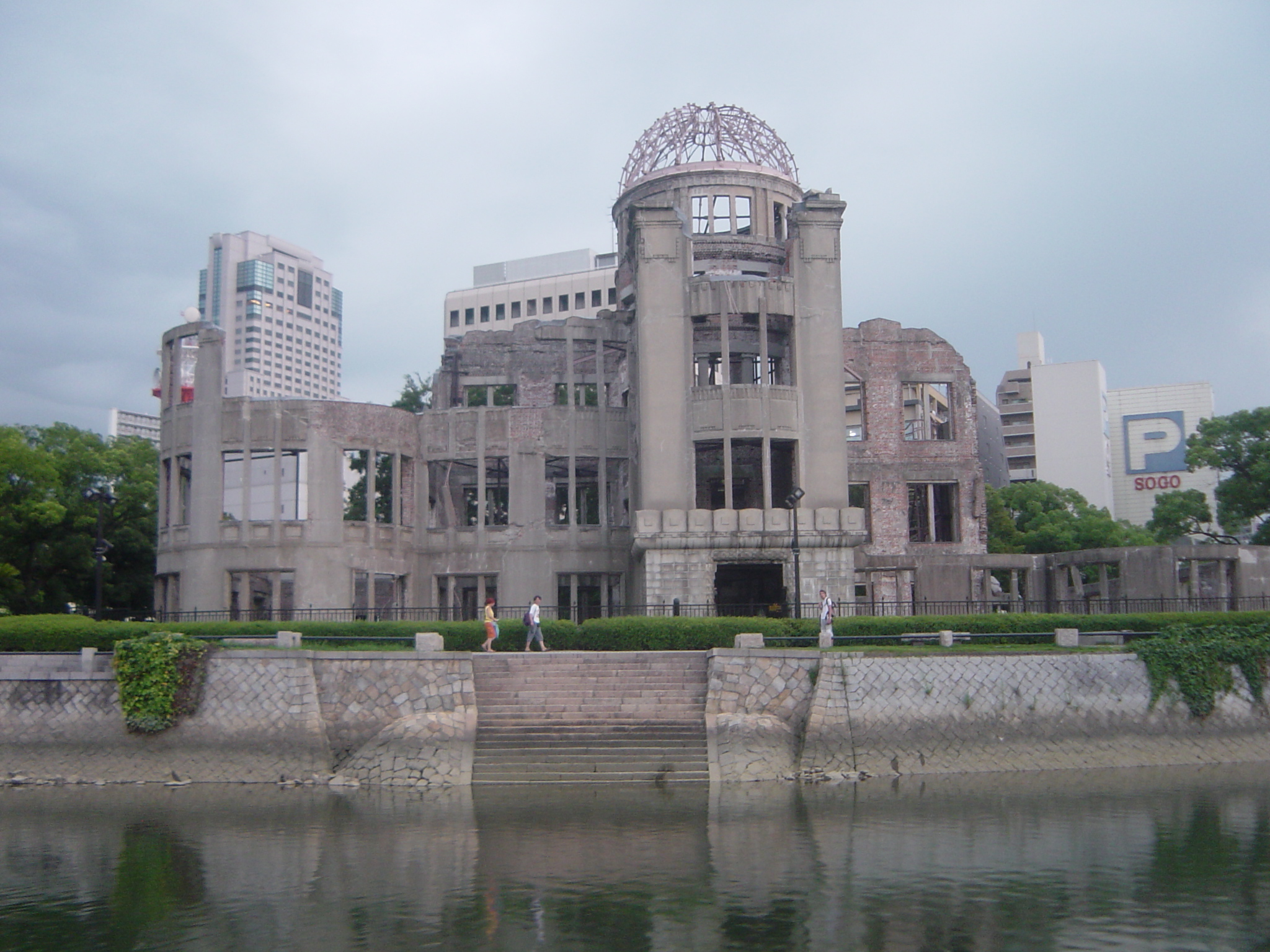
Nineteen years ago, my wife and I went to Hiroshima by high-speed ferry boat, on our way back from visiting her parents in Kyushu. Her father’s family comes from Hiroshima (although her father was actually born in Dairen/Dalian (大連), China) and her uncle and his family still live about an hour’s drive north of the city.
(Update from 2020: We visited Hiroshima with the kids for the first time last January, for New year’s 2023.)
My middle name is actually Thomas. I chose to use “M Thomas” as a pen name out of respect for my father, who taught me how to write. As a professional communications writer, he was responsible for lots of public documents for the NYS DMV, including traffic safety reports, driver manuals, press releases from the Governor, all sorts of “my boss will feel the need to edit this, so I will deliberately leave behind something for him to do so as he doesn’t screw up the entire thing” document.
I may or may not have adopted this strategy in my own professional work (I certainly adopted the attitude…)
Another reason is because I had a baby brother named Thomas. He passed away before reaching five months old when I was not quite 11. It had a major impact on me as a child (and indeed as the adult and as the father I am).
I have no sons. It bothers me that I may be the last Thomas in our family. For a while, anyway.
Both Russian and Ukrainian forces are integrating traditional weapons with AI, satellite imaging and communications, as well as smart and loitering munitions, according to a May report from the Special Competitive Studies Project, a non-partisan U.S. panel of experts. The battlefield is now a patchwork of deep trenches and bunkers where troops have been “forced to go underground or huddle in cellars to survive,” the report said.
I found it interesting that many people online were commenting about Iain M Bank’s take on AI (for an in-depth analysis of his Culture series check this out on Blood Knife) and how he “predicted” all this.
Uh. You know, I’m not sure whether Banks wrote much about integrating traditional weapons with AI (since I haven’t read his series). But I do know that PK Dick wrote a short story called “Second Variety” about trench warfare and AI robots making more versions of themselves and taking over the world.
It’s hard to believe that it’s been 35 years since the disaster that claimed the lives of all seven Space Shuttle Challenger crew members.
I remember it well. Being sent home early without being told. Watching the TV news at home in silent shock with my parents and younger siblings, tears streaming down our faces.
President Reagan’s speech at Congress, made in the place of the traditional State of the Union address, ended with “they slipped the surly bonds of Earth…and touched the face of God.” Probably the finest and most decent thing he ever did (even my parents, who voted for Jimmy Carter and Walter Mondale and intensely disliked Reagan and everything he stood for, couldn’t help but be moved by his words that day).
Thoughtless jokes circulated our school the next week or two. (“What’s the last thing Christa MacAuliffe said to her husband? “You feed the dog; I’ll feed the fish.”)
There was a morbid fascination with the way in which the Challenger crew met their fate. My friends came up with all sorts of gruesome stories they claimed to have “heard,” mostly about body parts washing up on beaches around the Caribbean.
The fact is, we were traumatized. Kids do all sorts of insane things to hide their fears, insecurity, and general inability to answer the question what am I supposed to feel/do/say about this?
Challenger marked a turning point in the US space program. It set NASA back in many ways but also provided great insight into what needed to be fixed, what needed to be done to push forward our knowledge of space and the great beyond.
There is/was no going back. Humanity is a space-faring race and must continue to strive to reach beyond its grasp…”Or what’s a heaven for?”
14 years ago, my wife and I went to Hiroshima by high-speed ferry boat, on our way back from visiting her parents in Kyushu. Her father’s family comes from Hiroshima (although her father was actually born in Dairen/Dalian (大連), China) and her uncle and his family still live about an hour’s drive north of the city.
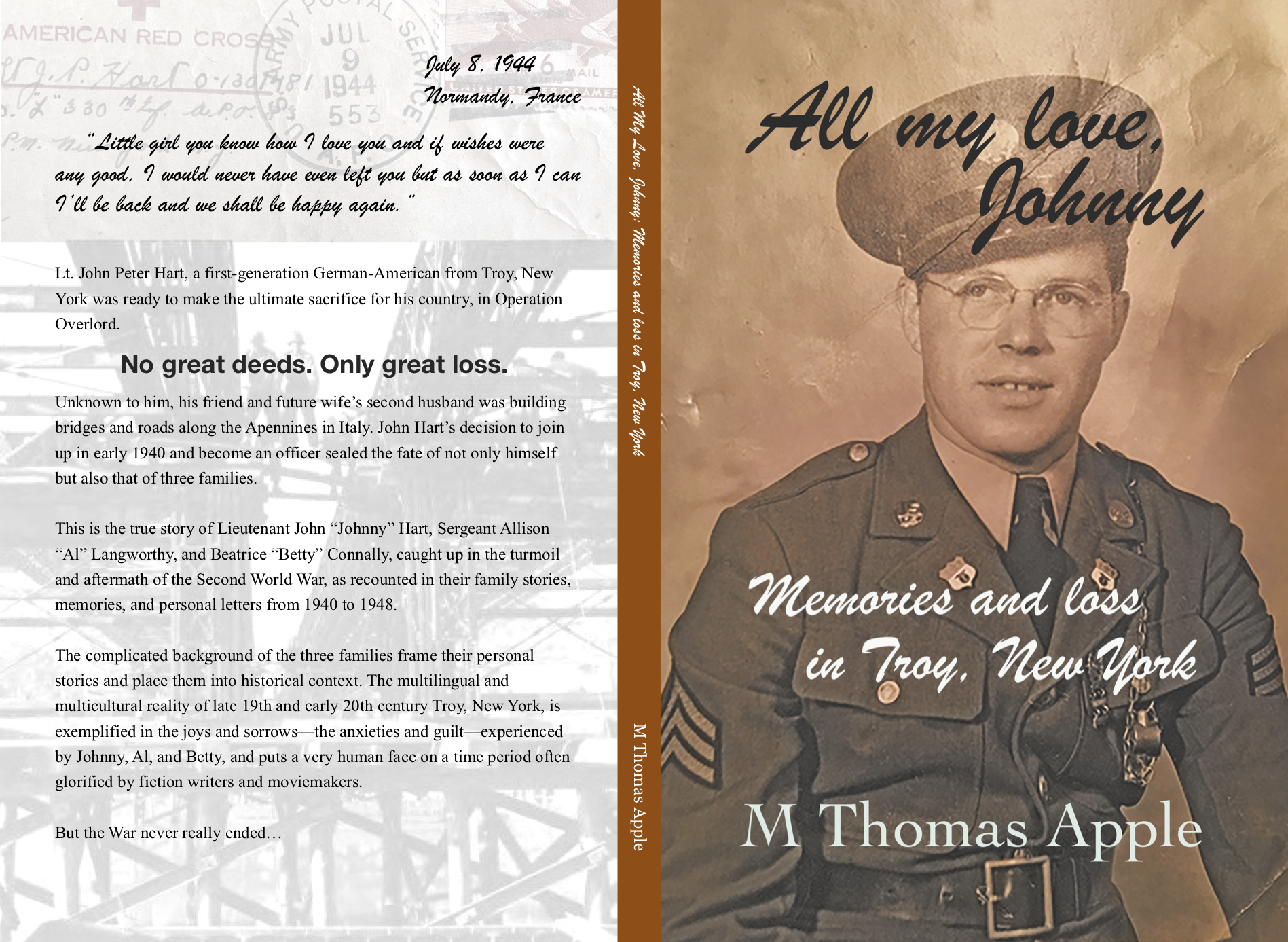
“Over sixteen million Americans served during World War II and this story offers in rich detail the story of two men in uniform and a woman they both cared about. A story of love and tragedy that is more representative of the experiences of many that served than the ones often told of generals and politicians. A story that needs to be told and remembered.”
— Dr. Rick Derrah, Professor of Social Studies, Kindai University, Osaka; former US Army E-4 Specialist
“Not only is this a touching and interesting family story, it is a great snap shot of the war and its effects, as well as Trojans and Troy history connection.”
— Don Rittner, historian, former Albany City Archaeologist and founder of the Pine Bush Historic Preservation Project
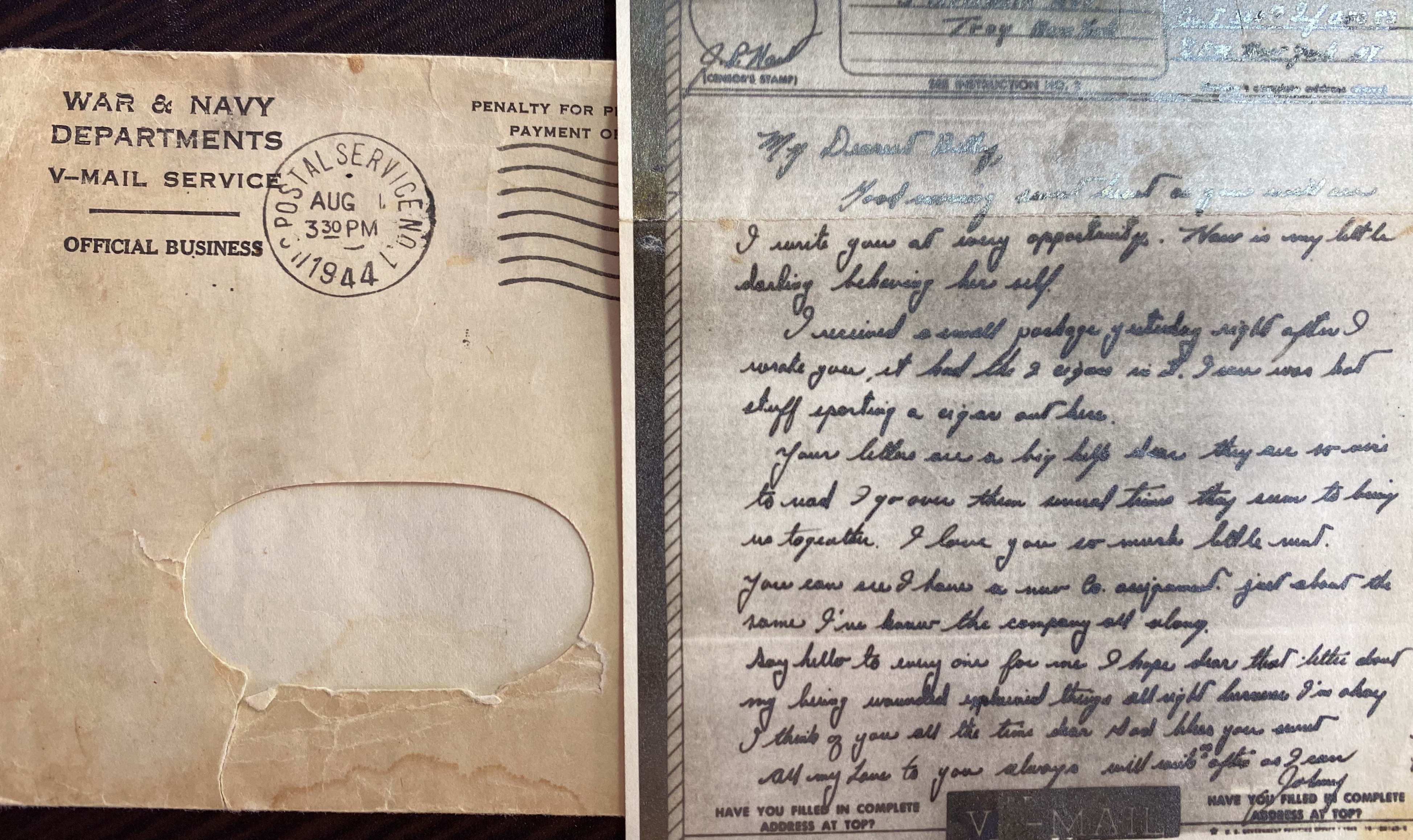
I should be finishing the SF novel I’ve been working on (and off) for the better part of four years now. Instead, I’ve found myself obsessed with letters recently found in my dearly departed mother‘s possessions…letters written from my grandmother’s first husband, John Hart, while he was in the US Army in the 1940s.
He died. This ain’t no story of heroic sacrifice or rah-rah patriotism. This is reality. Continue Reading
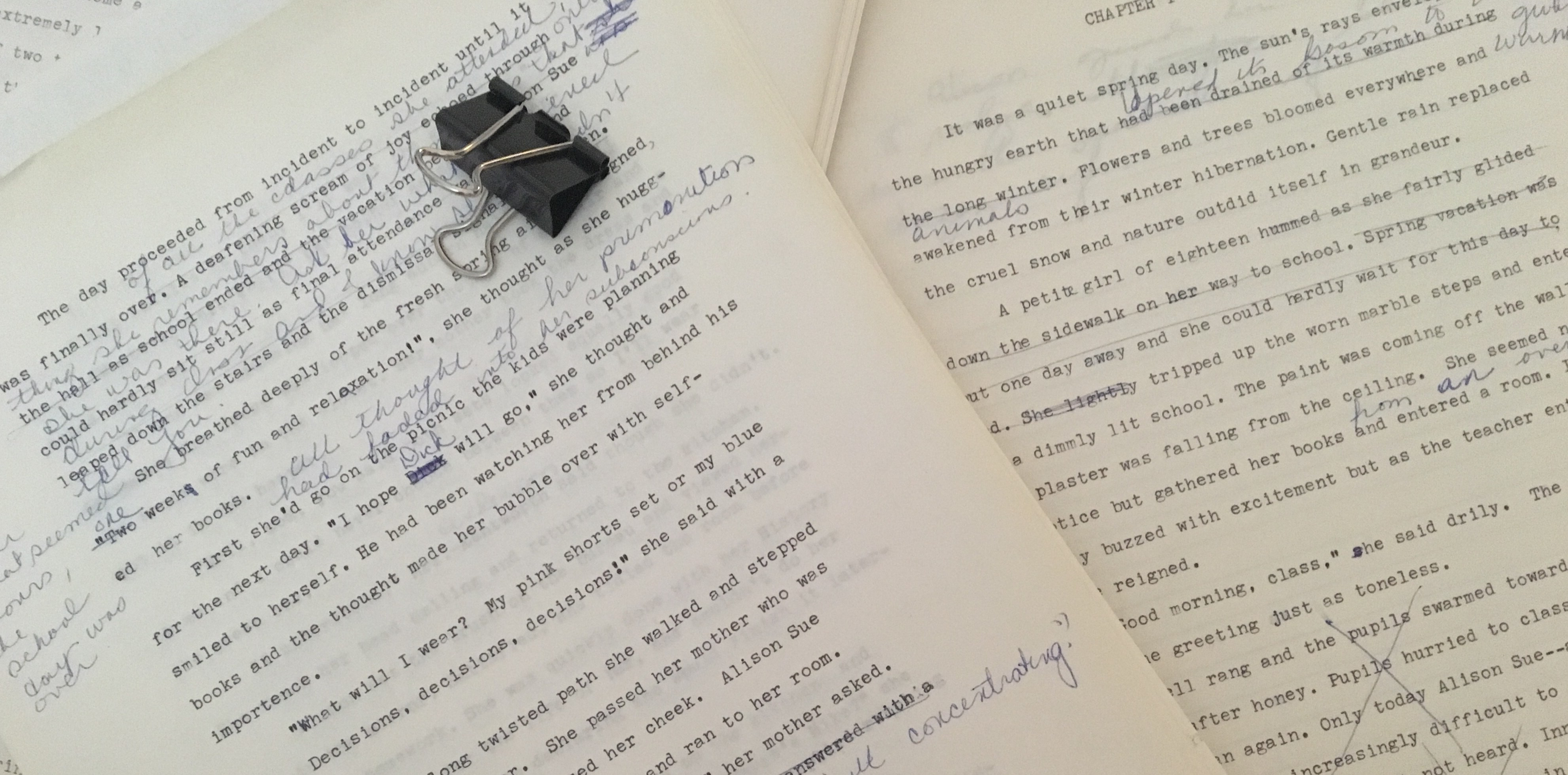
On October 31, 2018, I discovered an unpublished science fiction book in my mother’s dresser. The manuscript was buried under high school and nursing school yearbooks and diplomas.
“Three little children who were playing on the sidewalk near 118th Street and Seventh Avenue Tuesday afternoon jokingly shouted to two women riding in a ten-year-old automobile, ‘Get a horse! Get a horse!’
“A few seconds later they were frantically scrambling from the path of the old machine as apparently out of control, it plunged across the street toward them like a juggernaut.”
“There was a moment of silence and then from the front of the car…came the screams of a child.” Continue Reading


 I should be finishing
  On October 29, 2018, my mother
 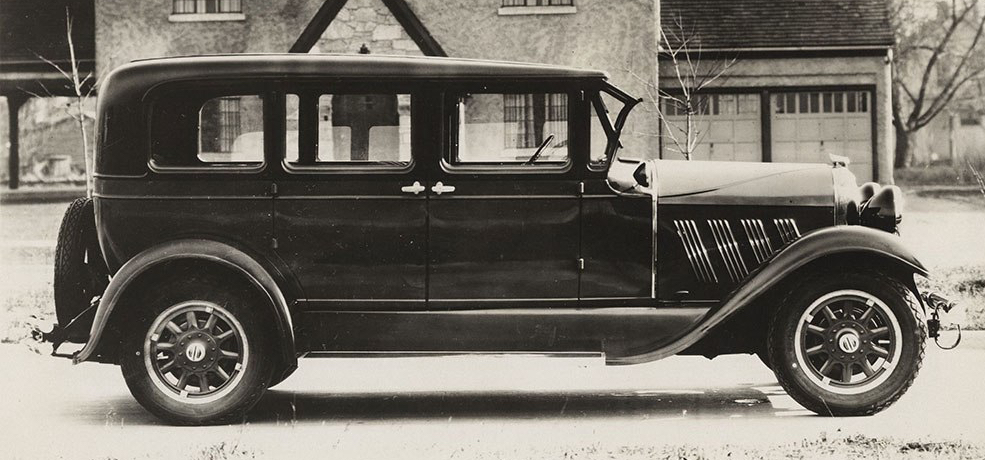 “Three little children who were playing on the sidewalk near 118th Street and Seventh Avenue Tuesday afternoon jokingly shouted to two women riding in a ten-year-old automobile, ‘Get a horse! Get a horse!’
 M Thomas Apple Author Page