My award-winning SF novella Adam’s Stepsons featured clones, which as some reviewers noted came a little after the peak of clones (although I wonder if we have yet to hit the “peak,” given scientific progress).
So as I was scouring the net for summer reads, I came across a lot of books about clones and ethical dilemmas (or lack thereof).
The main article I’ve linked here is from Tor.com, which often posts great stuff about SF Continue Reading
As if writers hadn’t already figured this out, Amazon really couldn’t care less about the books of yours they sell.
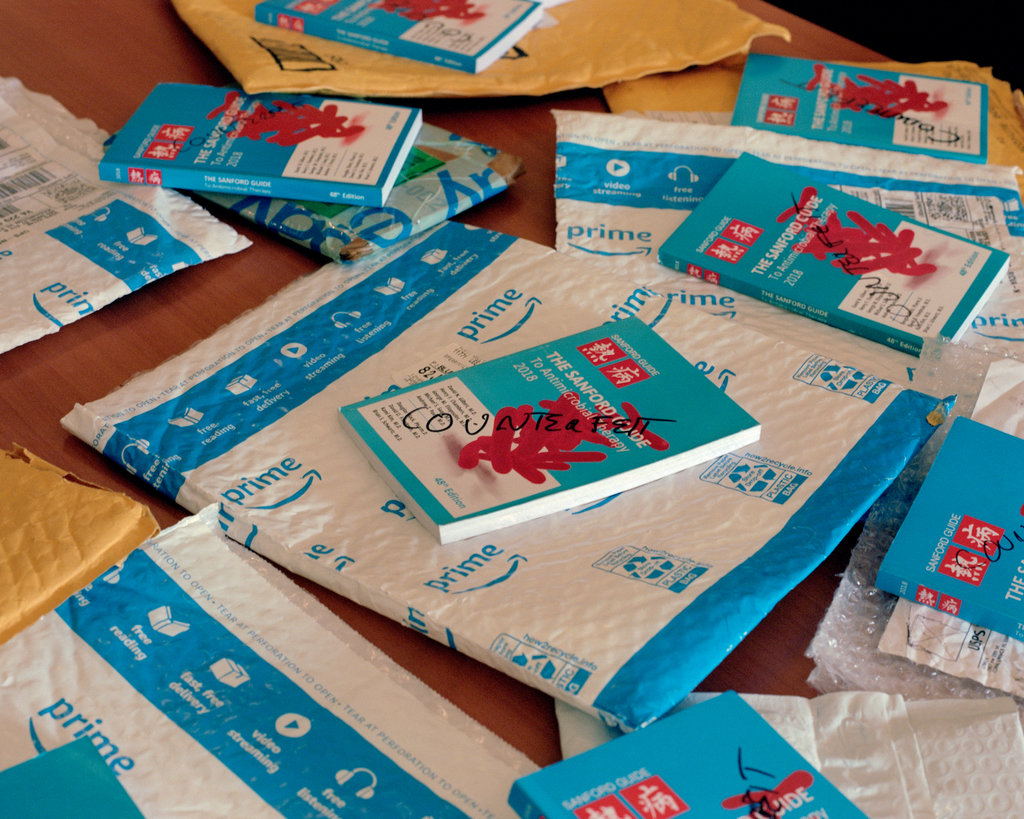
Notice I didn’t write “the books they sell for you.” Because they’re obviously not interested in you making any money. Not when they can allow random “companies” to download your manuscript, slap on their own label, and market it again as a “third party.”
Amazon takes a hands-off approach to what goes on in its bookstore, never checking the authenticity, much less the quality, of what it sells. It does not oversee the sellers who have flocked to its site in any organized way.
Naturally, the reason is that Amazon can’t be bothered policing illegal copies and illegal sales, since, in their minds, all’s fair in the Wild West of the Net.
Even the technically legal copies that are for sale are often copies acquired from people who received copies for review. Which is why I no longer give out books for review (also, services like Goodreads started charging for the privilege of random strangers to steal your book and sell it to a third party).
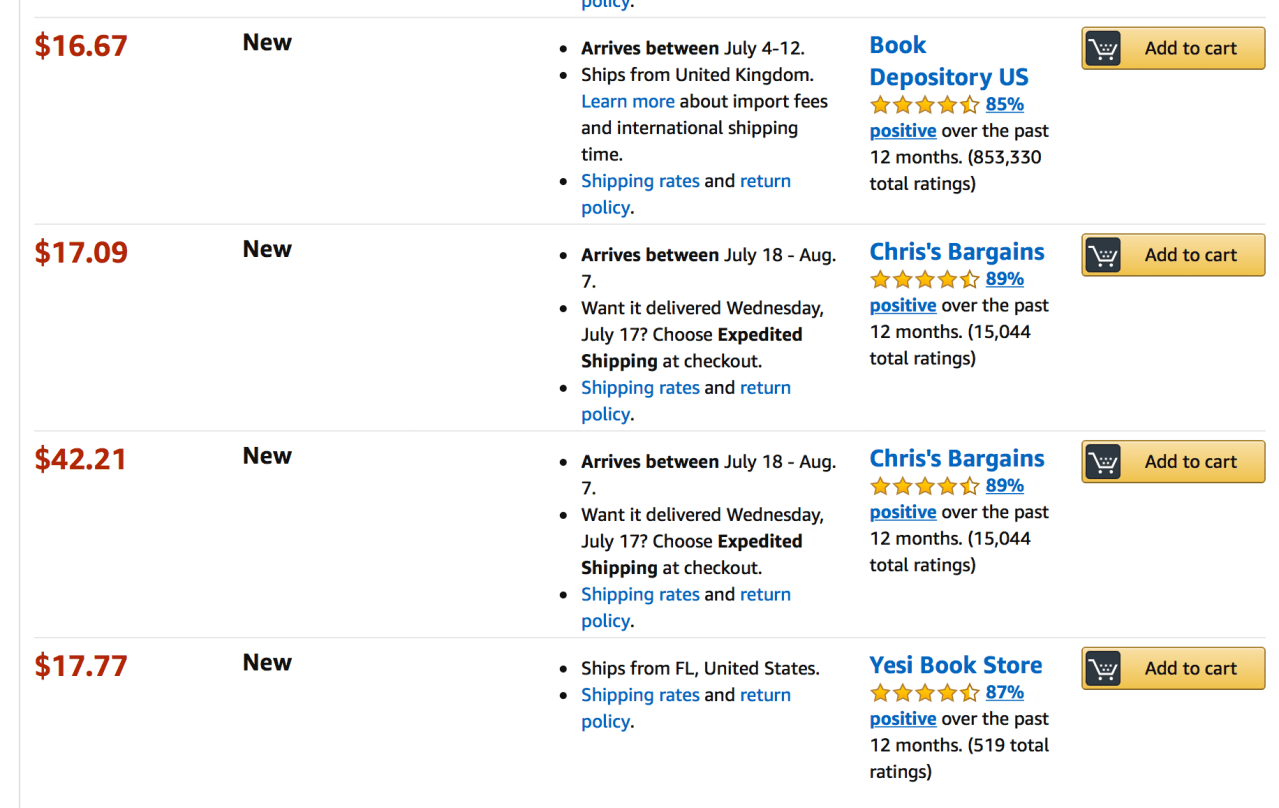
NONE of these “companies” wrote my book, and I did not give permission to ANY of them to resell my book. So why do they get to sell it for up to four times the price I set? Because Amazon doesn’t bother and couldn’t care less.
I used to wonder why my books often appeared in the “available from a third party” menu, with prices varying from twice to even five times the original amount. And why none of the “sales” from these copies showed up in my account. The answer is, of course, Amazon doesn’t really care who gets the royalty as long as they get their cut of the sale.
But we’re trapped, aren’t we? We can scream “fake!” and “unfair!” until we’re blue in the face. In the end, Amazon has grown in power to the extent that the entire world relies on it as a global distributor of, well, pretty much everything.
Except, of course, Amazon, itself, can’t be bothered shipping its own products these days. (More on that in a later post.)
Which is why I’ve started to port my books into other platforms such as Smashwords — but they’re all digital. It’s a shame, because I enjoy (and prefer) reading paper copies of books. But I know I will never be able to stop the Amazon Pirates from stealing my work and my friends’ work.
Shame on Amazon. And shame on all of us for going along with the system.
On this day, June 10th, what would have been my mother’s 69th birthday had she not passed away suddenly last October, I am conflicted.
Do I have the right to write about family history yet again?
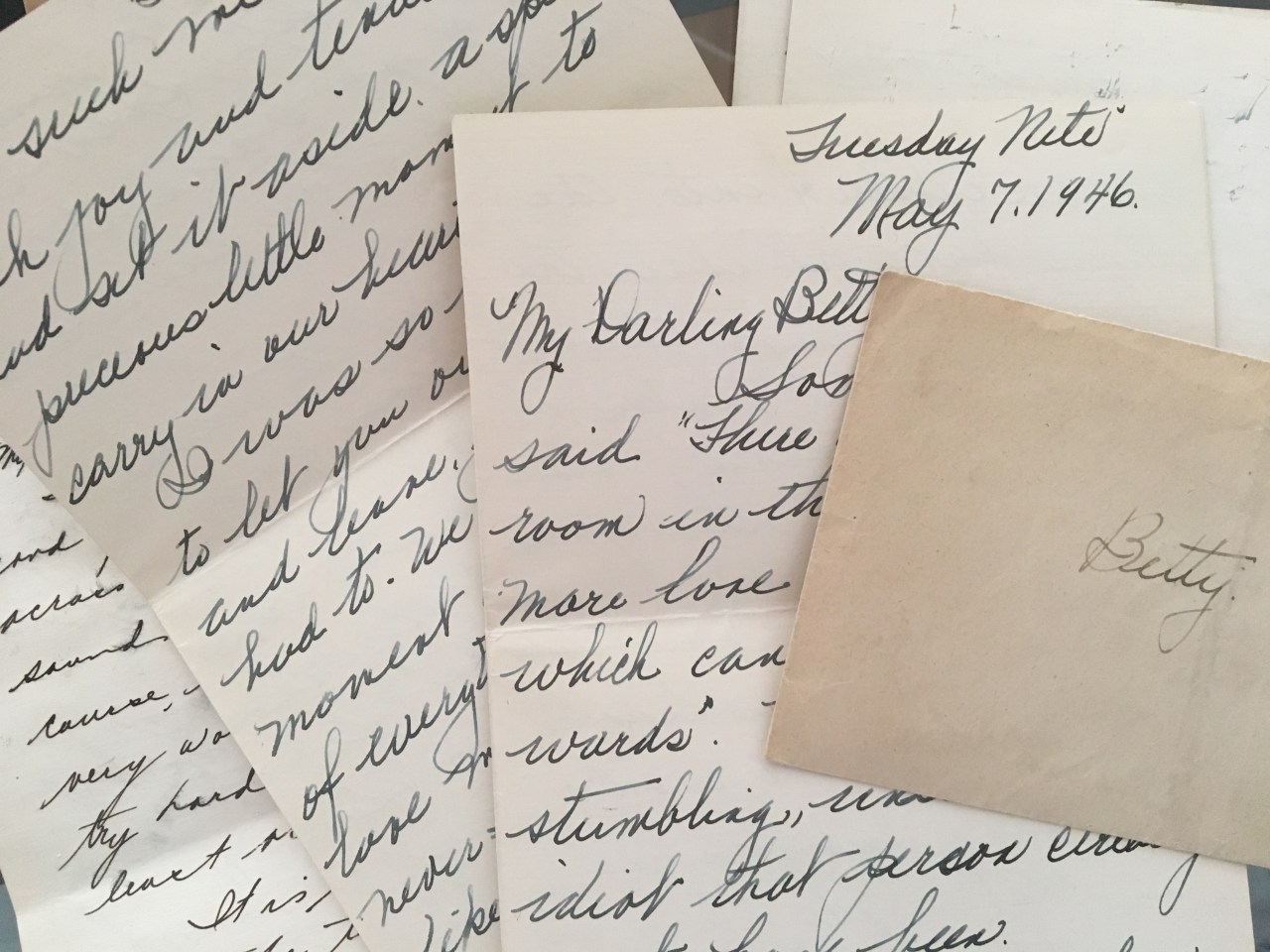
And yet without the past, it’s difficult to write about the future. They are connected, by both visible and invisible lines, threads of beliefs and behaviors, attitudes and antagonisms, odd coincidences and strangely fortunate happenings. Particularly in my family. Continue Reading
One minute I’m blogging along, the next minute…
No, I don’t mean Theresa May, I mean the actual May…er, May, as in the month of. I missed the entire month of blogging!
Right. Well, I have some catching up to do. A few more interesting science tidbits, more about family history and possible story ideas for historical fiction (and/or fictionalized history).
And there’s that SF novel I keep meaning to finish…
The research is in early stages, but it invokes ideas like uploading brains to the cloud or hooking people up to a computer to track deep health metrics…
I bought her Star Trek novelizations when I was a teenager. At the time, I had no idea that (a) she was an original Trekkie (b) had studied genetics and (c) had won both the Nebula and the Hugo Award (the Nebula multiple times).
She also made it a point to prove that women could write science fiction just as well as men, in a completely male-dominated science fiction landscape.
She managed to finish her final novel less than two weeks before she died.
RIP.
(Read here if you don’t have access to or don’t care for the NYTimes: https://www.geekwire.com/2019/vonda-n-mcintyre-1948-2019-seattle-science-fiction-star-dies-cancer/)