Never attempt to reason with people who know they are right!
Lord Leto
Today’s quote
February 22, 2024

February 22, 2024
Never attempt to reason with people who know they are right!
Lord Leto
February 21, 2024
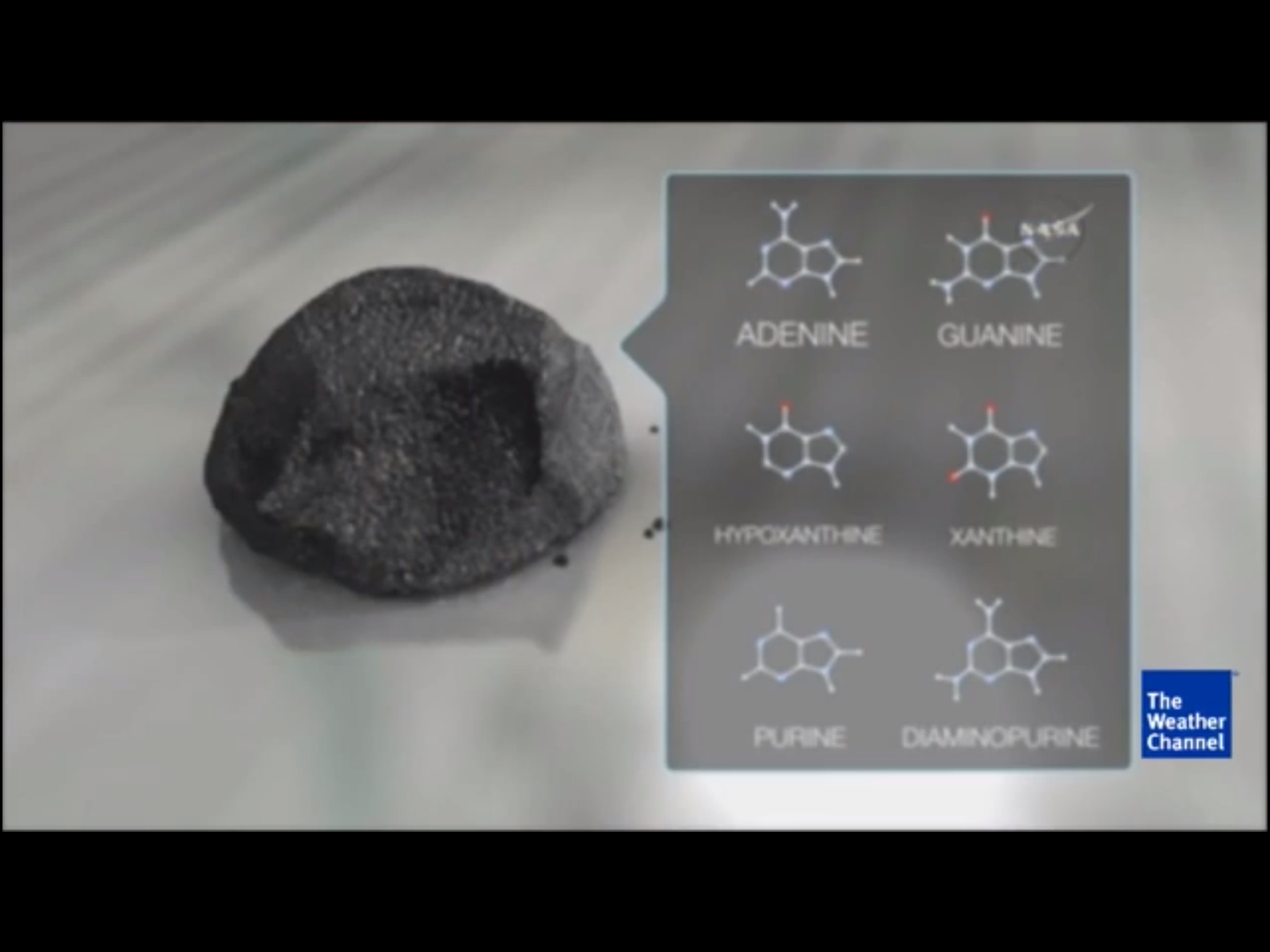
It’s been well-known for some time now that the building blocks of life called amino acids can be found on asteroids strewn throughout the solar system.
It’s also thought that water on Earth is largely (or entirely) the result of comets and asteroids bombarding it (it remains debatable to what degree Earth already had water, but since when it formed the Earth was first molten lava and then dry as a bone, I think it far more likely that water came here from elsewhere, and science tends to agree).
I’ve already blogged about the origins of Bringer of Light, when I (finally) finished the first draft back in early September. In a sense, I’ve been constantly blogging the science behind the story.
But I haven’t discussed the characters at all. And despite what some old-fashioned writers may think (just finished a particularly badly-written snarky “why your books don’t sell” piece of trash that claimed science fiction shouldn’t have any emotions in it…say what? sorry not sorry), if the characters of a story aren’t interesting, there isn’t much point in reading a story.
So for the next couple of weeks, I’ll write a bit about the characters — the crew of the Artemis, the crew of the Sagittarius, the UN flunkies (sorry, career politicos) on Mars and Luna and so forth. There are lots of characters, and their interaction is complicated. Or is it?
I would get into my scifi influences at this point, but long blogs are slogs. So I’ll come back to that tomorrow!
Coffee time. Also to finish up at least one unrelated project and also the hardcover manuscript (which needs to be a different paper size than the paperback for some reason).

February 21, 2024
Coffee. Hot and keep it coming.
February 19, 2024
It is wise to have decisions of great moment monitored by generalists. Experts and specialists lead you quickly into chaos. They are a source of useless nit-picking, the ferocious quibble over a comma….The expert looks backward; he looks into the narrow standards of his own speciality. The generalist looks outward; he looks for living principle, knowing full well that such principles change, that they develop.
Frank Herbert (Children of Dune)
February 15, 2024
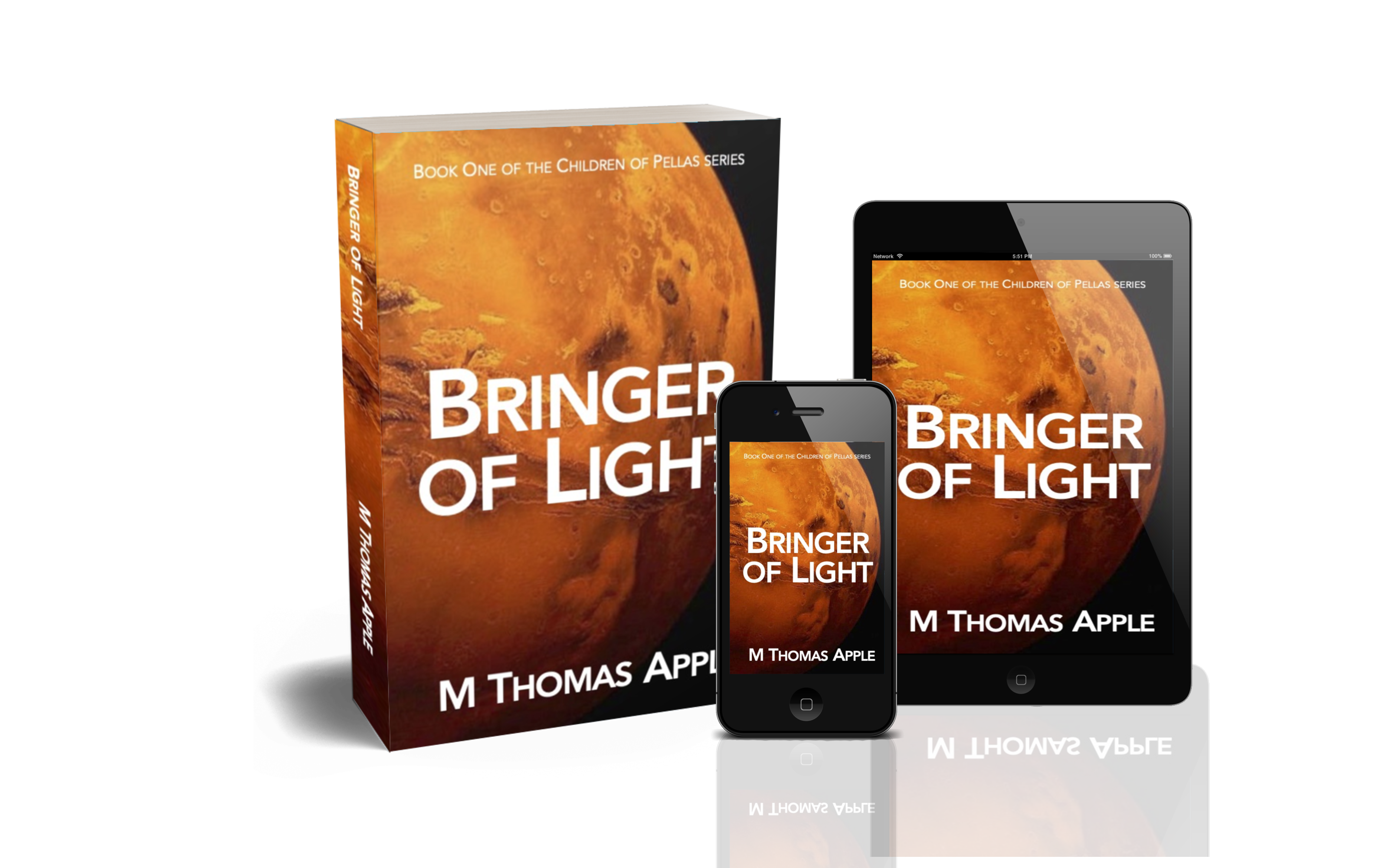
The moment we’ve all been waiting for is nearly here!
Bringer of Light is finally set to be released on March 15, 2024! (Click the link to see a book synopsis and two brief excerpts; Smashwords also has an excerpt from the beginning chapters.)
Stop by Draft2Digital to see links to your favorite bookstore online!
UPDATE: I have some difficulty convincing D2D to distribute to Amazon. Therefore, I have decided to publish Bringer of Light directly on Amazon. Stop by here to order for Kindle (released March 15th). Paperback and hard cover are also in the works.
February 14, 2024

A study published this weekend in the journal Monthly Notices of the Royal Astronomical Societyproposes that the oldest star in the Milky Way is a faint white dwarf that is about 10.7 billion years old and shining roughly 90 light years away from Earth.
https://www.popsci.com/science/the-milky-ways-oldest-star-is-a-white-hot-pyre-of-dead-planets/?fbclid=IwAR3smMe_OryfOHbM03X9HZIz9CcFu85LCsmGiNe5vaBh-7678xtPO4VOuxY
The Milky Way is old. Like, really, really old. One of the oldest galaxies.
This is probably what will eventually happen to our solar system. That’s right, everything will turn to rubble and get sucked into the dying Sun.
So, given all that, there’s only one thing for it…

February 13, 2024
“I’ll take ‘Barely Surviving’ for $100, Alec.”
February 12, 2024

Mimas, the smallest and innermost of Saturn‘s major moons, is believed to generate the right amount of heat to support a subsurface ocean of liquid water
https://www.space.com/saturn-moon-mimas-stealth-ocean-world
Unfortunately the “stealth ocean” is only a few million years old, not nearly enough to harbor life.
But it demonstrates the fact that water may in fact be common in space, opening the possibility of finding life on celestial bodies with older (much older) water sources.
(FYI: Mimas orbits Saturn once every 22 hours, and is affected by tidal forces from Saturn that appear to have melted part of its icy surface.)
February 9, 2024

Did I miss anyone? 😆👽🤖👾
February 7, 2024
LIfe.
I need a break from life.
Just let me hide in a cabin in the mountains with coffee and WIFI and a laptop for writing.
That’s it.

Space sustainability watch, co-produced by a human and an AI agent
Writing Fanfiction in the worlds of Tolkien and Beyond!
Learning more about our place in the universe...
Best Tech Gadgets Advise
Writing blogs is miracle I am a writer blogger and my site mission is to give information on maximum information to audiences
Reflections of an inquiring retiree ...
Simple ideas to make every room feel stylish and welcoming
Rock & Metal Reviews That Hit Hard
Short stories | Reflections | Poetry


