
Um. Yeah. Like, I’ve, uh, never done this before…
Back with more science, space, and etc. posts soon!

February 17, 2026
February 21, 2025

Hi, everyone. I know I haven’t posted in a while now (about three months).
Things happened. I’ll see if I can deal with that in a post this weekend before returning to regularly blogging about astronomy and etc.
Winter is still here! (In the northern hemisphere.) Going on walks and hiking in 3C windy weather only makes hot chocolate taste that much better…
☕️
June 16, 2024
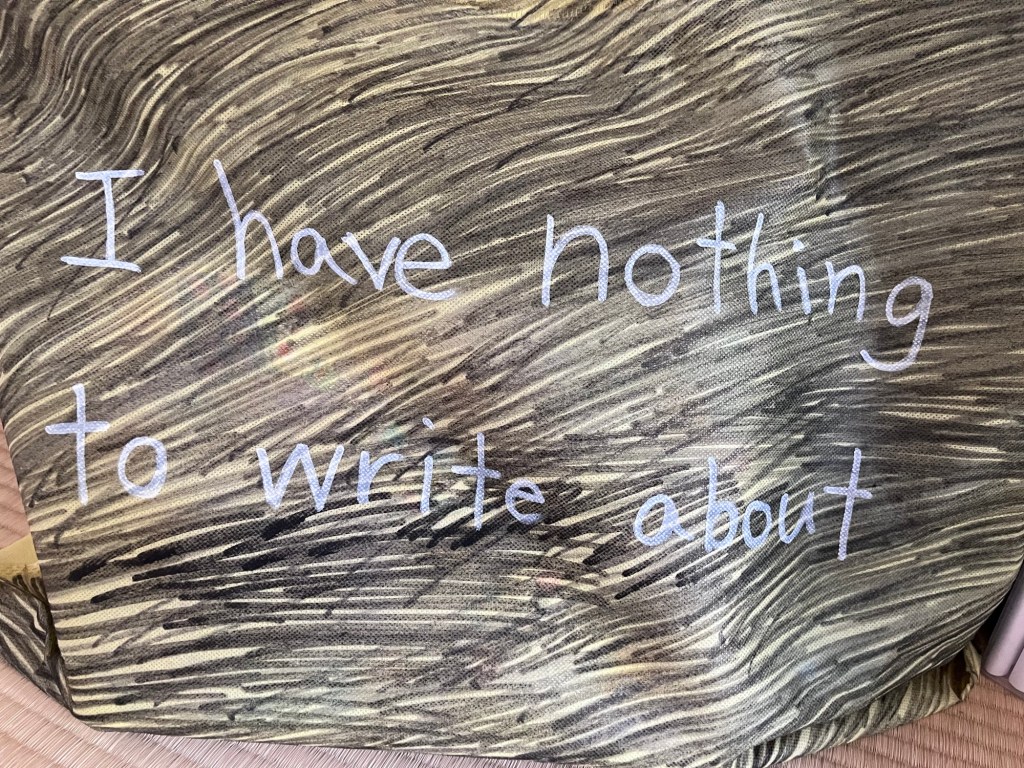
This is how I’ve been feeling the past couple of weeks…
Just too hot. And too busy. And tired.
And my favorite baseball teams keep losing.
At least for Father’s Day my wife got me nice food and drink. Maybe that’ll help get my mojo back…
(The image is of my youngest daughter’s art bag from last year. She has also complained of not being able to write much lately…)
April 8, 2024
Researchers will fly rockets into the path of the eclipse, stand in zoos watching animals, send radio signals across the globe, and peer into space with massive cameras.
And you don’t need to be a scientist to take part.
https://www.bbc.com/news/science-environment-68742516
If you’re lucky enough to have no clouds or rain, that is.
Things the eclipse affects:
Things scientists can view thanks to an eclipse:

The East Coast of North America, where most of my relatives live, is currently 13 hours behind me in Japan. So the event will be long over by the time I wake up.
Hope to see video of it on the morning news show tomorrow!
March 13, 2024

Water molecules have been detected in asteroid samples returned to Earth, but this marks the first time that the molecules have been discovered on the surface of an asteroid in space. The team studied four silicate-rich asteroids using data from the now-retired Stratospheric Observatory for Infrared Astronomy(SOFIA).
https://www.popsci.com/science/water-asteroid-space/
The asteroids in question are Iris (124 miles / 200 km in diameter) and Massalia (84 miles / 135 km). Both are in the asteroid belt between Mars and Jupiter. Iris is about the size of the US state of Maryland, while Massalia is roughly the size of Connecticut.
Note that the same observatory also found water on the Moon, about a “12-ounce bottle” worth. Not nearly enough for a settlement, but where there’s surface water (albeit trapped in soil on the surface), there’s likely to be more underneath.
(See also https://www.swri.org/press-release/swri-scientists-identify-water-molecules-asteroids-the-first-time — the PopSci linked article above essentially plagiarised almost its entire text. Bad scientist, bad.)
Original article here: Arrendono et al. (2024) Detection of molecular H20 on nominally anhydrous asteroids. Planet. Sci. J. 5. 37 doi 10.3847/PSJ/ad18b8 – good luck trying to read it!
March 8, 2024
Hello, everyone, and thank you for reading!
This is a short (~8 minute) video I made to introduce the story Bringer of Light.
I’ll be posting a couple more videos in the near future about the characters, location, and science behind the story.
Check it out, and share freely!
February 21, 2024
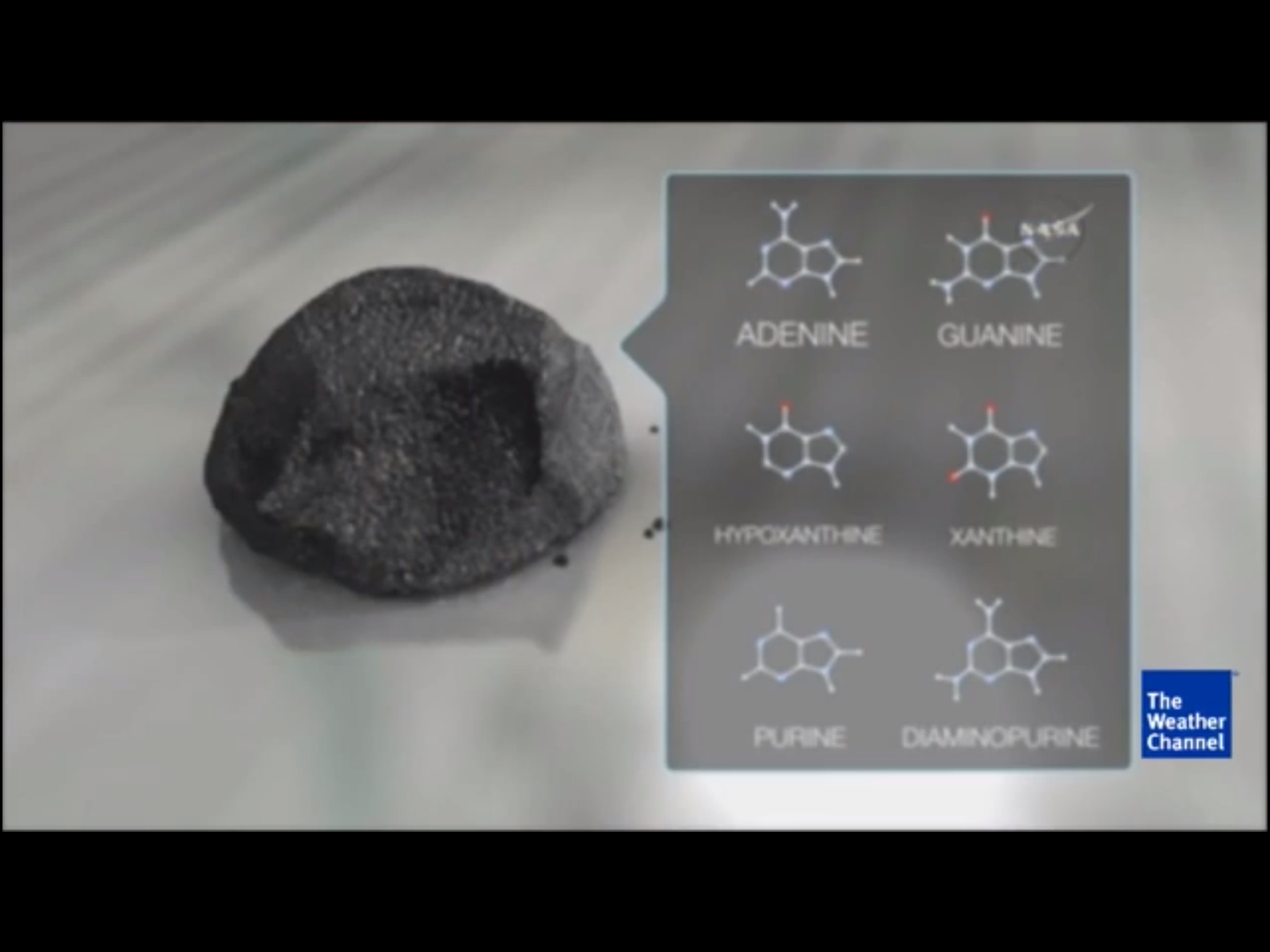
It’s been well-known for some time now that the building blocks of life called amino acids can be found on asteroids strewn throughout the solar system.
It’s also thought that water on Earth is largely (or entirely) the result of comets and asteroids bombarding it (it remains debatable to what degree Earth already had water, but since when it formed the Earth was first molten lava and then dry as a bone, I think it far more likely that water came here from elsewhere, and science tends to agree).
I’ve already blogged about the origins of Bringer of Light, when I (finally) finished the first draft back in early September. In a sense, I’ve been constantly blogging the science behind the story.
But I haven’t discussed the characters at all. And despite what some old-fashioned writers may think (just finished a particularly badly-written snarky “why your books don’t sell” piece of trash that claimed science fiction shouldn’t have any emotions in it…say what? sorry not sorry), if the characters of a story aren’t interesting, there isn’t much point in reading a story.
So for the next couple of weeks, I’ll write a bit about the characters — the crew of the Artemis, the crew of the Sagittarius, the UN flunkies (sorry, career politicos) on Mars and Luna and so forth. There are lots of characters, and their interaction is complicated. Or is it?
I would get into my scifi influences at this point, but long blogs are slogs. So I’ll come back to that tomorrow!
Coffee time. Also to finish up at least one unrelated project and also the hardcover manuscript (which needs to be a different paper size than the paperback for some reason).

December 3, 2023
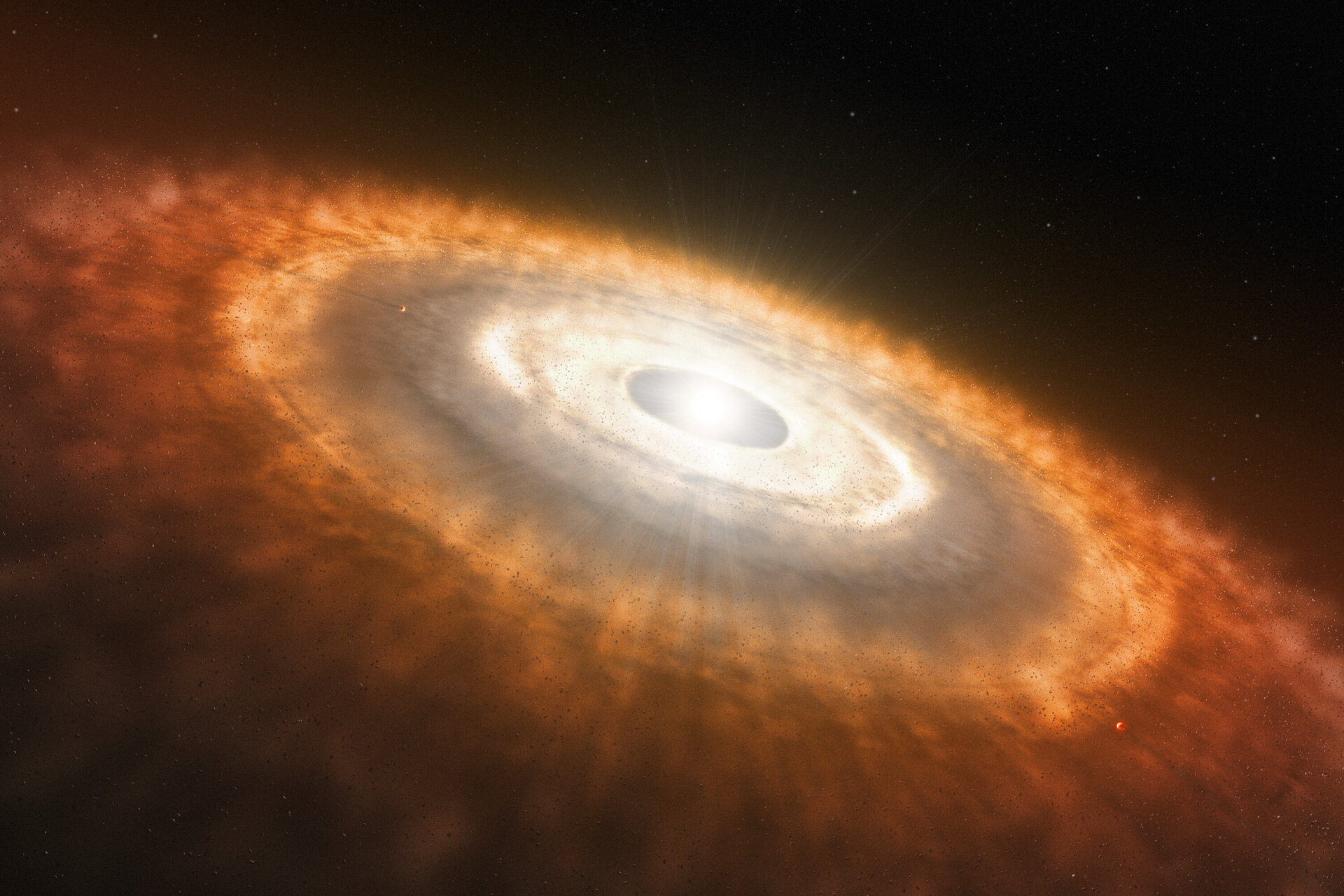
Because of its location near several massive stars in NGC6357, scientists expect XUE 1 to have been constantly exposed to a high ultraviolet radiation field throughout its life. However, in this extreme environment the team still detected a range of molecules that are the building blocks of rocky planets.
https://www.esa.int/Science_Exploration/Space_Science/Webb/Webb_study_reveals_rocky_planets_can_form_in_extreme_environments
In essence, this expands the possibility of finding many more rocky planets than were previous thought to be exist.
Lots of “gas giants” and a few “super Earths” have been found so far. But Webb is just getting started…
November 19, 2023
Dear readers,
Sorry to have been absent for a couple of weeks.
Things just got busy at work and at home. And influenza really is strong this year, as predicted (I found out long ago that teenagers – especially guys – completely ignore suggestions regarding ways of avoiding illness due to an unwavering belief in their invulnerability).
I’ll try to make it up to you over the next couple of days.
In the meantime, here’s an Apple IIe showing the matrix (“all I see is blond…brunette…”).

September 23, 2023
Both Russian and Ukrainian forces are integrating traditional weapons with AI, satellite imaging and communications, as well as smart and loitering munitions, according to a May report from the Special Competitive Studies Project, a non-partisan U.S. panel of experts. The battlefield is now a patchwork of deep trenches and bunkers where troops have been “forced to go underground or huddle in cellars to survive,” the report said.
https://www.reuters.com/technology/human-machine-teams-driven-by-ai-are-about-reshape-warfare-2023-09-08/
I found it interesting that many people online were commenting about Iain M Bank’s take on AI (for an in-depth analysis of his Culture series check this out on Blood Knife) and how he “predicted” all this.
Uh. You know, I’m not sure whether Banks wrote much about integrating traditional weapons with AI (since I haven’t read his series). But I do know that PK Dick wrote a short story called “Second Variety” about trench warfare and AI robots making more versions of themselves and taking over the world.
He wrote it in 1953.
(You can read it at Project Gutenberg.)
That is waaay before the Culture series.
Sigh. Read the classics, guys.
Writing Fanfiction in the worlds of Tolkien and Beyond!
Learning more about our place in the universe...
Best Tech Gadgets Advise
Marvel Comics Reviews, Previews and News
Writing blogs is miracle I am a writer blogger and my site mission is to give information on maximum information to audiences
Reflections of an inquiring retiree ...
Simple ideas to make every room feel stylish and welcoming
Rock & Metal Reviews That Hit Hard
Short stories | Reflections | Poetry
Read. Reflect. Grow
 M Thomas Apple Author Page