“So, let’s bring the samples back. So if those extraordinary claims are made, they can be verified.”
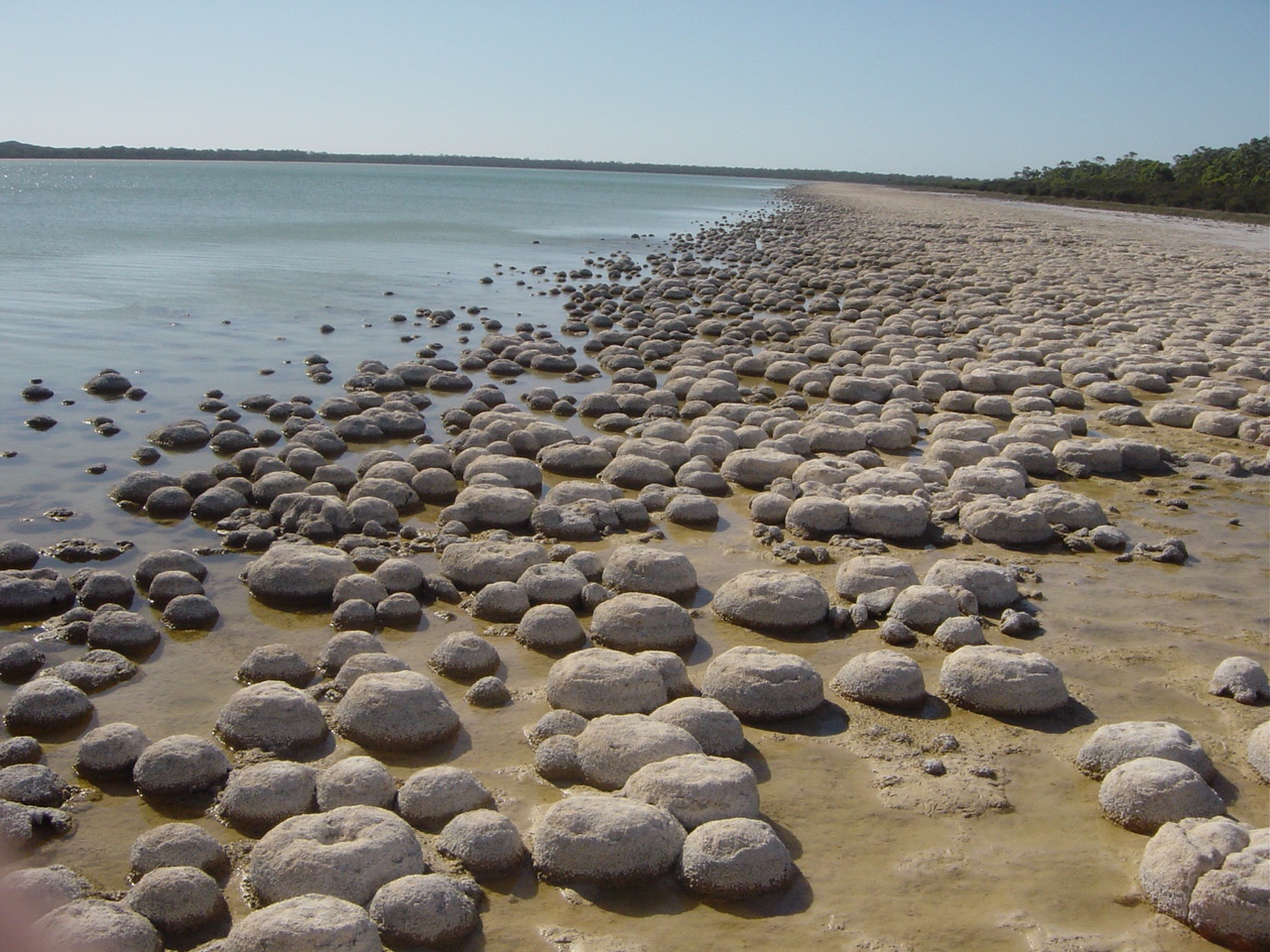
One likely extraterrestrial form of life might resemble a terrestrial form: the stromatolite.
They basically look like big rocks. I visited one site in Western Australia in 2003 with a group of Japanese students who were told by a local guide that the stromatolites were “3.5 billion years old.” (They’re not, but they do look like what life might have looked like at that point.”
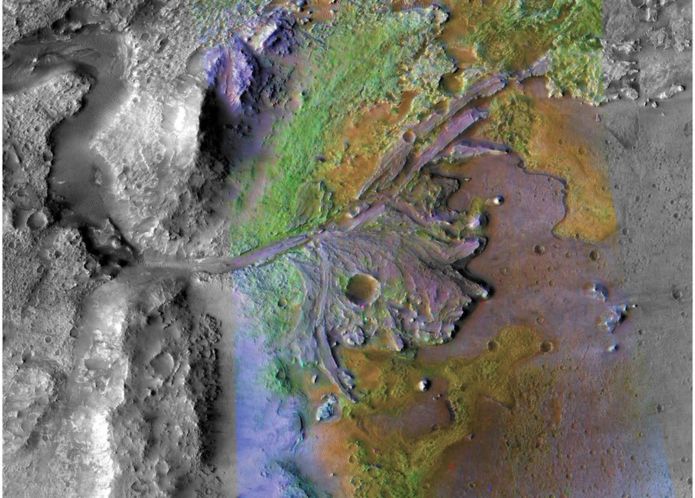
So NASA is sending another rover to see if they can find evidence of a similar life form.
“Being able to get humans on Mars and actually collecting one of these samples would be such an incredible moment, I would kind of hope it would almost bring us back to the moon days of everyone being glued to the TV.”
Um. Well. OK. TV is dead so we’ll all be watching it streamed on our smartphones, but the point is taken.
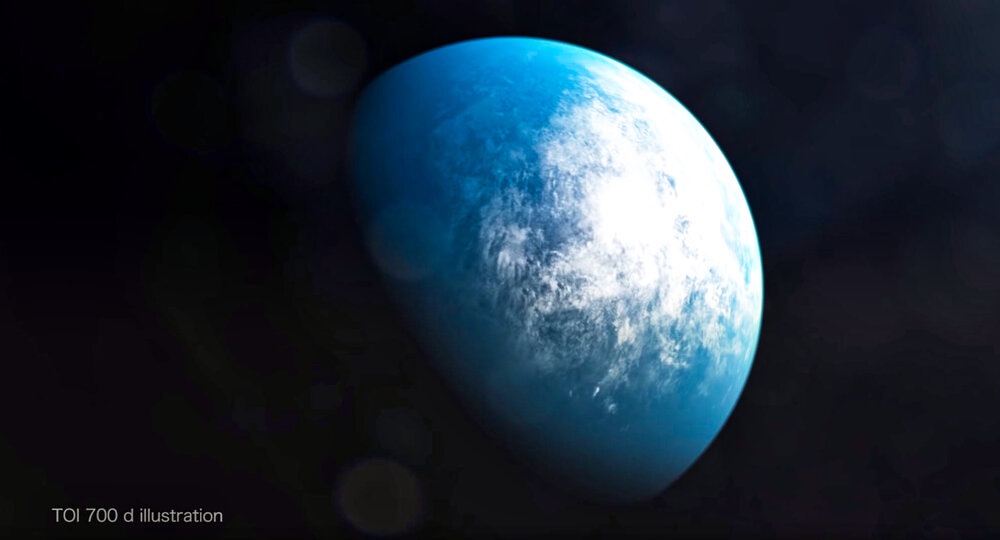
The newly discovered exoplanet, called TOI 700 d, is located about 100 light-years away from us and is roughly 20% larger than Earth.
Okay, not exactly close, but looking good…
A year on TOI 700 d takes 37 days.
Um. Wait. What?
One thing astronomers have discovered though is that TOI 700 d is tidally locked to its star, which means that one half bathes in eternal sunlight, and the other half always exists in darkness.
Oy.
And even better…
One of the burning questions is whether the planet has an atmosphere or not.
I mean, write a Star Wars movie review? When so many have already been there, done that, loved it/hated on it/debated it? When I already did it (ah, twenty years ago, but still…)
But, then again, why not?
Especially when so many have gotten it so wrong… Continue Reading
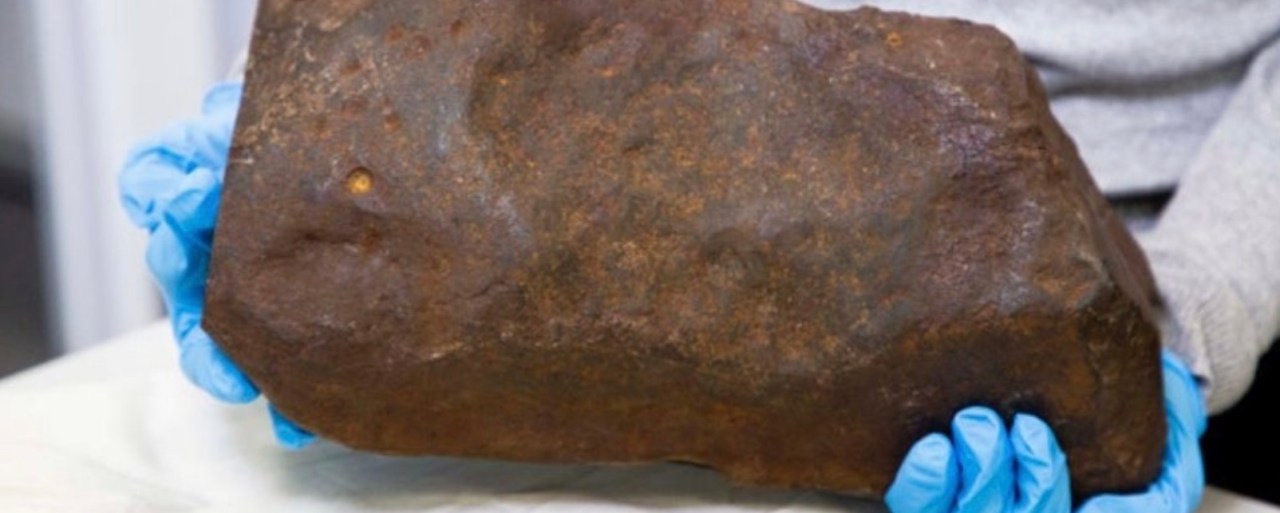
If you find a big rock in your backyard, and you can’tbreak it open with normal tools, guess what?
The researchers argue that the Maryborough meteorite is much rarer than gold. It’s one of only 17 meteorites ever recorded in the Australian state of Victoria, and it’s the second largest chondritic mass, after a huge 55-kilogram specimen identified in 2003.
This next bit is more interesting to me:
“Other rare meteorites contain organic molecules such as amino acids; the building blocks of life.”





 M Thomas Apple Author Page