“Being able to get humans on Mars and actually collecting one of these samples would be such an incredible moment, I would kind of hope it would almost bring us back to the moon days of everyone being glued to the TV.”
Um. Well. OK. TV is dead so we’ll all be watching it streamed on our smartphones, but the point is taken.
And how much did they pay for this? π° π½ πΊ
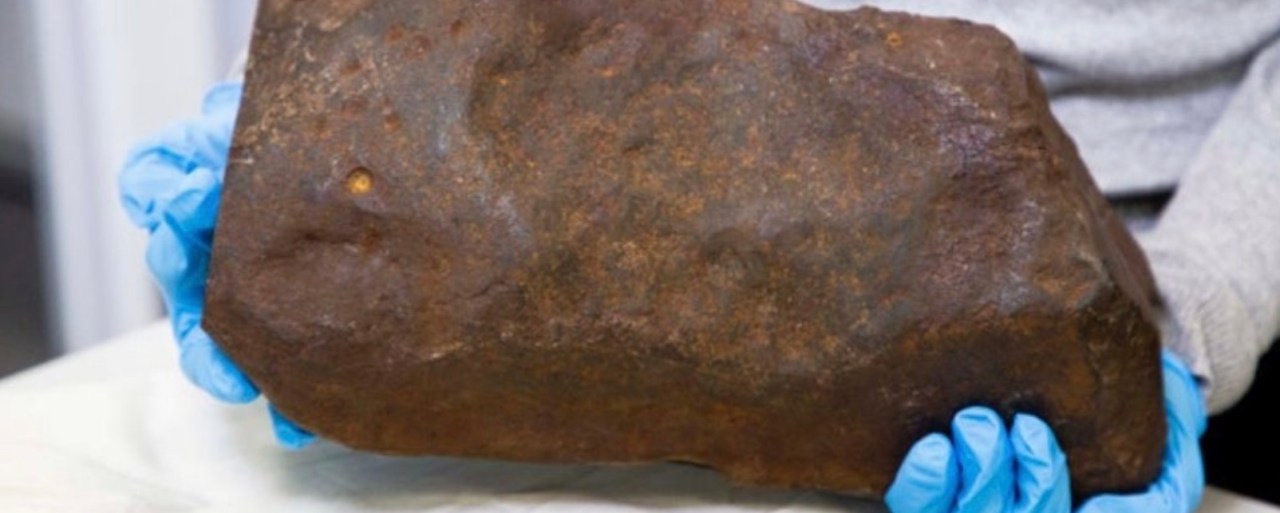
If you find a big rock in your backyard, and you can’tbreak it open with normal tools, guess what?
The researchers argue that the Maryborough meteorite is much rarer than gold. It’s one of only 17 meteorites ever recorded in the Australian state of Victoria, and it’s the second largest chondritic mass, after a huge 55-kilogram specimen identified in 2003.
This next bit is more interesting to me:
“Other rare meteorites contain organic molecules such as amino acids; the building blocks of life.”
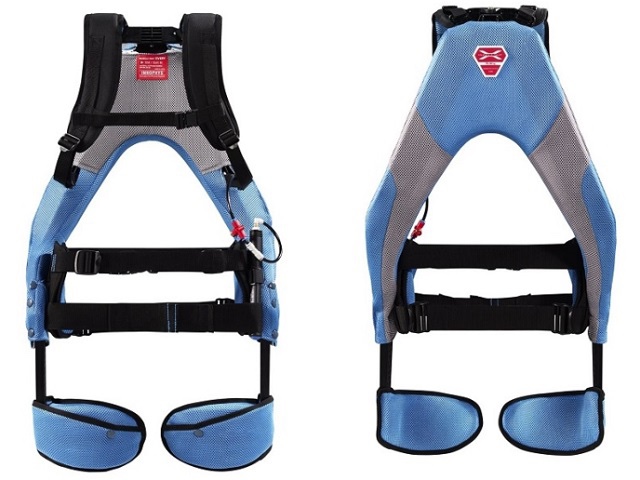
The βEvery Muscle Suitβ has a lot going for it. Weighing just 3.8 kilograms (2.2 pounds), the pneumatic artificial muscle suit is powerful enough to generate up to 25.5 kilogram-force andeffectively relieves pressureon usersβ backs when performing activities like heavy lifting.
And no batteries. That’s right: it uses air pressure only. Sells for the low low price of Β₯149,600 (US$1,380)!
Well, OK, it’s not cheap. But compared to the robots used in heavy industries, this one’s close to affordable. And you can even test-run at the Bic Camera store in Shinjuku, Tokyo.
No mention of mounted laser rifles yet, though. Sorry.
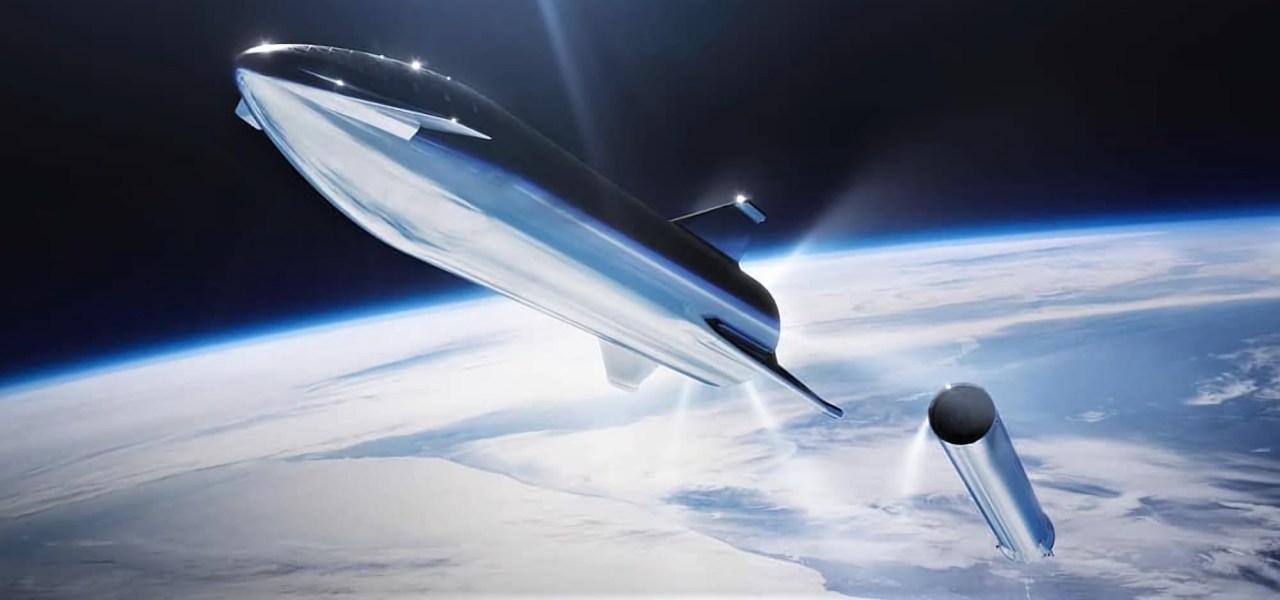
Youtubersmallstarshas proposed a concept that he calls theGravity Link Starship(GLS), a variation of SpaceXβsStarshipthat will be able to provide its own artificial gravity.
Hm, I guess we’re at the point where YouTubers have better ideas than NASA…
But who pays for this? is the several billion dollar question. Not just the construction of the “hub and truss” system, but the expense of getting it into space in the first place.
Seems like science fiction at this point. But still worth a read/look:
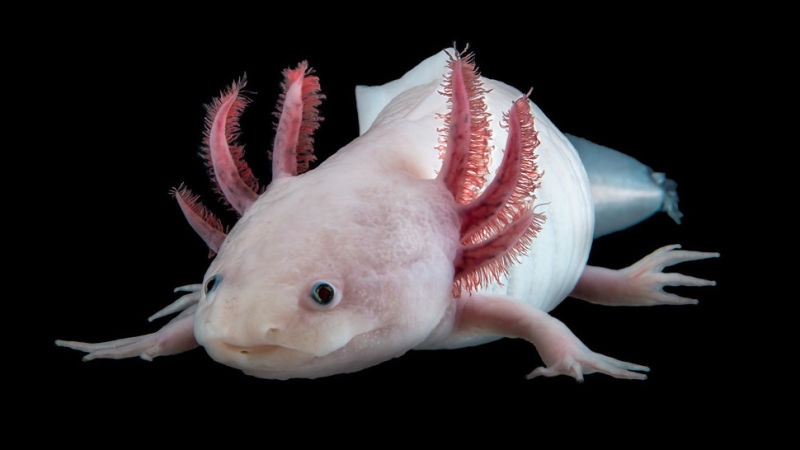
Our bodies have retained the capacity to repair injured or overworked cartilage in our joints, says newresearchpublished today in Science Advances. Remarkably, the mechanics of this healing process are practically the same as whatβs used by amphibians and other animals to regenerate lost limbs…
Sorry I haven’t posted anything in a while. I know it’s been about two months. Summer was filled with fun family activities in Montreal. September was filled with trips to libraries and feeling sorry for myself. Got into a bit of a funk.
Now I’m back in Japan, back to the daily grind, and trying to find time to sort out all the stuff I mailed back from Montreal.
Rest assured, there’s lots of stuff to write about. Some of it even makes sense.
I’ll be writing a few quick posts about various cool science and space things in the upcoming days. Then maybe a couple of longish ones about weird family history. And maybe even an update on my SF novel.
Yeah. I still didn’t finish the first draft. Stuck on 70,000 words. But the end is in sight!
My award-winning SF novella Adam’s Stepsons featured clones, which as some reviewers noted came a little after the peak of clones (although I wonder if we have yet to hit the “peak,” given scientific progress).
So as I was scouring the net for summer reads, I came across a lot of books about clones and ethical dilemmas (or lack thereof).
The main article I’ve linked here is from Tor.com, which often posts great stuff about SF Continue Reading
βFundamentally, we may be able to change how we create and use the materials with lifelike characteristics. Typically materials and objects we create in general are basically staticβ¦ one day, we may be able to βgrowβ objects like houses and maintain their forms and functions autonomously.β
You mean like Iron Man from a decade ago (as seen in Infinity War)?
Honestly, scientists these days…can’t even keep up with comic books from the ’80s…
(That said, I’m not entirely thrilled with the idea of living in a living house that can maintain its own form and feed itself…on what?! you might ask…)