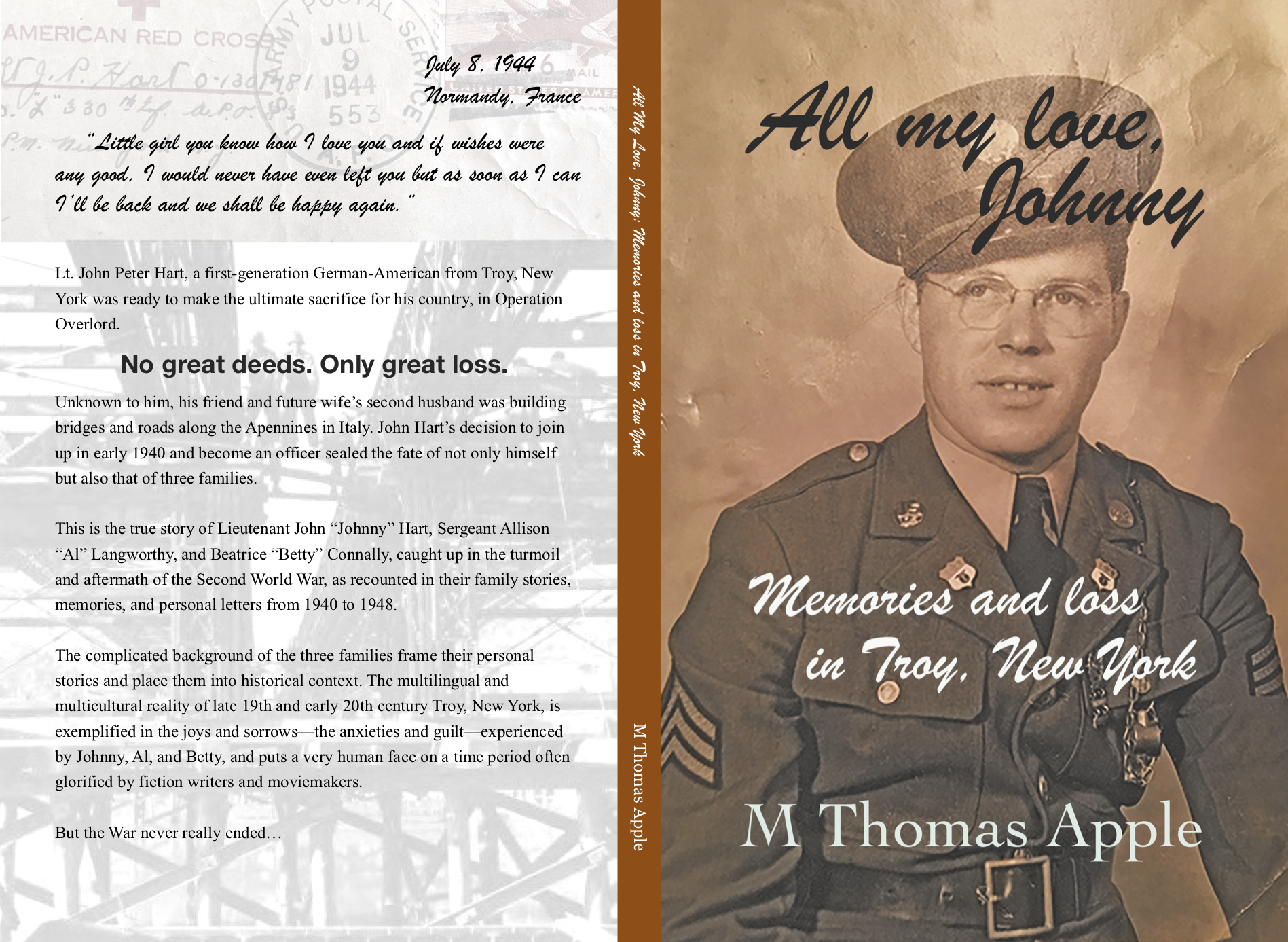
“Over sixteen million Americans served during World War II and this story offers in rich detail the story of two men in uniform and a woman they both cared about. A story of love and tragedy that is more representative of the experiences of many that served than the ones often told of generals and politicians. A story that needs to be told and remembered.”
— Dr. Rick Derrah, Professor of Social Studies, Kindai University, Osaka; former US Army E-4 Specialist
“Not only is this a touching and interesting family story, it is a great snap shot of the war and its effects, as well as Trojans and Troy history connection.”
— Don Rittner, historian, former Albany City Archaeologist and founder of the Pine Bush Historic Preservation Project
As if writers hadn’t already figured this out, Amazon really couldn’t care less about the books of yours they sell.
Notice I didn’t write “the books they sell for you.” Because they’re obviously not interested in you making any money. Not when they can allow random “companies” to download your manuscript, slap on their own label, and market it again as a “third party.”
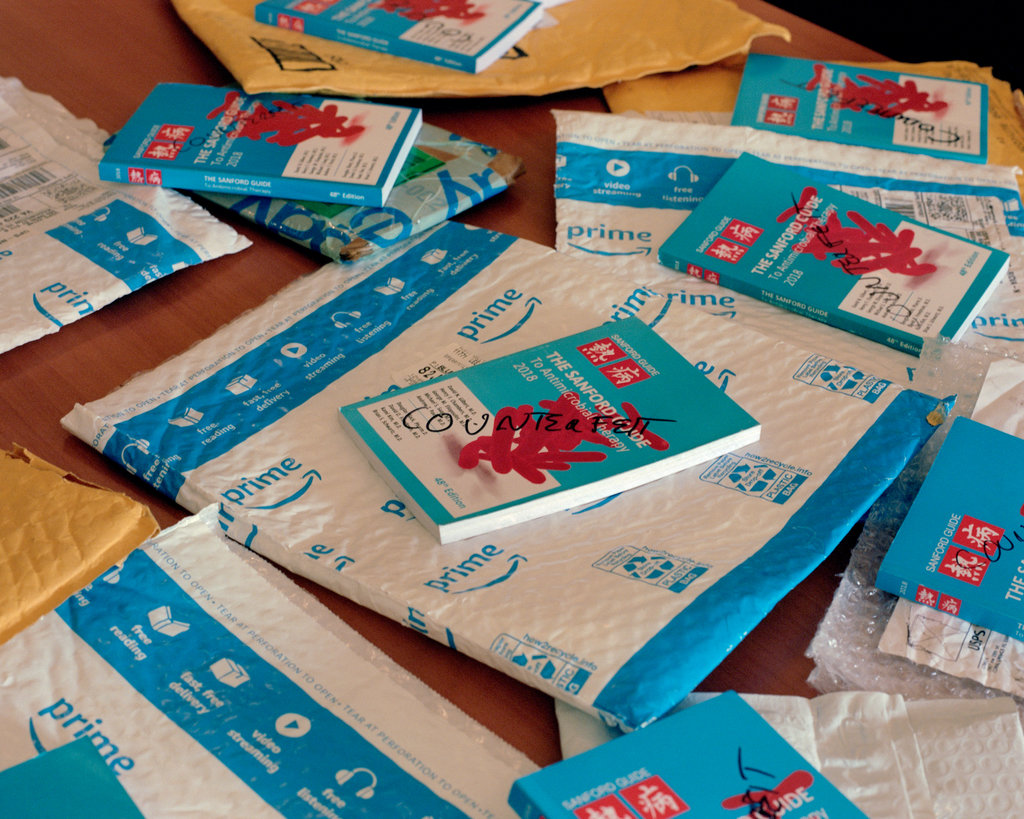
Amazon takes a hands-off approach to what goes on in its bookstore, never checking the authenticity, much less the quality, of what it sells. It does not oversee the sellers who have flocked to its site in any organized way.
Naturally, the reason is that Amazon can’t be bothered policing illegal copies and illegal sales, since, in their minds, all’s fair in the Wild West of the Net.
Even the technically legal copies that are for sale are often copies acquired from people who received copies for review. Which is why I no longer give out books for review (also, services like Goodreads started charging for the privilege of random strangers to steal your book and sell it to a third party).
NONE of these “companies” wrote my book, and I did not give permission to ANY of them to resell my book. So why do they get to sell it for up to four times the price I set? Because Amazon doesn’t bother and couldn’t care less.
I used to wonder why my books often appeared in the “available from a third party” menu, with prices varying from twice to even five times the original amount. And why none of the “sales” from these copies showed up in my account. The answer is, of course, Amazon doesn’t really care who gets the royalty as long as they get their cut of the sale.
But we’re trapped, aren’t we? We can scream “fake!” and “unfair!” until we’re blue in the face. In the end, Amazon has grown in power to the extent that the entire world relies on it as a global distributor of, well, pretty much everything.
Except, of course, Amazon, itself, can’t be bothered shipping its own products these days. (More on that in a later post.)
Which is why I’ve started to port my books into other platforms such as Smashwords — but they’re all digital. It’s a shame, because I enjoy (and prefer) reading paper copies of books. But I know I will never be able to stop the Amazon Pirates from stealing my work and my friends’ work.
Shame on Amazon. And shame on all of us for going along with the system.
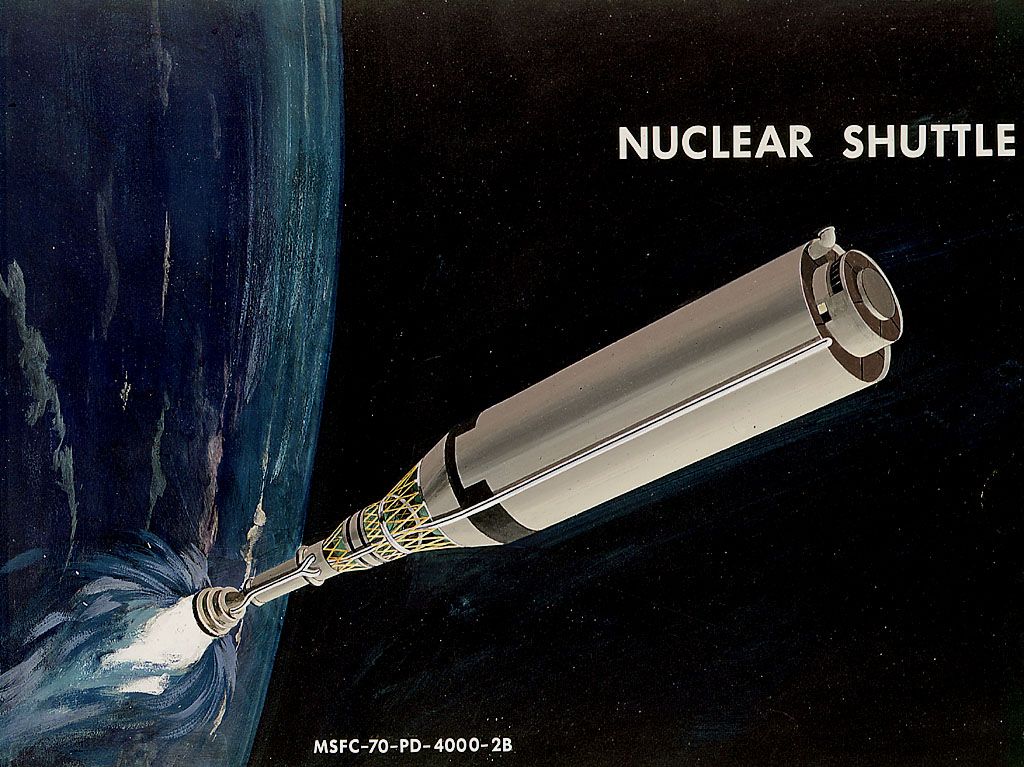
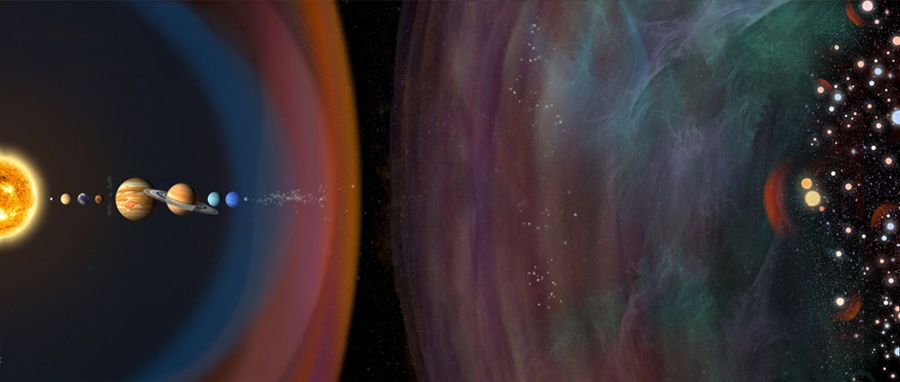
“It is time to venture beyond the known planets, on toward the stars.”
Yes, I agree, but I don’t see how any of the ideas in this article will help us achieve that goal. I think the problem is the reliance on conventional means of propulsion. Clearly some sort of bending of space/time is needed to leave the solar system faster than, say, a decade, let alone reach other star systems.
Dawn already used an ion engine (way too slow). The solar gravitational lens is neat but it won’t take us there physically. The “space-based laser” idea is funky but impractical.
Getting off Earth should help (Moon Base, Mars, somewhere else like Triton). Escaping our own planet’s gravity well takes way too much effort. But after that, it’s time to forget about rockets and start thinking of truly “wacked out” ideas.
For starters, Discover, how about dumping your absolutely awful page design? Yeesh, this page is hard to read.
“Fundamentally, we may be able to change how we create and use the materials with lifelike characteristics. Typically materials and objects we create in general are basically static… one day, we may be able to ‘grow’ objects like houses and maintain their forms and functions autonomously.”
You mean like Iron Man from a decade ago (as seen in Infinity War)?
Honestly, scientists these days…can’t even keep up with comic books from the ’80s…
(That said, I’m not entirely thrilled with the idea of living in a living house that can maintain its own form and feed itself…on what?! you might ask…)
OK, not actually glitterspray. Lots of tiny moons. Micromoons?
Exploding out of Bennu, which is an asteroid circling way out near Pluto right now, but will intersect Earth’s orbit in September 2060. And in 2135. And in 2175. And maybe soon again after that.
Doomsayers, prepare yourselves!
(Cumulative 1 in 2700 chance it’ll hit Earth by then. Too bad Bruce Willis won’t be around to save us.)
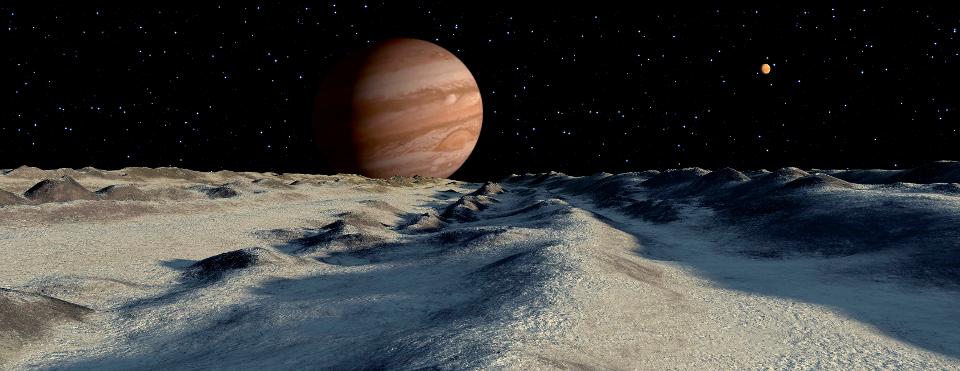
[A]n obvious obstacle to identifying our neighbors is the tendency to limit our imagination to what we already know. But this should not necessarily remain the case in the future.
Frankly, I think it’s high time that somebody invent the warp drive so that the Vulcans will finally notice us.





 So where to start the family stories?
