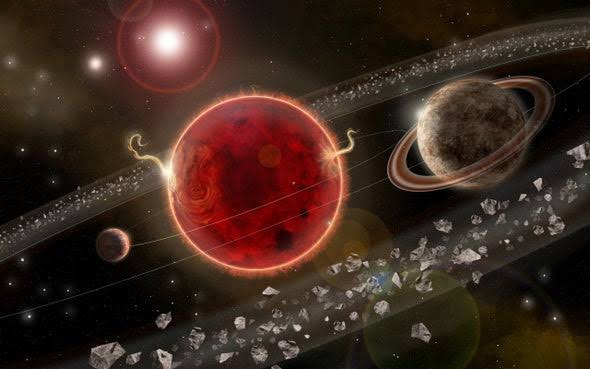
“Proxima is our closest neighbor in an immense universe. How could we not be charmed by it?”
Well, the planet may or may not exist (the confirmation data won’t be publicly available for another couple years).
And it is most likely not inhabitable — despite being dubbed a “Super-Earth” (which really only refers to size and not whether it’s “Earth-like” or not).
“We tried different tools to prove ourselves wrong, but we failed. However, we have to keep the doors open to all possible doubt and skepticism.”
Yes, the astronomers tried to prove their own discovery was a mistake. That’s how it works, folks. Challenge your assumptions, not jump to conclusions. Continue Reading
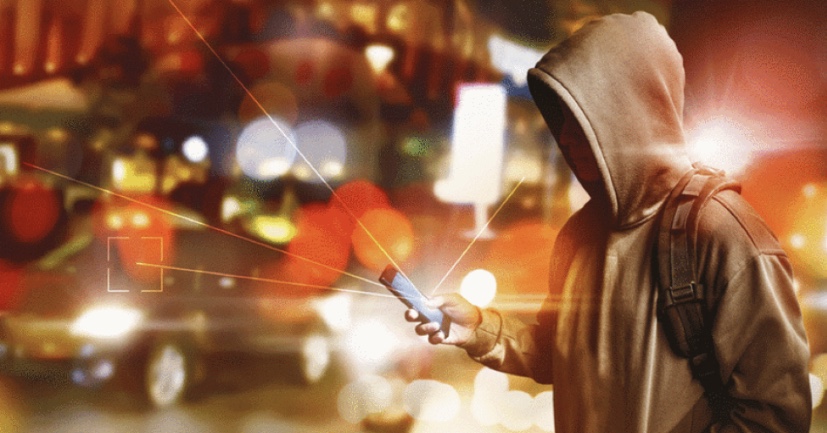
One of the pre-installed apps, which looks and operates as a wireless update program, automatically installs more apps without user consent, according to Malwarebytes.
And it appears to be a variant of Adups, malware previously traced to China, which transmits text, call-location and app data to a Chinese server every 72 hours.
China is so far ahead of the US in terms of hacking and spyware. And this is only the stuff that they didn’t even bother hiding…
Do they have atmospheres and how thick are they? What kind of clouds? Do they possess oceans on their surface? Do they have rings and moons? Cheops ought to be able to address such questions just from looking for these tiny dips in light during a transit.
ESA finally does something! Wow. Go Europe!
I love how BBC says “The Americans” when referring to NASA, as if a) American is an ethnic group and b) all NASA scientists are American.
But anyway…
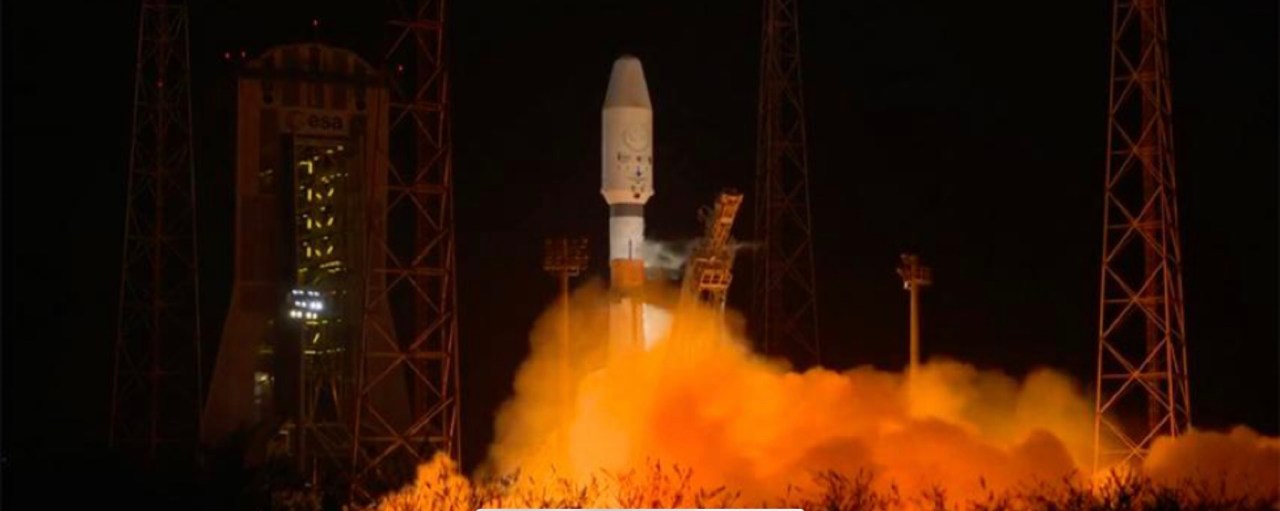
Prof Didier Queloz, who won this year’s Physics Nobel for discovering the first planet orbiting a Sun-like star in 1995, was on hand to watch the launch.
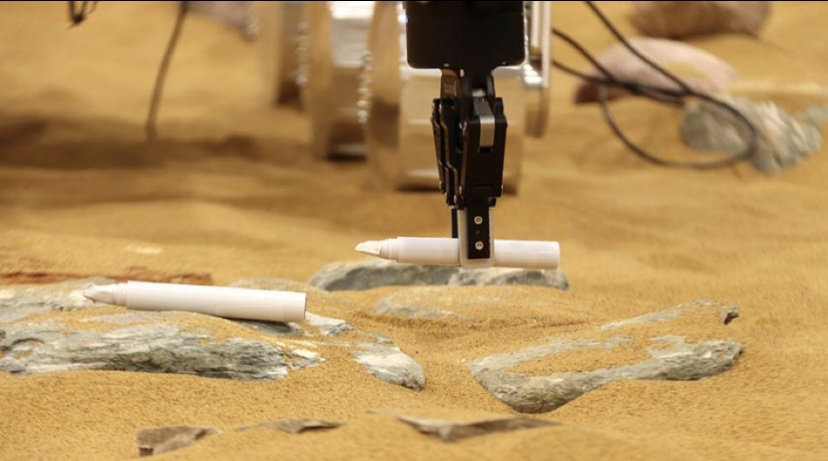
Right now, engineers have got a dummy rover practising the business of retrieving packaged rock samples. And, yes, the stand-ins really are whiteboard markers.
Yay! Whiteboard markers. Um. OK.
But different agencies and companies are finally working together?
Great!
Wait. What’s the catch?
It is, though, going to take more than a decade to achieve.
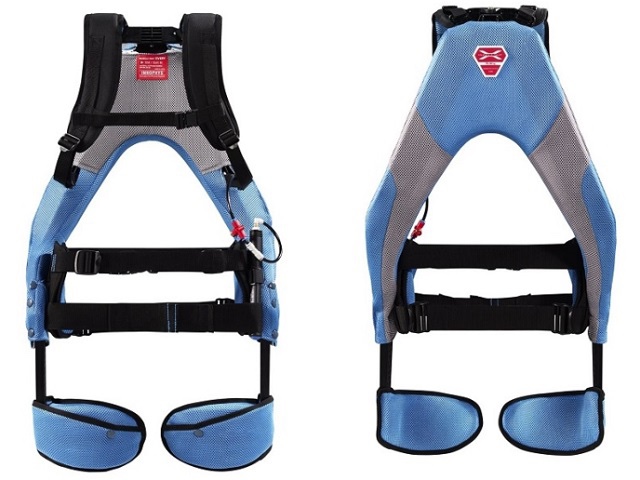
The “Every Muscle Suit” has a lot going for it. Weighing just 3.8 kilograms (2.2 pounds), the pneumatic artificial muscle suit is powerful enough to generate up to 25.5 kilogram-force andeffectively relieves pressureon users’ backs when performing activities like heavy lifting.
And no batteries. That’s right: it uses air pressure only. Sells for the low low price of ¥149,600 (US$1,380)!
Well, OK, it’s not cheap. But compared to the robots used in heavy industries, this one’s close to affordable. And you can even test-run at the Bic Camera store in Shinjuku, Tokyo.
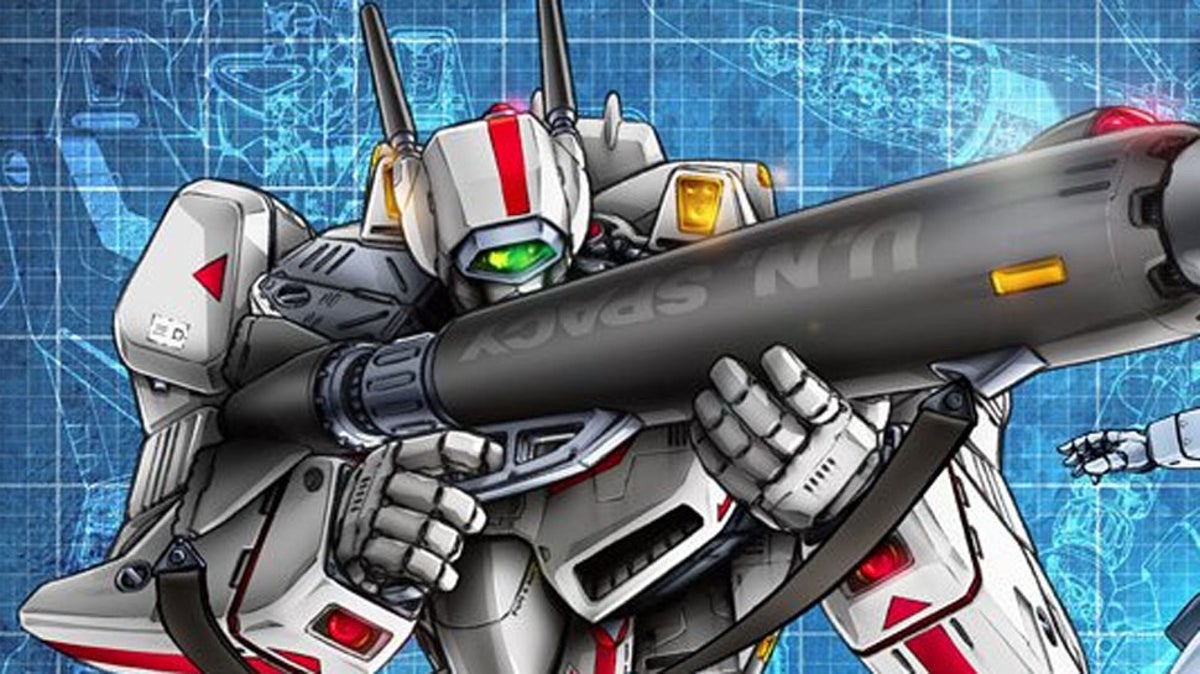
No mention of mounted laser rifles yet, though. Sorry.
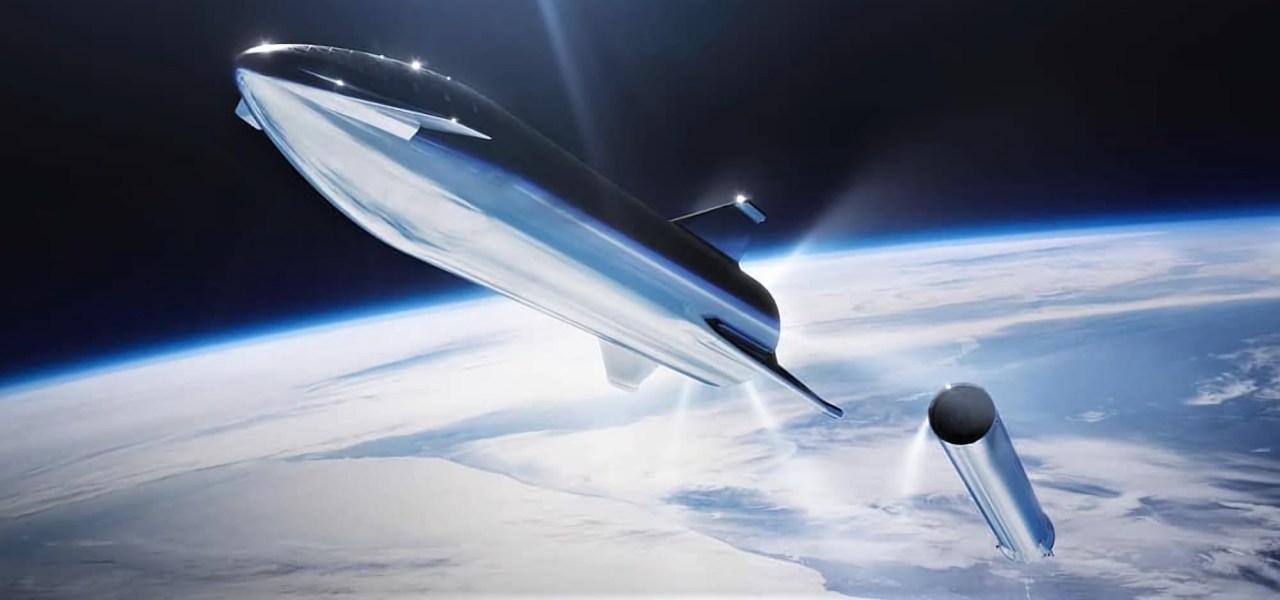
Youtubersmallstarshas proposed a concept that he calls theGravity Link Starship(GLS), a variation of SpaceX’sStarshipthat will be able to provide its own artificial gravity.
Hm, I guess we’re at the point where YouTubers have better ideas than NASA…
But who pays for this? is the several billion dollar question. Not just the construction of the “hub and truss” system, but the expense of getting it into space in the first place.
Seems like science fiction at this point. But still worth a read/look:


 M Thomas Apple Author Page